The Middle East’s 10 Strongest Air Forces (2026): Turkey on Top — Egypt, Saudi Arabia and Israel

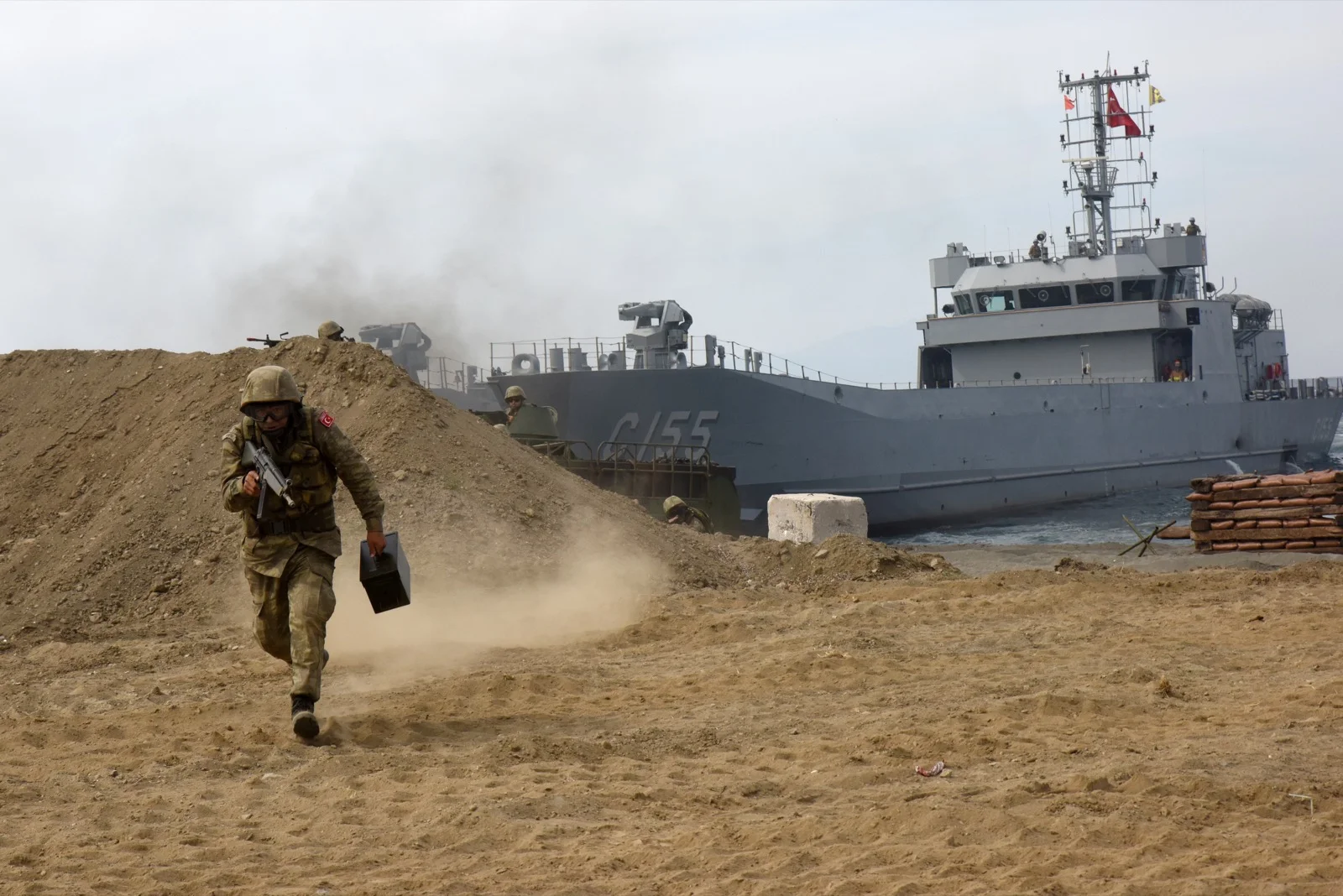
One of the world’s most heavily armed regions, the Middle East makes air supremacy critical. Who tops 2026, where does Israel rank, and how did Turkey leave its rivals behind?
The Middle East has one of the highest densities of combat aircraft on Earth. Oil revenue, constant regional tension and great-power rivalry push states to acquire the most modern platforms. From the F-35 to the Rafale, from F-16s to indigenous drones, a wide spectrum meets in the region’s skies.
Drawing on Global Firepower data, we count down the region’s ten strongest air forces by total aircraft, fighter quality, modernization and domestic production. The name at the top is shifting the balance through both sheer size and a growing indigenous defense industry. Starting at #10.
The Countdown: #10 → #1
Kuwait

~100
Small but wealthy, Kuwait builds a limited yet highly modern air fleet. Eurofighter Typhoon and F/A-18 Super Hornet procurement place it among the region’s most advanced-platform forces. Its doctrine took shape after the 1990 invasion: deterrence and full integration with allies, especially the US. Small geography and population prioritize quality deterrence over numerical mass — a compact air force fitted with modern platforms.
In platform quality (Typhoon) it beats many larger fleets, but it is the smallest in numbers.
| Total aircraft | ~100 |
| Fighters | ~40 |
| New platforms | Typhoon, F-18 |
| Doctrine | Deterrence |
➤ The next Gulf state brings a larger fleet.
Qatar
~250
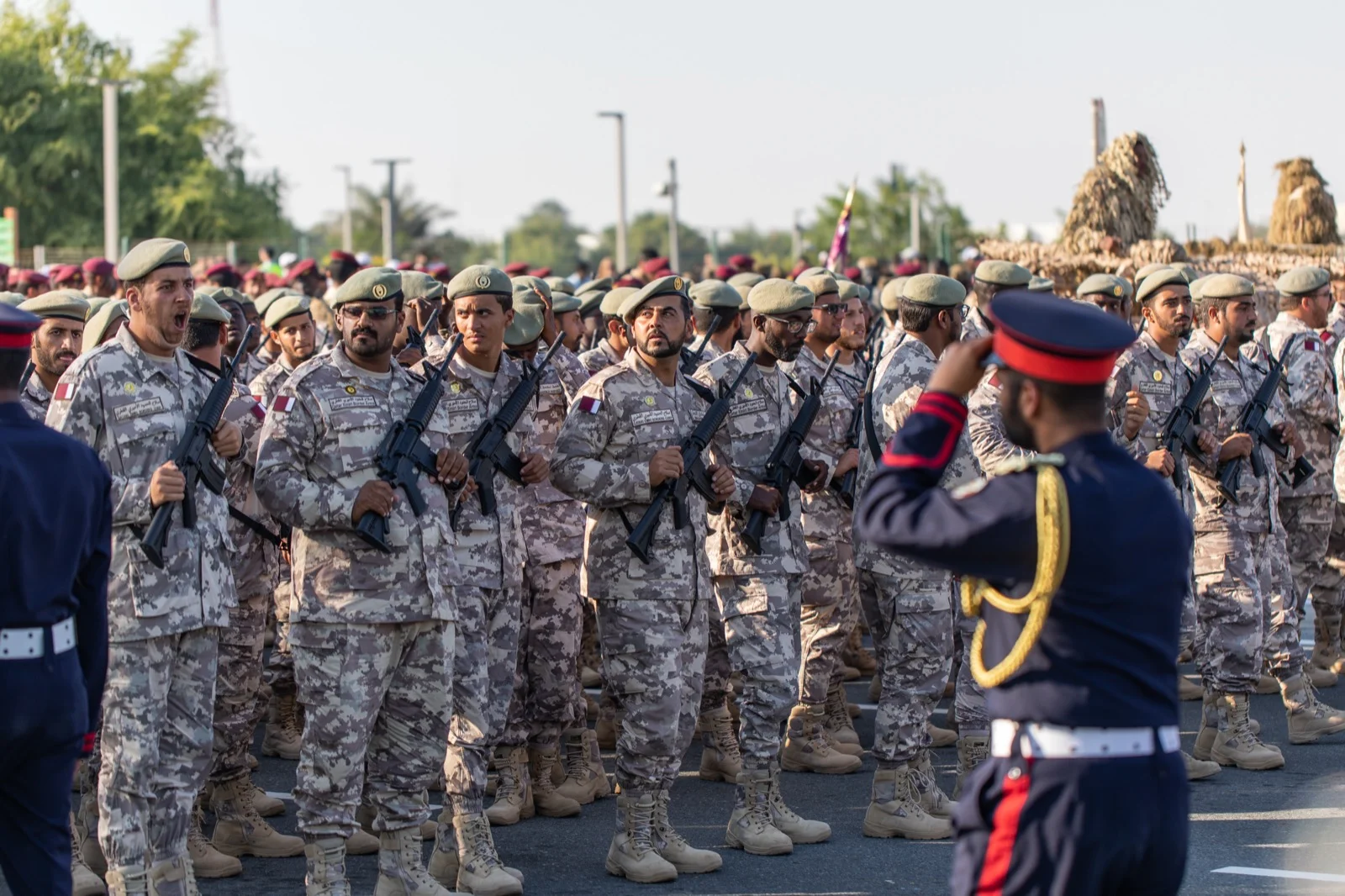
Energy-rich Qatar recently pulled off one of the world’s most remarkable air-power modernizations, procuring the Rafale, F-15QA and Eurofighter Typhoon simultaneously — three different Western advanced fighters at once. This ‘multi-source’ strategy provides both deterrence and allied diversity. Despite a small population, Qatar backs its regional diplomatic weight with military modernization. Deepening defense cooperation with Turkey and a joint base form a key pillar of its security architecture.
A rare force operating three advanced fighters at once, with a far larger fleet than Kuwait.
| Total aircraft | ~250 |
| Fighters | ~90 |
| Platforms | Rafale+F-15+Typhoon |
| Partner | Turkey base |
➤ Jordan’s professional fleet enters the top eight.
Jordan
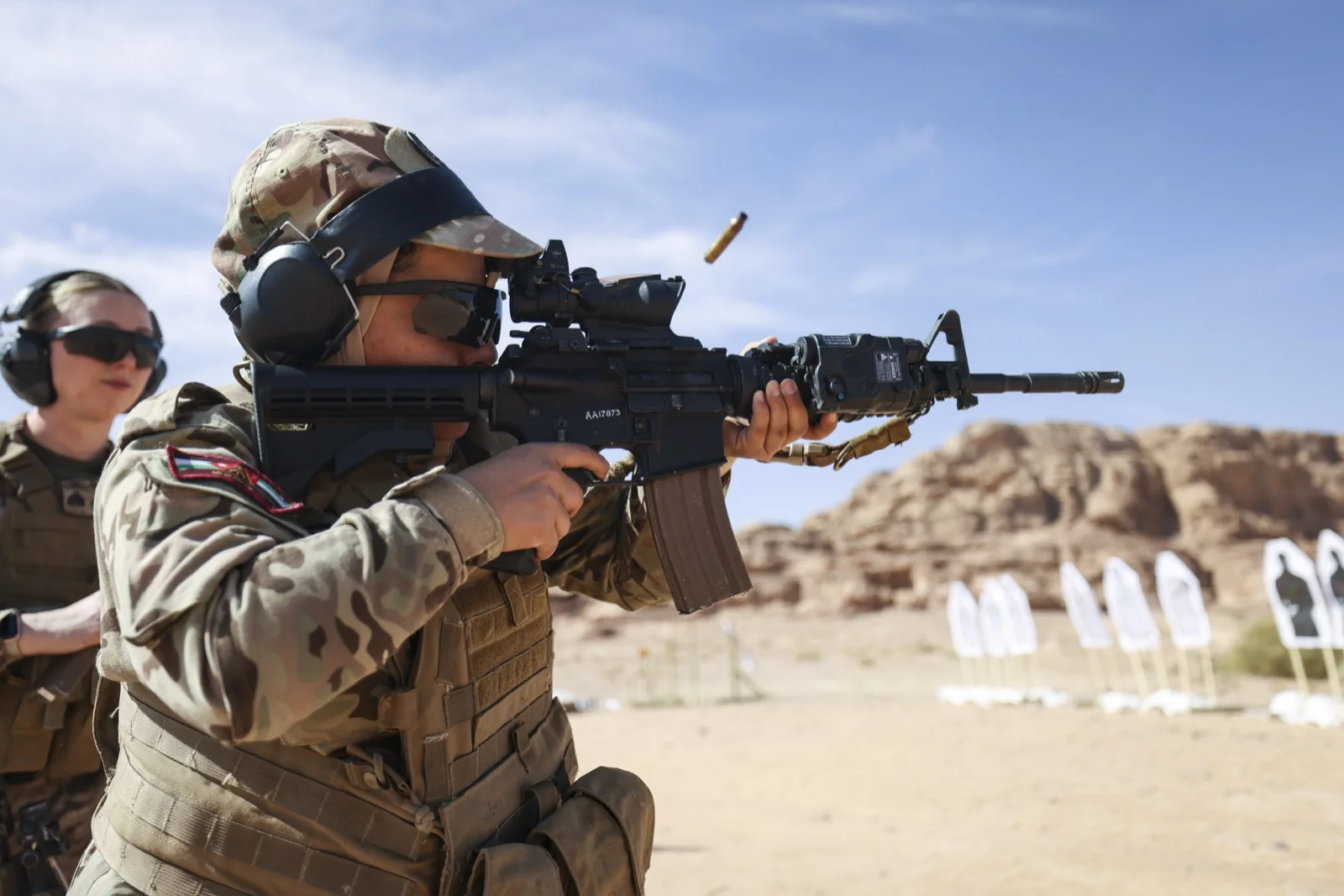
~260
Jordan achieves high professionalism with limited resources. An F-16 fleet forms the backbone, while light-attack aircraft and drones have strengthened counter-terrorism capacity. Instability on the Syrian and Iraqi borders shapes its air power toward border security and surveillance. Close cooperation with the US provides training and procurement support. Amman stands out with one of the region’s most stable and well-trained air forces.
It rivals Qatar in professionalism and training, but is more modest in platform diversity.
| Total aircraft | ~260 |
| Fighters | ~60 F-16 |
| Helicopters | ~60 |
| Priority | Border security |
➤ Iraq’s rebuilding fleet enters the top seven.
Iraq
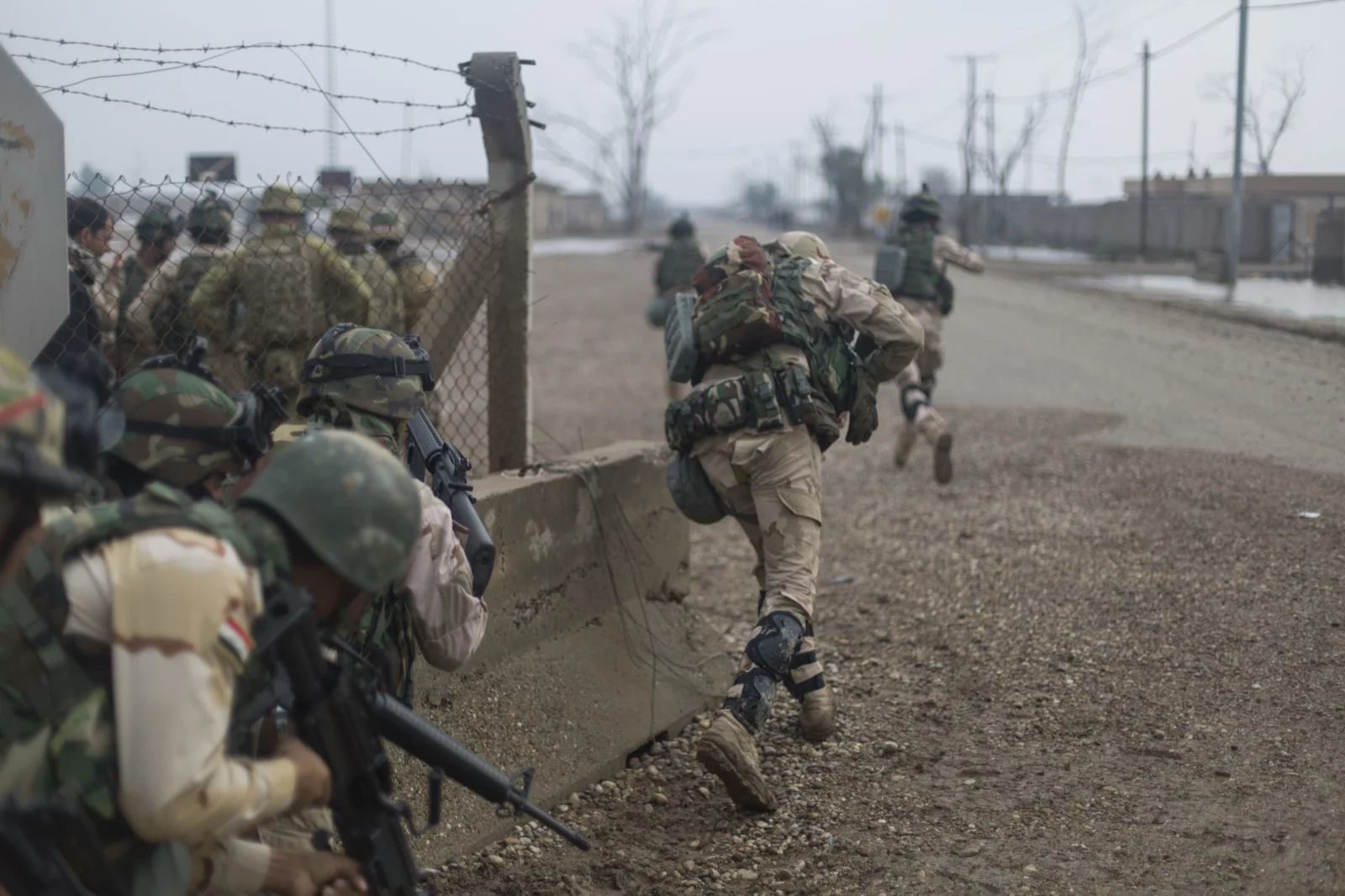
~300
Rebuilt after long years of war, Iraq’s air force is recovering with F-16IQ fighters and various light-attack platforms. Operations against ISIS showed the clear importance of air power. Baghdad tries to balance US and Russian/Chinese platforms, adding complexity to its supply chain. Its air power takes shape in a delicate balance among internal security, border control and Iranian influence. Modernization potential is high but tied to political stability.
In its rebuilding phase it has overtaken Jordan and Qatar in numbers, but is more mixed in fleet quality.
| Total aircraft | ~300 |
| Fighters | ~40 F-16IQ |
| Status | Rebuilding |
| Balance | US-Russia |
➤ The Gulf’s tech power enters the top six.
UAE
~550
Despite a small population, the UAE fields one of the region’s most advanced and best-trained air forces. F-16 Block 60 (Desert Falcon) and Mirage 2000-9 fleets are fitted with high technology, and Rafale procurement strengthens it further. The UAE stands out for combat experience (Yemen, Libya operations) and allied integration. Its domestic industry (EDGE group) is growing in drones and munitions. Quality platforms, combat experience and modernization make the Emirates a regional air power.
In fighter quality and combat experience it edges past Iran, an extraordinary capacity for its population.
| Total aircraft | ~550 |
| Fighters | ~150 |
| Platforms | F-16 Blk60, Rafale |
| Industry | EDGE UAV |
➤ Iran’s large but aging fleet enters the top five.
Iran
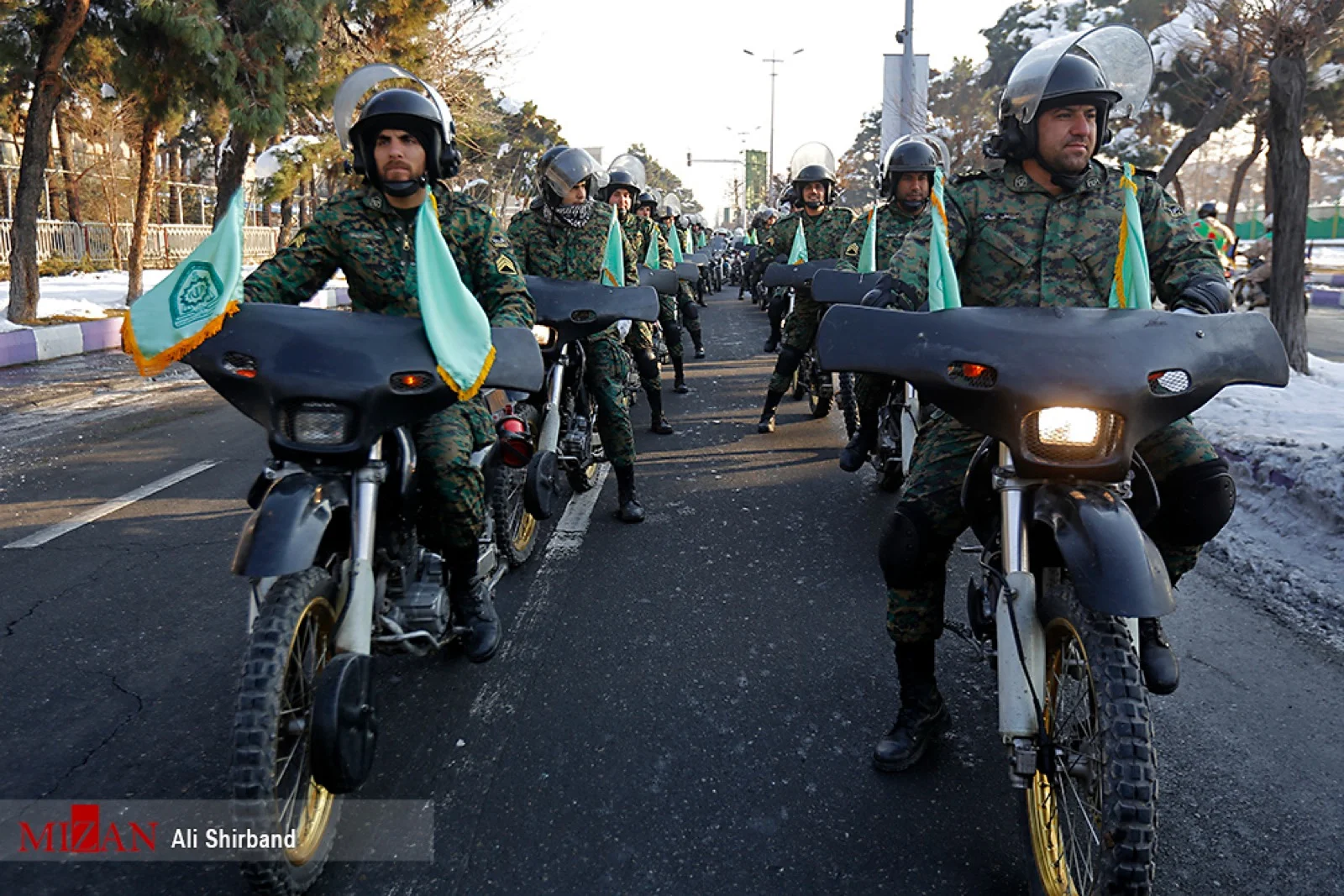
~550
Under the shadow of sanctions, Iran’s air force rests on a large but largely obsolete fleet. Cold War-era F-14 Tomcats, F-4 Phantoms and MiG-29s are kept flying by domestic maintenance. Tehran’s real strength lies not in its air fleet but in its ballistic missile and drone programs; Shahed-series UAVs have proven effective in regional and global conflicts. Su-35 procurement from Russia signals an effort to modernize. Asymmetric capabilities and missile power offset conventional air weakness.
It matches the UAE in total aircraft, but lags far behind in platform age and technology — while leading in missiles and drones.
| Total aircraft | ~550 |
| Fighters | ~185 (old) |
| UAV | Shahed series |
| Strength | Ballistic missiles |
➤ Israel’s quality fleet stands at the podium’s edge.
Israel
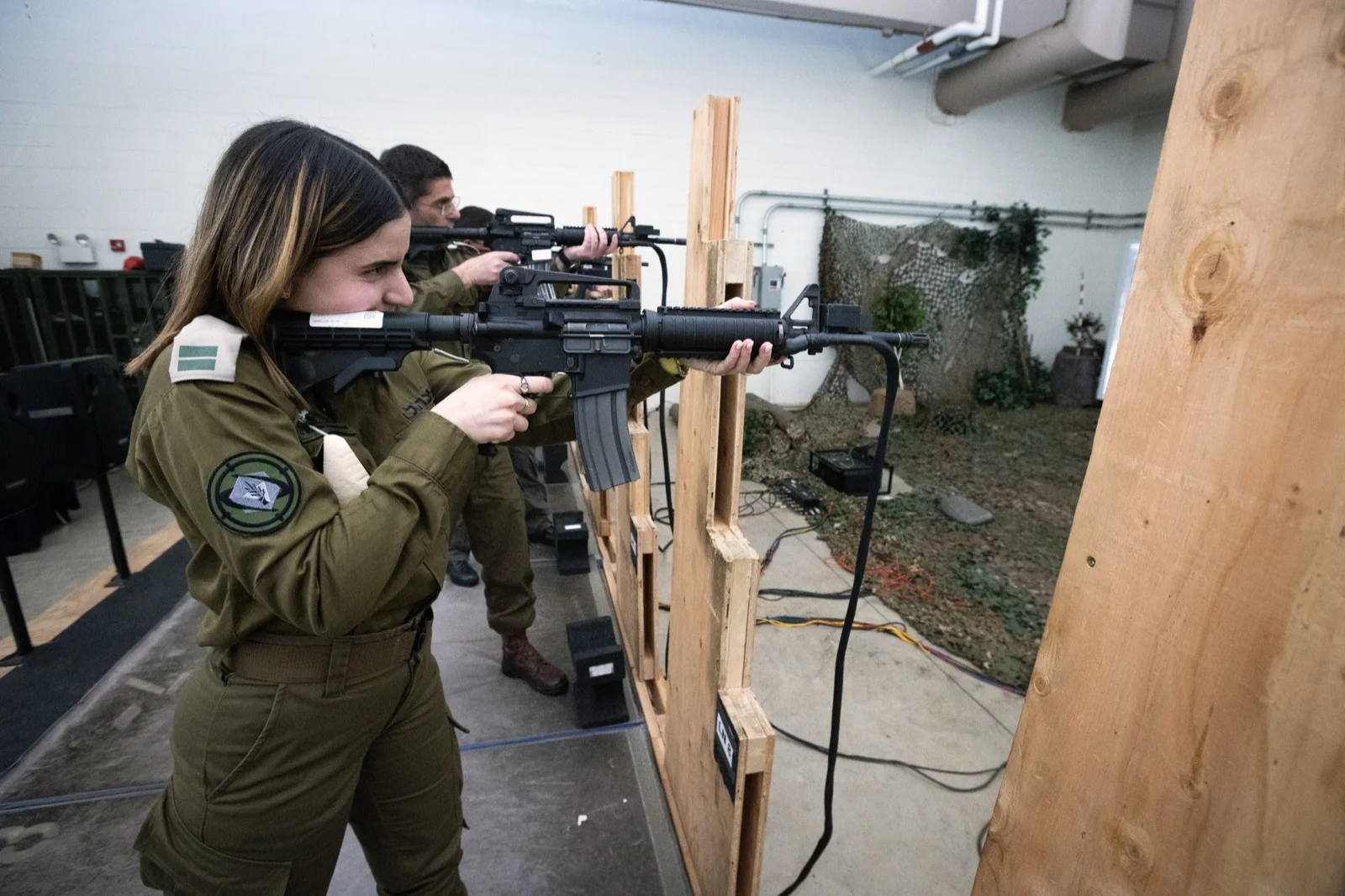
~600
Israel’s air force is built on technology and operational superiority rather than numbers. With the F-35I ‘Adir’ it is the only country in the region operating a fifth-generation fighter; its F-15 and F-16 fleets are continuously modernized. High pilot-training quality, advanced electronic warfare, air-defense integration (Iron Dome, Arrow) and indigenous munitions keep Israel near the region’s qualitative summit. Operational tempo and intelligence integration provide combat power beyond raw size.
It leads the region in technology and F-35 capability, but trails Egypt and Turkey in total aircraft.
| Total aircraft | ~600 |
| Fighters | ~340 |
| 5th gen | F-35I Adir |
| Edge | Electronic warfare |
➤ The region’s two largest fleets and Turkey remain for the top three.
Saudi Arabia
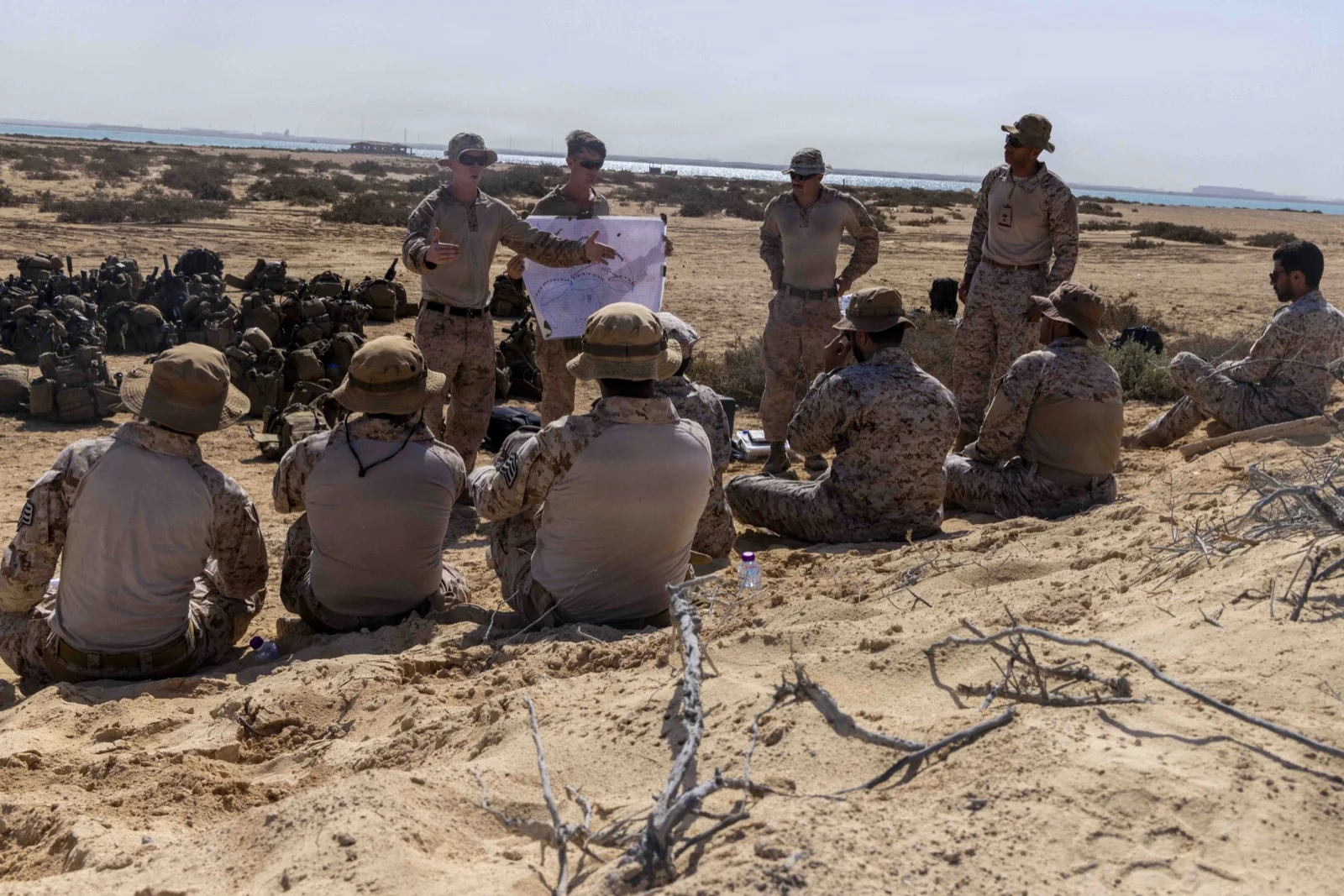
~900
With one of the world’s largest defense budgets, Saudi Arabia operates one of the region’s biggest air fleets. F-15SA, Eurofighter Typhoon and Tornado fighters are backed by advanced early-warning (AWACS) and tanker fleets. Yemen operations gave the air force intense combat experience. Riyadh makes air superiority a strategic priority for deterrence against Iran and regional power projection. The blend of numerical size and modern platforms makes the Saudis one of the region’s three strongest air forces.
It exceeds Israel and the UAE in total aircraft, wielding heavy striking power via F-15SA and Typhoon.
| Total aircraft | ~900 |
| Fighters | ~260 |
| Support | AWACS, tankers |
| Budget | Among world’s top |
➤ Egypt’s vast fleet and Turkey at the summit remain.
Egypt
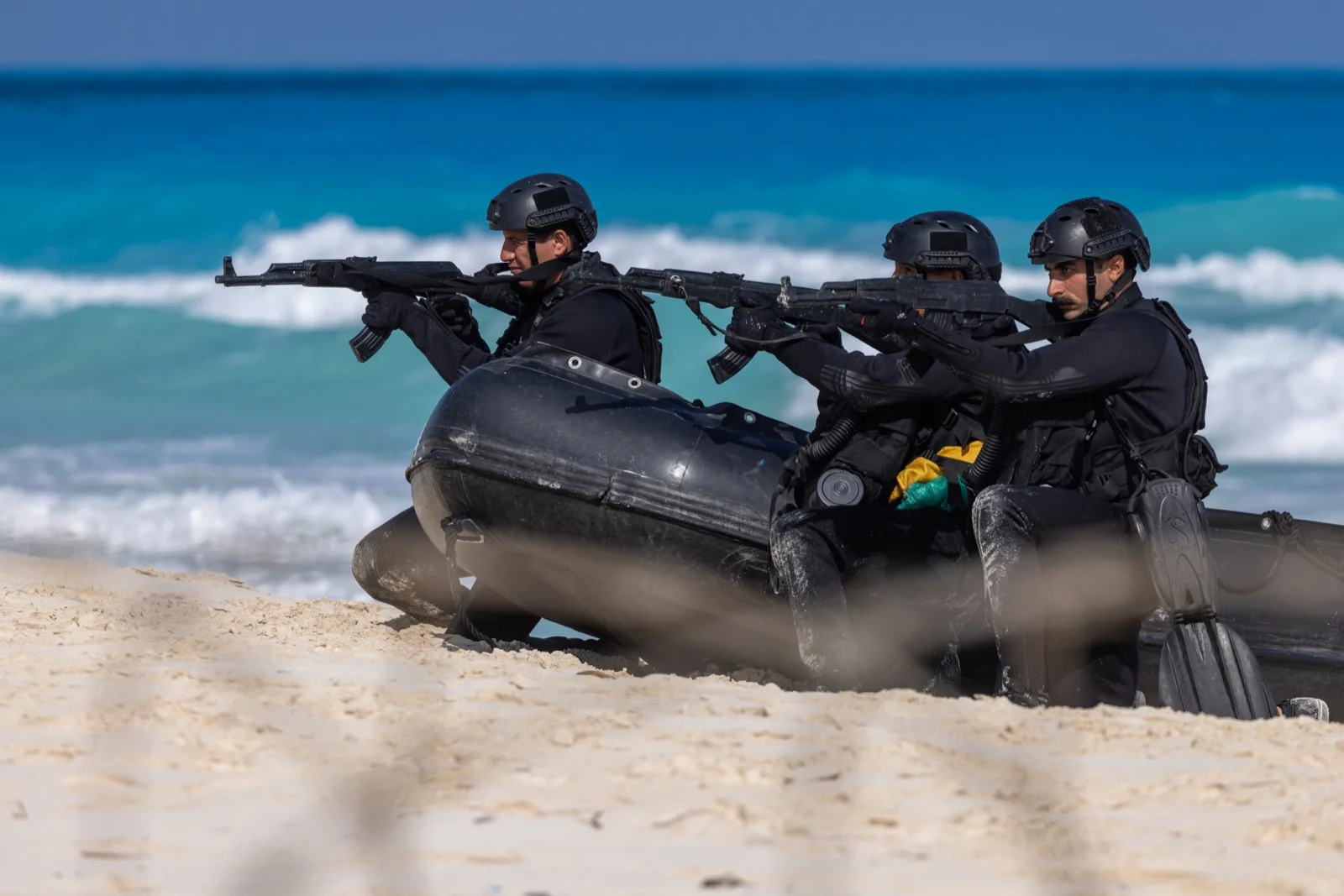
~1,080
Egypt operates one of the region’s largest and most diverse air fleets. With Rafale, F-16, MiG-29M and Apache attack helicopters, it holds both Western and Eastern platforms together. Cairo builds a vast air capacity for Suez, Red Sea and Eastern Mediterranean security plus regional power projection. But the fleet’s multi-source nature carries integration and logistics challenges. Still, numerical size and diversity make Egypt one of the region’s heaviest air powers.
It exceeds Saudi Arabia in total aircraft, but trails Turkey in integration and domestic production.
| Total aircraft | ~1,080 |
| Fighters | ~240 |
| Diversity | Rafale+F-16+MiG |
| Helicopters | ~340 |
➤ And the name at the top is reshaping the region through domestic production.
Turkey
~1,080
Beyond operating one of the region’s largest and most experienced fleets, the Turkish Air Force is backed by a rapidly indigenizing defense ecosystem. A modernized F-16 fleet (the Özgür project) and broad helicopter and transport capacity form current strength; the real difference is domestic production. The KIZILELMA unmanned combat aircraft, AKINCI and TB2 drones, HÜRJET jet trainer and the KAAN fifth-generation fighter under development make Turkey a rare regional power producing its own air platforms. NATO membership, integrated air defense and high combat experience complete the picture.
It matches Egypt in total aircraft, but stands alone as the region’s leader in producing indigenous fighters, drones and jet trainers.
| Total aircraft | ~1,080 |
| Fighters | ~205 F-16 |
| Indigenous | KAAN, KIZILELMA, HÜRJET |
| UAV | TB2, AKINCI |
Turkey is the region’s only country producing its own fighter (KAAN), unmanned combat aircraft (KIZILELMA), drones (AKINCI, TB2) and jet trainer (HÜRJET). This indigenization means supply independence, rapid modernization and export capacity. Combined with NATO interoperability and operational experience, the Turkish Air Force holds the firmest foundation for air superiority — today and tomorrow.
➤ So what exactly carries Turkey to the summit?
Why Is Turkey on Top?
- Indigenous production: KAAN, KIZILELMA, HÜRJET, AKINCI, TB2 — the only regional state producing its own air platforms.
- Scale: Neck-and-neck with Egypt, one of the region’s largest fleets.
- NATO integration: Standardization, integrated air defense and allied interoperability.
- Combat experience: A drone and air-power doctrine proven in cross-border operations.
- Export power: Turkish drones feature in many regional inventories.
The Verdict
The Middle East air-power ranking shows clearly why the region is one of the world’s most heavily armed. The top three — Turkey, Egypt and Saudi Arabia — each field vast fleets exceeding 900 aircraft that define the regional balance. But the real story lies not in the numbers; it hides in the procurement model and indigenous-production capacity.
Saudi Arabia and Egypt build their strength largely on a foreign-dependent, multi-source procurement model. Israel leads on quality through technological superiority and F-35 capability rather than numbers. Iran tries to offset conventional weakness with ballistic-missile and drone power. The Gulf states — the UAE, Qatar, Kuwait — operate extraordinarily modern but small fleets relative to their populations.
The difference that carries Turkey to the top is unique in this picture: Ankara is building the future of its air power with its own engineering ecosystem. The KAAN fifth-generation fighter, the KIZILELMA unmanned combat aircraft and the HÜRJET jet trainer represent a level of indigenization no other country in the region has reached — meaning supply independence, rapid modernization and a growing export capacity. In an era of enduring regional tension and politicized supply chains, the ability to produce your own platform is the greatest strategic advantage. The Middle East’s air-power map will be redrawn over the coming decade around indigenous-production capacity — and in that race, Turkey is already out front.
Comparison Table
| # | Country | Total Aircraft | Fighters | Highlight | Indigenous |
|---|---|---|---|---|---|
| 1 | Turkey | ~1,080 | ~205 | KAAN, KIZILELMA, HÜRJET | Very high |
| 2 | Egypt | ~1,080 | ~240 | Rafale+F-16+MiG | Limited |
| 3 | Saudi Arabia | ~900 | ~260 | F-15SA, Typhoon | Low |
| 4 | Israel | ~600 | ~340 | F-35I Adir | High (munitions) |
| 5 | Iran | ~550 | ~185 | Shahed UAV, missiles | Medium (isolated) |
| 6 | UAE | ~550 | ~150 | F-16 Blk60, EDGE | Growing |
| 7 | Iraq | ~300 | ~40 | F-16IQ | None |
| 8 | Jordan | ~260 | ~60 | F-16 | Low |
| 9 | Qatar | ~250 | ~90 | Rafale+F-15+Typhoon | None |
| 10 | Kuwait | ~100 | ~40 | Typhoon, F-18 | None |
Tomorrow: Greece or Turkey?
Two Aegean rivals compared point by point — tanks, aircraft, ships, budget. Which army is stronger? Tomorrow on envantermedya.
Frequently Asked Questions
Which is the Middle East’s strongest air force?
Weighing 2026 data and indigenous-production capacity together, Turkey tops the list, followed by Egypt and Saudi Arabia with their vast fleets.
Why isn’t Israel in the top three?
Israel leads the region in technology and F-35 capability, but trails Turkey, Egypt and Saudi Arabia in total aircraft.
What sets Turkey apart?
Turkey is the region’s only country producing its own fighter (KAAN), unmanned combat aircraft (KIZILELMA), drones (AKINCI, TB2) and jet trainer (HÜRJET).
Which country operates a fifth-generation fighter?
Israel operates the fifth-generation F-35I ‘Adir’; Turkey is developing its indigenous KAAN.
Why does Iran’s air power look weak?
Sanctions have left Iran’s fighter fleet largely obsolete; the country has shifted its strength to ballistic-missile and drone programs.
Sources
Global Firepower 2026 air-power ranking and country profiles; IISS Military Balance; SIPRI data; TUSAŞ, Baykar and official air-force sources.
Source: https://www.globalfirepower.com/