F-Drones Unveils LITAVR+ Interceptor to Counter Jet-Powered Shahed Drones
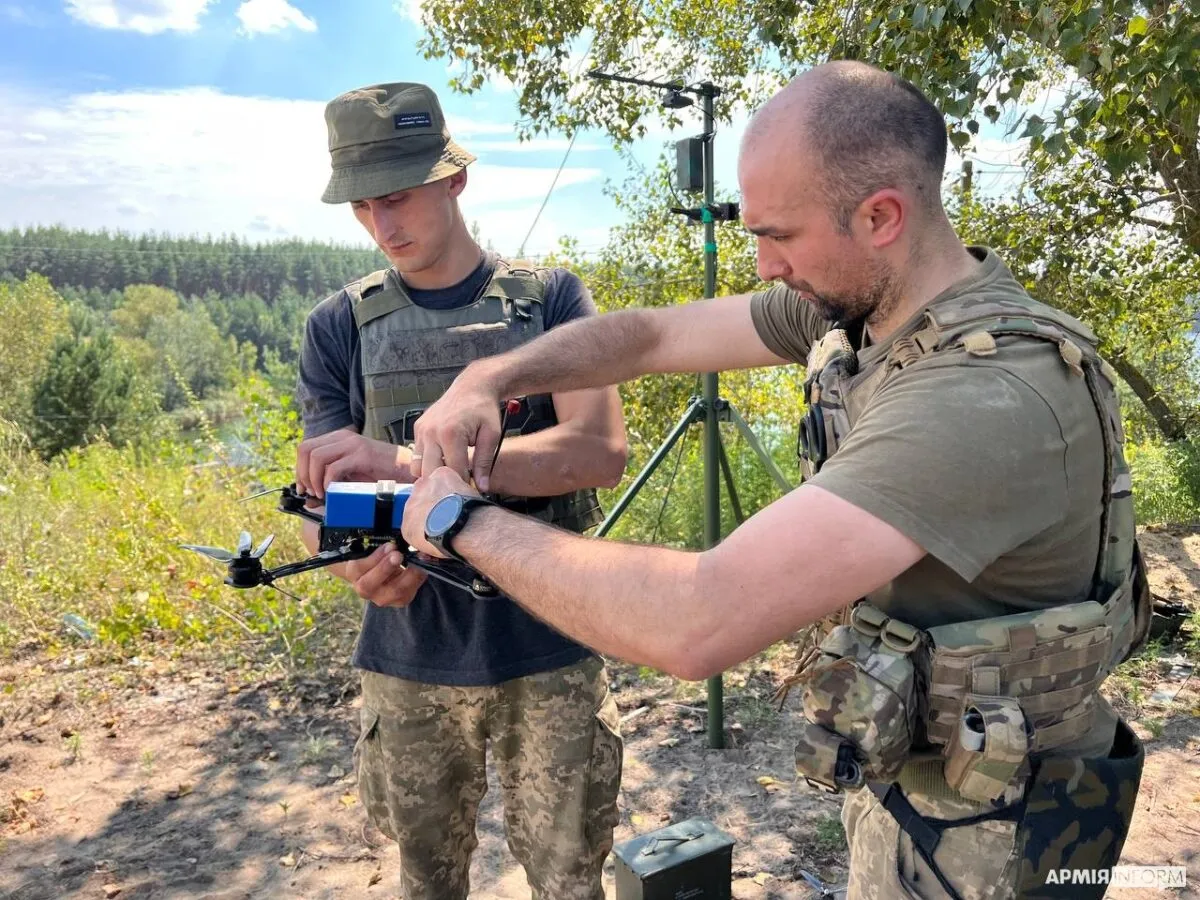
Ukrainian defense-tech firm F-Drones unveiled an upgraded version of its LITAVR interceptor drone on August 10, 2026, designed to hunt down Russia’s newer, jet-powered Shahed-type kamikaze drones. The new LITAVR+ can exceed 400 km/h, a direct response to a faster generation of Russian strike drones now appearing on the battlefield.
At a Glance
- Manufacturer: F-Drones (Ukraine)
- Product: LITAVR+ interceptor drone
- Top speed: above 400 km/h
- Previous model: LITAVR topped out at 350 km/h
- Unveiled: August 10, 2026
- Target profile: jet-powered Shahed/Geran variants, reportedly reaching close to 600 km/h
- Navigation: proprietary software, GPS-independent guidance with autonomous terminal targeting
- Status: passed factory testing, undergoing combat trials, available for order by Ukraine’s military
Background
Since late 2025, Russia has been fielding jet-powered variants of its Shahed-136/Geran-2 loitering munitions alongside the standard propeller-driven type. Where classic Shaheds cruise at roughly 180-190 km/h, the jet-powered versions reportedly approach 600 km/h — a speed jump that strains Ukraine’s layered air defense, particularly the low-cost interceptor drones that have become a mainstay of countering the nightly drone barrages.
Ukraine has spent the past two years building an interceptor-drone ecosystem — including the Sting and Interceptor platforms alongside F-Drones’ LITAVR family — precisely to avoid burning expensive air-defense missiles on cheap Iranian-designed drones. These systems fly far below missile cost while offering enough speed and autonomy to close on and destroy incoming Shaheds without a costly surface-to-air interceptor.
LITAVR+ is F-Drones’ direct answer to Russia’s tactical shift toward faster drones. According to the company’s CEO, the upgraded platform has cleared factory testing, is currently undergoing combat trials, and has video evidence of successfully downing jet-powered Shaheds in the field. It is now available for order by the Ukrainian armed forces — though it is more accurate to describe it as combat-tested-in-progress rather than a fully proven system, given trials are still ongoing.
What It Means for Türkiye
Türkiye’s own counter-drone architecture — anchored by ASELSAN’s KORAL electronic warfare system and the Sungur short-range air defense missile — was largely built around slower, propeller-driven UAV and munition threats. Russia’s jet-powered Shahed variants illustrate a broader trend that NATO’s eastern flank and Black Sea states will need to reckon with: low-cost strike drones are getting faster, compressing the window defenders have to detect, track and intercept them.
For Türkiye, the LITAVR+ case underscores the value of expanding indigenous interceptor-drone capability as a low-cost complement to missile-based air defense. A domestically produced, mass-manufacturable interceptor tuned for higher-speed threats would strengthen Türkiye’s layered defense posture around the Black Sea and offer a scalable option that could also support NATO allies facing similar threats.
FAQ
- What is LITAVR+? An upgraded interceptor drone from Ukraine’s F-Drones, built to fly above 400 km/h and autonomously destroy jet-powered Shahed-type kamikaze drones without pilot intervention in the terminal phase.
- What is a jet-powered Shahed, and why is it more dangerous? A variant of Russia’s Shahed/Geran loitering munition fitted with a jet engine instead of a propeller, reportedly reaching speeds near 600 km/h — far faster than the standard model, leaving defenders less time to react.
- When will LITAVR+ enter service? It has passed factory testing and is undergoing combat trials; it is already listed as available for order by the Ukrainian military.
- How does LITAVR+ differ from the original LITAVR? The original topped out around 350 km/h; LITAVR+ exceeds 400 km/h, closing the speed gap with jet-powered targets.