Bayraktar TB2 vs Wing Loong II: Full Technical Comparison of the Two Most-Exported Combat Drones (2026)
Summary Not Found.
Turkey’s Baykar Bayraktar TB2 and China’s CAIG Wing Loong II are the two armed drones that have done the most to break the West’s monopoly on the export UCAV market. The TB2 is a light, combat-proven, NATO-aligned platform that has been bought by more than 30 nations, while the Wing Loong II is a larger, heavier-hitting Chinese MALE drone marketed aggressively across the Gulf and Africa. This analysis weighs Baykar’s battlefield record and alliance interoperability against China’s superior raw payload and endurance, with honest scoring from a NATO and procurement perspective.
Combat use in Libya and Gulf operations; less independently verified
Operators / production
30+ nations; ~355 produced (incl. Poland, first NATO export)
China, UAE, Saudi Arabia, Egypt, Pakistan, Serbia, others
Class and Design Philosophy
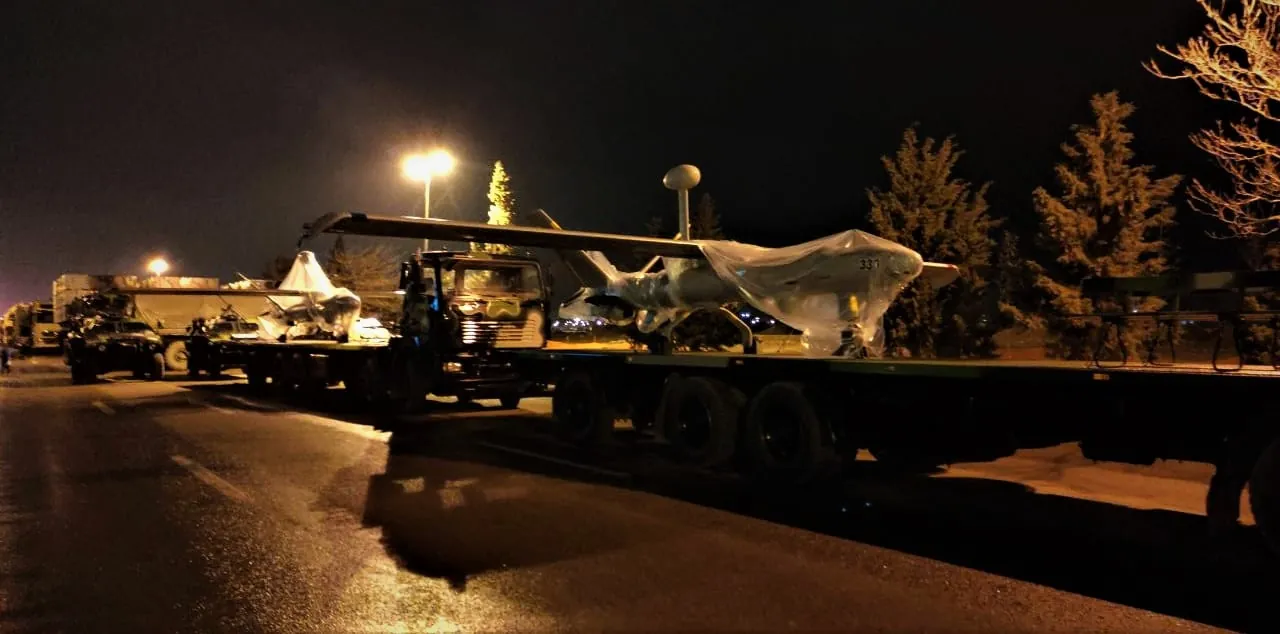
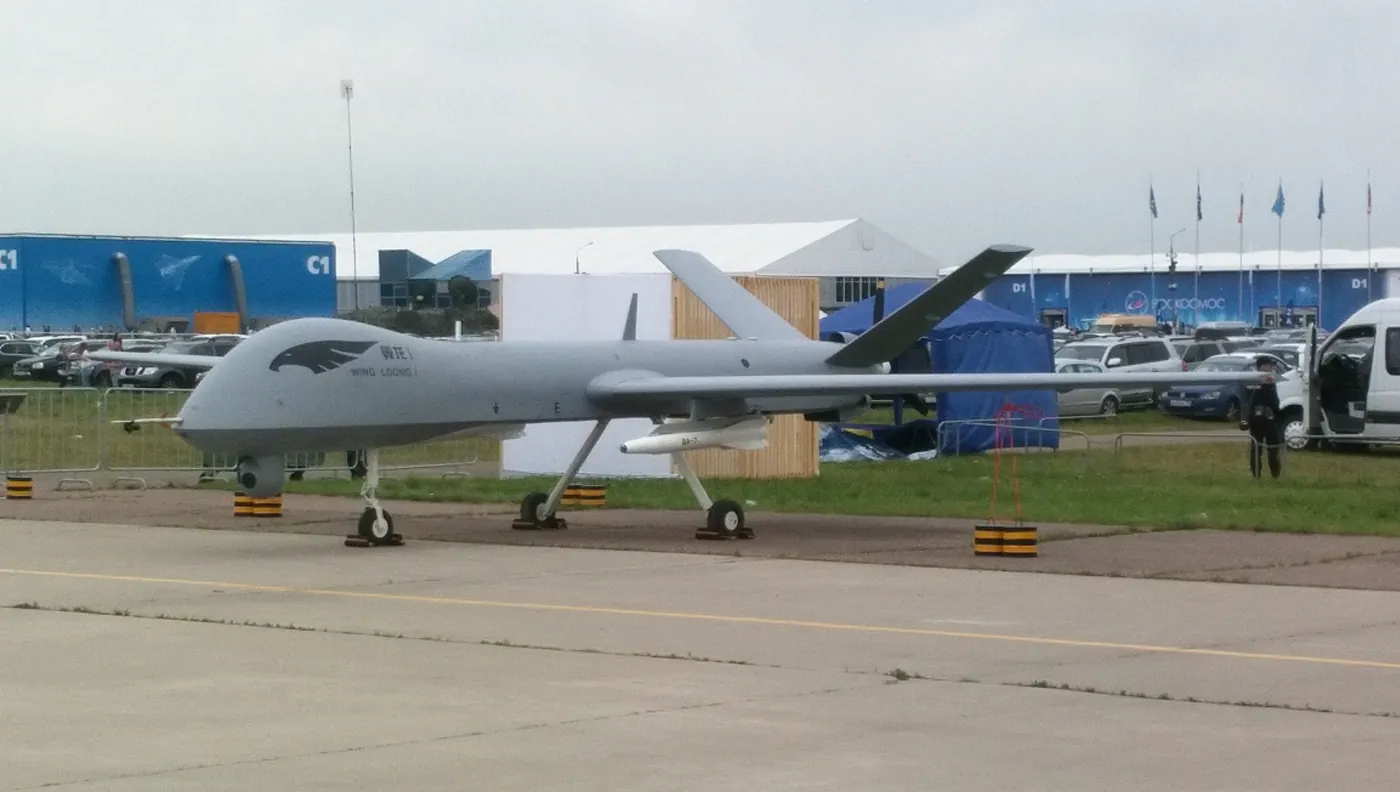
Bayraktar TB2 — CC BY-SA 4.0Wing Loong II — CC BY-SA 4.0
The Bayraktar TB2 is a deliberately light, low-cost tactical UCAV built around a single piston engine and a modest 650 kg maximum take-off weight. Baykar’s design bet was that a cheap, attritable, easy-to-operate platform carrying precision Roketsan micro-munitions would deliver disproportionate battlefield effect, and that bet paid off spectacularly. The TB2’s small radar and acoustic signature, low unit price and minimal logistics footprint make it ideal for nations that want real strike capability without the cost or political baggage of a large drone.
The Wing Loong II takes the opposite approach: it is a heavy, turboprop-powered MALE drone in the same broad class as the American MQ-9, with a roughly 4,200 kg MTOW and far greater payload and range. It is designed to loiter at higher altitude, carry a heavier and more varied weapons load across six hardpoints, and undertake longer-range strike and ISR missions. Where the TB2 is a tactical scalpel, the Wing Loong II is a heavier theatre-level hunter, and the two reflect genuinely different procurement priorities.
Payload, Endurance and Strike Capacity
On raw numbers the Wing Loong II is the more capable striker. Its roughly 400-480 kg ordnance capacity and six hardpoints dwarf the TB2’s four light stations and approximately 150 kg payload, and its ~32-hour endurance and far longer operational radius let it range deeper and stay on station longer. For a buyer who prioritises weight of fire and reach per sortie, the Chinese drone is in a higher weight class.
The TB2, however, has demonstrated that payload is not the same as effectiveness. Its Roketsan MAM-L, MAM-C and MAM-T munitions are precise, cheap and extremely well integrated, and the platform has translated a modest payload into an extraordinary tally of confirmed kills across multiple wars. The TB2’s 27-hour endurance record and tight sensor-to-shooter loop mean that, sortie for sortie against the targets it is designed for, it delivers a battlefield return that belies its small size. The Wing Loong II wins the spec sheet; the TB2 wins the kill-chain efficiency argument.
Combat Record and Battlefield Validation
This is the TB2’s decisive advantage. It has been employed in Syria, Libya, the 2020 Nagorno-Karabakh war and, most visibly, in Ukraine against Russian forces from 2022, accumulating over 110,000 operational flight hours and a long list of verified armour, air-defence and artillery kills. No other export drone of its generation has a comparably documented and independently corroborated combat record, which is precisely why its order book exploded after 2020.
The Wing Loong II has also seen combat, notably in Libya and in Gulf-state operations, but its battlefield performance is far less independently verified and has, in several cases, been marked by attrition to air defences. Chinese export drones have a real operational footprint, yet the open-source evidence base for the Wing Loong II’s effectiveness is thinner and more contested than the exhaustively documented TB2 record. For a buyer weighing proven performance, Baykar’s platform carries far greater evidentiary weight.
Sensors, Autonomy and Technology
Both drones field electro-optical/infrared targeting turrets, laser designators and satellite or line-of-sight datalinks, and both are evolving toward greater autonomy and networked operation. Baykar pairs the TB2 with a mature, continuously updated ground-control and mission ecosystem, and the company’s wider portfolio (Akinci, Kizilelma) feeds technology back into the line. The TB2’s avionics are NATO-compatible and free of the integration frictions that come with non-Western systems.
The Wing Loong II offers a comparable and in some areas heavier sensor fit, including provision for synthetic-aperture radar and a broader Chinese munitions suite, and AVIC markets it with turnkey ground stations. Its technology is competitive on paper, but for NATO and Western-aligned customers it brings data-security, supply-chain and interoperability concerns, and its export comes with the geopolitical strings of Chinese defence sales. On sensors the two are close; on integration risk for an allied buyer the TB2 is the cleaner choice.
Production, Cost and Export Reach
From a NATO and export standpoint the TB2 is the standout commercial and strategic success of its generation. Roughly 355 aircraft have been produced and more than 30 nations operate it, including Poland, the first NATO member to buy it beyond Turkey, alongside Qatar, Ukraine, Azerbaijan, Morocco, Pakistan and a long roster of African and Central Asian states. Its low price, Western alignment and absence of CAATSA-style sanctions exposure make it the default armed-drone entry point for budget-conscious and alliance-minded buyers.
The Wing Loong II has also exported well, to the UAE, Saudi Arabia, Egypt, Pakistan, Serbia and others, and gives China a genuine foothold in the Gulf and Africa, often where US export controls have blocked the MQ-9. But its customer base skews toward states comfortable with Chinese systems, and Western buyers are effectively closed to it. The TB2’s combination of combat proof, alliance interoperability and sheer breadth of operators gives it the stronger export and procurement position; the Wing Loong II is a capable heavier alternative for non-aligned and Chinese-friendly customers.
Operating Nations
System
Operators
Bayraktar TB2
Turkey, Ukraine, Poland (first NATO export), Qatar, Azerbaijan, Morocco, Pakistan, Libya, Niger, Nigeria, Ethiopia, Kuwait, Romania, Albania, Kyrgyzstan and 30+ nations in total
Wing Loong II
China, United Arab Emirates, Saudi Arabia, Egypt, Pakistan, Serbia, Nigeria, Morocco and other Chinese-aligned operators
Verdict
Judged from a NATO and export perspective, the Bayraktar TB2 is the clear overall winner: a cheap, combat-proven, alliance-interoperable platform with an unmatched battlefield record and the broadest customer base of any modern armed drone (total 72/100). The Wing Loong II is the heavier striker, with far greater payload, endurance and reach (total 55/100), and remains a serious option for buyers comfortable with Chinese systems, but its thinner verified combat record and the geopolitical and interoperability strings of Chinese exports cap its appeal for Western-aligned nations. The Wing Loong II wins the spec sheet; the TB2 wins on proof, price and alliance access.
Frequently Asked Questions
Which is better, the Bayraktar TB2 or the Wing Loong II?
It depends on priorities. The Wing Loong II carries far more ordnance, flies higher and ranges farther, so on raw striking power it is the heavier platform. But the TB2 is combat-proven across multiple wars, far cheaper, NATO-interoperable and operated by more than 30 nations, which makes it the stronger choice for alliance-minded and budget-conscious buyers. From a NATO procurement standpoint, the TB2 leads.
Why is the TB2 so widely exported?
The TB2 combines a low unit price, a small logistics footprint, precise Roketsan munitions and, crucially, an extensively documented combat record from Karabakh, Libya, Syria and Ukraine. Because it is NATO-aligned and free of sanctions exposure, it has become the default armed-drone entry point for over 30 countries, including Poland as the first NATO export customer.
Does the Wing Loong II carry more weapons than the TB2?
Yes. The Wing Loong II has roughly six hardpoints and a payload around 400-480 kg, against the TB2’s four light stations and approximately 150 kg. It also has greater endurance and far longer range, making it a heavier MALE platform closer in class to the American MQ-9 than to the light tactical TB2.
Can NATO members buy the Wing Loong II?
In practice, no. As a Chinese system the Wing Loong II carries data-security, supply-chain and interoperability concerns that effectively close it to NATO and Western-aligned buyers, who instead favour Western or Turkish drones such as the TB2. Its customer base is concentrated among states comfortable operating Chinese defence equipment.
How combat-proven is each drone?
The TB2 has the most thoroughly documented combat record of any modern export drone, with over 110,000 operational flight hours and verified kills in Syria, Libya, Nagorno-Karabakh and Ukraine. The Wing Loong II has seen combat in Libya and Gulf operations, but its effectiveness is far less independently verified and has in several cases involved losses to air defences.