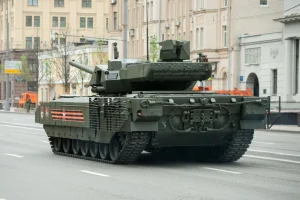
The World’s 10 Most Powerful Land Warfare Systems in 2026
Summary Not Found.
Land warfare is being redrawn by precision fires, networked armor and active protection. From truck-mounted rocket artillery that strikes 80 kilometers away to fourth-generation main battle tanks, these are the ground systems shaping NATO doctrine and export markets. This ranking scores the ten most capable land warfare systems against eight rigorous criteria.
Each system is scored 0-10 across 8 criteria; the weighted total is out of 100.
Criterion
Weight
What It Measures
Operational Success
%18
Mission performance and operational reliability
Combat Experience
%16
Proven record in real conflicts
Technology Level
%16
Level of sensor, weapon and protection technology
Export Success
%12
International sales and contract volume
Operator Count
%10
Number of active operator nations
Upgrade Potential
%10
Availability of upgrade and modernization paths
Production Status
%10
Whether serial production continues
Cost-Effectiveness
%8
Unit price and life-cycle cost
Ranking Table
Rank
System
Origin
Score
#1
M142 HIMARS
United States
93.0/100
#2
M1A2 SEPv3 Abrams
United States
88.4/100
#3
Leopard 2A8
Germany
88.0/100
#4
K9 Thunder
South Korea
85.4/100
#5
K2 Black Panther
South Korea
85.0/100
#6
PzH 2000
Germany
80.6/100
#7
M270A2 MLRS
United States
80.0/100
#8
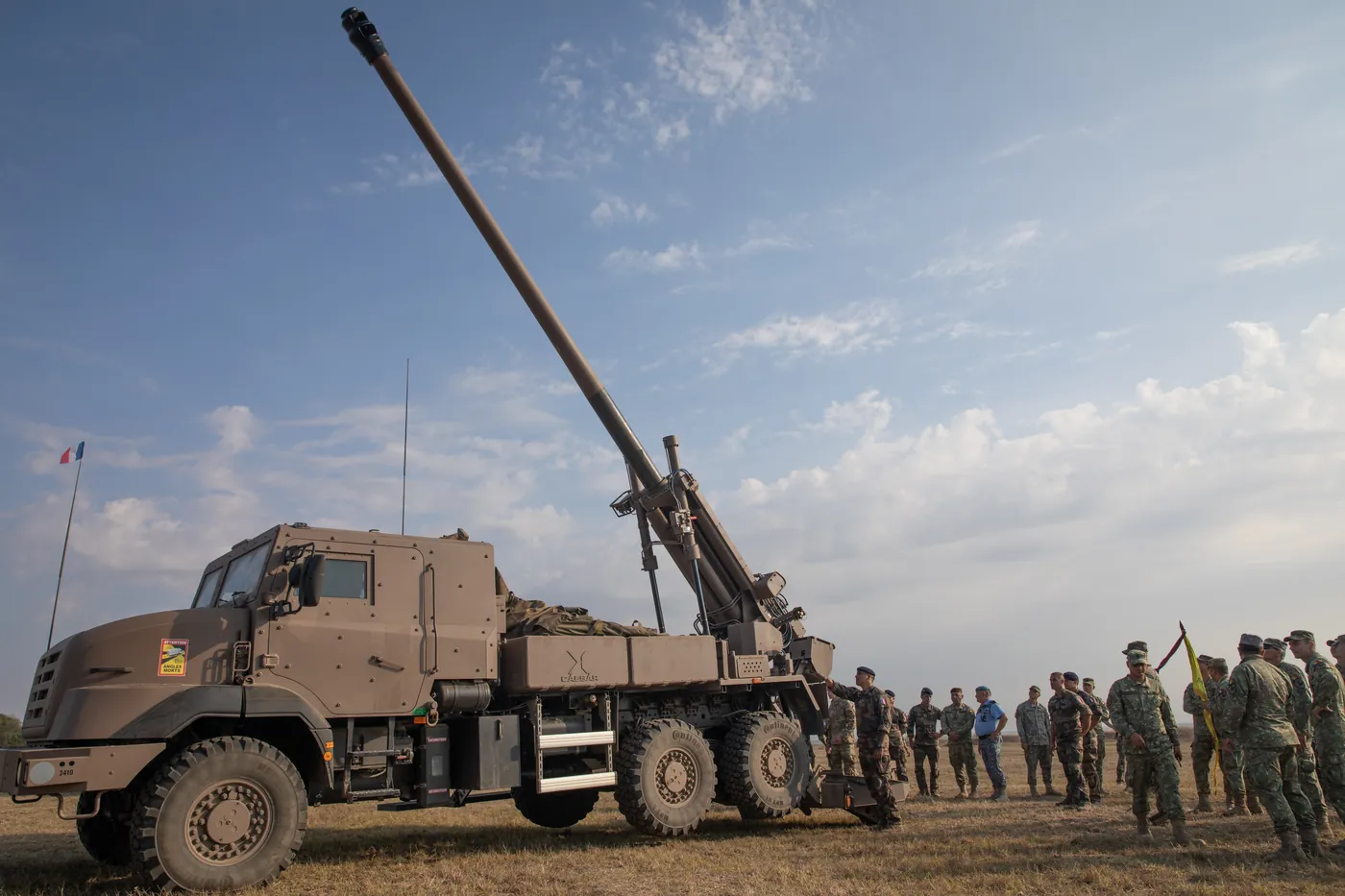
CAESAR 8×8
France
79.6/100
#9
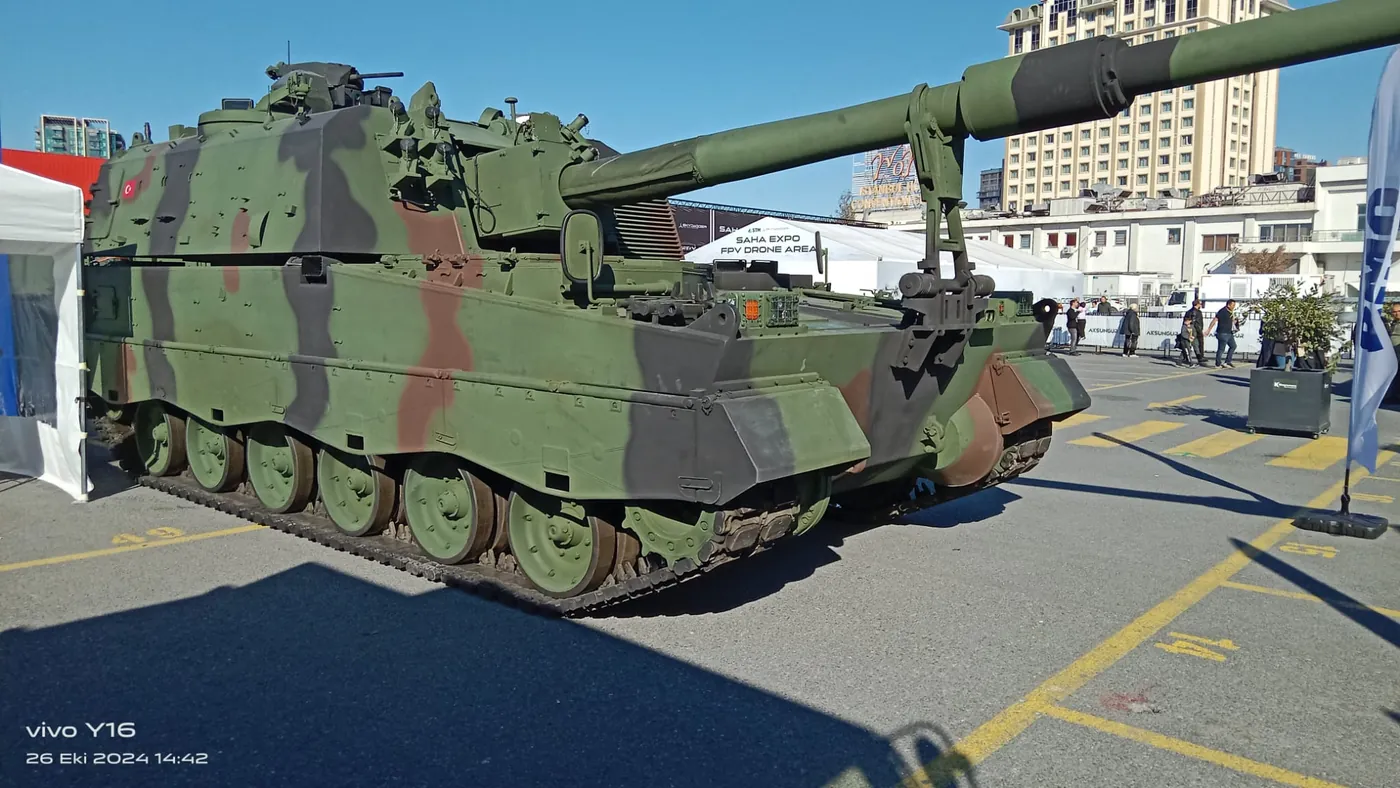
T-155 Firtina II
Turkiye
71.4/100
#10
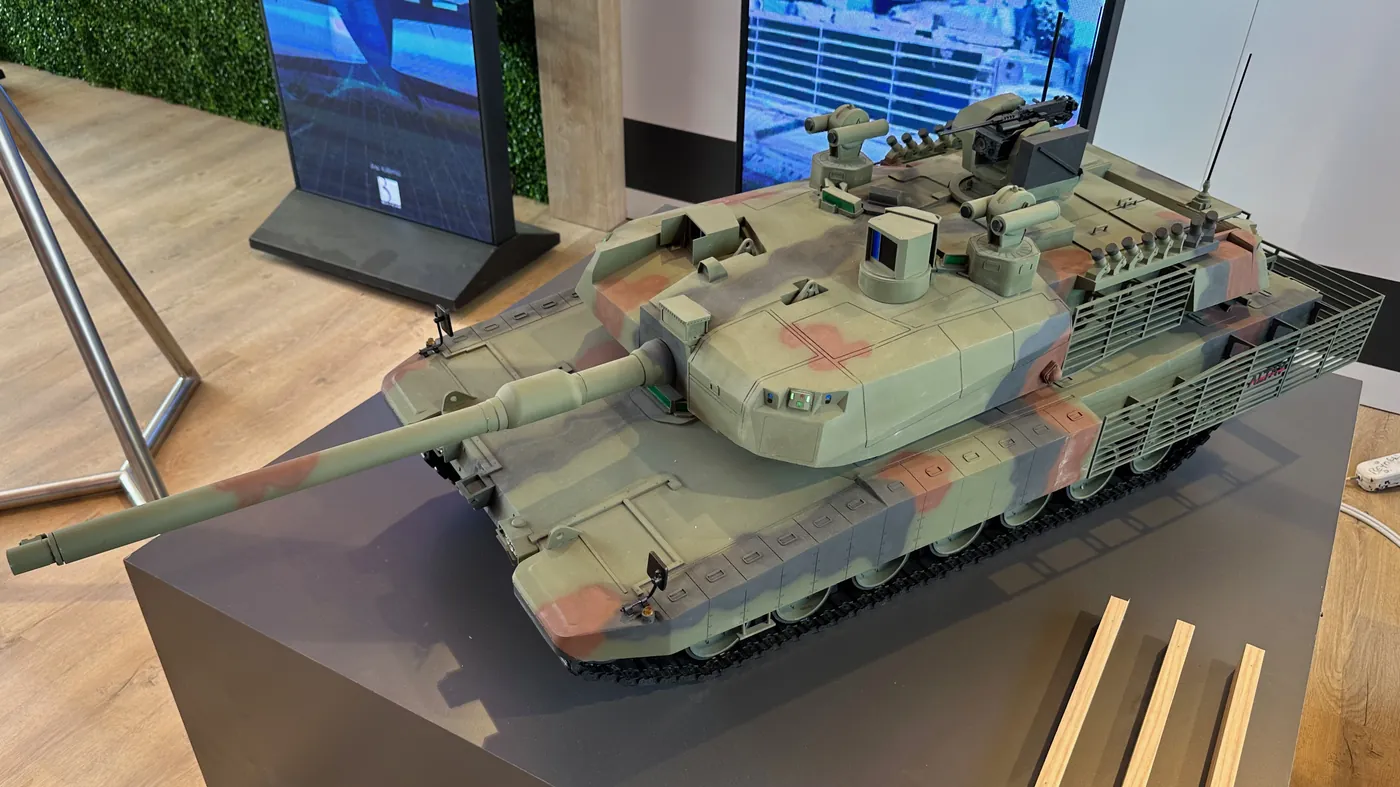
Altay
Turkiye
63.2/100
#1 — M142 HIMARS (United States) · 93.0/100
M142 HIMARS — Public domain
Score Breakdown — 93.0/100
Operational Success10/10
Combat Experience10/10
Technology Level9/10
Export Success10/10
Operator Count9/10
Upgrade Potential9/10
Production Status9/10
Cost-Effectiveness7/10
HIMARS has become the most influential land system of the decade, proven in combat and demanded by every modern army. Its shoot-and-scoot mobility lets it strike and relocate before counter-battery fire can respond.
With GMLRS, ATACMS and now the Precision Strike Missile, HIMARS turns a wheeled truck into a deep-strike platform. Export success across NATO and partner nations is unmatched in rocket artillery.
Key Specifications
Precision (CEP)
Under 10 m at 70+ km (GMLRS)
Chassis
FMTV 6×6 truck
Payload
Six GMLRS or one ATACMS
Range
Up to 300 km (ATACMS), 500 km (PrSM)
Crew
3
Mobility
C-130 air-transportable
#2 — M1A2 SEPv3 Abrams (United States) · 88.4/100
M1A2 SEPv3 Abrams — Public domain
Score Breakdown — 88.4/100
Operational Success10/10
Combat Experience10/10
Technology Level9/10
Export Success9/10
Operator Count9/10
Upgrade Potential8/10
Production Status9/10
Cost-Effectiveness4/10
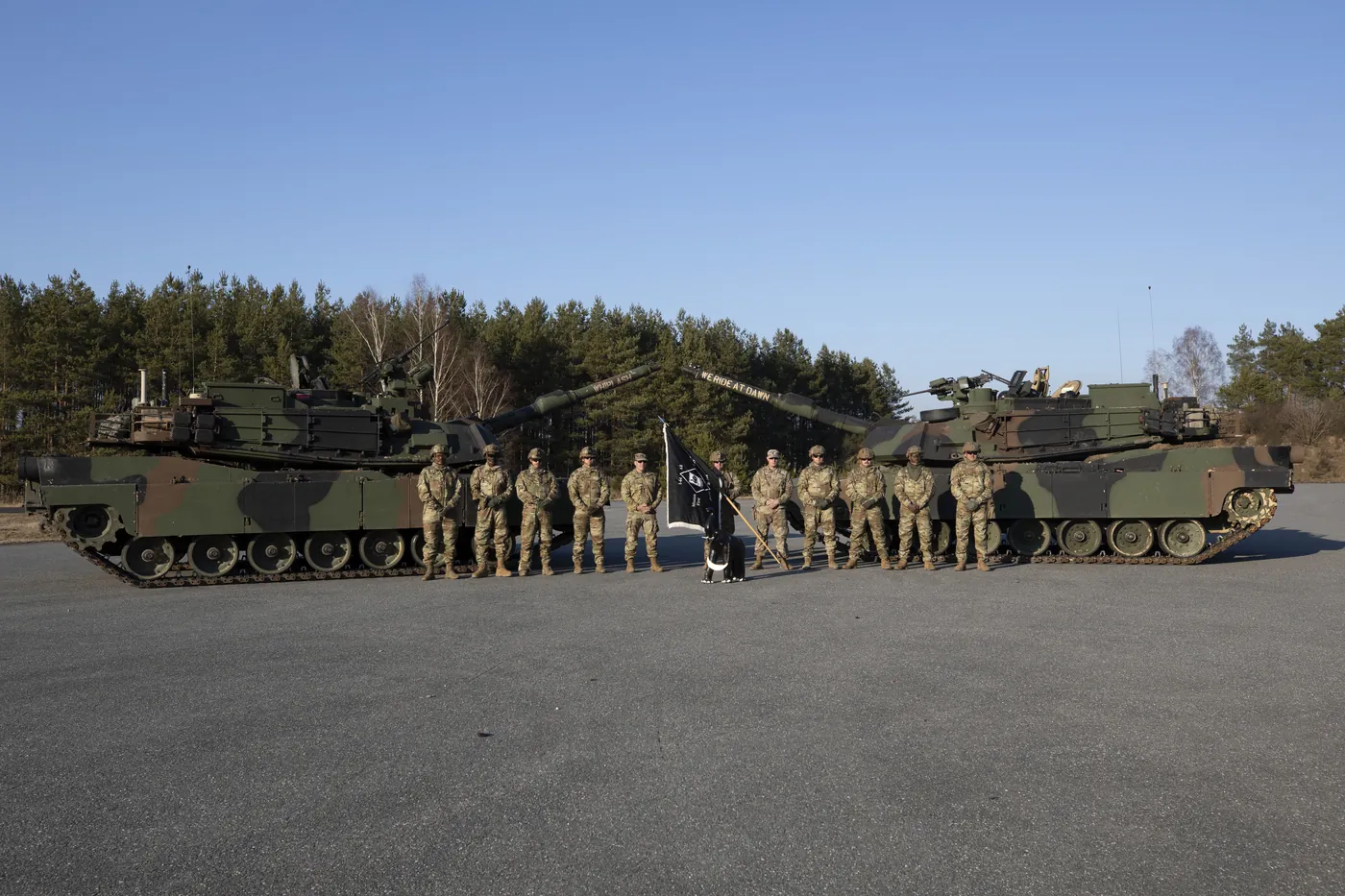
The M1A2 SEPv3 remains the benchmark against which every Western tank is measured. Decades of combat across the Gulf and beyond give it an unrivaled operational record.
Its gas turbine delivers superior power across a wide speed range, while the SEPv3 standard adds new armor, networking and ammunition data links. High fuel burn is its main trade-off.
Key Specifications
Engine
AGT1500 gas turbine, 1,500 hp
Main gun
120 mm M256 smoothbore
Armor
Composite + depleted uranium mesh
Weight
~66.8 t
Crew
4
Networking
Improved data links, ammunition data link
#3 — Leopard 2A8 (Germany) · 88.0/100
Leopard 2A8 — CC BY-SA 2.0
Score Breakdown — 88.0/100
Operational Success9/10
Combat Experience9/10
Technology Level9/10
Export Success10/10
Operator Count10/10
Upgrade Potential9/10
Production Status8/10
Cost-Effectiveness5/10
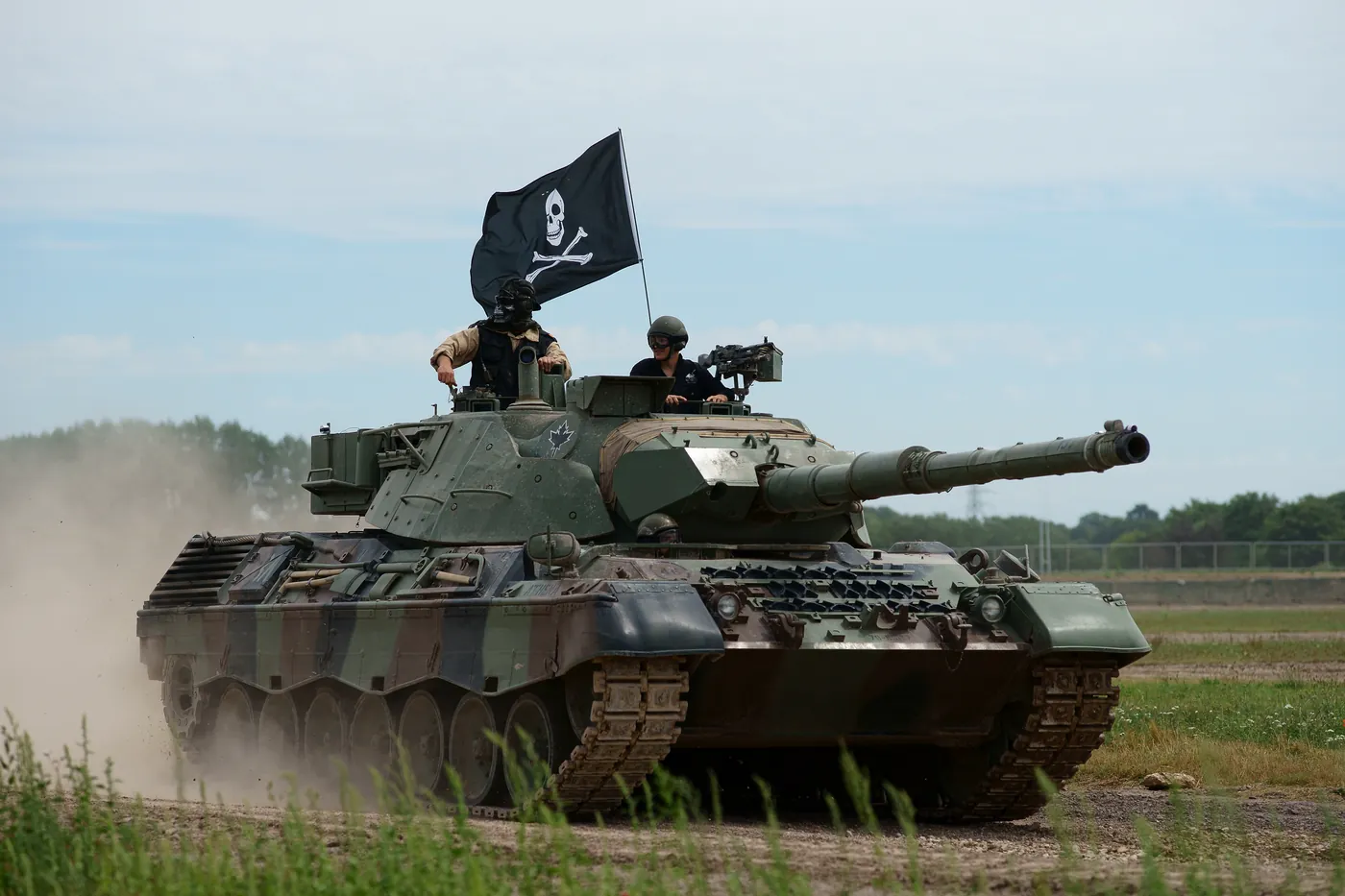
The Leopard 2 is the most widely fielded tank in NATO, and the 2A8 standard adds the Trophy active protection system and digital architecture. Its export footprint across 20+ nations is the deepest of any modern MBT.
Battle-tested across multiple theaters, the Leopard balances firepower, protection and reliability. Its enormous user base guarantees logistics, training and upgrade pathways for decades.
Key Specifications
Engine
MTU MB873 / MT883, ~1,500 hp
Main gun
120 mm Rh120 L/55A1
Protection
Trophy APS integrated
Weight
~66 t
Crew
4
Users
Widest MBT fleet in NATO
#4 — K9 Thunder (South Korea) · 85.4/100
K9 Thunder — CC BY 4.0
Score Breakdown — 85.4/100
Operational Success9/10
Combat Experience8/10
Technology Level8/10
Export Success10/10
Operator Count9/10
Upgrade Potential8/10
Production Status9/10
Cost-Effectiveness7/10
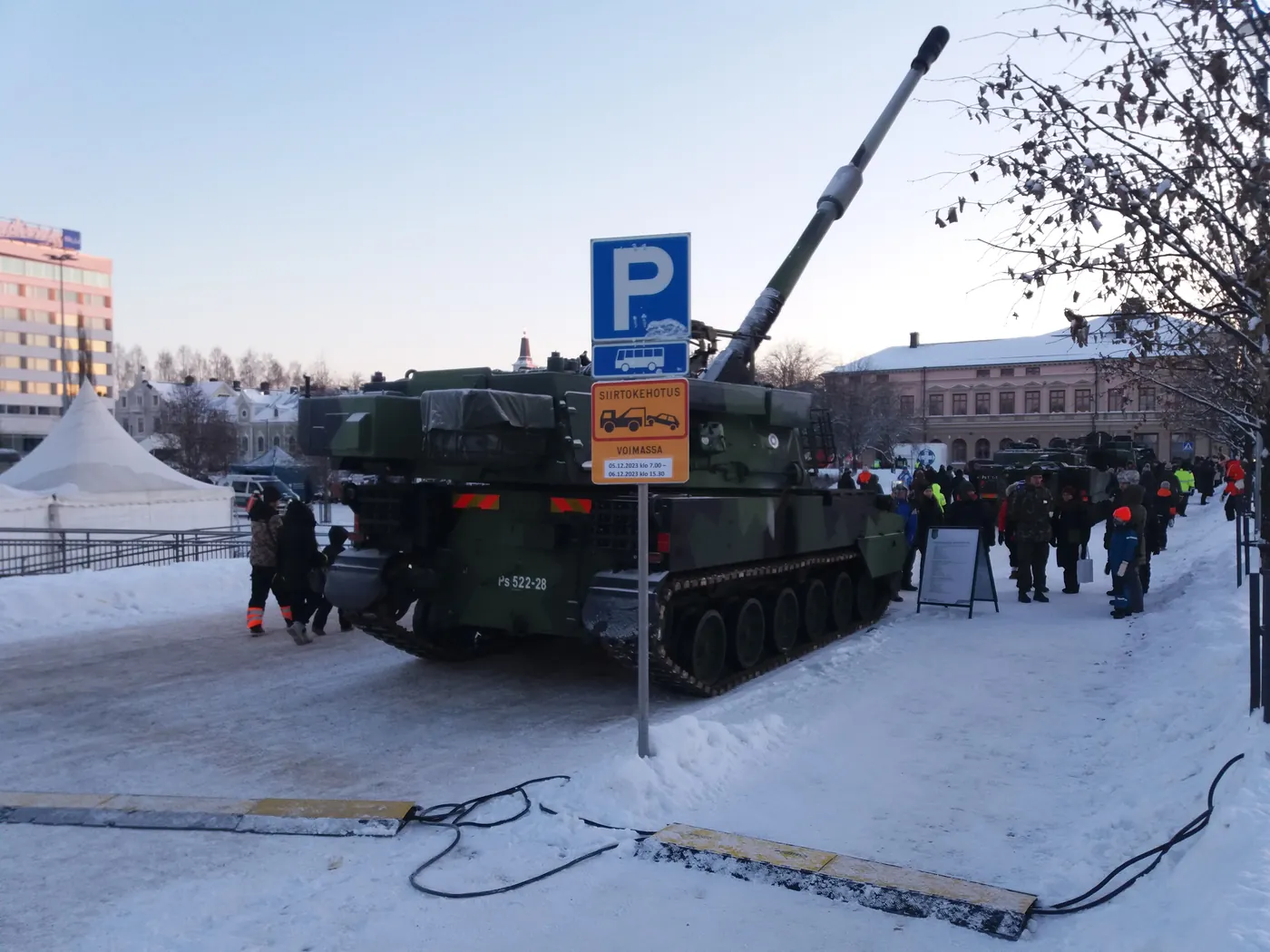
The K9 Thunder is the world’s best-selling self-propelled howitzer, adopted by Poland, Finland, Norway, Egypt, Australia and others. Its 155 mm/52 gun and mobility make it a NATO artillery workhorse.
The K9 also forms the technological basis of Turkiye’s T-155 Firtina, underscoring its export reach. Reliable, fast and exportable, it dominates the SPH market.
Key Specifications
Caliber
155 mm / 52-caliber
Range
40+ km (base-bleed)
Rate of fire
Up to 6-8 rounds/min
Chassis
Tracked
Crew
5
Engine
~1,000 hp diesel
#5 — K2 Black Panther (South Korea) · 85.0/100
K2 Black Panther — CC BY-SA 2.0
Score Breakdown — 85.0/100
Operational Success9/10
Combat Experience7/10
Technology Level10/10
Export Success9/10
Operator Count7/10
Upgrade Potential10/10
Production Status9/10
Cost-Effectiveness6/10
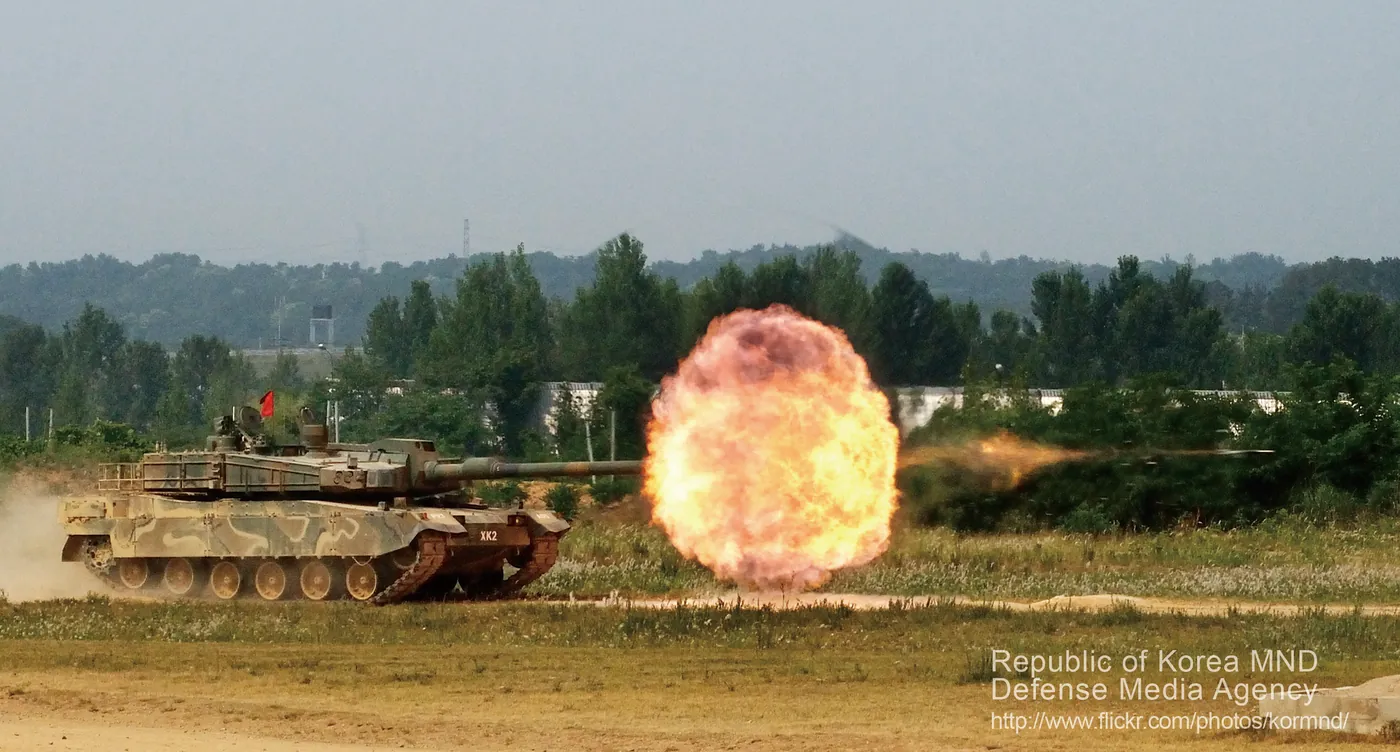
The K2 is arguably the most technologically advanced MBT in series production, with an autoloader, active suspension and integrated active protection. Its massive Polish export order reshaped European armor procurement.
Lighter than the Abrams yet heavily protected, the K2 platform also underpins Turkiye’s Altay. Its rapid production and competitive pricing make it a dominant export contender.
Key Specifications
Suspension
In-arm hydropneumatic (active)
Main gun
120 mm 55-caliber smoothbore
Autoloader
Yes (15 rounds/min)
Weight
~55 t
Crew
3
Protection
Soft + hard-kill APS, radar warning
#6 — PzH 2000 (Germany) · 80.6/100
PzH 2000 — CC BY 2.0
Score Breakdown — 80.6/100
Operational Success9/10
Combat Experience9/10
Technology Level9/10
Export Success8/10
Operator Count7/10
Upgrade Potential8/10
Production Status7/10
Cost-Effectiveness5/10
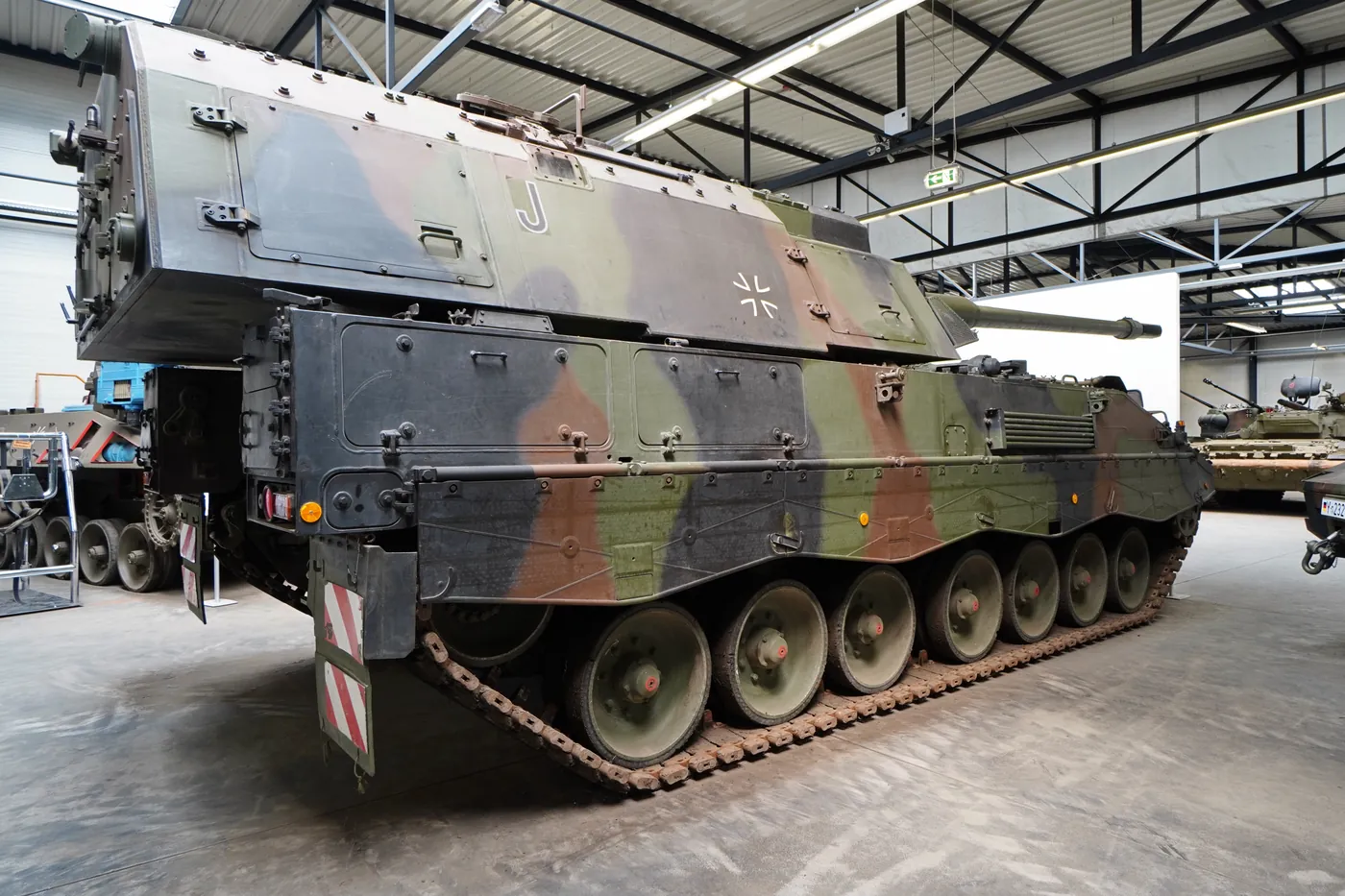
The PzH 2000 is widely regarded as the most capable Western tracked howitzer, with a sustained rate of fire and burst capability that few rivals match. Its combat use in Ukraine validated its precision and endurance.
Highly automated and accurate, the PzH 2000 commands a premium price but delivers benchmark performance. It anchors the high end of NATO tube artillery.
Key Specifications
Caliber
155 mm / 52-caliber
Range
30-56 km (assisted)
Burst fire
3 rounds in 9 seconds
Automation
Fully automated loading
Crew
5
Chassis
Tracked
#7 — M270A2 MLRS (United States) · 80.0/100
M270A2 MLRS — Public domain
Score Breakdown — 80.0/100
Operational Success9/10
Combat Experience9/10
Technology Level8/10
Export Success8/10
Operator Count8/10
Upgrade Potential8/10
Production Status7/10
Cost-Effectiveness5/10
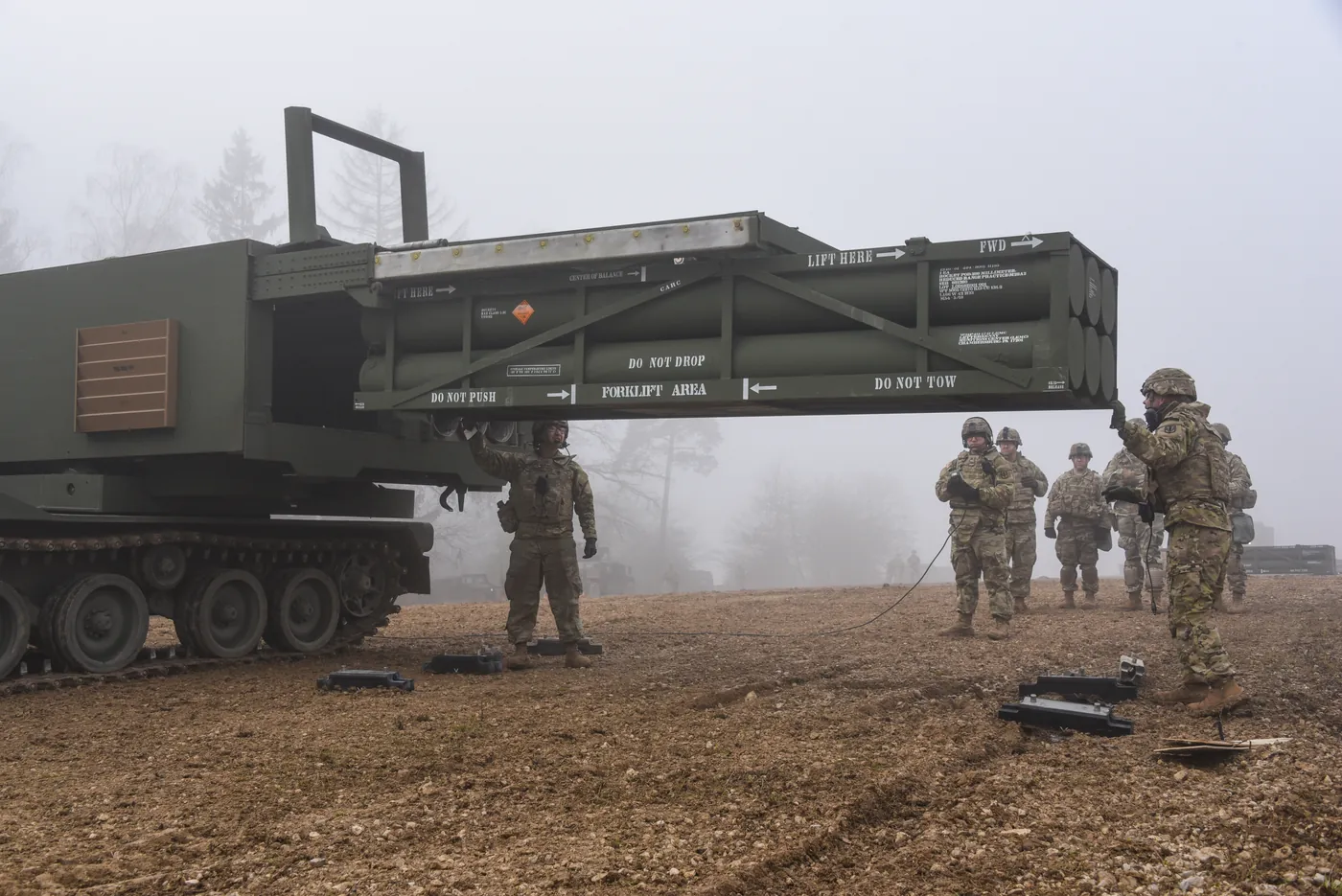
The M270A2 is the tracked cornerstone of NATO rocket artillery, carrying double the rocket load of HIMARS while keeping pace with armored brigades over rough terrain.
Modernized with new fire control and PrSM compatibility, it delivers heavy guided salvos at extended ranges. Its tracked mobility complements HIMARS in high-intensity warfare.
Key Specifications
Payload
Twelve GMLRS or two ATACMS
Chassis
Tracked (Bradley-derived)
Range
Up to 300 km (ATACMS)
Mobility
Moves with armored formations
Crew
3
Upgrade
Common Fire Control System
#8 — CAESAR 8×8 (France) · 79.6/100
CAESAR 8×8 — Public domain
Score Breakdown — 79.6/100
Operational Success8/10
Combat Experience8/10
Technology Level7/10
Export Success9/10
Operator Count8/10
Upgrade Potential8/10
Production Status8/10
Cost-Effectiveness8/10
The CAESAR exemplifies the wheeled, shoot-and-scoot howitzer concept, combining strategic mobility with 155 mm/52 firepower. Combat use in Ukraine proved its survivability and accuracy.
Lighter and cheaper than tracked rivals, the CAESAR has won broad export orders across Europe and beyond. Its mobility-first design suits dispersed, modern fires doctrine.
Key Specifications
Caliber
155 mm / 52-caliber
Range
40+ km
Chassis
Wheeled 8×8 (truck-mounted)
Shoot-and-scoot
Rapid in/out of action
Crew
3-5
Air transport
A400M deployable
#9 — T-155 Firtina II (Turkiye) · 71.4/100
T-155 Firtina II — CC0
Score Breakdown — 71.4/100
Operational Success8/10
Combat Experience7/10
Technology Level7/10
Export Success6/10
Operator Count5/10
Upgrade Potential8/10
Production Status8/10
Cost-Effectiveness8/10
The T-155 Firtina, built on K9 Thunder heritage, gives Turkiye a capable tracked howitzer with ASELSAN fire control and navigation. The Firtina II adds nationalized subsystems to cut foreign dependency.
Cost-effective and locally supported, the Firtina provides a strong artillery backbone. Ongoing indigenization improves its export prospects and sustainment.
Key Specifications
Caliber
155 mm / 52-caliber
Range
40+ km
Fire control
ASELSAN INS + FCS
Base
Derived from K9 Thunder
Crew
5
Engine
MTU MT 881 / indigenous upgrade
#10 — Altay (Turkiye) · 63.2/100
Altay — CC BY-SA 4.0
Score Breakdown — 63.2/100
Operational Success6/10
Combat Experience4/10
Technology Level9/10
Export Success5/10
Operator Count3/10
Upgrade Potential10/10
Production Status7/10
Cost-Effectiveness7/10
Turkiye’s Altay entered serial production in 2025 with the indigenous BATU 1,500 hp powerpack and ASELSAN’s AKKOR active protection. Based on the K2, it is among the most modern MBT designs entering service.
With 13 domestically engineered subsystems, the Altay reflects Turkiye’s drive toward sovereign armor. Combat record and export base are still forming, but its technology level is world-class.
Key Specifications
Powerpack
BATU V12 diesel, 1,500 hp (indigenous)
Main gun
120 mm 55-caliber smoothbore
Protection
AKKOR active protection system
Weight
~65 t
Crew
4
Subsystems
13 ASELSAN systems incl. FCS, IFF, RCWS
Technical Comparison Table
System
Origin
Key Spec
Score
M142 HIMARS
United States
Under 10 m at 70+ km (GMLRS)
93.0/100
M1A2 SEPv3 Abrams
United States
AGT1500 gas turbine, 1,500 hp
88.4/100
Leopard 2A8
Germany
MTU MB873 / MT883, ~1,500 hp
88.0/100
K9 Thunder
South Korea
155 mm / 52-caliber
85.4/100
K2 Black Panther
South Korea
In-arm hydropneumatic (active)
85.0/100
PzH 2000
Germany
155 mm / 52-caliber
80.6/100
M270A2 MLRS
United States
Twelve GMLRS or two ATACMS
80.0/100
CAESAR 8×8
France
155 mm / 52-caliber
79.6/100
T-155 Firtina II
Turkiye
155 mm / 52-caliber
71.4/100
Altay
Turkiye
BATU V12 diesel, 1,500 hp (indigenous)
63.2/100
Operating Nations
System
Operators
M142 HIMARS
United States, Poland, Romania, Estonia, Latvia, Australia, and NATO partners
M1A2 SEPv3 Abrams
United States, Poland, Australia, Taiwan, and Gulf operators
K2 Black Panther
South Korea, Poland (license production)
Leopard 2A8
Germany, Norway, Lithuania, Czechia and 20+ Leopard 2 operators
K9 Thunder
South Korea, Poland, Finland, Norway, Egypt, Australia, Estonia
United States, United Kingdom, Germany, France, Italy, Finland
T-155 Firtina II
Turkiye, Azerbaijan
CAESAR 8×8
France, Belgium, Czechia, Lithuania, Ukraine, Denmark
Frequently Asked Questions
What is the most powerful land warfare system in 2026?
The M142 HIMARS leads this ranking for its combat-proven precision, shoot-and-scoot survivability and unmatched export demand. By pairing GMLRS, ATACMS and PrSM munitions on a mobile truck, it delivers deep strike that has reshaped ground warfare doctrine across NATO.
How does Turkiye’s Altay tank compare to the M1 Abrams and Leopard 2?
The Altay is one of the most modern MBT designs, entering serial production in 2025 with an indigenous BATU 1,500 hp powerpack and AKKOR active protection. It matches Western tanks in technology and protection, though the Abrams and Leopard 2 hold decisive advantages in combat record and operator base.
Why are South Korean systems ranked so highly?
The K2 Black Panther and K9 Thunder combine cutting-edge technology with aggressive pricing and rapid production, winning landmark export deals in Poland and across Europe. Both platforms also serve as the basis for Turkiye’s Altay and Firtina, underlining their global influence.
Wheeled or tracked artillery: which is better?
It depends on doctrine. Wheeled systems like CAESAR and HIMARS prioritize strategic mobility and rapid repositioning, while tracked systems like PzH 2000, K9 and M270A2 offer cross-country mobility alongside armored formations and heavier sustained fire. Modern armies increasingly field both.
What role does active protection play in modern tanks?
Active protection systems (APS) such as Trophy on the Leopard 2A8 and AKKOR on the Altay intercept incoming anti-tank munitions before impact. Against the proliferation of guided missiles and loitering munitions, APS has become essential to MBT survivability.