Cüneyt Özdemir: Canada, Once an Embargo-Imposer, Now Looks to Türkiye’s Defence-Industry Model

Journalist Cüneyt Özdemir and his guest Kenan Taş discussed Prime Minister Mark Carney’s Ankara visit and the defence-industry memorandum signed there. The two read Canada’s closer look at the Turkish defence-industry model, after it once halted export permits to Türkiye, as the result of a road that led from embargo to home-grown technology.
What Was Said on the Programme
Özdemir said Prime Minister Mark Carney’s contacts in Türkiye and the defence-industry agreement signed during the visit had not been discussed much in public, and handed the floor to Kenan Taş. Taş said Canada has recently been moving closer to both Europe and Türkiye, but that the relationship has a history.
According to Taş, the optical cameras used on Bayraktar drones were once bought from Canada. After the Nagorno-Karabakh war Canada objected to the cameras reaching Azerbaijan and halted exports to Türkiye. Türkiye then developed these systems itself through ASELSAN, led by the Defence Industry Agency (SSB). Taş said they are exported to 15 countries today; the figure is the speaker’s own.
In Taş’s words, Canada is now trying to take Türkiye’s defence-industry model as an example. We earlier reported on Canada’s plan to use the SSB as a model.
From Embargo to National Capability
Özdemir recalled that Türkiye wrote its own defence-industry story on a path triggered by embargoes. Taş noted that US arms restrictions after the 1974 Cyprus Peace Operation were one of the main reasons behind the founding of ASELSAN, and that problems in obtaining Israeli Heron drones in the 2000s also shaped Bayraktar’s development.
Özdemir said that about seven years ago, at Baykar’s factory, he asked Selçuk Bayraktar about the restrictions. By his account Bayraktar replied that such obstacles motivated them, that they would not fly blind if others refused to supply, and that they would develop their own solutions. Özdemir also recalled that domestic drones were belittled in those years with remarks like “the camera is Canadian, the engine is German”, and said “look how far we have come”.
The Canadian timeline supports that framing: Ottawa halted new export permits to Türkiye in October 2019, suspended permits for L3Harris WESCAM systems used by Baykar in October 2020, cancelled them in 2021 and lifted the restrictions in January 2024. The country that once cut off trade in those systems is now signing a defence-industry partnership memorandum in Ankara.
Praise for Haluk Görgün and the Defence Industry
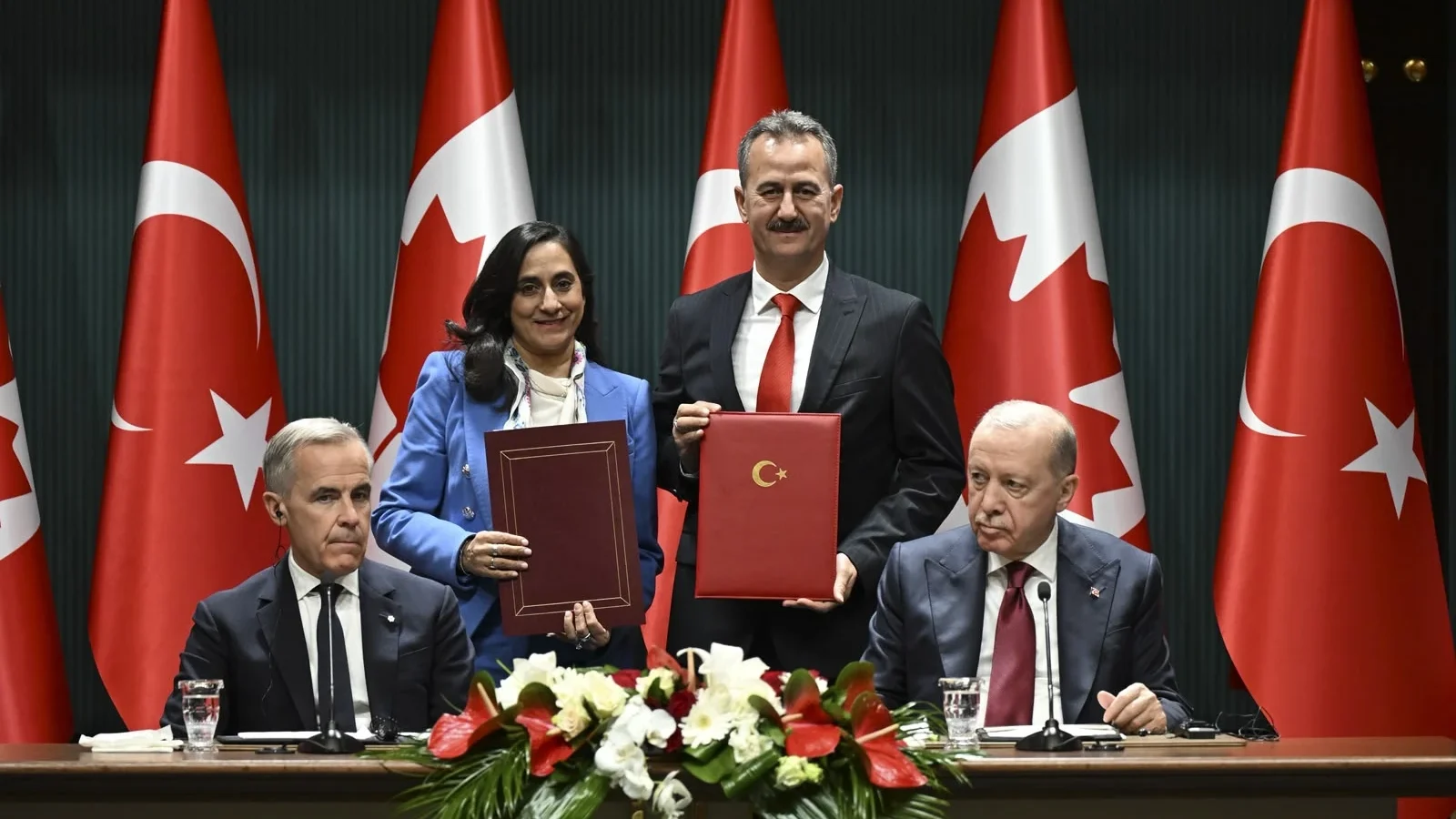
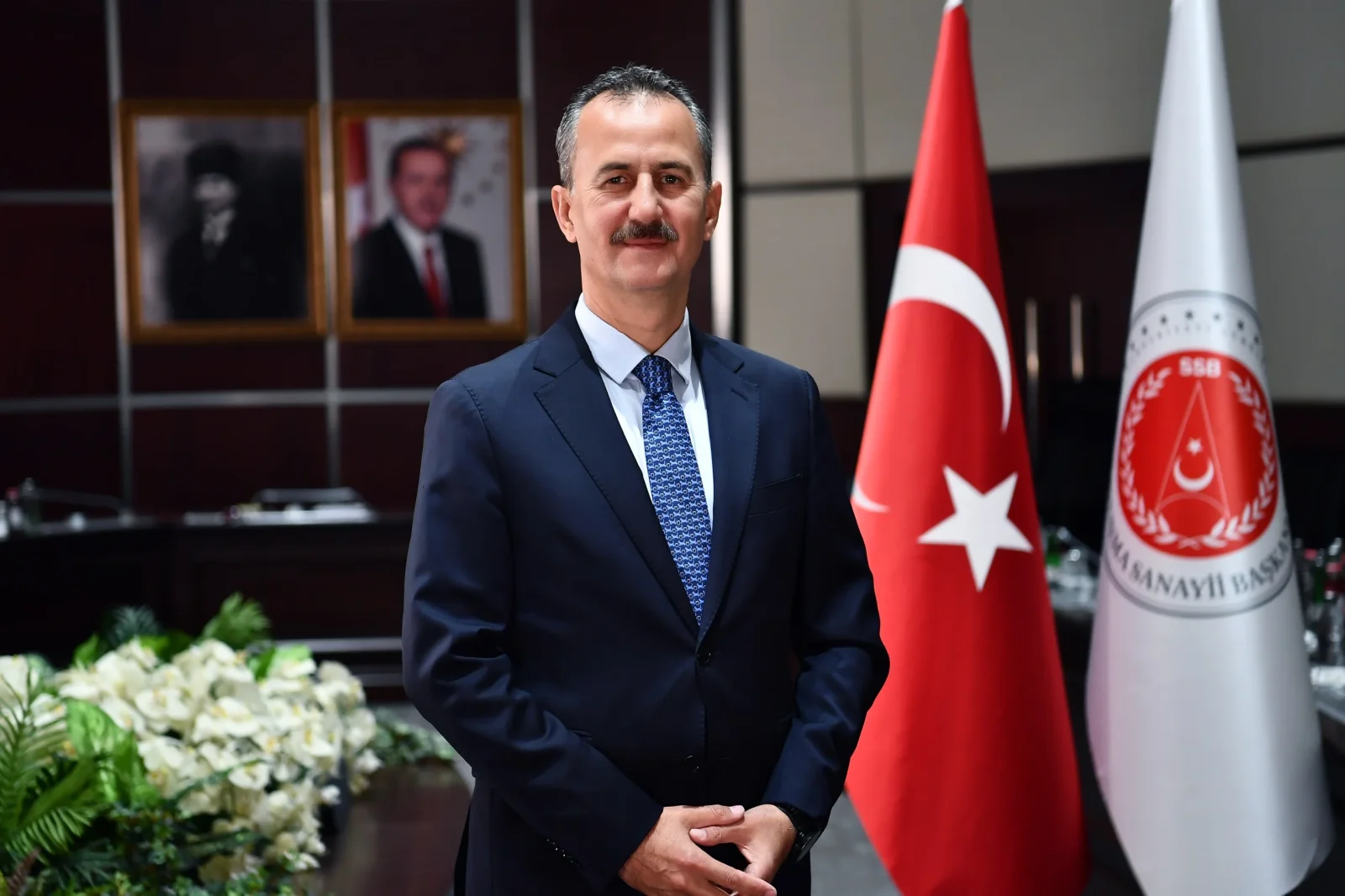
In the photograph shown on the programme, Carney is pictured with SSB President Prof. Dr. Haluk Görgün, Baykar CEO Haluk Bayraktar and ASELSAN’s general manager. Taş said the meeting showed that Canada is closely studying Türkiye’s defence-industry model and the structure that runs it.
The picture suggests that the coordination system built by the SSB under Görgün is now seen as a model abroad too. The structure, which links public requirements to exports through institutions, companies and universities, speaks to a country like Canada that wants to rebuild its supply chain. Görgün has earlier said that Türkiye exports to 185 countries and 56% of exports go to the EU and NATO (in Turkish).
Özdemir added that Canada has set a 70% localisation target in defence while Türkiye is at about 83%, and that Canada’s goal of producing 10 million drones in ten years had been mentioned, as well as Türkiye’s strong position in new concepts such as drone swarms.
A Note on the Numbers
The programme’s figures are the speakers’ own and differ among themselves: Taş said localisation was approaching 85%, Özdemir said about 83%, and defence and aerospace exports were said to exceed $11 billion. The 2027 Presidential Annual Programme announced on 27 October gives localisation at 82.3% for 2025 and an export baseline of $10.1 billion, with 2027 targets of 84% and $11.5 billion.
Canada’s 70% localisation target, the 10-million-drone plan and the suggestion that Canada could buy Bayraktar drones were raised on the programme and have not been confirmed by an official Canadian statement. This report rests on remarks made on the programme.