A First for Bayraktar AKINCI: LAÇİN Performs Autonomous Target Selection With TV Seeker

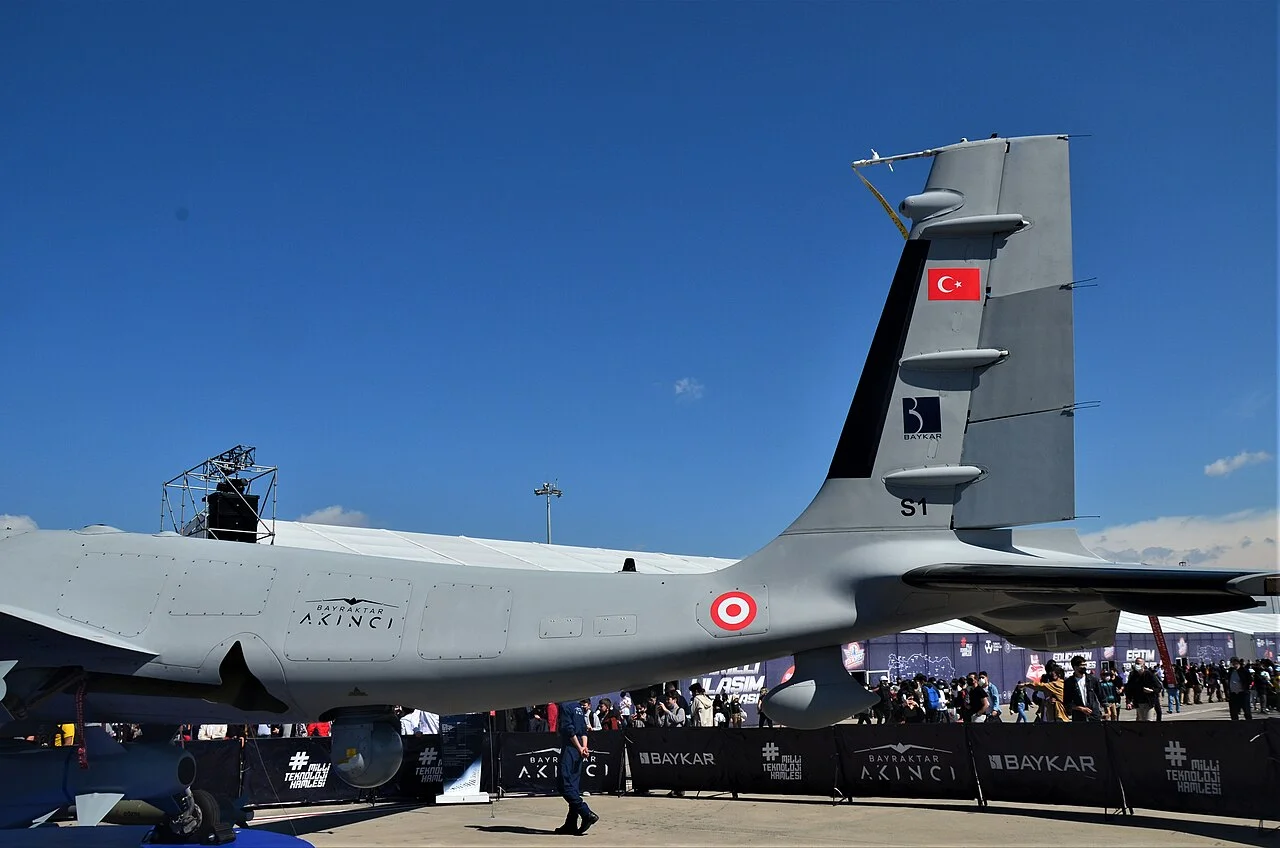
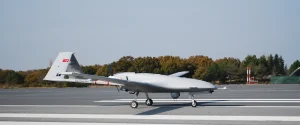
Baykar’s heavy-class unmanned combat aerial vehicle, Bayraktar AKINCI, hit its designated targets with full accuracy in a recent munitions firing test using two MAM-L smart micro munitions and one Autonomous LAÇİN TV munition. The development was listed among Turkish defence industry’s recent highlights in the weekly roundup published by Turkey’s Presidency of Defence Industries (SSB) on 26 October 2026.
The standout element of the test was that LAÇİN, developed by missile maker ROKETSAN, demonstrated autonomous target selection using a TV seeker head on the AKINCI platform for the first time. ROKETSAN officials said the capability means the munition can recognise and lock onto a target through image processing without human intervention during the terminal phase of flight.
MAM-L is known as the mid-size member of ROKETSAN’s mini smart munition family and already serves on Bayraktar TB2, Bayraktar AKINCI and a range of other UAV and UCAV platforms. LAÇİN, a more recent addition to the same family, stands out for its TV seeker head, which allows it to autonomously detect and strike both moving and static targets.
AKINCI has been in Turkish Armed Forces service since 2021 as a long-endurance, high-altitude strike UAV. The platform forms the backbone of Turkey’s UAV/UCAV-based strike capacity thanks to its ability to carry multiple munition types simultaneously and integrate with a range of sensor packages. Adding next-generation capabilities such as autonomous target selection is intended to accelerate the decision loop without removing the human from the firing decision itself.
Autonomous target-selection technology matters in particular for maintaining mission effectiveness in electronic-warfare-heavy environments where data links can be disrupted. A munition that can verify its target by processing imagery from its own TV seeker, rather than depending continuously on satellite or data-link connectivity, is considered more resilient against electronic countermeasures.
The test also illustrates how far platform-munition integration between Baykar and ROKETSAN has progressed. One notable feature of Turkey’s UAV/UCAV export offering is that platforms are marketed not merely as airframes but as integrated packages bundled with a domestically developed munitions family. AKINCI’s demonstrated performance with LAÇİN and MAM-L stands as a reference point reinforcing the platform’s position in export markets.
Independent industry sources corroborated details of the test. Statements attributed to ROKETSAN’s senior management described LAÇİN’s autonomous target-selection capability as taking the munition’s “fire-and-forget” logic a step further: the operator makes only the initial targeting decision, while the munition itself verifies the target and determines the impact point during flight, a feature intended to improve hit probability against moving or partially obscured targets.
SSB’s weekly bulletin listed the test among the past week’s key developments and summarised the results as having been “successfully completed.” The agency did not disclose the exact date of the test or the range where it took place.
Sources
- Presidency of Defence Industries (SSB), “What Happened in Turkish Defence Industry This Week?”, ssb.gov.tr, 26 October 2026 — used for official confirmation of the test.