Germany Clears €6.3B Funding for TKMS F128 Frigates

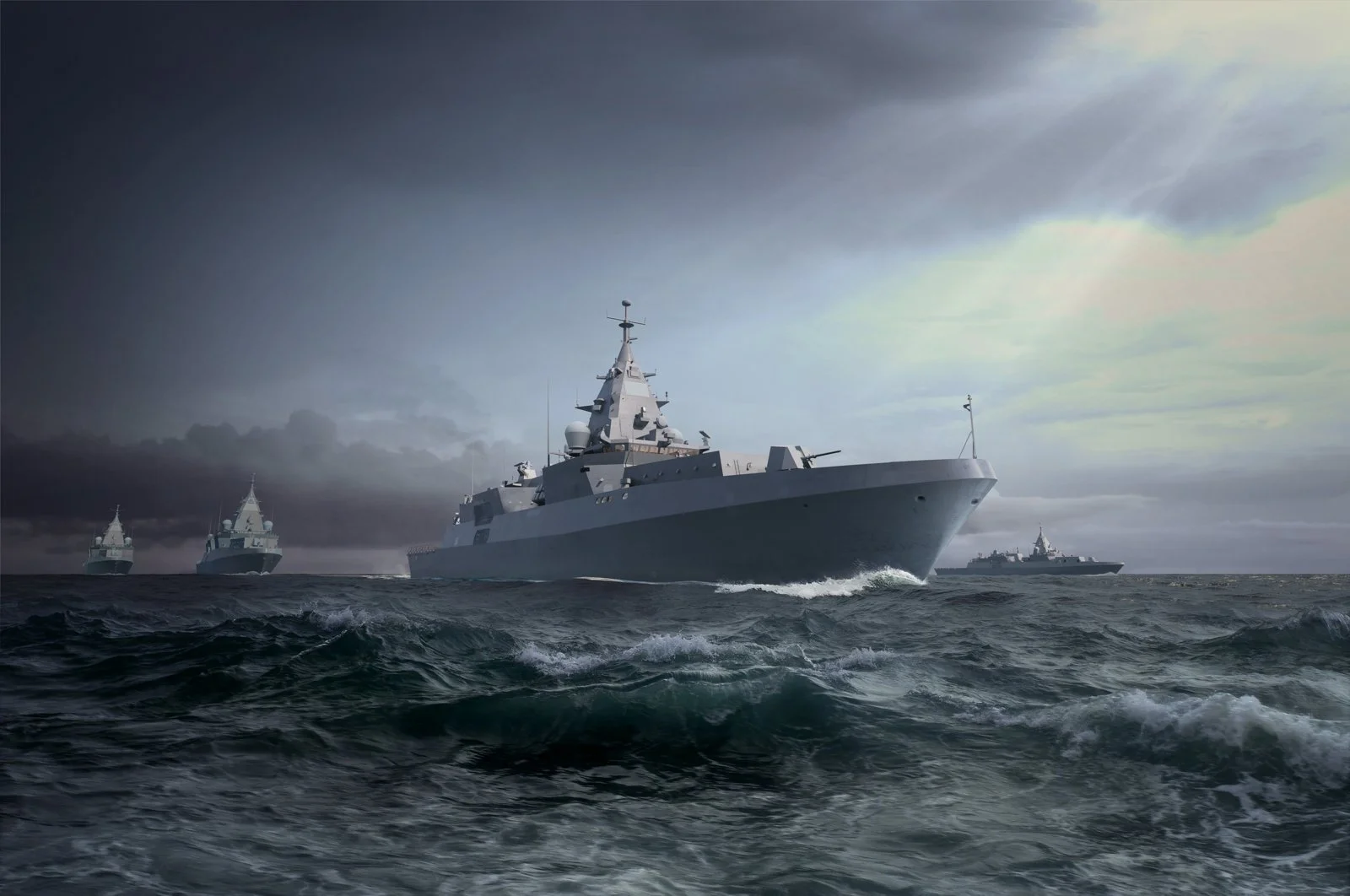
Germany’s Bundestag Budget Committee approved €6.3 billion in funding on July 8, 2026, for four MEKO A-200 DEU-class frigates to be built by thyssenkrupp Marine Systems (TKMS). Designated F128 in German Navy service, the ships represent what TKMS describes as the largest surface vessel contract in the company’s history.
Conditions attached to the approval
Lawmakers did not sign off unconditionally. With the program showing roughly a 70 percent cost increase over initial estimates, the committee attached a requirement that it be kept fully and regularly informed of the project’s progress going forward. Preparatory construction work at TKMS had already begun ahead of the vote, a sign the approval was broadly anticipated. “We welcome today’s approval… This decision is an important step toward strengthening the capabilities of the German Navy,” TKMS CEO Oliver Burkhard said in a statement, adding that the choice of the MEKO A-200 DEU “also sends an important signal to the maritime security and defense industry.”
From a cancelled F126 to the MEKO A-200
The vote follows Germany’s earlier cancellation of the €10 billion F126 frigate program, after cost overruns and schedule slippage pushed Berlin toward a proven, more scalable design instead. This week’s funding decision moves that pivot into a contractual reality — parliamentary clearance now opens the way for the formal signing of the build contract.
A platform built around anti-submarine warfare
The MEKO A-200 DEU is TKMS’s German Navy-specific variant of the MEKO A-200 family, a design already in service with several navies worldwide. Its priority mission is anti-submarine warfare, addressing growing Russian submarine activity in the Atlantic. The modular architecture lets sensor and weapon fits be tailored to mission needs without a full redesign, a flexibility TKMS has repeatedly cited as central to the platform’s cost efficiency.
Delivery schedule and options
Under the approved contract, the first ship is due for delivery in December 2029, with subsequent vessels following roughly every nine months. The current funding covers four hulls, but the contract carries an option for four more. If exercised, the fleet would grow to eight ships at a combined program value of approximately €11.6 billion.
NATO context
The decision lands just days after NATO’s 2026 Summit in Ankara, where allies pledged to accelerate naval investment amid rising submarine and surface threats in the Atlantic and Baltic. Germany’s push to modernize its frigate fleet fits a broader alliance-wide pattern of accelerated maritime procurement. The MEKO family’s modular, series-production logic has also long been a reference point for Türkiye’s own frigate and corvette programs, including the MİLGEM family and its export offshoots.
Rival frigate programs across Europe
The MEKO A-200 DEU is one of several major frigate programs running concurrently across Europe. France and Italy’s jointly developed FREMM multi-mission frigates, and Naval Group’s export-oriented FDI Belharra class, form part of a broader continental modernization wave. Germany’s choice of the MEKO A-200 signals a preference for fielding a field-proven design quickly and without added risk, following the cost and schedule troubles that sank the F126.
Shipyard and supply-chain impact
The contract translates into a substantial production run through TKMS’s supply chain, centered on its main shipyard in Kiel. The committee’s recurring-briefing requirement reflects a pattern seen across several large European defense programs in recent years, as parliaments push for closer oversight after cost and schedule troubles like those that sank the F126. For TKMS, the deal is not just a four-ship production line — the option for four additional hulls effectively guarantees the yard’s workload well into the next decade.
Sources: TKMS Group press release (July 8, 2026, official company statement), Naval News (July 8, 2026), Army Recognition (July 9, 2026).