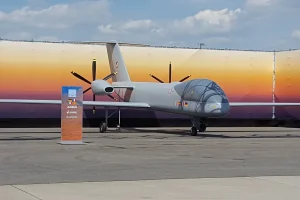
FULMAR 500-A: The Airborne AESA Radar Giving Turkish Drones a God’s-Eye View of the Sea

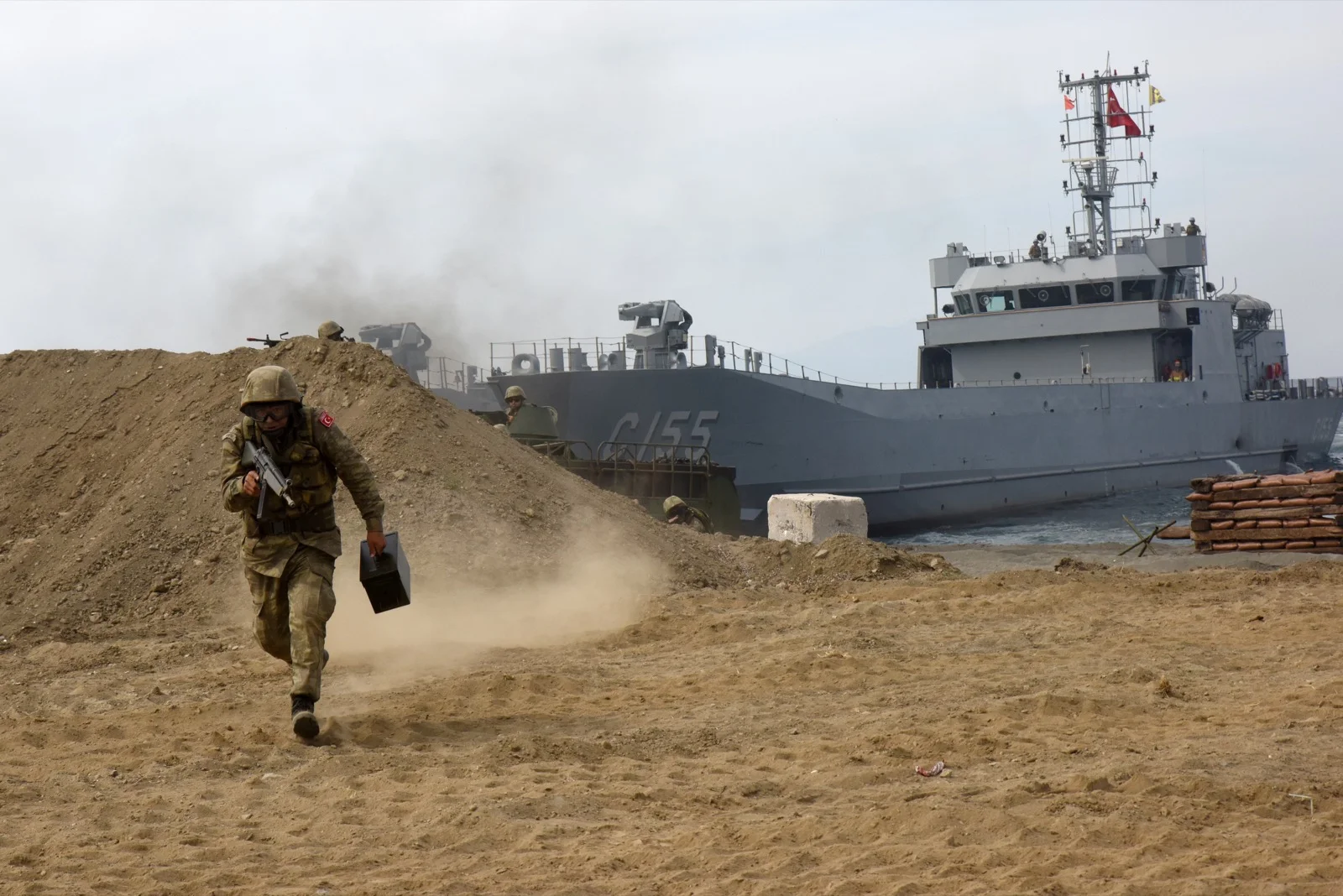
Cameras win headlines, but radars win oceans. No electro-optical sensor, however sharp, can sweep tens of thousands of square kilometres of sea in all weather, day and night. That job belongs to radar — and for Türkiye’s maritime patrol drones, it increasingly belongs to ASELSAN’s FULMAR 500-A, a multi-function AESA surveillance radar that photographs ships with radio waves and spots periscope-sized targets among the waves.
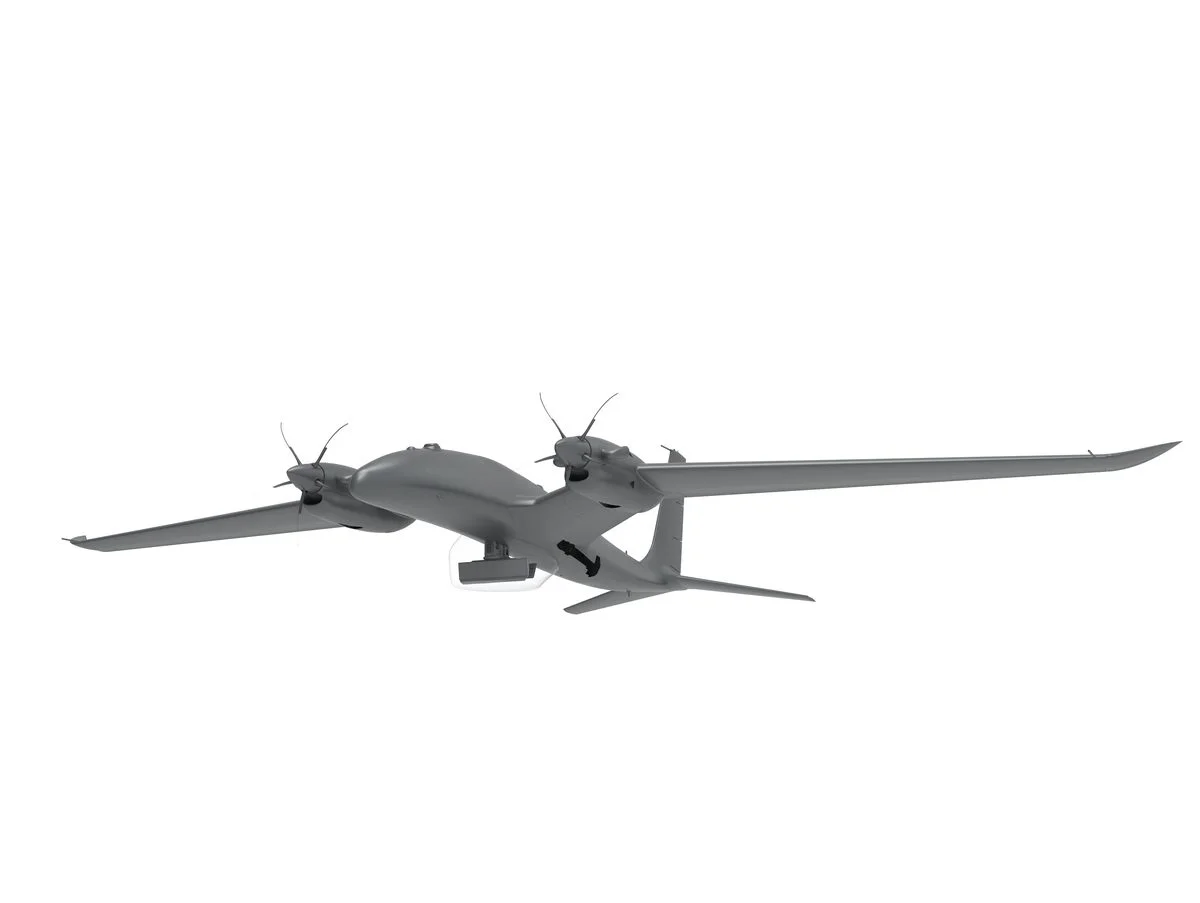
The FULMAR 500-A is an active electronically scanned array (AESA) reconnaissance and surveillance radar designed for integration on UAVs and manned reconnaissance aircraft. Developed to meet the day/night, all-weather requirements of naval forces, it performs sea search and simultaneous detection and tracking of surface, air and land targets, building what naval officers call the recognised maritime picture — the live map of everything moving in a patrol area.
A radar that takes pictures
Beyond detection and tracking, the FULMAR 500-A is an imaging sensor. Its synthetic aperture radar (SAR) modes — both wide-area stripmap and high-resolution spotlight — produce photograph-like images of terrain through cloud and darkness. Over water, inverse SAR (ISAR) exploits a vessel’s own motion to render its profile, letting operators classify a ship by type rather than just see a blip. A ground moving target indication (GMTI) mode picks out vehicles moving on land, extending the radar’s utility from blue water to the coastline and beyond.
Key specifications
| Type | Multi-function airborne AESA with digital beamforming and agile beam steering |
| Platforms | UAVs and manned reconnaissance aircraft |
| Missions | Air-to-air and air-to-ground; sea search with surface/air/land target tracking |
| Imaging | Stripmap and spotlight SAR, ISAR ship classification, GMTI |
| Special modes | Small target, short range, weather detection, search-and-rescue transponder (SART) |
| Resilience | Multi-channel receiver anti-jam architecture, graceful degradation |
From smugglers’ skiffs to search and rescue
The mode list reads like a catalogue of modern maritime missions. A dedicated small-target mode hunts low-profile boats — the preferred vessels of smuggling and infiltration — that conventional radars lose in sea clutter. A weather detection mode warns crews around storm cells. A search-and-rescue transponder (SART) mode locates survivors’ distress beacons, making the same radar that tracks hostile fleets in wartime an instrument for saving lives in peacetime.
Built for contested spectrum
ASELSAN designed the FULMAR 500-A on the assumption that the electromagnetic spectrum will be contested. Its multi-channel receiver architecture provides resistance to jamming, and the system degrades gracefully — losing performance progressively rather than failing outright when components are damaged. The radar algorithms are indigenously developed, which means they can be updated against emerging threats on Ankara’s schedule, not a foreign vendor’s, and the system integrates directly with naval combat management systems.
Why it matters
The Eastern Mediterranean, the Aegean and the Black Sea are among the most contested waters on earth, and surveillance is the currency of presence. A drone fitted with the FULMAR 500-A can hold a patrol station for a day and map every vessel within its reach — without risking a crew. Paired with platforms like the AKINCI and Aksungur, this radar turns Türkiye’s UAV fleet into a persistent maritime surveillance network, and adds one more entry to the list of sensor technologies Ankara no longer needs to import.