TUSAŞ AKSUNGUR Deliveries Explained: How Many, and the Navy’s Maritime Role
Summary Not Found.
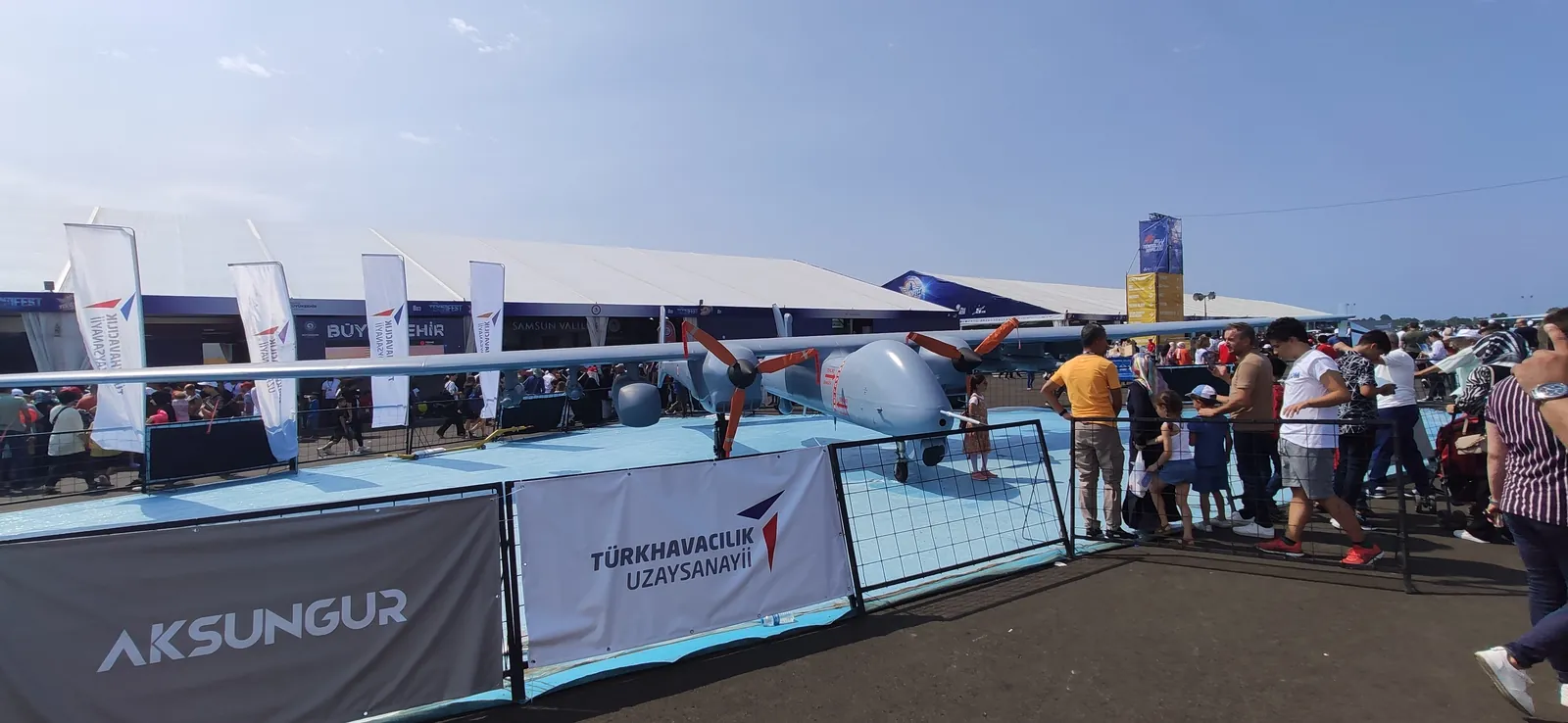
The TUSAŞ AKSUNGUR high-payload twin-engine UAV. Source: Wikimedia Commons (CC).
AKSUNGUR is a high-payload, twin-engine unmanned aerial vehicle developed by Türkiye’s TUSAŞ. Built on the ANKA program, AKSUNGUR offers a wider wingspan, twin indigenous PD-170 engines and up to 750 kg of payload, designed for long-endurance maritime patrol, ISR and precision strike. First delivered to the Turkish Naval Forces on 20 October 2021, AKSUNGUR has — per open sources — been fielded in 5 units across the Navy, Air Force and special missions. This dossier compiles AKSUNGUR’s delivery timeline, operators, production status and technical data from open sources.
Contents: Tap each heading to expand or collapse — what AKSUNGUR is, operators, first delivery, how many, maritime role, timeline, specifications, twin PD-170 engines and FAQ.
What is AKSUNGUR?
AKSUNGUR is the heavy, high-payload member of the ANKA family. With a wingspan exceeding 24 m and a twin-engine layout, it carries far more payload and stays aloft far longer than single-engine peers, making it ideal for the uninterrupted surveillance of large maritime areas.
Fitted with electro-optical/infrared cameras, synthetic-aperture radar (SAR) and various smart munitions, AKSUNGUR performs day-and-night ISR as well as precision strike. Its high payload allows different sensor and weapon combinations on a single sortie.
Which institutions operate it?
The lead operator is the Naval Forces Command, which first fielded the type with its 312th UAV Squadron. Later deliveries brought the Air Force and special-mission units into the operator base.
Operator (Türkiye)
Status
Naval Forces Command
Active (lead operator — maritime patrol)
Air Force Command
Active
Special-mission units
Active
When was the first delivery? How is serial production progressing?
AKSUNGUR was unveiled at IDEF 2019 and first flew the same year. After extensive testing it entered service with the Turkish Navy on 20 October 2021.
TUSAŞ builds AKSUNGUR in Ankara. A key milestone was the fully indigenous PD-170-powered AKSUNGUR entering inventory in December 2025, with production accelerating as engine supply scales.
How many have been delivered?
Per open sources, a total of 5 AKSUNGUR have been delivered to date for the Navy, Air Force and special missions. On the engine side, 40 TEI PD-170 units have been delivered for the ANKA and AKSUNGUR programs, and a new contract for 100 more was signed at SAHA 2026 — pointing to a clear increase in AKSUNGUR production in the coming years.
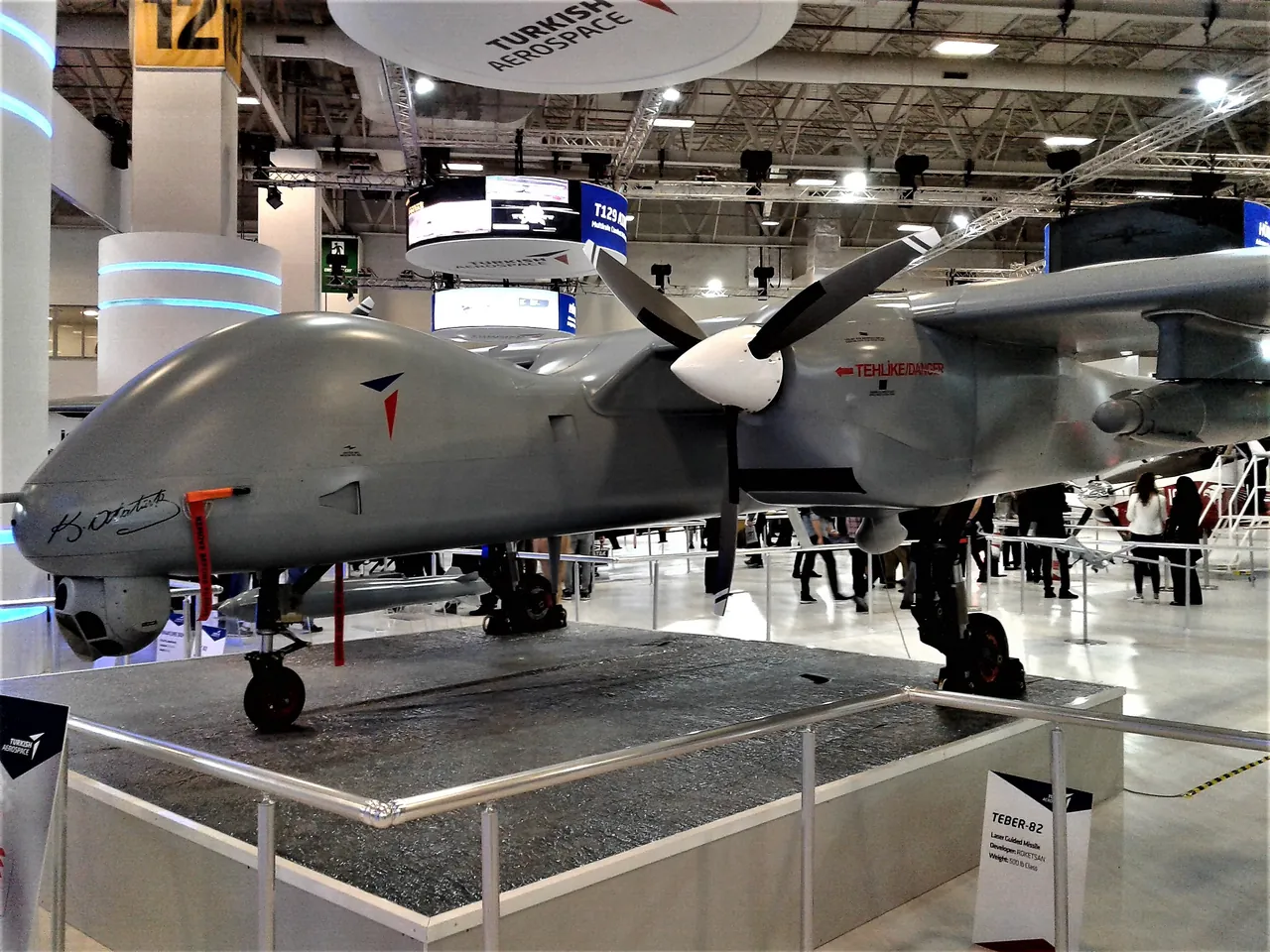
AKSUNGUR with its wide wingspan and twin PD-170 engines. Source: Wikimedia Commons (CC).
Blue Homeland: AKSUNGUR’s maritime role
AKSUNGUR’s most distinctive mission is maritime surveillance. Long endurance and a wide datalink range make it well suited to continuously monitoring Türkiye’s broad maritime jurisdiction, scanning large sea areas for hours on a single sortie.
TUSAŞ is enhancing AKSUNGUR with new capabilities, including torpedo integration for anti-submarine warfare (ASW). With sonobuoys and maritime search radar, AKSUNGUR is evolving toward an unmanned maritime patrol aircraft role.
Upcoming deliveries and production
Period
Development
Note
2019
Unveiling (IDEF) + first flight
TUSAŞ
2021
First delivery
Navy (312th Squadron)
2022–2024
Additional deliveries
Air Force + special missions
Dec 2025
Fully indigenous (PD-170) AKSUNGUR in service
Turkish military
SAHA 2026
100-unit PD-170 engine contract
TUSAŞ–TEI
Delivery and milestone timeline
Date
Event
Institution / entity
Source
2019
Unveiling (IDEF) and first flight
TUSAŞ
TUSAŞ
20 Oct 2021
First delivery / in service
Naval Forces Command
Naval News / Janes
2022–2024
Air Force and special-mission deliveries
Turkish military
FlightGlobal
Dec 2025
Fully indigenous-engine AKSUNGUR in service
Turkish military
SavunmaTR
SAHA 2026
100-unit TEI PD-170 supply contract
TUSAŞ–TEI
Airport Gündem / MilDefIn
Technical specifications
Feature
Value
Class
High-payload twin-engine UAV
Wingspan
24.2 m
Length
12.5 m
Height
3.1 m
Max take-off weight
3,300 kg
Payload
750 kg
Engine
2 × indigenous TEI PD-170 turbodiesel (~170 hp)
Service ceiling
≈12,200 m (40,000 ft)
Endurance
up to 60 hours
Datalink range
250+ km
Mission payload
EO/IR camera, SAR radar, smart munitions; (in development) torpedo/ASW
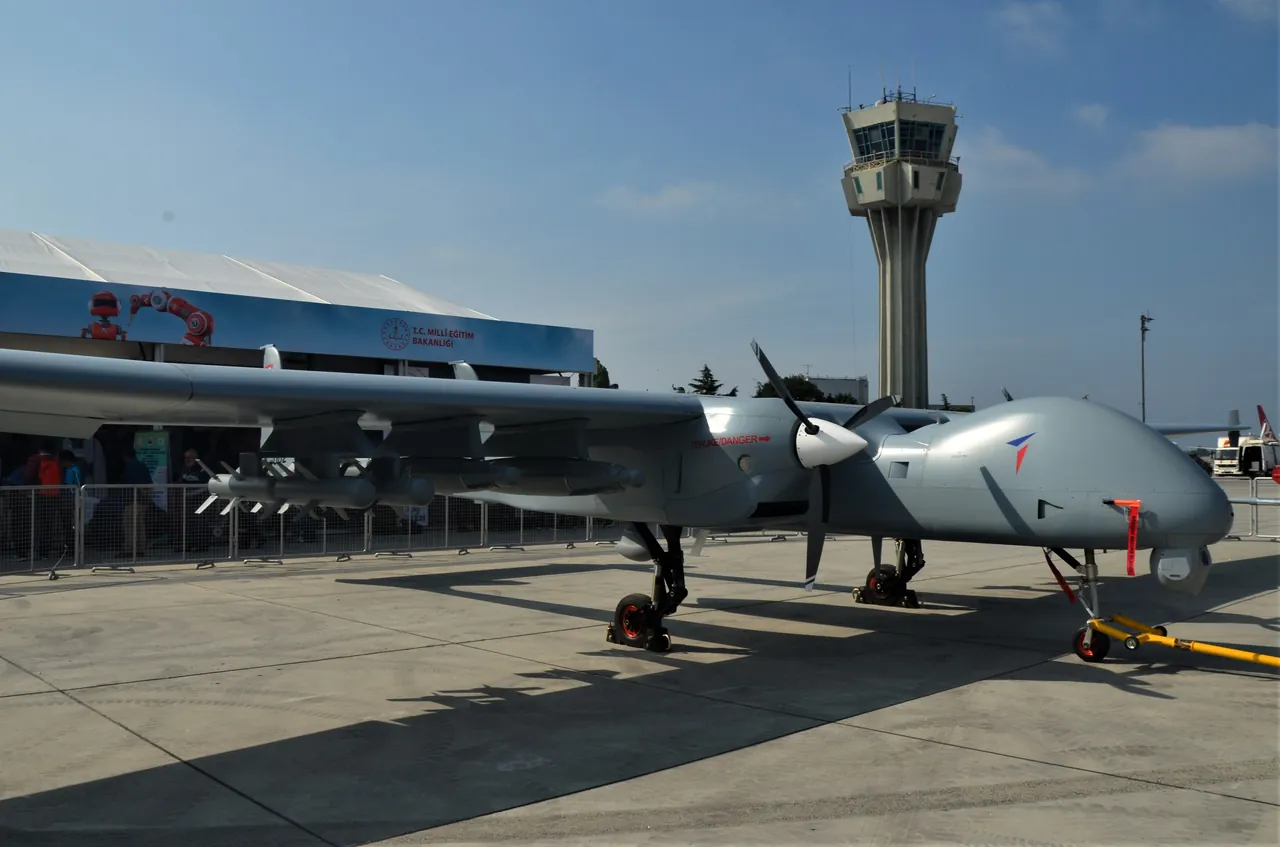
AKSUNGUR at Teknofest 2019, around its introduction. Source: Wikimedia Commons (CC).
Engine: twin indigenous PD-170
AKSUNGUR uses two indigenous TEI PD-170 turbodiesel engines of ~170 hp each. The twin-engine layout enables both its high payload and safe long-range maritime missions. PD-170 is the same indigenous engine used on ANKA, so — unlike the Rotax-powered TB2 or the imported-engine AKINCI — AKSUNGUR has an end-to-end domestic powerplant.
The 100-unit PD-170 contract signed between TUSAŞ and TEI at SAHA 2026 secures engine supply for both ANKA and AKSUNGUR production.
Munitions, subsystems and manufacturer
The prime contractor is TUSAŞ (Ankara). Its high payload lets AKSUNGUR carry varied mission-payload and munitions combinations.
Munitions: Roketsan smart munitions (MAM family) and heavier guided weapons; torpedo development for ASW
Manufacturer: TUSAŞ — engine supplier TEI
Why it matters for Türkiye
AKSUNGUR is the key platform meeting Türkiye’s unmanned maritime-surveillance need through domestic production. Its high payload and long endurance make it a cost-effective complement to crewed maritime patrol aircraft.
With twin indigenous PD-170 engines and national mission systems, AKSUNGUR exemplifies an end-to-end domestic supply chain. Together with ANKA and ANKA-3, it shows how TUSAŞ’s UAV family now spans a wide mission set reaching from land to strategic depth at sea.
Frequently Asked Questions
When was AKSUNGUR first delivered?
AKSUNGUR was first delivered to the Turkish Naval Forces Command on 20 October 2021.
How many AKSUNGUR have been delivered?
Per open sources, 5 units have been delivered to date for the Navy, Air Force and special missions.
Is AKSUNGUR’s engine indigenous?
Yes. AKSUNGUR uses two indigenous TEI PD-170 turbodiesel engines of ~170 hp each.
How much can AKSUNGUR carry and how long can it stay aloft?
It carries 750 kg of payload and can stay airborne for up to 60 hours.
What missions does AKSUNGUR perform?
Primarily maritime patrol/surveillance, plus ISR and precision strike. Torpedo integration for anti-submarine warfare is in development.
What is the difference between AKSUNGUR and ANKA?
AKSUNGUR is twin-engine; it carries a heavier payload and stays aloft longer than ANKA. Both use the indigenous PD-170 engine.