Best Turkish Electronic Warfare and Counter-Drone Systems for Serbia: Hybrid Threat and Technical Fit Analysis

Serbia is a country with its own defense industry that can produce a portion of its electronic-warfare (EW) components domestically; at the same time, its inventory is a multi-supplier structure combining systems of Eastern and Western origin. In recent years, the risk categories gaining visibility in the region and its neighborhood have been less a classic conventional attack and more airspace-violating unmanned aircraft, GNSS (satellite-positioning) jamming and electronic interference in communication bands. This picture technically highlights a modernization gap in tactical EW and counter-drone (C-UAS) capabilities.
This analysis compiles Serbia’s hybrid-threat profile and defense structure strictly from publicly available sources, then evaluates which Turkish electronic-warfare and counter-drone solutions may be a technical fit for that need. Figures for range, frequency band and effect distance are values disclosed by manufacturers or found in open sources; many are unconfirmed estimates. The aim is not to forecast any sale or political leaning but to map requirement against solution using open data. From the Turkish standpoint, technical fit is assessed as medium-to-high specifically in the C-UAS and tactical-EW niches; it is treated in a measured and balanced manner.
Electronic Warfare and Jamming Systems
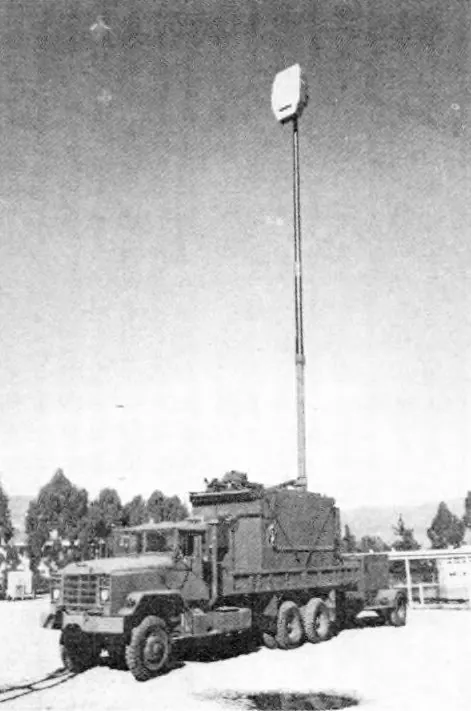
Electronic warfare comprises detecting enemy radar and communications (electronic support), jamming/deception (electronic attack) and protecting one’s own systems (electronic protection). Serbia’s existing ability to produce domestic EW components raises the question of integrating externally acquired systems with the existing infrastructure; this technically favors the combined use of fixed and mobile EW nodes in an open architecture. The systems below cover a wide spectrum from the radar band to the communication band.
| System | Role | Frequency / band (open source) | Range (unconfirmed) |
|---|---|---|---|
| ASELSAN KORAL | Radar electronic warfare (detect + jam) | Microwave radar bands | ~100+ km class |
| ASELSAN MİLKAR | Tactical comms EW (intercept + jam) | HF / VHF / UHF comms band | Tactical, vehicle-mounted |
| ASELSAN REDET | Comms EW and signals intelligence (COMINT/DF) | Wide comms spectrum | Direction finding + recording |
| ASELSAN ILGAR | Directed effect / counter-drone EW (open source) | RF jamming + directional effect | Short-medium (unconfirmed) |
KORAL, a land-based radar electronic-warfare system, can detect and jam enemy radars across a wide frequency band; because it can deploy fixed or mobile, it adapts to varied terrain conditions. The MİLKAR family, a vehicle-mounted tactical comms EW node, provides intercept of radio traffic and selective jamming. REDET is a signals-intelligence layer focused on direction finding and content collection of communication signals. In a country with its own EW background like Serbia, the shared limit of these systems is frequency-management and integration compatibility with the existing domestic infrastructure; this is a technical point to weigh in a procurement decision.
Note: The band and range values above are based on general manufacturer presentations and open sources and should be treated as unconfirmed.
Counter-Drone Soft-Kill: Detection and Jamming
Soft-kill aims to defeat the drone’s mission without physically destroying it: detection by radar and electro-optical sensor, then jamming of the command link (RF) and satellite-positioning (GNSS) signal. Because this approach reduces the risk of debris falling near populated areas and critical infrastructure, it is technically advantageous in high-density population and industrial regions such as Serbia.
| System | Method | Sensor / effect | Assessment |
|---|---|---|---|
| ASELSAN İHTAR | Integrated C-UAS (detect + RF/GNSS jam) | Radar + EO/IR + jammer | Scalable for point and facility defense |
| ASELSAN GERGEDAN | Mobile counter-drone / EW | Vehicle-mounted detect + jam | Protection of moving units and convoys |
| ASELSAN KANGAL | Drone jamming / denial (open source) | RF / GNSS jammer | Portable point defense (unconfirmed) |
| ASELSAN REDET / RF sensor | Passive RF detection support | Signal scanning, direction finding | Early-warning layer |
İHTAR is an integrated counter-drone system that combines radar, electro-optical/infrared cameras and a jammer under a single command-and-control; to disrupt the autonomous flight of small drones it targets the command and GNSS links. GERGEDAN, with its vehicle-mounted mobile design, is suited to protecting moving units and convoys beyond fixed facilities. The limit of soft-kill is reduced effect against drones that do not depend on GNSS (following a preprogrammed route or fiber-optic controlled); it is therefore technically advisable to back the jamming layer with hard-kill options. In the Serbian context, complementing these systems in a layered manner with the country’s existing short-range air-defense assets is a reasonable approach.
Counter-Drone Hard-Kill and Directed Energy
Hard-kill physically neutralizes the drone: burning it with a laser, disrupting its electronics with high-power microwave, or downing it with a hunter/interceptor element. This layer engages where soft-kill falls short against jamming-immune drones (autonomous or wire-guided). In the Serbian context, this capability forms the last defensive ring against determined threats aimed at critical infrastructure.
| System | Effect type | Range (open source, unconfirmed) | Assessment |
|---|---|---|---|
| ASELSAN ALKA | Laser (hard) + RF/GNSS jamming (soft) | Laser ~500 m class; jamming farther | Dual layer: both soft and hard kill |
| ASELSAN KAPAN | Swarm defense / integrated hard-soft | Multi-sensor, layered | Designed against simultaneous multiple targets |
| ASELSAN İHTAR (effect module) | Jamming-focused, integrated with hard modules | Configuration dependent | Pairs with hard-kill in modular architecture |
| ILGAR | Directional effect / counter-drone (open source) | Short-medium (unconfirmed) | Complementary for close-in defense |
ALKA, on the directed-energy side, can physically neutralize a close-range drone with a laser while also hosting RF and GNSS jamming on the same platform, combining soft- and hard-kill in one system; this dual structure offers flexibility against different drone types. The laser’s effect distance depends on line of sight, weather and target size; performance can drop in foggy and rainy climates, a limit to keep in mind for the continental-climate interior regions of Serbia. KAPAN is described as providing layered defense against swarm scenarios where many small drones arrive at once. A common drawback of hard-kill systems is relatively high unit cost and power demand.
Swarm Defense, Signals Intelligence and Cyber
The modern drone threat is shifting increasingly from single platforms to cheap drone swarms acting simultaneously. Against a swarm, a single jammer or a one-shot hard-kill falls short; detection, prioritization and coordination of multiple effectors are required. In parallel, to see the threat in advance, signals intelligence (SIGINT) and a cyber layer serve a critical early-warning function. Integrating these layers with Serbia’s existing signals-intelligence experience is a prominent point in the technical assessment.
| System / layer | Function | Contribution to Serbia |
|---|---|---|
| ASELSAN KAPAN | Swarm defense, multi-sensor layered C-UAS | Response to simultaneous multi-drone threat |
| ASELSAN REDET | COMINT / direction finding, signal collection | Early warning and situational picture along the border |
| ASELSAN MİLKAR | Tactical EW, selective jamming | Communications advantage in the border zone |
| Havelsan cyber / EW | Cyber defense, EW software and simulation | Critical infrastructure and training/simulation |
| ASELSAN REDET II class | Extended SIGINT / DF | Multi-source signal tracking |
KAPAN, with its swarm-defense concept, coordinates radar and electro-optical detection with jamming and hard-kill effectors in scenarios where many low-cost targets arrive at once. On the Havelsan side, the prominent layer is less about physical effectors and more about cyber defense, electronic-warfare software and operator training/simulation; the cyber resilience of critical infrastructure (energy, communications, public systems) is as important a component as drone defense in a hybrid-threat environment. REDET-based signals intelligence gains reaction time for the defense by detecting the command signals of threat drones in advance. The shared strength of these layers is relatively low operating cost, as they rely on information and software rather than physical weapons; their limit is the need for qualified personnel and continuous updates.
Technical Fit Assessment for Serbia
The assessment below summarizes the open-source technical fit of Turkish EW and counter-drone systems against Serbia’s hybrid-threat profile (drone incursion, electronic jamming, critical-infrastructure protection, tactical-EW modernization gap, domestically componented and multi-supplier structure). It is not a firm procurement recommendation; strengths and limits are presented in a balanced way. As a militarily neutral country, in Serbia the integration of systems with the existing multi-supplier inventory is a more decisive technical criterion than compatibility with a single bloc.
Turkish systems and foreign counterparts
| Turkish system | Comparable foreign system | Shared mission area |
|---|---|---|
| ASELSAN İHTAR | Leonardo Falcon Shield / Rafael Drone Dome | Integrated C-UAS |
| ASELSAN ALKA | Rheinmetall / Raytheon laser C-UAS class | Directed-energy counter-drone |
| ASELSAN KORAL | Krasukha-class radar EW (counterpart) | Radar electronic warfare |
| ASELSAN MİLKAR / REDET | L3Harris / Elettronica tactical EW | Comms EW and SIGINT |
Ten-criteria suitability scoring
Scores are an open-source technical assessment on a 1–10 scale, not a precise performance measurement. A high score indicates fit with Serbia’s requirement profile. The “Integration” criterion expresses compatibility with the existing multi-supplier inventory.
| System | Detection | Jamming | Hard-kill | Swarm def. | Range | Mobility | Fast setup | Maint. | Integration | Cost | Overall |
|---|---|---|---|---|---|---|---|---|---|---|---|
| ASELSAN İHTAR | 9 | 9 | 5 | 7 | 7 | 8 | 8 | 7 | 7 | 8 | 7.5 |
| ASELSAN ALKA | 8 | 8 | 9 | 7 | 6 | 7 | 7 | 6 | 6 | 6 | 7.0 |
| ASELSAN KORAL | 9 | 9 | 3 | 4 | 9 | 7 | 6 | 6 | 6 | 6 | 6.5 |
| ASELSAN KAPAN | 8 | 8 | 8 | 9 | 7 | 7 | 7 | 6 | 7 | 6 | 7.3 |
| ASELSAN GERGEDAN | 8 | 8 | 4 | 6 | 6 | 9 | 8 | 7 | 7 | 7 | 7.0 |
| ASELSAN MİLKAR | 8 | 9 | 2 | 4 | 7 | 8 | 7 | 7 | 7 | 7 | 6.6 |
| ASELSAN REDET | 9 | 6 | 2 | 5 | 8 | 8 | 7 | 7 | 7 | 8 | 6.7 |
In short, integrated counter-drone (İHTAR), swarm defense (KAPAN) and mobile EW (GERGEDAN, MİLKAR) show the highest technical fit for Serbia’s requirement profile. In protecting critical infrastructure against determined threats, directed-energy systems such as ALKA complete the last defensive ring. KORAL and REDET strengthen the electronic-situational-awareness and early-warning layer along the border. Thanks to the vehicle-mounted, modular architecture of most systems, they are technically compatible with incremental procurement and integration into the existing multi-supplier inventory; however, frequency-management compatibility with the domestic EW infrastructure will be decisive in procurement.
Frequently Asked Questions
What is the difference between soft-kill and hard-kill?
Soft-kill defeats the drone’s mission by jamming its command and positioning signals without destroying it; hard-kill physically neutralizes the drone with a laser or high energy. In densely populated and industrial areas like Serbia, soft-kill is preferred first because it reduces debris-fall risk, with hard-kill engaging for determined threats.
What does ASELSAN KORAL do?
KORAL is a land-based radar electronic-warfare system; it can detect and jam enemy radars across a wide frequency band. Because it can deploy fixed or mobile, it provides electronic situational awareness and countermeasures. Range values are open-source and unconfirmed.
What is done against jamming-immune autonomous drones?
Drones following a preprogrammed route or wire-guided by fiber optic are not affected by GNSS/RF jamming. In that case, laser/directed-energy solutions like ALKA or layered hard-kill like KAPAN form the last defensive ring.
Would these systems integrate into Serbia’s existing inventory?
Because most systems have an open, modular architecture, incremental integration into a multi-supplier inventory is technically possible. However, frequency-management and command-and-control compatibility with Serbia’s domestic EW infrastructure will be decisive for the success of integration; exact cost and integration details are not published in open sources.
Under what conditions does ALKA struggle?
ALKA’s laser component depends on line of sight, weather and target size; effect distance can drop in foggy, rainy or dusty environments. It is therefore technically advisable to use it together with the jamming layer.
Which system stands out against a drone-swarm threat?
In scenarios where many cheap drones arrive at once, multi-sensor, layered swarm-defense concepts like KAPAN stand out; detection, prioritization and multi-effector coordination are more effective than a single jammer.
Is this analysis a sales or political-preference forecast?
No. The content is purely an open-source technical assessment and makes no claim about any sale, agreement, negotiation or political leaning. Band, range and effect values are presented as unconfirmed estimates.
Where does Havelsan fit in this equation?
On the Havelsan side, the prominent layer is less about physical effectors and more about cyber defense, electronic-warfare software and operator training/simulation. The cyber resilience of critical infrastructure is as important a component as drone defense in a hybrid-threat environment.
Bottom Line
Serbia’s open-source hybrid-threat profile is shaped around airspace-violating drones, GNSS and communication jamming, and determined threats aimed at critical infrastructure. The country’s ability to produce domestic EW components and its multi-supplier inventory make integration compatibility decisive for externally acquired solutions. The Turkish solutions that best match this map technically are integrated counter-drone (İHTAR), swarm defense (KAPAN), directed energy/laser (ALKA), mobile and tactical electronic warfare (GERGEDAN, MİLKAR, KANGAL, ILGAR), radar EW (KORAL) and signals-intelligence/cyber layers (REDET, Havelsan). In a layered architecture, soft-kill (jamming) and hard-kill (laser/energy) complement each other.
This assessment contains no forecast about any sale, agreement or political decision; it maps requirement against solution using publicly available technical data only. Range and band values are unconfirmed estimates. The vehicle-mounted, modular and relatively low-operating-cost nature of the systems offers a technical advantage for incremental modernization in the tactical-EW and C-UAS niches; on the other hand, integration with the existing domestic infrastructure, the need for qualified operator training and frequency management should not be overlooked.
Related Analysis
Sources
- ASELSAN — electronic-warfare and counter-drone product family materials (KORAL, İHTAR, GERGEDAN, KANGAL, KAPAN, ALKA, ILGAR, MİLKAR, REDET)
- Havelsan — cyber-security and electronic-warfare software/simulation presentations
- IISS The Military Balance — Serbia section (force structure and inventory)
- SIPRI — military expenditure and arms-transfers database
- European Union — Serbia enlargement and accession-negotiation statements
- Serbian Ministry of Defence — Serbian Armed Forces official information
- Open-source defense publications — hybrid threat, drone incursion and C-UAS analyses