Denmark’s Parliament Approves US Access to Two New Greenland Bases, 109-0

Denmark’s parliament, the Folketing, voted 109-0 on Thursday, 19 November, to ratify an updated defense agreement with the United States covering Greenland. The vote follows months of diplomatic friction over the island’s future.
The agreement was signed in New York on 22 September and updates the 1951 US-Denmark defense treaty governing American military activity on Greenland. It grants Washington the right to establish two new “defense areas” on the island: one at Narsarsuaq in the south, the other at Mestersvig in the east.
Greenland’s own parliament, the Inatsisartut, had already approved the deal in early November, by a vote of 16 in favor with 7 abstentions. The Danish parliament’s unanimous backing completes the domestic legal steps on the Danish side.
One procedural step remains before the agreement takes legal effect: the Danish government must send a formal diplomatic note to Washington. Until that note is delivered, the pact technically remains unratified in international terms.
US Secretary of State Marco Rubio wrote on X that the deal “modernizes the United States-Denmark-Greenland defense partnership.” Danish Prime Minister Mette Frederiksen called the agreement “good for Greenland, the Kingdom of Denmark and the United States.”
The friction behind the deal traces back to months of statements from the Trump administration floating the idea of acquiring or annexing Greenland outright. That rhetoric drew pushback in both Copenhagen and Nuuk and created unusually visible strain between NATO allies. The new agreement is designed to channel that dispute into a formal military-cooperation framework instead.
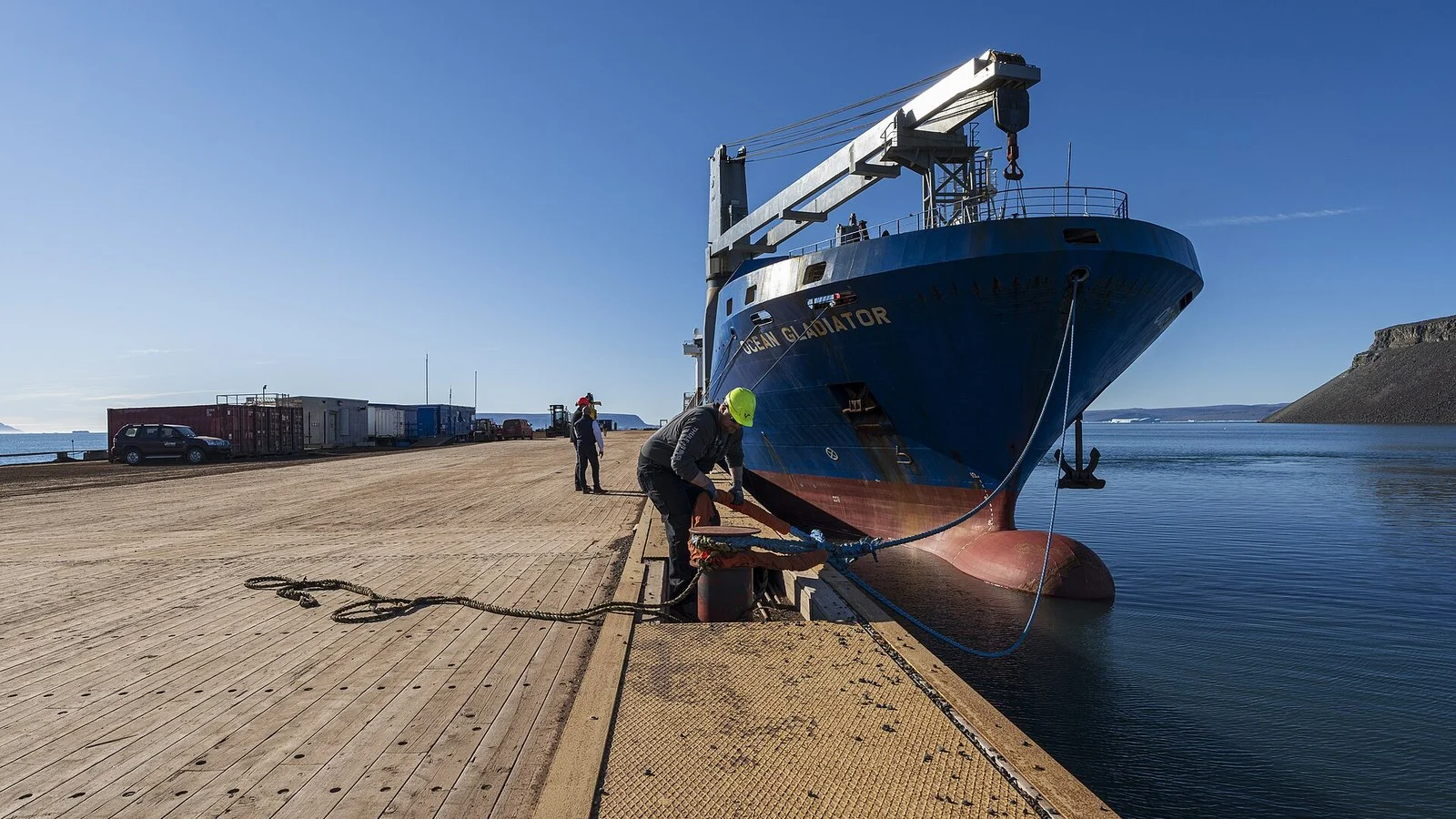
Greenland already hosts the northernmost permanent US military installation in North America, Pituffik Space Base, formerly known as Thule Air Base. The site anchors US Space Force early-warning radar and space-surveillance missions in the Arctic. The two new defense areas would add a separate military footprint on the island’s southern and eastern coasts, beyond the existing Pituffik infrastructure.
Analysts frame the agreement’s significance largely around Arctic geostrategic competition. Melting ice is opening new shipping routes and resource-exploration prospects, and both Russia and China have shown growing interest in the region. For Washington, expanding its military footprint on Greenland fits a broader push to reinforce NATO’s northern flank.
For Denmark, the deal is widely read as an attempt to settle the sovereignty dispute through compromise: it reaffirms Danish sovereignty over the island while granting the US broader military access. Greenland’s government, for its part, presents the pact as a framework that preserves the island’s own say over its future.
The next milestones to watch are the timing of the formal diplomatic notification and the start of construction at the two new defense areas. Once those steps play out, the concrete scale of the expanded US military presence in the Arctic will become clearer.
Sources
- Al Jazeera, “Denmark parliament approves security deal with Greenland and US”, 19 November 2026 — link — used for the vote count and the scope of the agreement.
- Stars and Stripes, “Denmark greenlights Trump Greenland deal”, 19 November 2026 — link — used for Secretary of State Rubio’s statement and military context.
- Euronews, “Danish lawmakers ratify US-Greenland security pact”, 19 November 2026 — link — used for Greenland’s parliamentary approval process.