Europe Builds Its Own War Brain: NestAI Trains Sovereign Military AI for Finland and Estonia

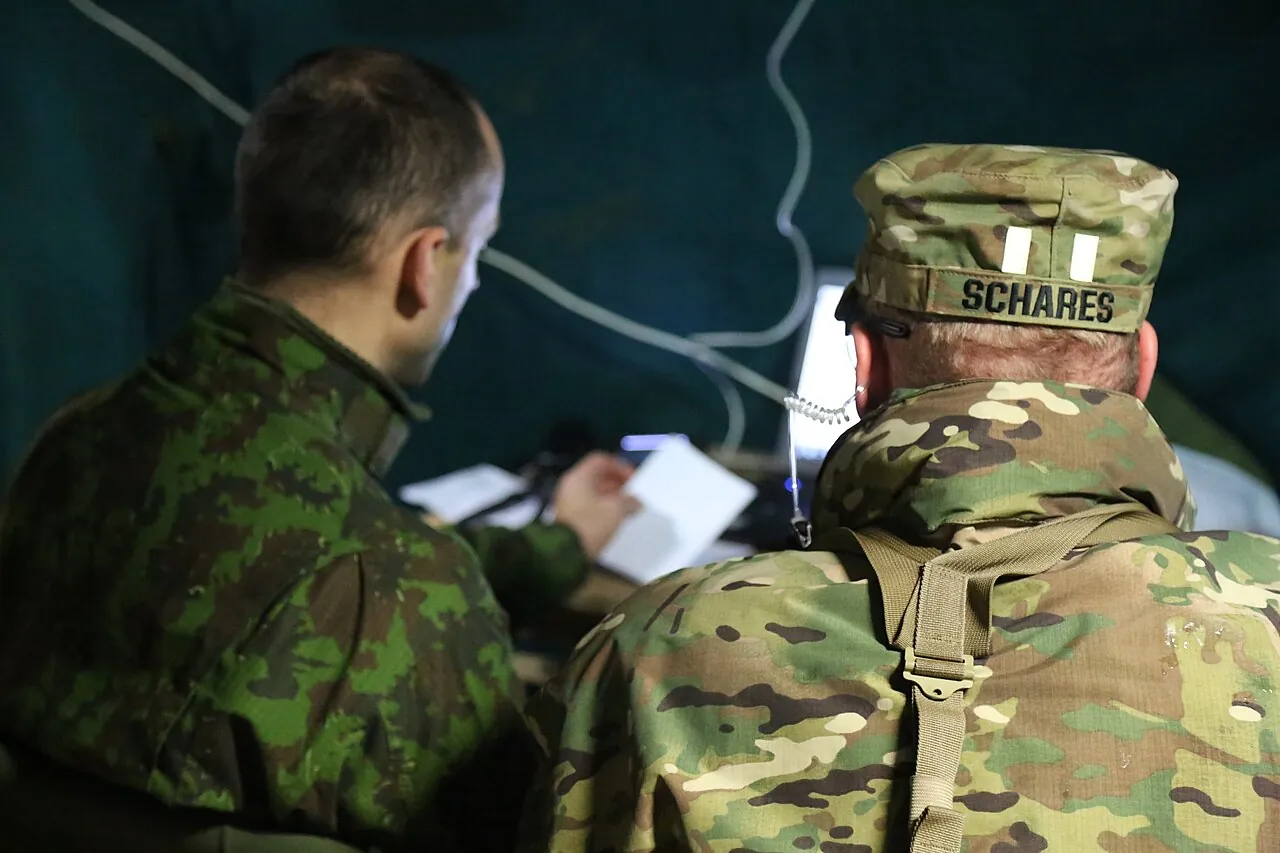
Finnish AI lab NestAI has begun training sovereign military AI models that the armies of Finland and Estonia will use. Rejecting reliance on commercial or foreign-built systems, the effort targets autonomous unmanned systems and command-and-control — and is built to keep working even when GPS is jammed.
At a Glance
- Who: NestAI (Espoo, Finland) + Finland’s Ministry of Defence + Estonian Defence Forces
- What: Sovereign AI models for battlefield autonomy and command
- How: Letter of intent signed June 30; a framework for joint research, development and training
- Edge: Models that function even if satnav is jammed, links are cut or sensors are spoofed
- Partner: Working with Nokia on resilient connectivity for denied environments
For two years Europe’s defense industry has wrestled with a single question: as AI moves to the center of warfare, whose hands will hold its “brain”? Finnish start-up NestAI has offered its own answer, announcing that it has begun training sovereign AI models that Finland and Estonia will use to plan operations and run uncrewed systems.
Finland’s Ministry of Defence, the Estonian Defence Forces and Espoo-based NestAI signed a letter of intent on June 30, 2026. The agreement carries no direct financial commitment; instead it sets up a framework for joint research, development, training and technical cooperation, with autonomous and unmanned systems and command-and-control named as the first areas of work.
Why ‘Sovereign’ AI?
The word at the heart of the project is sovereignty. Rather than adapting commercial or foreign-built models, NestAI is training its own from the ground up for battlefield autonomy and command. Executive chairman Peter Sarlin argues that European forces need AI systems that “work together across national boundaries and continue to learn after deployment,” while capability evolution should stay “in the hands of the nations who operate the systems.”
That is a strategic stance as much as a technical one. Entrusting a military’s decision-support intelligence to a foreign cloud service or a closed commercial model risks that capability being cut off or audited in a crisis. NestAI’s model keeps the data, the weights and the direction of development under national control.
Intelligence That Works When GPS Fails
The models’ most striking trait is that they are designed for degraded environments. NestAI’s systems are built to function even if satellite navigation is jammed, communications links are severed or sensors feed false data. The first models cover two areas: autonomy for decisions unmanned systems make on their own, and orchestration for command across a force. The company is also working with Nokia on resilient connectivity for contested, signal-denied battlefields.
| Area | Capability |
|---|---|
| Autonomy | Independent decision-making for unmanned systems |
| Orchestration | Command-and-control across the force |
| Resilience | Operating through GPS/comms/sensor disruption |
| Sovereignty | Keeping models, data and evolution under national control |
A Familiar Road for Turkey
The move by Finland and Estonia mirrors a path Turkey has followed for years. The weight HAVELSAN and ASELSAN place on indigenous AI in command-and-control software and autonomous systems — the drive to build a national intelligence layer across swarming drones, uncrewed ground vehicles and decision-support tools — reflects the same sovereignty logic in a different geography. That two small but technologically ambitious European states are heading the same way shows that building your own brain in defense AI is no longer the exception but the norm.
Sources
- Bloomberg, “Finland’s NestAI Builds Sovereign AI Tools for Europe Militaries” (July 14, 2026)
- Nokia–NestAI joint press release (GlobeNewswire, July 9, 2026)
- The Defense Post; Nordic Defence Sector