The Pentagon’s Weapons Problem: Fielding a System Now Takes 12+ Years

- What happened: GAO’s annual weapons oversight report — delivery timelines are getting worse
- Average: Fielding a capability now takes more than 12 years
- Dark Eagle (LRHW): Second battery pushed FY2027 → FY2028 over ‘unclear’ production standards
- DDG-51 Flight III: First 13 destroyers 55 months late (up from 41)
- M-SHORAD Increment 3: Immature critical tech; production slips to Q2 FY2028
- HACM hypersonic: Flight tests cut from seven to five, ‘zero margin’
- Next-Gen OPIR-GEO: Launch no earlier than October 2026; cost up ~$340M
For years the Pentagon has repeated the same promise — get new weapons into troops’ hands faster. The U.S. Government Accountability Office’s annual weapons assessment, released this week, tells the opposite story. The average time to carry a capability from concept to the field has now passed 12 years, and GAO warns that many programs aren’t even updating their official schedules to reflect the real slips underneath.
The Numbers Are Moving Backward
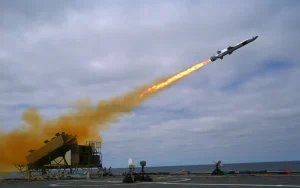
The headline that drew the most attention is Dark Eagle, the Army’s land-based Long Range Hypersonic Weapon. Its second fires battery moved from the last quarter of FY2027 into FY2028, with GAO blaming “missing, inconsistent, and unclear work standards for missile production.” Given how central hypersonics are to the Pentagon’s plans, the delay carries symbolic weight well beyond the schedule chart.
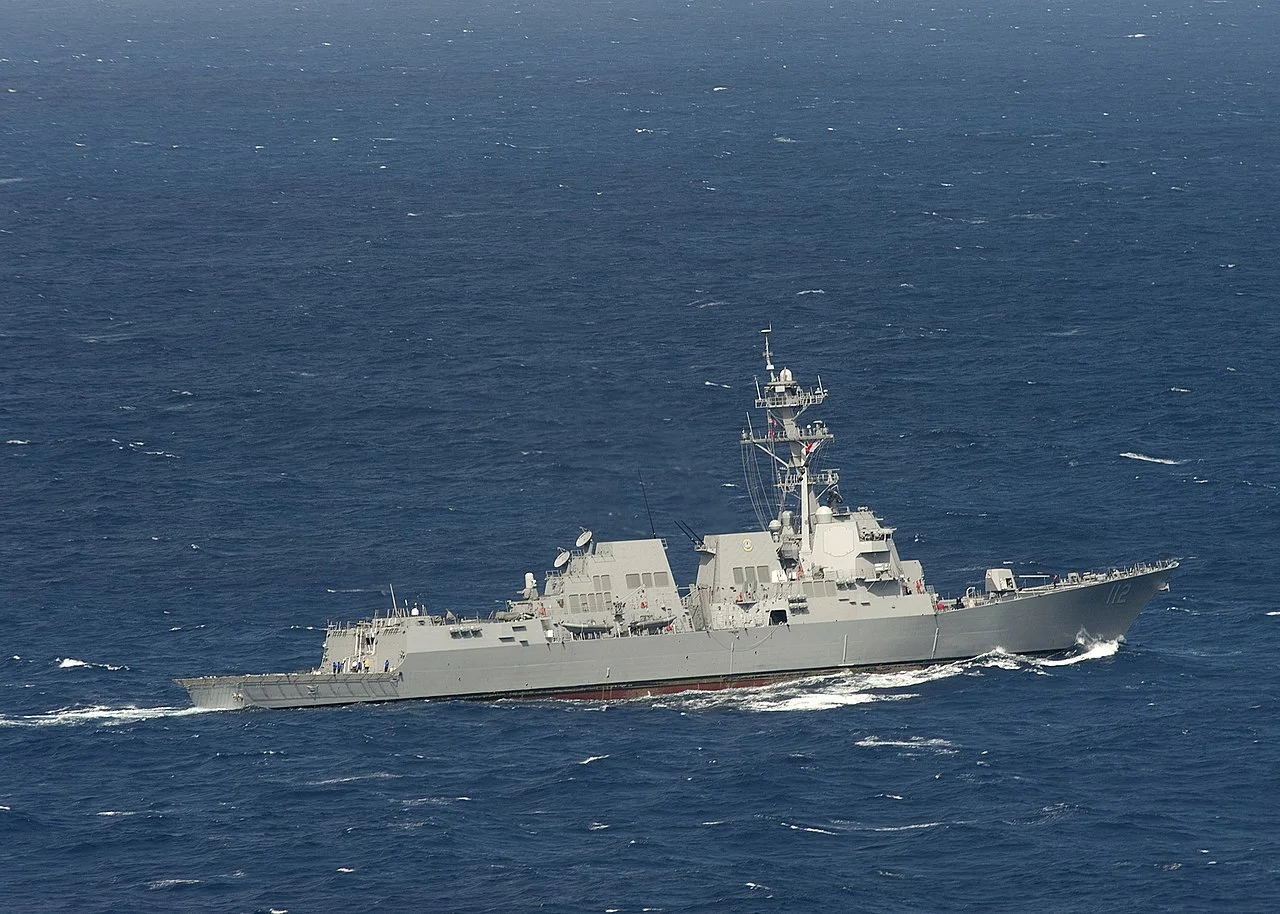
The Navy’s picture is harsher. The first 13 DDG-51 Flight III destroyers — the most advanced Arleigh Burke variant — are now 55 months, more than four and a half years, behind schedule, up from 41 months a year earlier. The gap isn’t closing; it’s widening, with initial operating capability running roughly three years late. Conventional Prompt Strike integration on DDG-1000 is about nine months behind as well.

From Hypersonics to Orbit
The Air Force’s HACM hypersonic cruise missile trimmed its test plan from seven flights to five, leaving what GAO calls “effectively zero margin” — a single serious test failure could derail the entire five-year rapid-prototyping window. In space, the Next-Gen OPIR-GEO missile-warning satellite was completed in January 2026 but won’t reach orbit before October, held back by the Space Force’s “crowded launch manifest,” with software complexity adding some $340 million to the bill.
GAO’s fix is familiar but insistent: programs should either start with mature technology or develop immature technology on a separate track. The Pentagon agreed — an admission that the problem is understood, even if it isn’t yet solved.
| Program | Service | Status |
|---|---|---|
| Dark Eagle (LRHW) 2nd battery | Army | FY2027 → FY2028 |
| DDG-51 Flight III (first 13) | Navy | 55 months late; IOC ~3 yrs late |
| M-SHORAD Increment 3 | Army | Production Q2 FY2028 |
| HACM hypersonic missile | Air Force | 7 → 5 flight tests, zero margin |
| Next-Gen OPIR-GEO satellite | Space Force | Launch ≥ Oct 2026; +$340M |
Sources
- Breaking Defense — Pentagon continues to struggle with key weapons development timelines: GAO
- U.S. Government Accountability Office (GAO), Annual Weapon Systems Assessment 2026