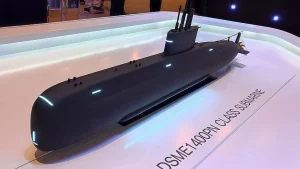
Indonesia Begins Local Construction of Scorpène Submarines

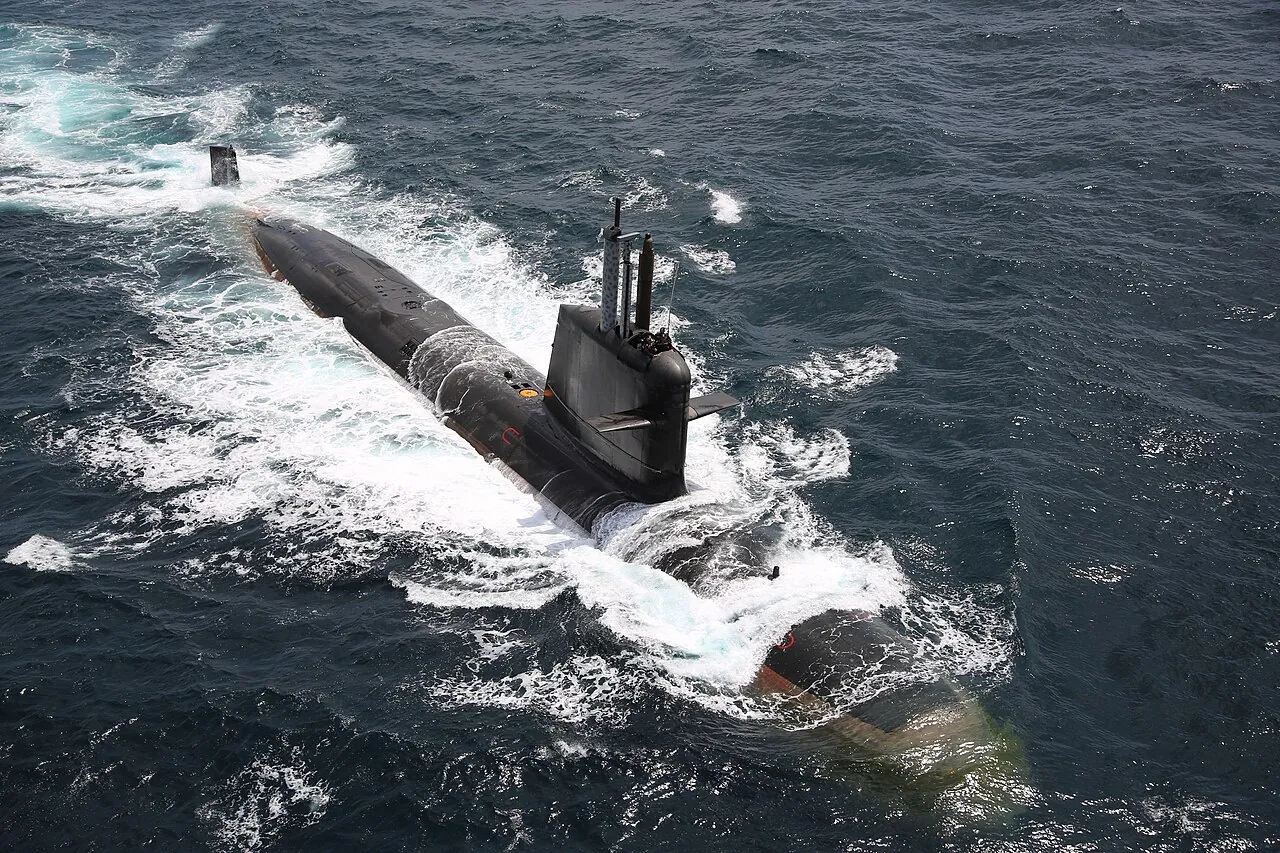
Indonesia’s submarine program is moving into a concrete phase. According to Naval News, the country is starting local construction of two Scorpène Evolved submarines ordered from France’s Naval Group, with first steel cutting this month. Indonesia joined the Scorpène operators in 2025.
Construction will take place at the state shipyard PT PAL in Surabaya, East Java. The first boat is planned for delivery in 2032 after trials from 2030 to 2032, while the second, with construction starting in 2027, is due in 2033. The project will create around 2,250 jobs.
What Is the Scorpène Evolved?
The Scorpène is a conventional (diesel-electric) submarine family developed by France’s Naval Group and used by many navies worldwide. Countries such as India, Chile, Malaysia and Brazil operate different versions of the class. The Scorpène Evolved is its most recent variant.
The submarines Indonesia is acquiring will use a full lithium-ion battery configuration, giving the boat mission endurance of up to 80 days submerged. Naval Group is also offering technology transfer for weapon systems such as missiles and torpedoes, aiming to give Indonesia not only a purchase but a production capability.
Local Construction and Technology Transfer
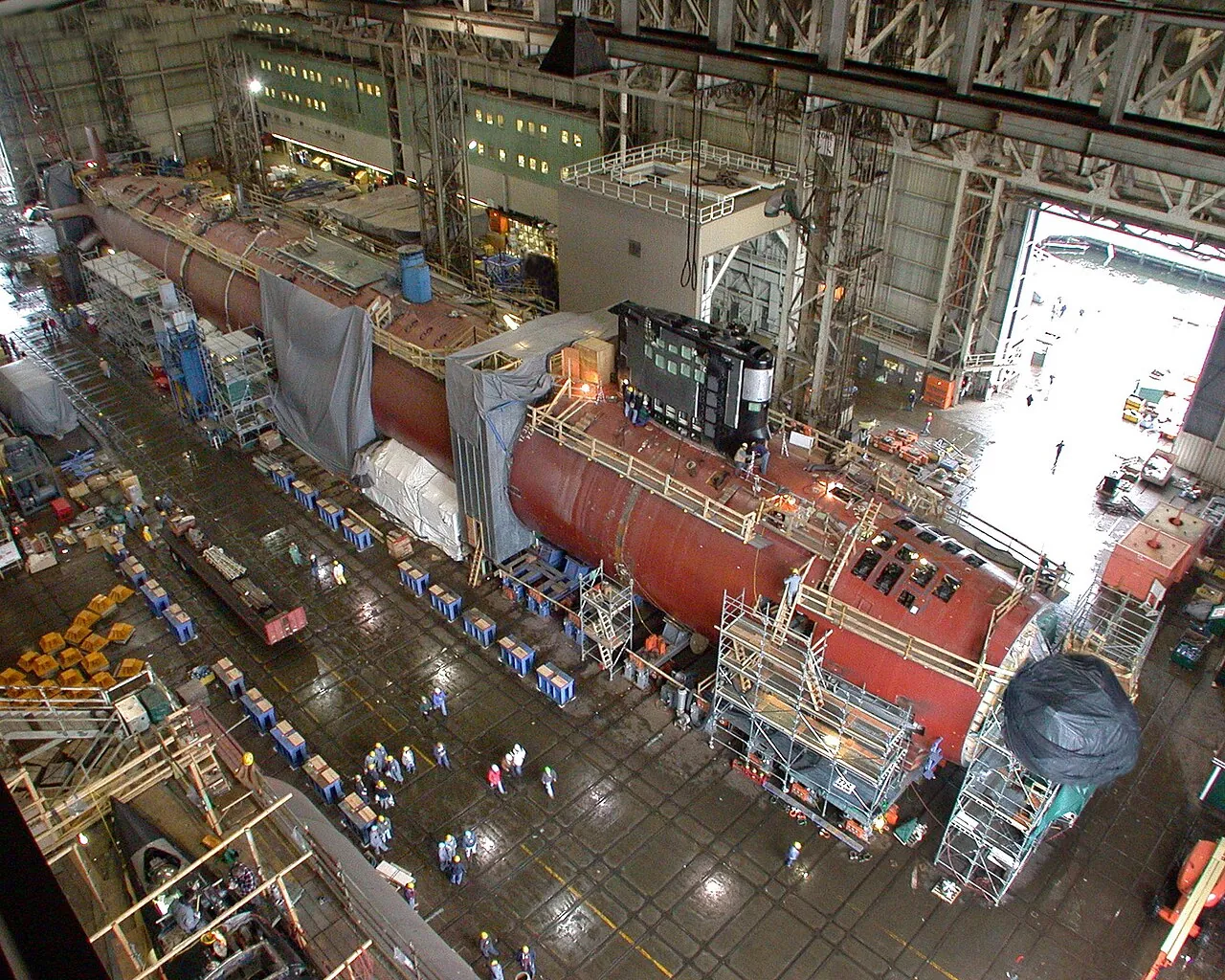
The program’s defining feature is that the boats will be built not in France but at Indonesia’s own shipyard. With first steel cutting this month at PT PAL in Surabaya, the country begins developing submarine-building capability on its own soil. The two boats will be built in parallel, about a year apart.
The technology transfer Naval Group offers for weapon systems takes the project beyond a simple purchase. Around 2,250 jobs and the experience gained at the local yard serve Indonesia’s longer-term goal of building its own submarine industry. The model rests on an industrial partnership between supplier and customer nations.
| Item | Detail |
|---|---|
| Customer | Indonesian Navy |
| Quantity | 2 Scorpène Evolved |
| Prime contractor | Naval Group (France) |
| Local builder | PT PAL (Surabaya) |
| First steel cut | July 2026 |
| First delivery | 2032 (trials: 2030-2032) |
| Second delivery | 2033 (build from 2027) |
| Battery / endurance | Lithium-ion / up to 80 days |
Indonesia’s Diversification Strategy
Indonesia follows a multi-source procurement strategy that avoids dependence on a single country. Turning to France for its submarine need, Jakarta works with different suppliers in air power and other domains. The approach gives it both technological diversity and bargaining leverage.
A submarine is one of the most expensive and strategic platforms in any modern navy. A boat that can move submerged and in secrecy carries disproportionate weight in deterrence. Indonesia gaining that capability through local construction is a development closely watched in Southeast Asia’s naval balance.
For Türkiye: The Indonesia Link and Its Own Submarine Program
While Indonesia chooses France for submarines, it increasingly turns to Türkiye for air power. Jakarta ordered 12 of Baykar’s jet-powered Kızılelma unmanned combat aircraft and signed a co-production agreement for about 48 of the indigenous KAAN fighter. The Bayraktar TB2 and AKINCI are also in Indonesia’s inventory. Indonesia is thus a diversifying buyer, choosing Europe for submarines and Türkiye for air power.
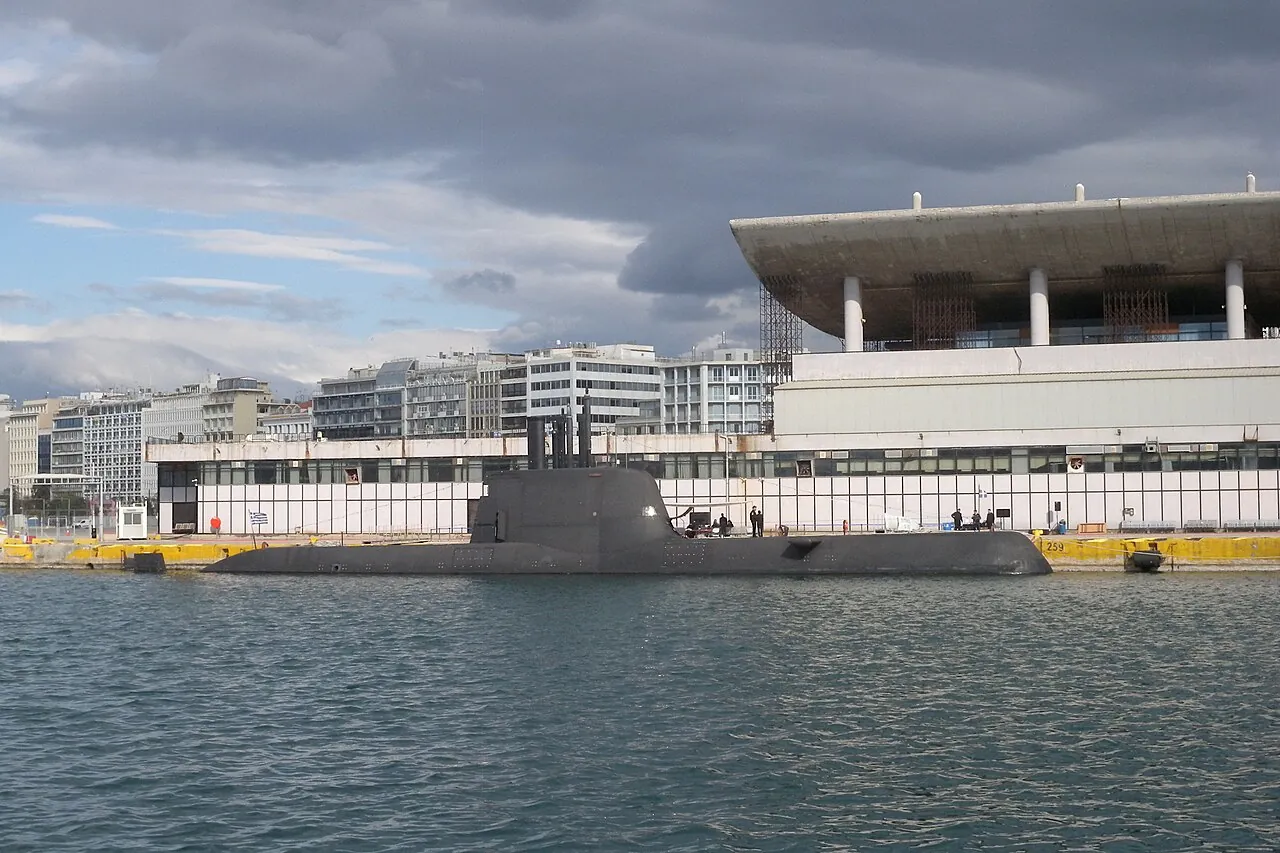
Türkiye’s own submarine program is also strengthening. In the six-boat Reis-class (Type 214TN) project, the first boat, TCG Piri Reis, has entered service; the program runs at Gölcük under German license but with a large degree of local production. The Scorpène that Indonesia is acquiring and Türkiye’s Reis-class are two comparable modern options in the conventional submarine market.
Türkiye is also aiming at the next step: the fully indigenous MİLDEN (National Submarine) design. Indonesia’s case shows how a country can start with a foreign license and, through local production and experience, build its own submarine industry, a model that mirrors Türkiye’s roadmap from the Reis-class toward MİLDEN.
Frequently Asked Questions
How many submarines is Indonesia acquiring?
Where will the submarines be built?
When is delivery?
What is the link to Türkiye?
Conclusion
Indonesia starting local construction of its Scorpène submarines is an example of the start-with-a-license, build-a-local-industry model. For Türkiye the news cuts two ways: Indonesia is a customer of Turkish air systems (Kızılelma, KAAN), while Türkiye’s own submarine roadmap, from the Reis-class to the indigenous MİLDEN, follows the same ‘from license to local’ model.