UK Military Strength: Aircraft Carriers and Nuclear Power (2026)

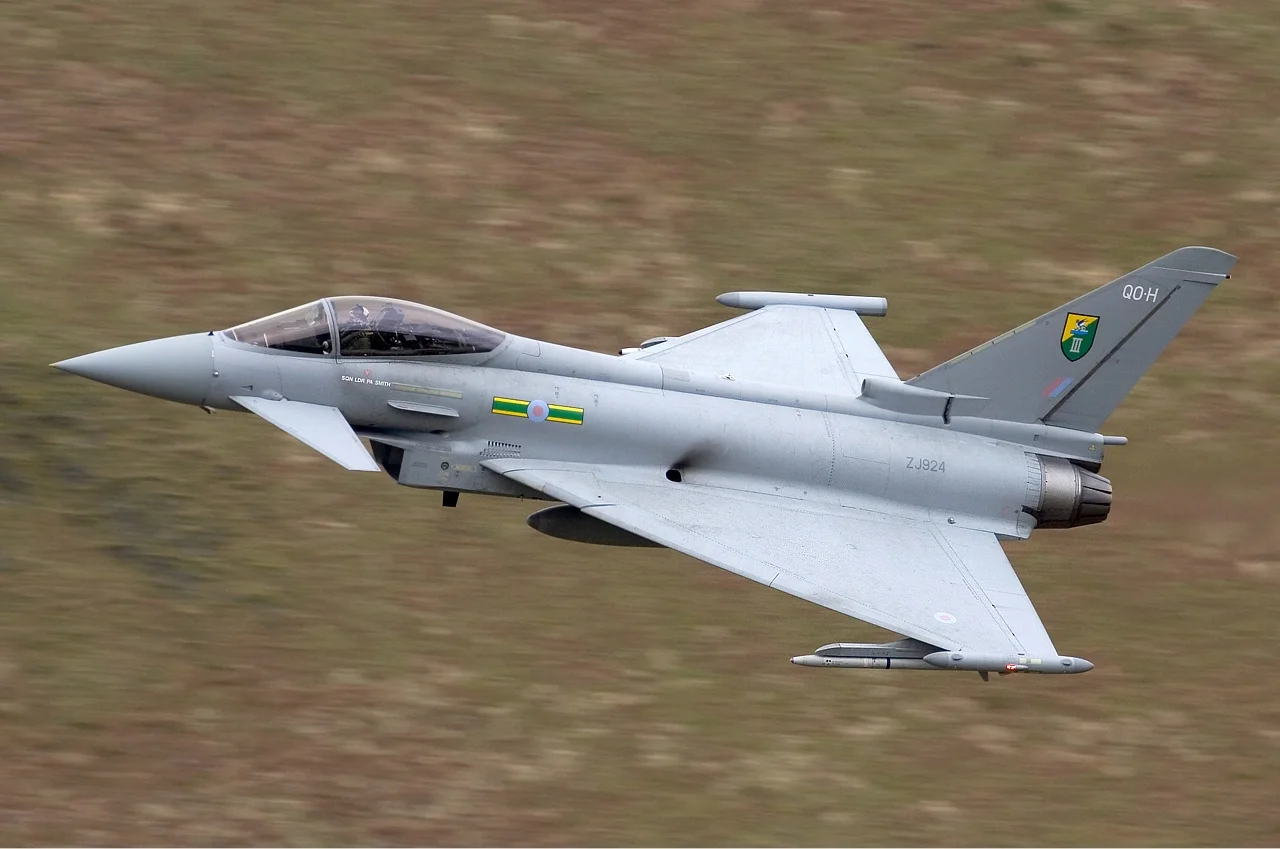
The UK’s military inventory rests on a tradition of global power projection. With two new carriers, Typhoon and F-35B fighters, Astute-class nuclear submarines and Trident missiles launched only from submarines, the country fields a high-quality force despite limited personnel.
At a Glance
- Active personnel: ≈ 140.000
- Main battle tanks (Challenger 2/3): ≈ 210
- Military aircraft (total): ≈ 600
- Aircraft carriers (Queen Elizabeth): 2
- Nuclear deterrent: Trident (submarine-only)
- Key fighters: Typhoon, F-35B
Note: The inventory figures below are approximate values drawn from open sources such as Global Firepower, the IISS Military Balance and SIPRI.
About the United Kingdom Armed Forces
The British Armed Forces comprise the Army, the Royal Navy and the Royal Air Force (RAF). The doctrine relies on a high-quality, advanced and globally deployable force rather than numerical mass.
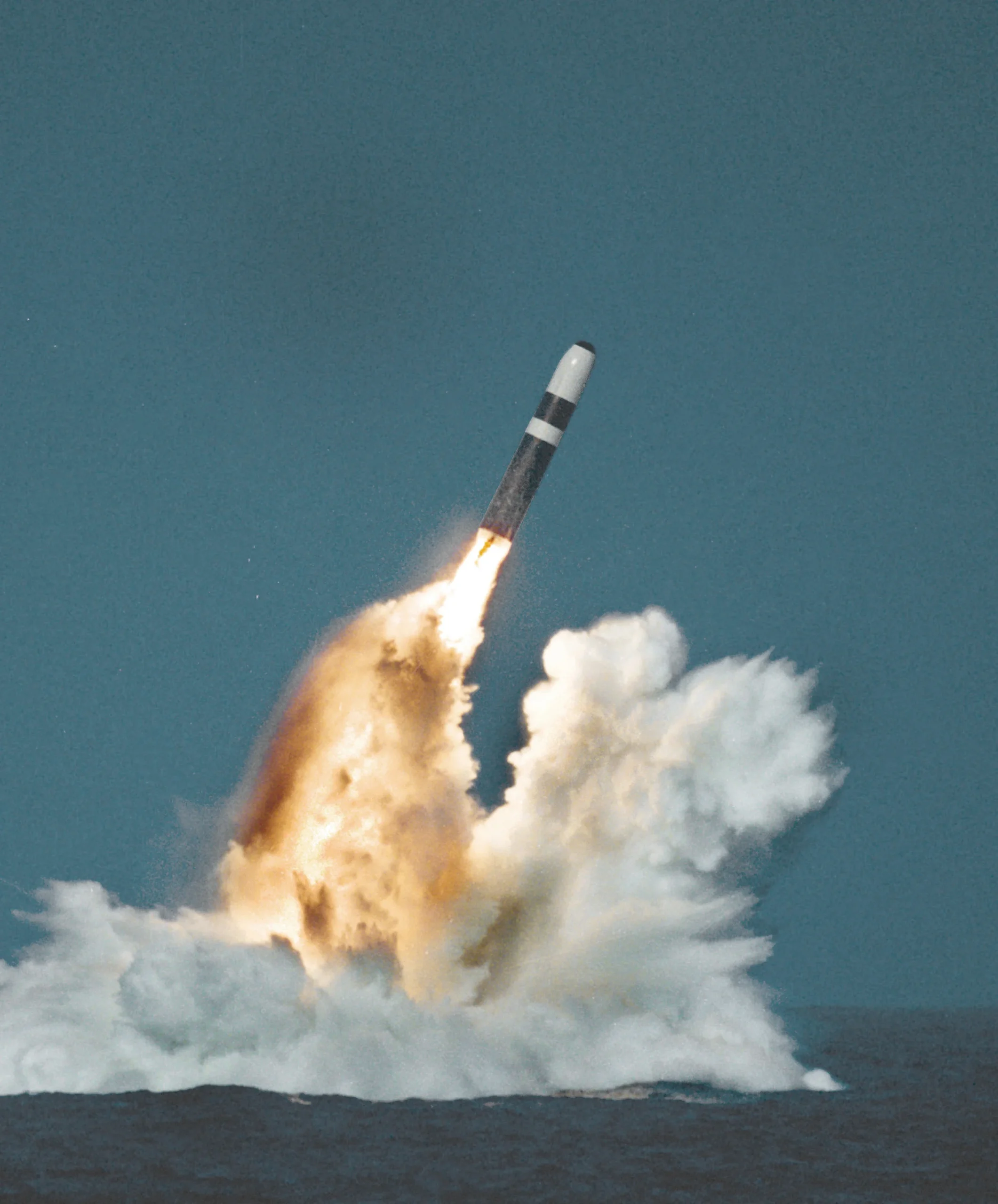
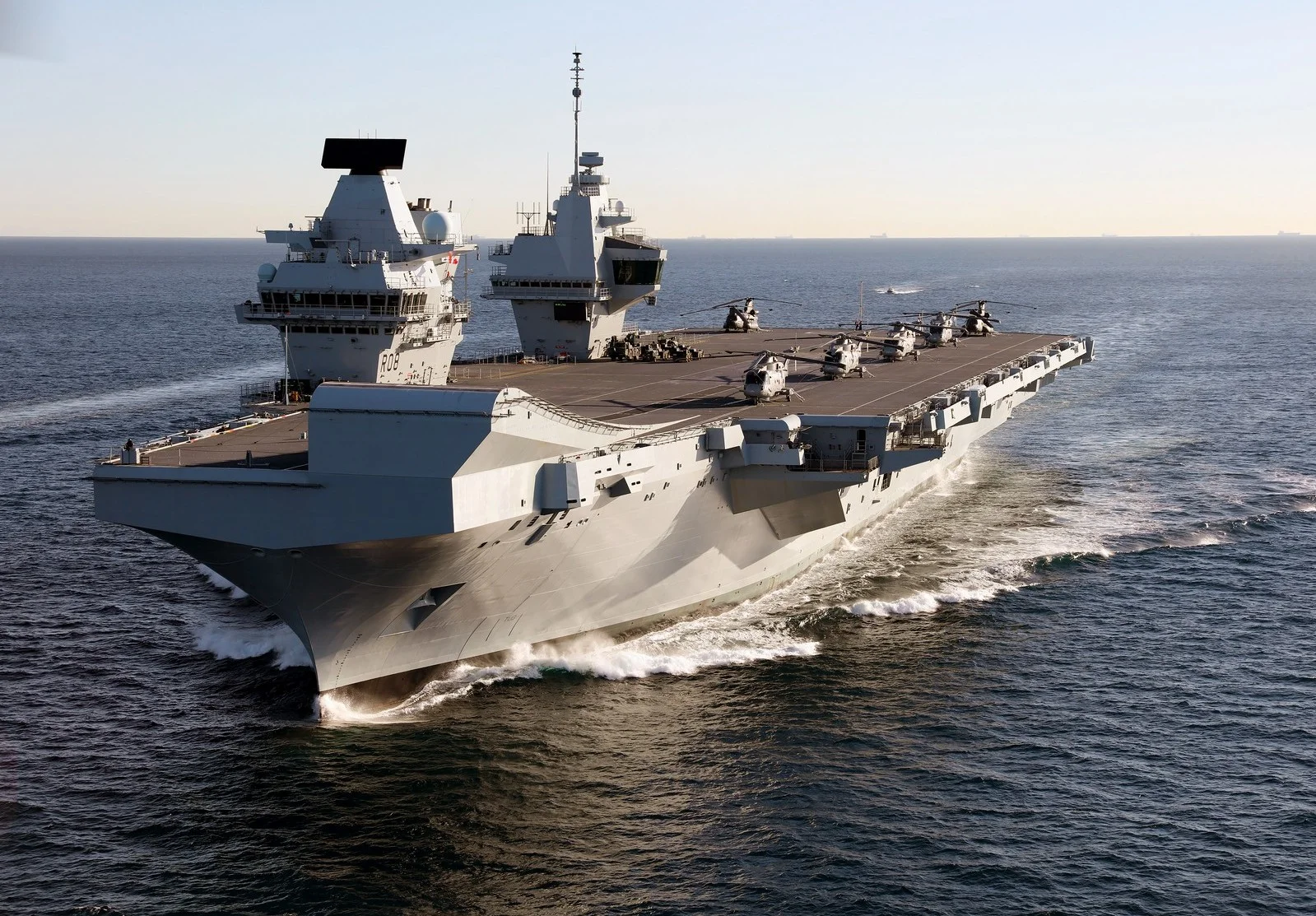
Britain’s nuclear deterrent is entirely submarine-based: Trident II D5 missiles launched from Vanguard-class submarines are the country’s sole delivery platform. The Royal Navy’s two carriers are central to global power projection.
Land Forces Inventory
| System type | Est. quantity |
|---|---|
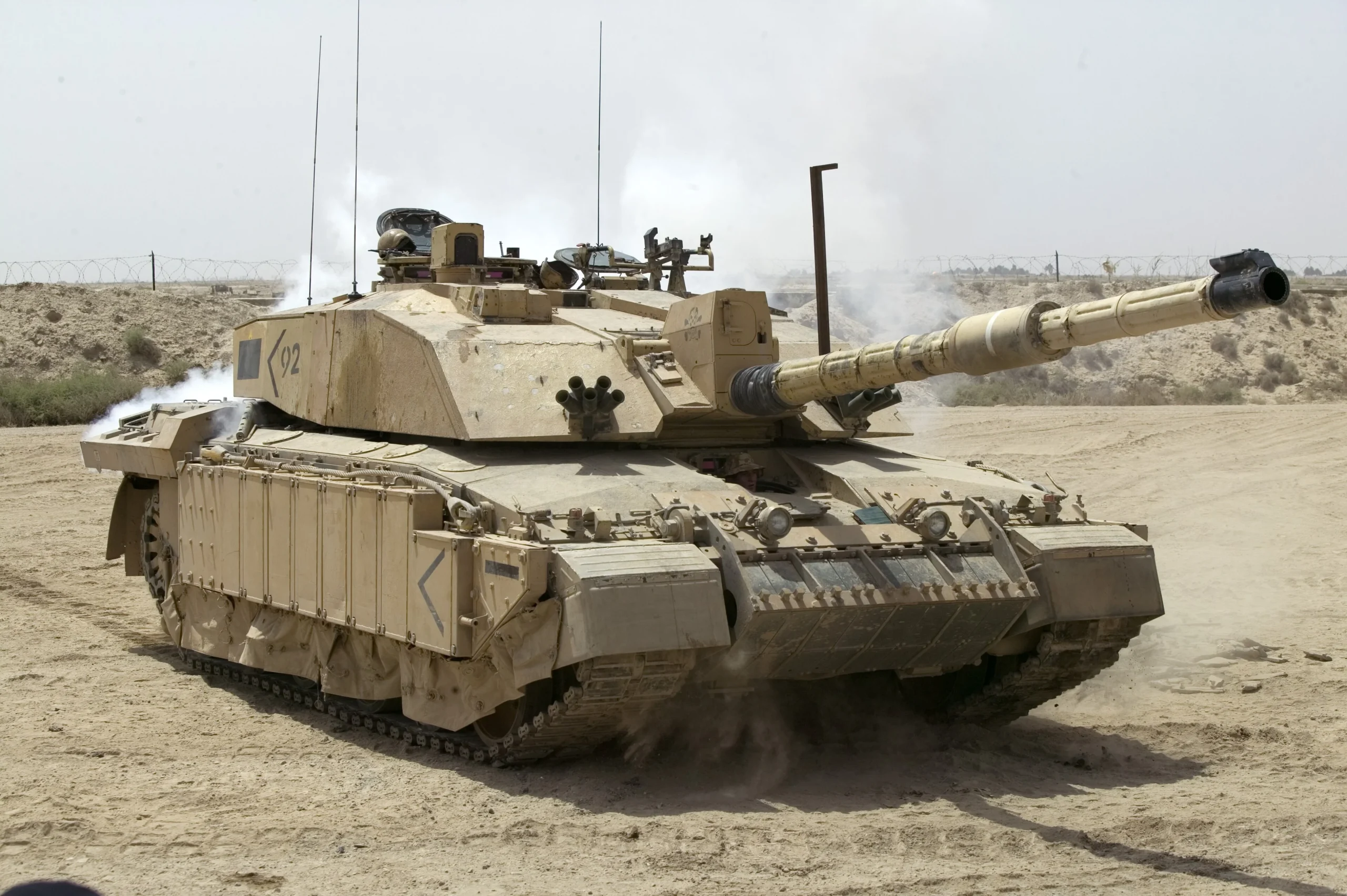
| Main battle tanks (Challenger 2, Challenger 3) | ≈ 210 |
| Armoured fighting vehicles (Ajax, Warrior, Boxer) | ≈ 5.000 |
| Howitzers (AS-90, Archer) | ≈ 90 |
| MLRS (M270) | ≈ 40 |
Air Force Inventory
| Platform | Est. quantity |
|---|---|
| Total military aircraft | ≈ 600 |
| Fighters (Typhoon, F-35B) | ≈ 160 |
| Transport / tanker (A400M, Voyager) | ≈ 50 |
| Helicopters (Apache, Merlin, Chinook) | ≈ 300 |
Missile and Air-Defence Systems
| System | Type / Note |
|---|---|
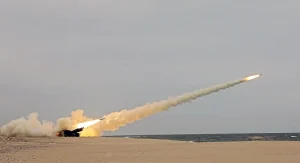
| Sky Sabre (CAMM) | Medium-range air defence |
| Trident II D5 | SLBM |
| Storm Shadow | Long-range cruise missile |
| Sea Ceptor / Sea Viper | Naval air defence |
Naval Power
| Class / Type | Est. quantity |
|---|---|
| Total naval platforms | ≈ 60 |
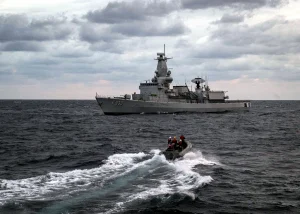
| Aircraft carriers (Queen Elizabeth-class) | 2 |
| Submarines (Vanguard SSBN, Astute SSN) | ≈ 10 |
| Destroyers / frigates (Type 45, Type 23/26) | ≈ 17 |
The Turkey Angle: Turkish Defence Industry
The UK is one of Turkey’s closest defence partners within NATO. Britain’s BAE Systems provided engineering support to Turkey’s national fighter KAAN in its early design phase.
More recently, the UK has been the most willing backer of Turkey’s talks to acquire the Eurofighter Typhoon. This constructive relationship — spanning both platform procurement and technology partnership — is seen as one of the healthier intra-NATO cooperations.
Frequently Asked Questions
How many carriers does the UK have? Two Queen Elizabeth-class carriers (HMS Queen Elizabeth and HMS Prince of Wales).
How does the UK’s nuclear force work? It relies solely on Trident II D5 ballistic missiles launched from Vanguard-class submarines; there are no land- or air-based nuclear weapons.
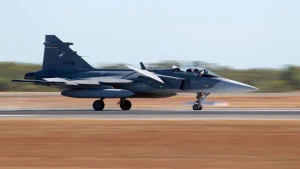
Which fighters does the UK fly? The Eurofighter Typhoon and the carrier-capable, STOVL F-35B are the main platforms.
Bottom Line
With carriers, a submarine-based deterrent and an advanced force, the UK is a core NATO nation that retains global power-projection capacity. For Turkey it is a constructive defence partner, from KAAN support to the Eurofighter talks.