Seven NATO Members Sign A400M Multinational Fleet Agreement in Ankara

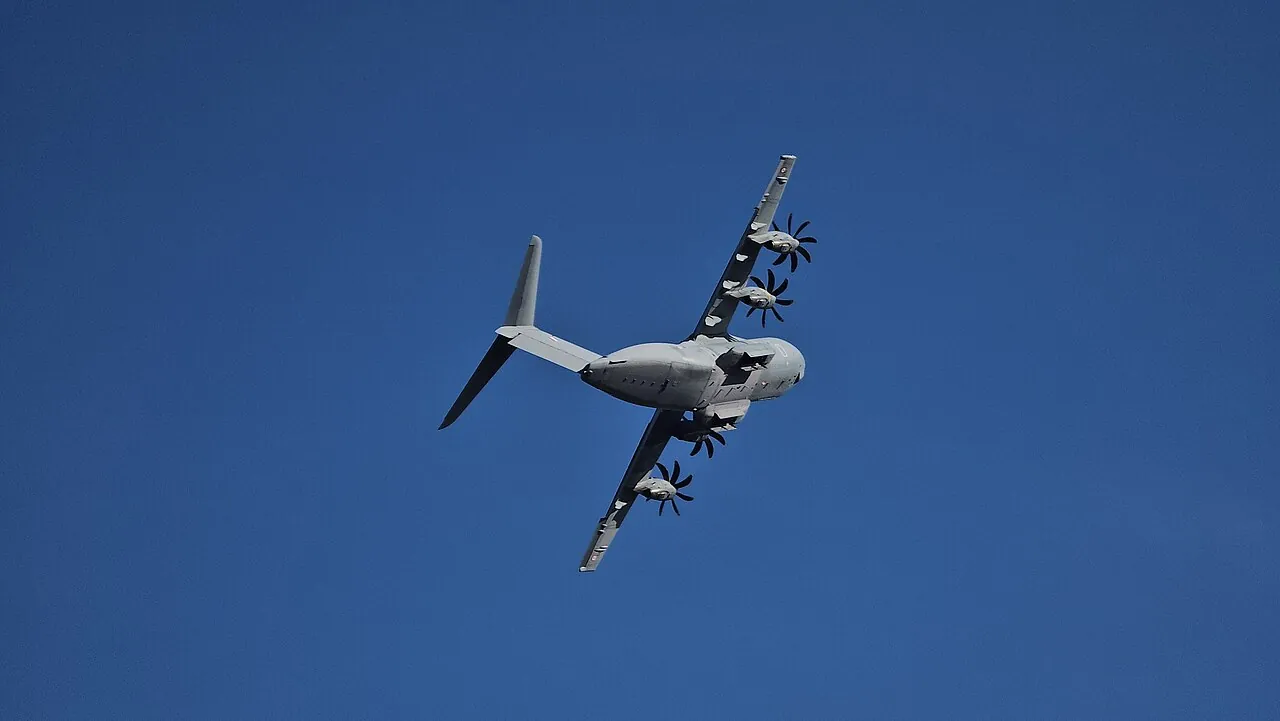
Seven NATO members — Belgium, Croatia, France, Poland, Spain, Turkey and the United Kingdom — formally launched a High Visibility Project for a multinational Airbus A400M transport aircraft fleet at the NATO Summit Defence Industry Forum in Ankara on 7 July 2026. According to Airbus’s official press release, the initiative aims to close the strategic airlift capability gap among European allies.
The project builds on the “pooling and sharing” strategy that has become increasingly common within the alliance. Five founding nations — Belgium, France, Spain, Turkey and the United Kingdom — already operate the A400M; bringing Poland and Croatia into the initiative gives both countries low-risk access to heavy airlift capacity, with the aircraft capable of carrying 37 tonnes of cargo over a 4,500-kilometre range.
The initiative builds on the earlier success of NATO’s Multinational MRTT Fleet (MMF). At the same Ankara summit, Finland formally joined the MMF, underscoring how the pooled-fleet model is gaining traction across the alliance.
| Agreement | High Visibility Project for the A400M |
| Signatories | Belgium, Croatia, France, Poland, Spain, Turkey, United Kingdom |
| Location / Date | Ankara, NATO Summit Defence Industry Forum — 7 July 2026 |
| Model | Pooling and sharing |
| Aircraft capacity | 37 tonnes of cargo · 4,500 km range |
| Related development | Finland formally joined the Multinational MRTT Fleet (MMF) at the same summit |
What a High Visibility Project Means
Within NATO, “High Visibility Project” status is granted to multinational capability initiatives that receive top-level political and military attention. Launching the A400M fleet initiative under this designation at the Ankara Defence Industry Forum reflects the priority NATO places on strategic airlift within its deterrence and defence planning.
The Airbus A400M Atlas is a multi-role military transport aircraft capable of carrying troops and armoured vehicles as well as conducting air-to-air refuelling. Already in service with five founding nations, pooling the fleet gives member states access to a scale of capacity that individual countries — particularly smaller and mid-sized air forces — could not otherwise afford on their own.
Why Poland and Croatia’s Participation Matters
Poland and Croatia currently have no A400M in their inventories. The pooled-fleet model gives both countries access to the five founding nations’ existing platforms without having to procure and operate an entirely new aircraft fleet of their own. The arrangement both lowers cost and accelerates capability acquisition — expanding strategic airlift capacity for member states on NATO’s eastern and southeastern flanks.
According to Airbus, the initiative also covers the development of common training, maintenance and operational standards among the participating nations, creating a framework that allows the fleet’s aircraft to be used more flexibly across different NATO countries.
| Country | A400M in Inventory? | Role in the Project |
|---|---|---|
| Belgium | Yes | Founding nation |
| France | Yes | Founding nation |
| Spain | Yes | Founding nation |
| Turkey | Yes | Founding nation |
| United Kingdom | Yes | Founding nation |
| Poland | No | New access to pooled fleet |
| Croatia | No | New access to pooled fleet |
NATO’s Pooling Strategy and the MMF Precedent
The A400M initiative extends the model NATO earlier established with tanker aircraft through the Multinational MRTT Fleet (MMF), under which member states jointly operate a shared pool of Airbus A330 MRTT tanker/transport aircraft, already used by multiple NATO members. Finland’s formal accession to the MMF at the same 7 July 2026 Ankara summit shows the pooling model expanding further within the alliance.
Strategic airlift sits at the core of NATO’s capacity to move troops, equipment and humanitarian aid. European allies have long faced an assessed gap in this domain; pooled-fleet models such as the A400M and MMF aim to close it by spreading investment costs that individual nations could not bear alone.
Why It Matters for Turkey
Turkey is one of the five founding nations already operating the A400M, placing it at the centre of this initiative from the outset. This position lets the Turkish Air Force meet its strategic airlift needs — earthquake and disaster-relief logistics, operational movements linked to Syria and the Black Sea region, and contributions to international peace-support missions — more flexibly through a pooled fleet. Pooling expands operational reach without increasing the number of aircraft Turkey itself must own, and spreads maintenance and operating costs across seven nations.
TUSAŞ’s existing industrial cooperation with Airbus — including composite-parts production for various Airbus platforms, among them the A400M — positions Turkey in this multinational fleet initiative not only as an operator but also as an industrial partner. That dual role strengthens Turkey’s negotiating position in future pooling and maintenance arrangements.
Turkey’s experience within the Multinational MRTT Fleet (MMF) offers a direct model for the new A400M initiative. The Turkish Air Force’s experience jointly operating tanker/transport aircraft under the MMF is a concrete reference showing that a similar pooling framework can work for the A400M fleet as well — and puts Turkey in a position to help shape the technical standards of the new initiative.
Frequently Asked Questions
Which countries signed the High Visibility Project agreement?
Belgium, Croatia, France, Poland, Spain, Turkey and the United Kingdom, signed on 7 July 2026 at the NATO Summit Defence Industry Forum in Ankara.
What is the goal of the multinational A400M fleet initiative?
To close the strategic airlift capability gap among European allies through a pooling and sharing strategy.
Do Poland and Croatia currently operate the A400M?
No; joining the initiative gives them low-risk access to the existing A400M fleet of the five founding nations without procuring their own aircraft.
What is the A400M’s payload capacity?
It can carry 37 tonnes of cargo over a range of 4,500 kilometres.
What other programme does this initiative resemble?
It builds on the success of NATO’s Multinational MRTT Fleet (MMF); Finland formally joined the MMF at the same summit.
Bottom Line
The High Visibility Project agreement signed by seven NATO members in Ankara marks a concrete step toward pooling the operation of the A400M transport fleet. Turkey’s participation as both a founding operator and an Airbus industrial partner strengthens its strategic airlift capacity and its industrial standing within NATO.
Sources
- Airbus — official press release — primary, official
- Army Recognition — verification and detail
- FlightGlobal — verification and detail