Lockheed Martin in Advanced Talks to Move PAC-3 Production Outside the US

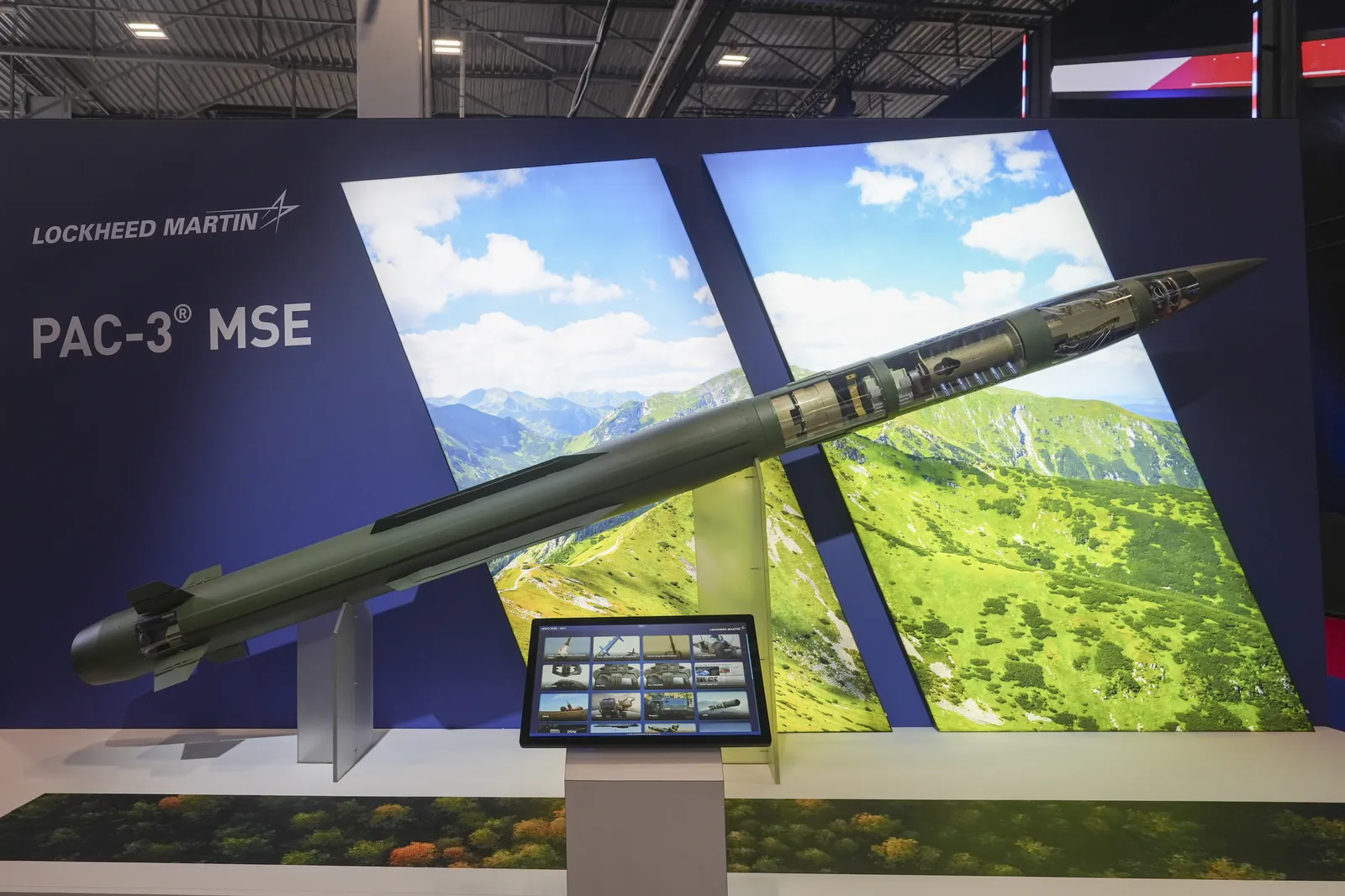
Lockheed Martin says it is holding “advanced” talks to move production of the PAC-3 MSE interceptor, the Patriot system’s workhorse missile, outside the United States. Dan Tenney, the company’s senior vice president for global business development, said Lockheed is in “advanced negotiations with several allied countries” over “future PAC-3 production locations,” without naming which nations are at the table.
Key facts
- Company: Lockheed Martin
- System: PAC-3 MSE interceptor (Patriot family)
- Current output: About 600 units a year (620 PAC-3 MSE delivered in 2025)
- 2030 target: 2,000 units a year
- Investment: Up to $9 billion through 2030
- US production sites involved: At least 20
- Announcement date: October 1, 2026
What’s changed
The idea of producing PAC-3 outside the US is not new. In July 2026, Washington announced plans for a PAC-3 maintenance facility in Europe and did not rule out producing the missile abroad. Reporting at the time pointed to Poland potentially making launch containers, Denmark certain components, and Spain’s Sener supplying actuators.
October’s statement marks a shift from a general capacity goal to advanced negotiations with specific, if unnamed, allied governments. Lockheed Martin was careful to note that no overseas production agreement has actually been signed yet, and that any final decision depends on approval from the US government.
Why the urgency
The company is no longer framing this purely as a procurement question but as a matter of “sustained combat capacity.” Ukraine continues to face sustained Russian ballistic-missile attacks without enough Patriot interceptors in reserve, while conflicts in the Middle East have drawn down interceptor stocks significantly.
With demand roughly tripling, even a production network spread across more than 20 US sites is struggling to keep pace. That turns geographic expansion from a nice-to-have into something closer to a necessity.
What it means for NATO — and Turkey
Patriot is NATO’s most widely fielded air and missile defense system, and Turkey hosted allied Patriot batteries on its own soil between 2013 and 2015. Any move to spread PAC-3 production across Europe touches the same alliance supply chain that Turkey depends on.
The story also underlines the logic behind Turkey’s own layered air-defense push — the “Steel Dome” architecture built around the domestic SİPER, HİSAR and KORKUT systems. A shortage affecting even the alliance’s most widely used interceptor is a reminder of why having a domestic production line carries real strategic weight.
FAQ
Which countries is Lockheed Martin talking to?
The company did not name them. Earlier reporting pointed to Poland, Denmark and Spain as possible production partners.
What is current vs. targeted production capacity?
Current output is roughly 600 units a year; the 2030 target is 2,000 units a year.
When could overseas production start?
No agreement has been signed yet; the process depends on US government approval.
Is Turkey directly involved in this story?
The report does not mention Turkey specifically, but Turkey is a significant NATO user of the Patriot system and part of the alliance’s air-defense supply chain.
Sources
- Army Recognition, “Lockheed Martin in Advanced Talks to Expand Patriot PAC-3 Missile Production Outside U.S.,” October 1, 2026 — used for the stage of negotiations, production targets and investment figures. Read the report
- Al-Monitor, “US talks Europe missile co-production, source says,” July 2026 — used for the candidate partner countries (Poland, Denmark, Spain) and the US approval process. Read the report