The 10 Most Successful Indigenous Defense Programs in the World (2026 Ranking)
Summary Not Found.
Building a world-class weapon system at home is one of the hardest things a nation can do, and exporting it is harder still. From Turkey’s drone revolution to South Korea’s armor empire and Sweden’s lean fighter, these programs prove that indigenous design can outcompete the established giants. Here is our 2026 ranking of the ten most successful indigenous defense programs, judged on operational record, technology, and export wins.
Each system is scored 0-10 across 8 criteria; the weighted total is out of 100.
Criterion
Weight
What It Measures
Operational Success
%18
Mission performance and operational reliability
Combat Experience
%16
Proven record in real conflicts
Technology Level
%16
Level of sensor, weapon and protection technology
Export Success
%12
International sales and contract volume
Operator Count
%10
Number of active operator nations
Upgrade Potential
%10
Availability of upgrade and modernization paths
Production Status
%10
Whether serial production continues
Cost-Effectiveness
%8
Unit price and life-cycle cost
Ranking Table
Rank
System
Origin
Score
#1
Bayraktar TB2 (Baykar)
Turkey
94.0/100
#2
Arrow / Iron Dome (Israel)
Israel
83.6/100
#3
K2 Black Panther (Hyundai Rotem)
South Korea
82.4/100
#4
Bayraktar Akinci (Baykar)
Turkey
80.8/100
#5
JAS 39 Gripen (Saab)
Sweden
80.2/100
#6
BrahMos (India / Russia JV)
India
77.0/100
#7
T129 ATAK (TUSAS / TAI)
Turkey
70.2/100
#8
Type 10 / Type 90 (Japan)
Japan
63.2/100
#9
KAAN (TUSAS / TAI)
Turkey
53.8/100
#10
Altay (BMC / ASELSAN)
Turkey
49.8/100
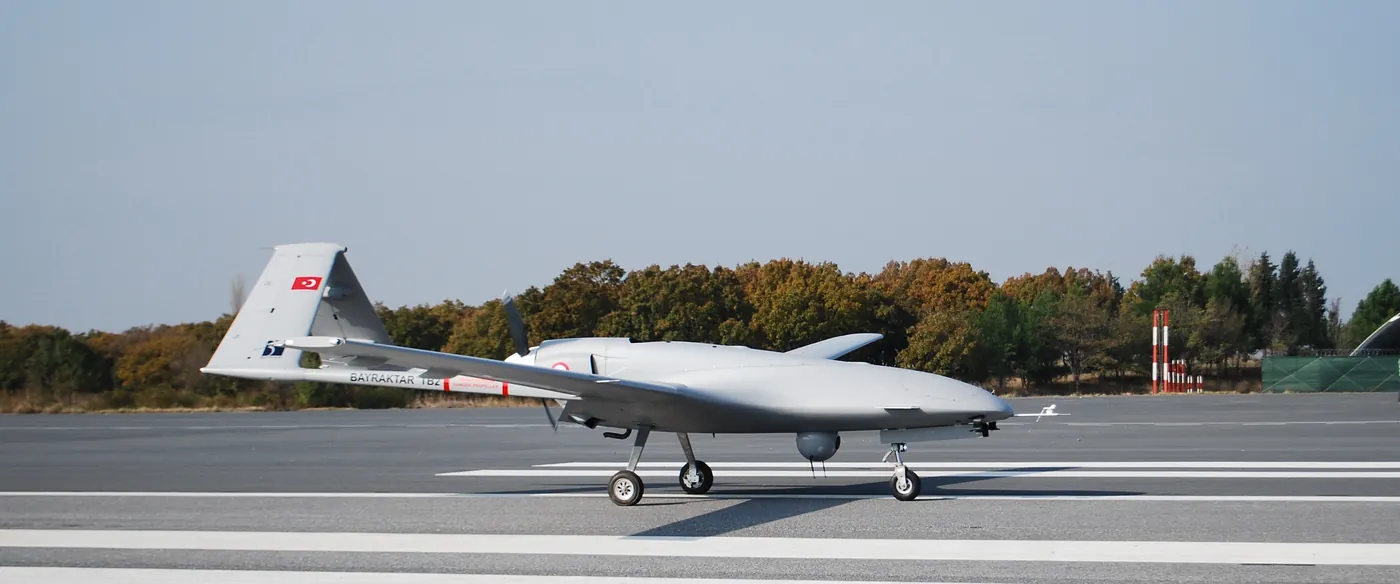
#1 — Bayraktar TB2 (Baykar) (Turkey) · 94.0/100
Bayraktar TB2 (Baykar) — CC BY-SA 4.0
Score Breakdown — 94.0/100
Operational Success10/10
Combat Experience10/10
Technology Level8/10
Export Success10/10
Operator Count10/10
Upgrade Potential9/10
Production Status9/10
Cost-Effectiveness9/10
The Bayraktar TB2 is arguably the most influential indigenous defense program of the decade, reshaping modern warfare from Libya to Ukraine and turning Turkey into a global drone power.
With exports to more than 30 countries and over a million flight hours, no other recent indigenous platform matches its combination of combat proof, affordability and market penetration.
Key Specifications
Export reach
34+ operator nations, 36 signed agreements
Combat record
Decisive in Libya, Nagorno-Karabakh, Ukraine
Milestone
Over 1 million fleet flight hours
Role
MALE armed ISR / strike UAV
Munitions
MAM-L / MAM-C smart micro-munitions
Endurance
~27 hours
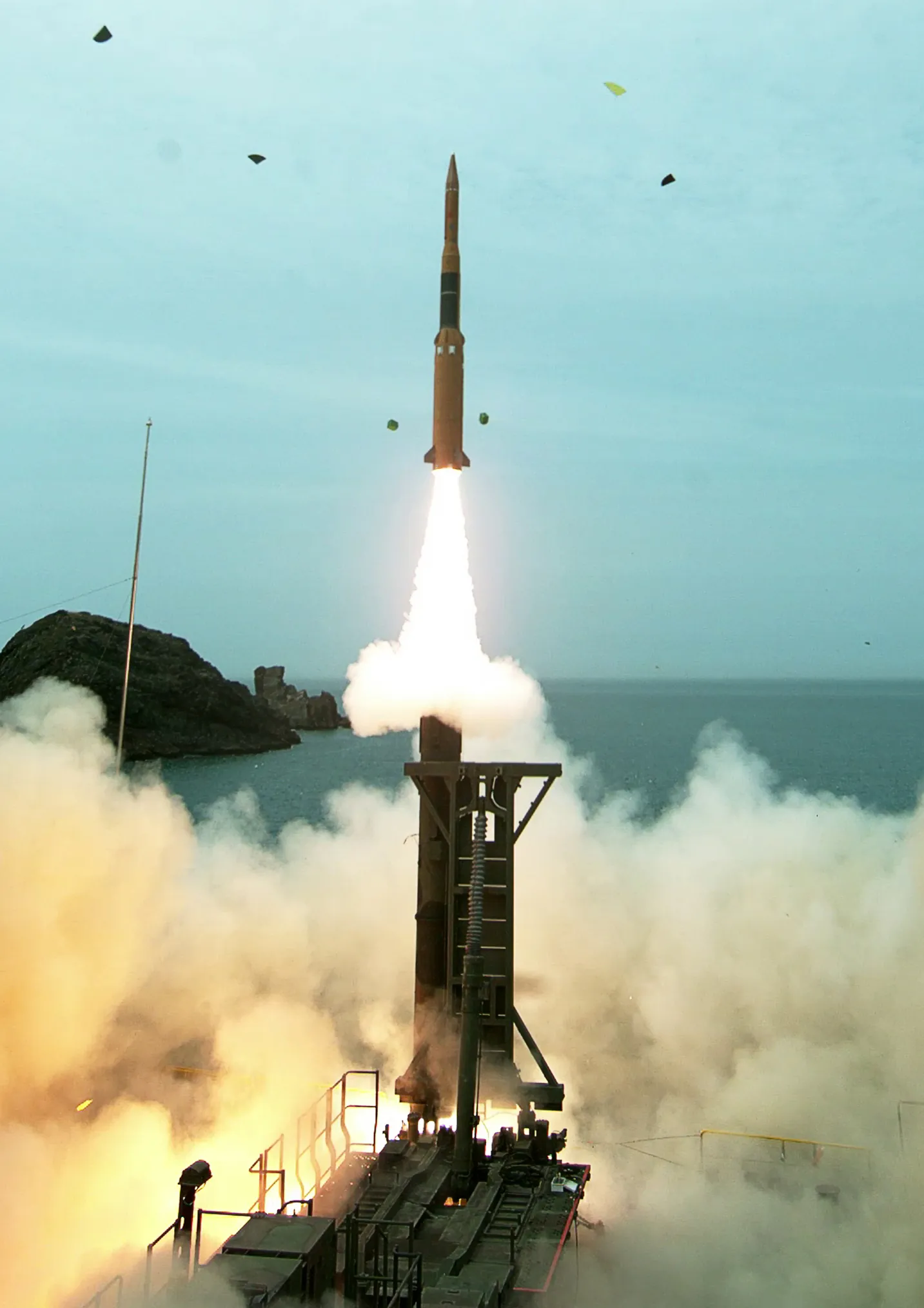
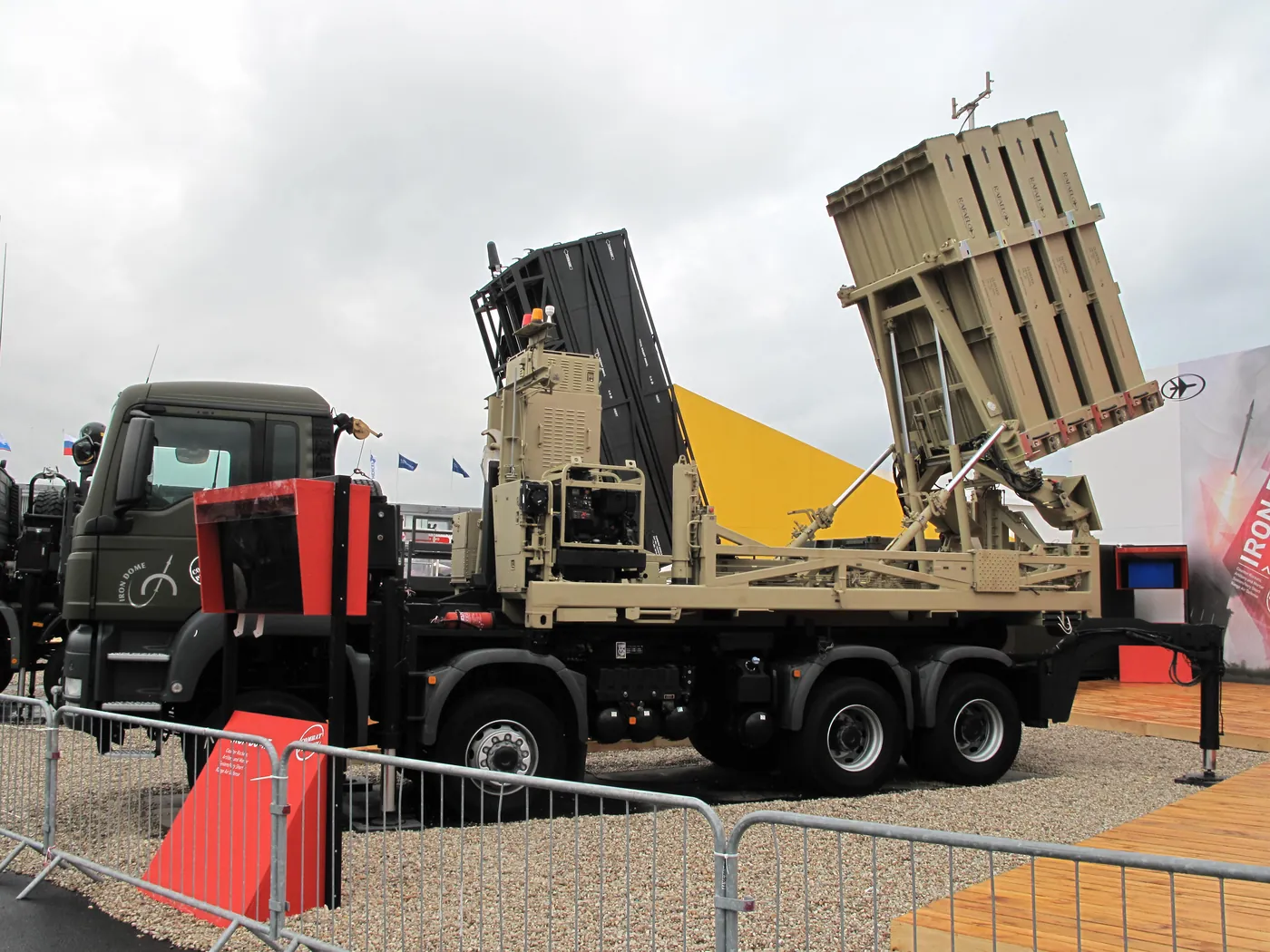
#2 — Arrow / Iron Dome (Israel) (Israel) · 83.6/100
Arrow / Iron Dome (Israel) — CC BY-SA 3.0
Score Breakdown — 83.6/100
Operational Success10/10
Combat Experience10/10
Technology Level10/10
Export Success7/10
Operator Count5/10
Upgrade Potential9/10
Production Status8/10
Cost-Effectiveness4/10
Israel’s layered missile-defense complex is the most combat-proven indigenous air-defense ecosystem in the world, intercepting thousands of real threats.
The landmark Arrow 3 sale to Germany shows that even the most sensitive Israeli systems have become exportable flagships of indigenous design.
Key Specifications
Layers
Iron Dome (short), David’s Sling (medium), Arrow (ballistic)
Combat record
Thousands of live intercepts
Export milestone
Arrow 3 sold to Germany
Strength
Proven multi-tier missile defense
Operators
Israel, US (Iron Dome), Germany (Arrow 3)
Role
Layered air and missile defense
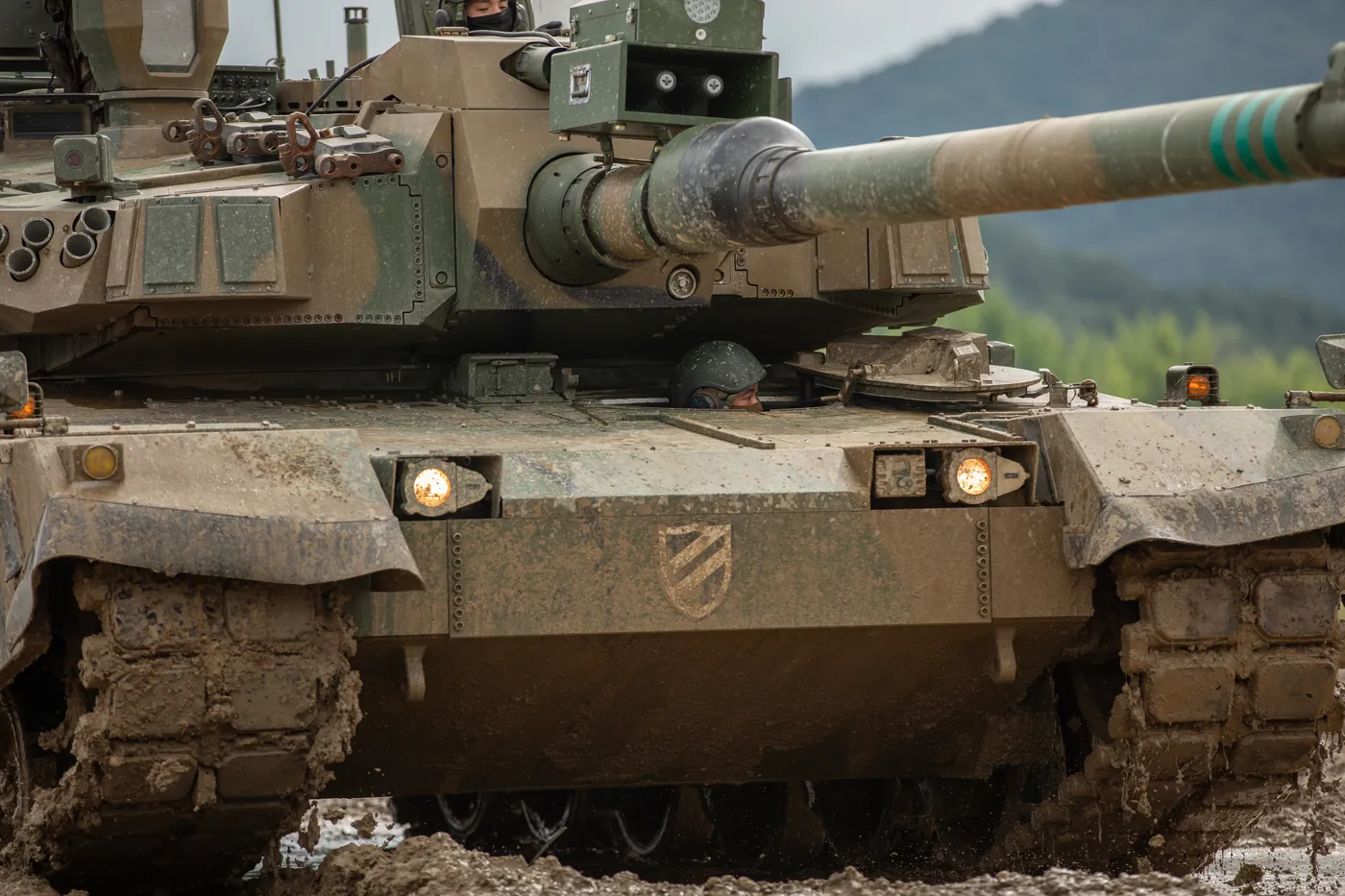
#3 — K2 Black Panther (Hyundai Rotem) (South Korea) · 82.4/100
K2 Black Panther (Hyundai Rotem) — Public domain
Score Breakdown — 82.4/100
Operational Success9/10
Combat Experience7/10
Technology Level9/10
Export Success9/10
Operator Count7/10
Upgrade Potential9/10
Production Status9/10
Cost-Effectiveness6/10
The K2 Black Panther turned South Korea into Europe’s armor supplier of choice, anchored by a landmark framework deal for roughly 1,000 tanks with Poland.
Local Polish production and follow-on interest from Peru show how a once domestically focused program became a benchmark for export-driven indigenous armor.
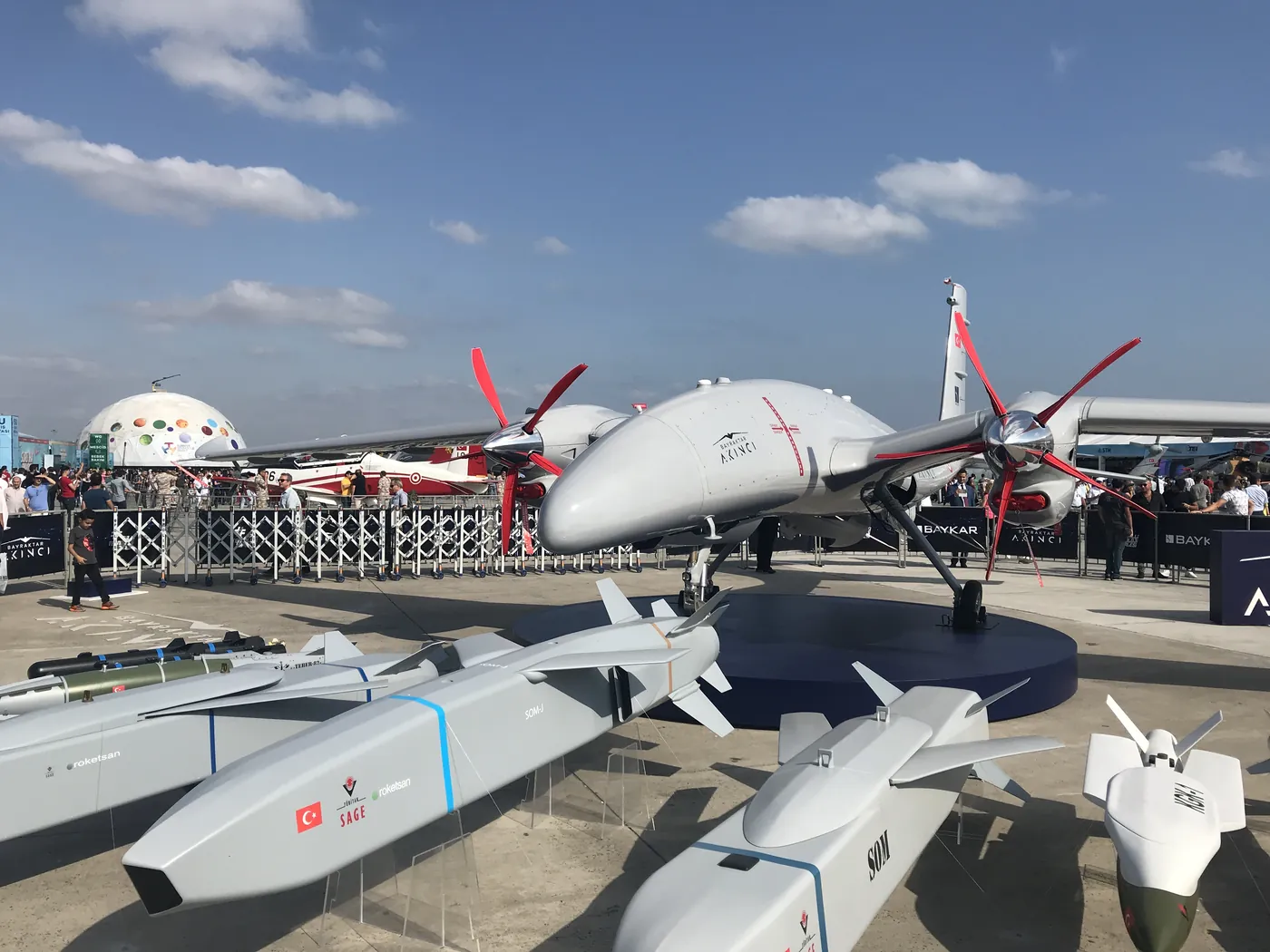
Akinci scales up the Baykar formula into a strategic-class platform able to carry heavy stand-off munitions and even cruise missiles at high altitude.
Exports to Pakistan, the UAE and Saudi Arabia, plus a new AESA-equipped variant, confirm that Turkey’s drone success extends well beyond the TB2.
Key Specifications
Class
HALE heavy combat / strike UAV
Radar
MURAD AESA radar (2025 flight)
Payload
Heavy stand-off munitions, cruise missiles
Export customers
Pakistan, UAE, Saudi Arabia
Strength
High altitude, large payload, twin turboprop
Role
Strategic strike / ISR UAV
#5 — JAS 39 Gripen (Saab) (Sweden) · 80.2/100
JAS 39 Gripen (Saab) — CC BY-SA 2.0
Score Breakdown — 80.2/100
Operational Success9/10
Combat Experience7/10
Technology Level8/10
Export Success8/10
Operator Count8/10
Upgrade Potential8/10
Production Status8/10
Cost-Effectiveness8/10
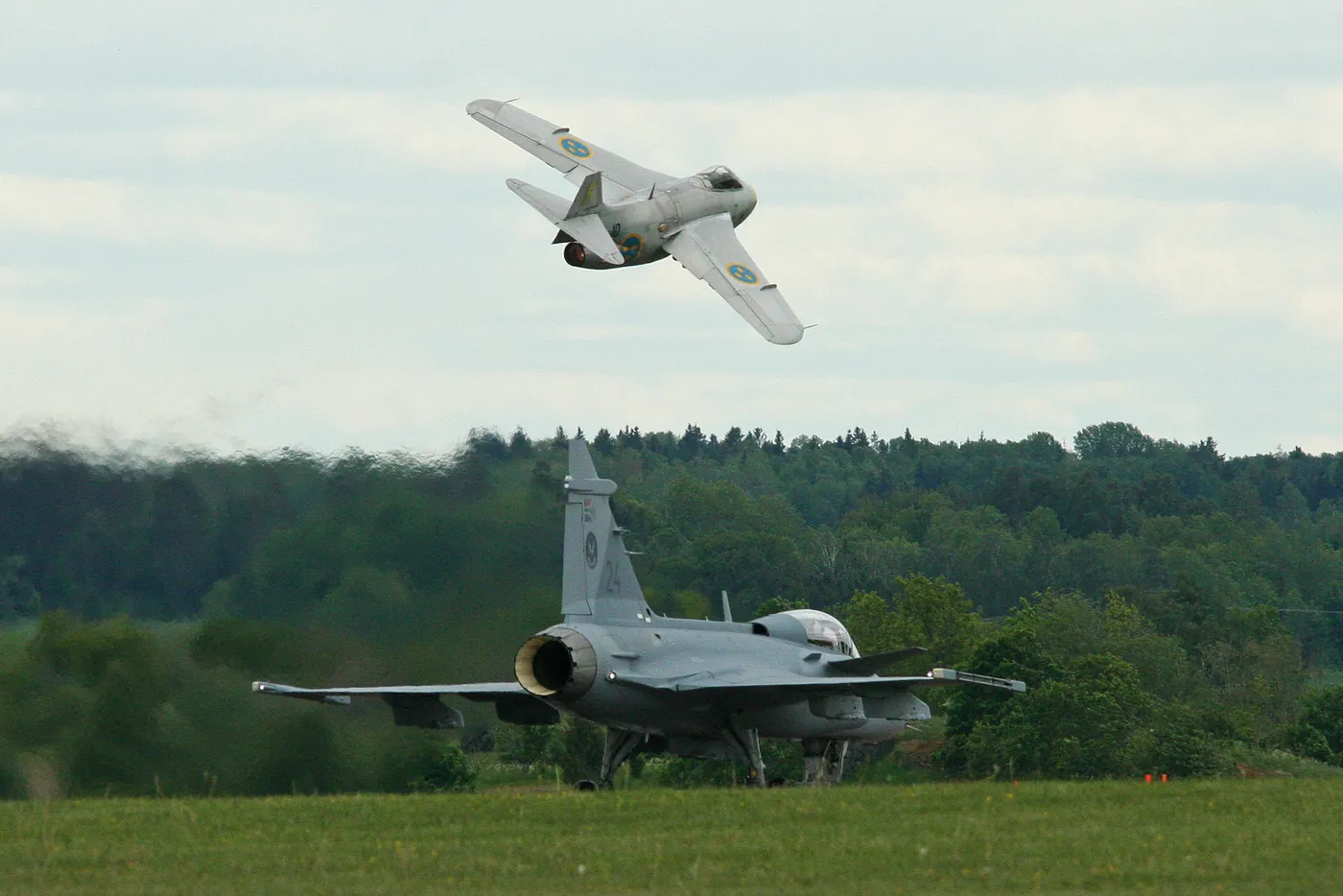
The Gripen proves a mid-sized nation can field a competitive, sovereign fighter; its low life-cycle cost and dispersed-base concept keep it attractive against far larger rivals.
Sustained exports across four continents and a deep industrial partnership with Brazil cement Gripen as one of the most successful indigenous fighter programs outside the major powers.
Key Specifications
Class
4th/4.5-gen multirole fighter (Gripen E/F)
Operators
Sweden, Czechia, Hungary, South Africa, Thailand, Brazil
Strength
Low operating cost, dispersed-base operations
Sensors
Raven ES-05 AESA radar (Gripen E)
Local build
Brazil (Embraer) assembly partnership
Role
Lightweight multirole fighter
#6 — BrahMos (India / Russia JV) (India) · 77.0/100
BrahMos (India / Russia JV) — GODL-India
Score Breakdown — 77.0/100
Operational Success9/10
Combat Experience7/10
Technology Level9/10
Export Success7/10
Operator Count6/10
Upgrade Potential8/10
Production Status8/10
Cost-Effectiveness6/10
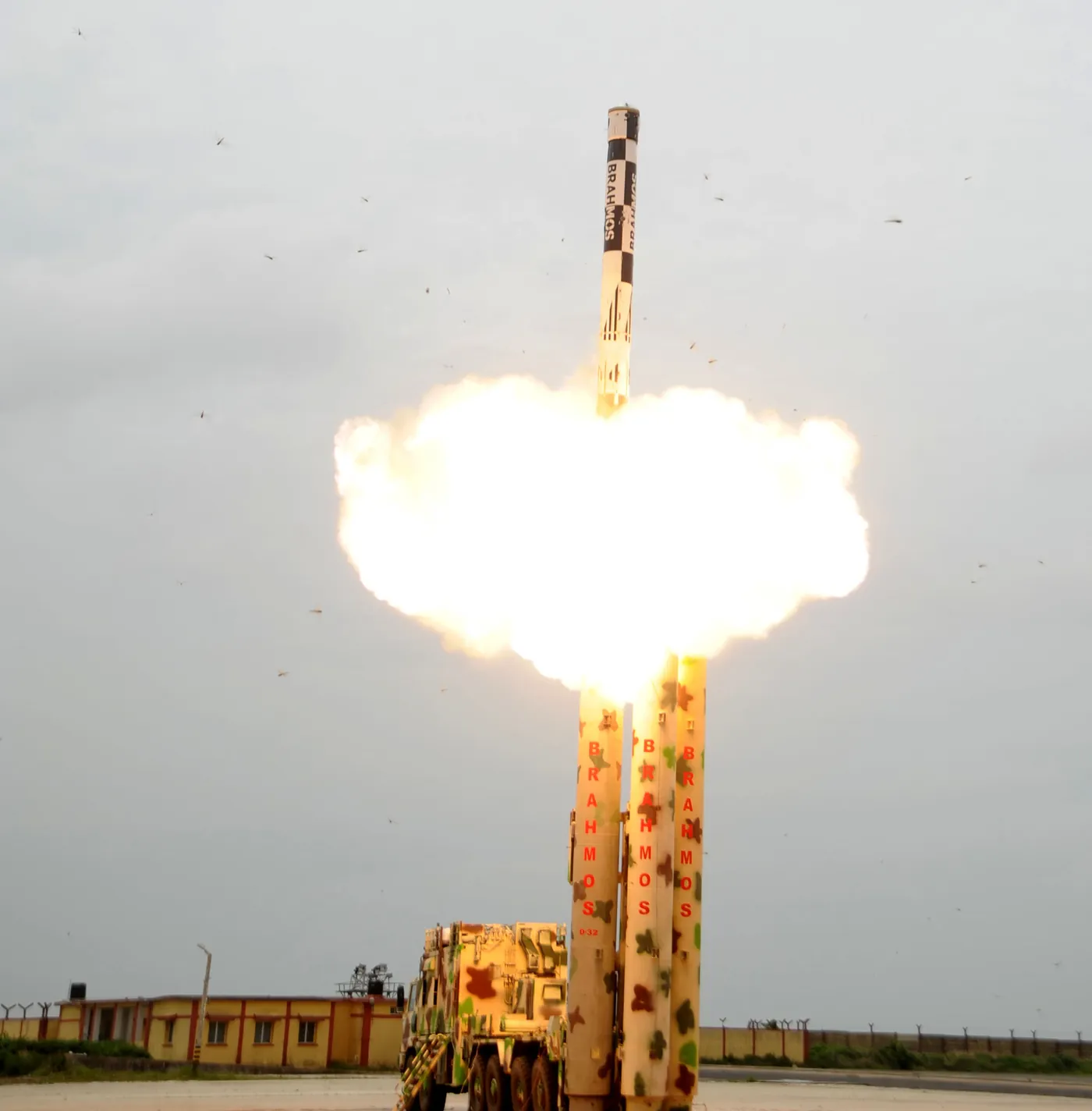
BrahMos is one of the most capable supersonic cruise missiles in service and India’s flagship indigenous strike weapon, fielded across land, sea and air platforms.
Its first export to the Philippines marked India’s emergence as a missile exporter, with Manila already seeking additional batteries amid regional tensions.
Key Specifications
Speed
Supersonic (~Mach 2.8-3)
First export
Philippines (USD 375M deal, delivered)
Variants
Ground, naval and air-launched
Range
Up to ~290-400 km (ER variant)
Strength
Sea-skimming precision anti-ship strike
Role
Supersonic cruise missile
#7 — T129 ATAK (TUSAS / TAI) (Turkey) · 70.2/100
T129 ATAK (TUSAS / TAI) — CC BY-SA 4.0
Score Breakdown — 70.2/100
Operational Success8/10
Combat Experience8/10
Technology Level7/10
Export Success6/10
Operator Count5/10
Upgrade Potential7/10
Production Status7/10
Cost-Effectiveness7/10
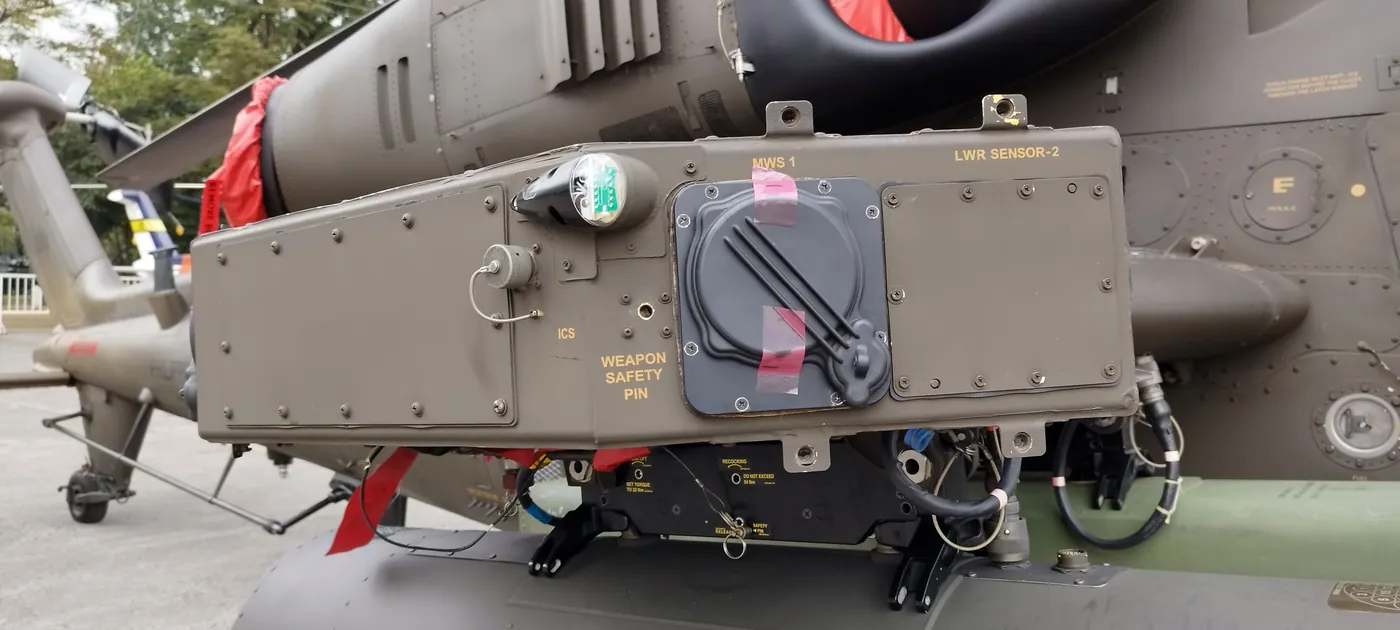
The T129 ATAK matured a licensed platform into a heavily indigenized attack helicopter combat-proven across rugged terrain.
Its export to the Philippines demonstrates international confidence, though engine-supply dependencies have constrained some prospective deals.
Key Specifications
Class
Twin-engine attack helicopter
Combat record
Proven in southeastern Turkey, Iraq, Syria
Armament
UMTAS/CIRIT missiles, 20 mm turret
Export customer
Philippines (6 delivered)
Strength
Hot-and-high performance, agility
Role
Attack / reconnaissance helicopter
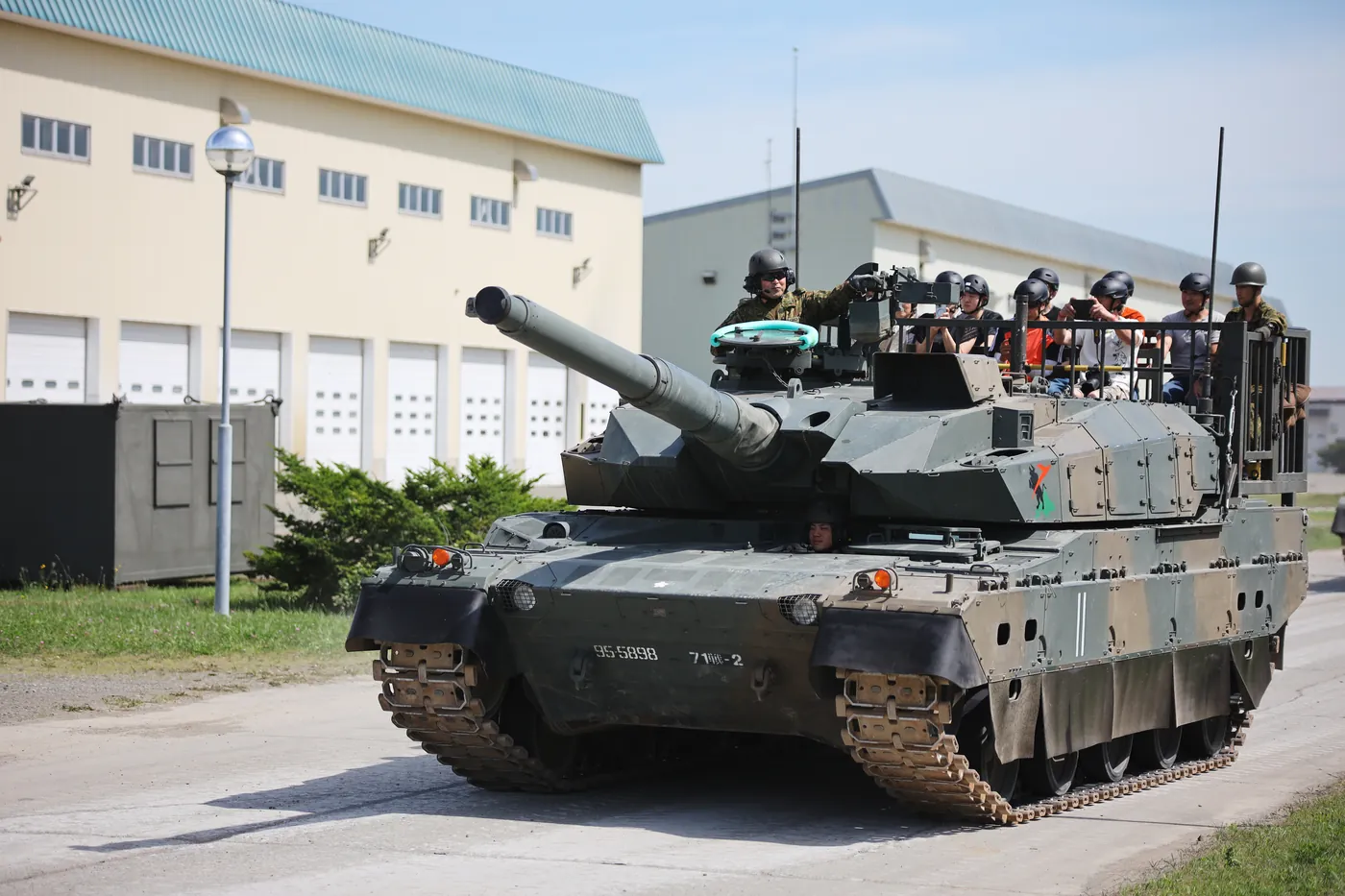
#8 — Type 10 / Type 90 (Japan) (Japan) · 63.2/100
Type 10 / Type 90 (Japan) — CC BY 2.0
Score Breakdown — 63.2/100
Operational Success8/10
Combat Experience5/10
Technology Level9/10
Export Success2/10
Operator Count4/10
Upgrade Potential8/10
Production Status8/10
Cost-Effectiveness5/10
Japan’s Type 10 showcases world-class indigenous engineering, with advanced networking and a lightweight design tailored to Japanese terrain.
Long-standing export restrictions have kept it domestic, capping its commercial reach despite its technological excellence and high build quality.
Key Specifications
Main gun
120 mm smoothbore, indigenous design
Strength
Lightweight, advanced C4I networking
Protection
Modular nano-crystal steel composite armor
Mobility
Hydropneumatic suspension, high agility
Export
Domestic-only (historic policy constraints)
Role
4th-generation main battle tank
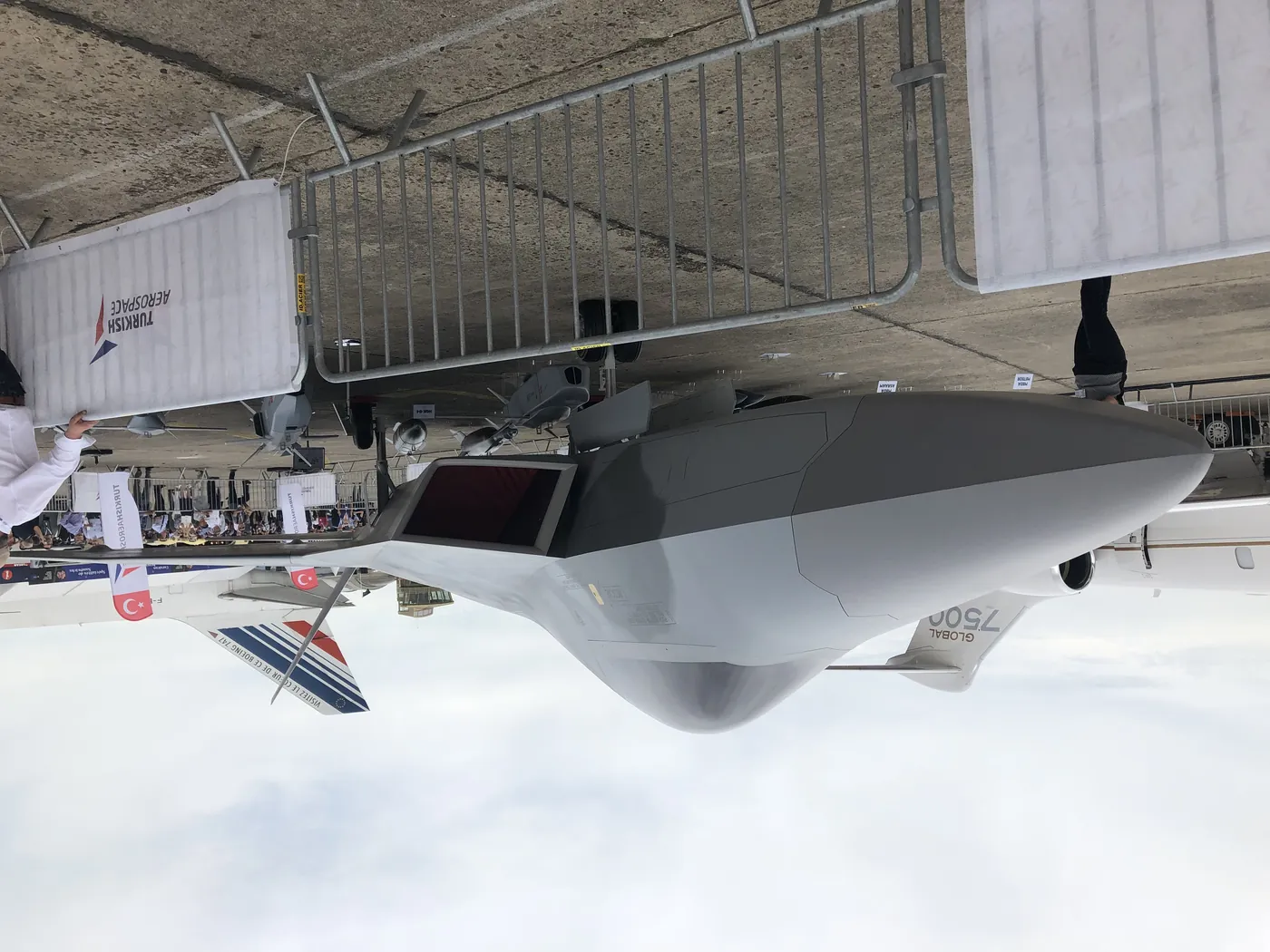
#9 — KAAN (TUSAS / TAI) (Turkey) · 53.8/100
KAAN (TUSAS / TAI) — CC BY-SA 4.0
Score Breakdown — 53.8/100
Operational Success4/10
Combat Experience2/10
Technology Level9/10
Export Success5/10
Operator Count3/10
Upgrade Potential10/10
Production Status6/10
Cost-Effectiveness5/10
KAAN places Turkey in the very small club of nations developing a 5th-generation stealth fighter, with maiden and second flights achieved in 2024.
Although still pre-production, its cutting-edge design and early export interest from Indonesia mark it as one of the most ambitious indigenous programs anywhere, scoring high on technology and modernity even before entering service.
Key Specifications
Class
5th-generation twin-engine stealth fighter
Status
Maiden and second flights completed (2024)
Avionics
Indigenous AESA radar, sensor fusion
First export interest
Indonesia (cooperation framework)
Strength
Stealth airframe, internal weapons bays
Role
Air superiority / multirole stealth fighter
#10 — Altay (BMC / ASELSAN) (Turkey) · 49.8/100
Altay (BMC / ASELSAN) — Public domain
Score Breakdown — 49.8/100
Operational Success4/10
Combat Experience2/10
Technology Level8/10
Export Success4/10
Operator Count2/10
Upgrade Potential9/10
Production Status6/10
Cost-Effectiveness6/10
Altay represents Turkey’s drive for a fully sovereign main battle tank, integrating indigenous sensors, an active protection system and a domestic powerpack program.
Still early in serial production and yet to prove itself in service or export, it scores on technology and modernity while its combat and user record remains to be built.
Key Specifications
Main gun
120 mm 55-caliber smoothbore
Status
Serial production ramp-up underway
Protection
AKKOR active protection system (ASELSAN)
Powerpack
Indigenous BATU engine in development
Strength
Modern sensors, networked fire control
Role
3rd-generation main battle tank
Technical Comparison Table
System
Origin
Key Spec
Score
Bayraktar TB2 (Baykar)
Turkey
34+ operator nations, 36 signed agreements
94.0/100
Arrow / Iron Dome (Israel)
Israel
Iron Dome (short), David’s Sling (medium), Arrow (ballistic)
Sweden, Brazil, Czechia, Hungary, South Africa, Thailand
BrahMos
India; Philippines (first export)
Bayraktar Akinci
Turkey, Pakistan, UAE, Saudi Arabia
Arrow / Iron Dome
Israel, United States, Germany (Arrow 3)
Frequently Asked Questions
Which is the most successful indigenous defense program?
Turkey’s Bayraktar TB2 leads the ranking. No other recent indigenous platform combines its combat record (decisive in Libya, Nagorno-Karabakh and Ukraine), its export reach to more than 30 nations, and over a million fleet flight hours. It single-handedly turned Turkey into a global drone power and reshaped modern warfare.
Why does Turkey appear so often in this ranking?
Turkey fields five entries — TB2, Akinci, KAAN, T129 ATAK and Altay — because its defense ecosystem has pursued sovereignty across drones, fighters, helicopters and armor simultaneously. Baykar’s drones are combat-proven export champions, while KAAN and Altay represent ambitious next-generation bets on full indigenous capability.
What makes a defense program ‘indigenous’ and successful?
An indigenous program is designed and built domestically rather than imported or assembled under license. Success is measured by operational proof in real missions, technological maturity, and — crucially — export wins, since selling abroad validates that the system can compete with established global suppliers.
How does KAAN compare to the F-35?
KAAN is a 5th-generation stealth fighter that flew for the first time in 2024 but remains pre-production, whereas the F-35 is a mature, mass-produced and combat-proven platform. KAAN scores very high on technology and modernity for its ambition, but low on combat record and user base until it enters serial service.
Are these indigenous systems competitive on export markets?
Many are highly competitive. The TB2 undercut Western drones on price, the K2 won a roughly 1,000-tank Polish deal, Gripen sells across four continents, and Arrow 3 was bought by Germany. Export success is precisely what separates the programs at the top of this ranking from purely domestic projects.