Why a Warship Is Harder to Replace Than a Tank

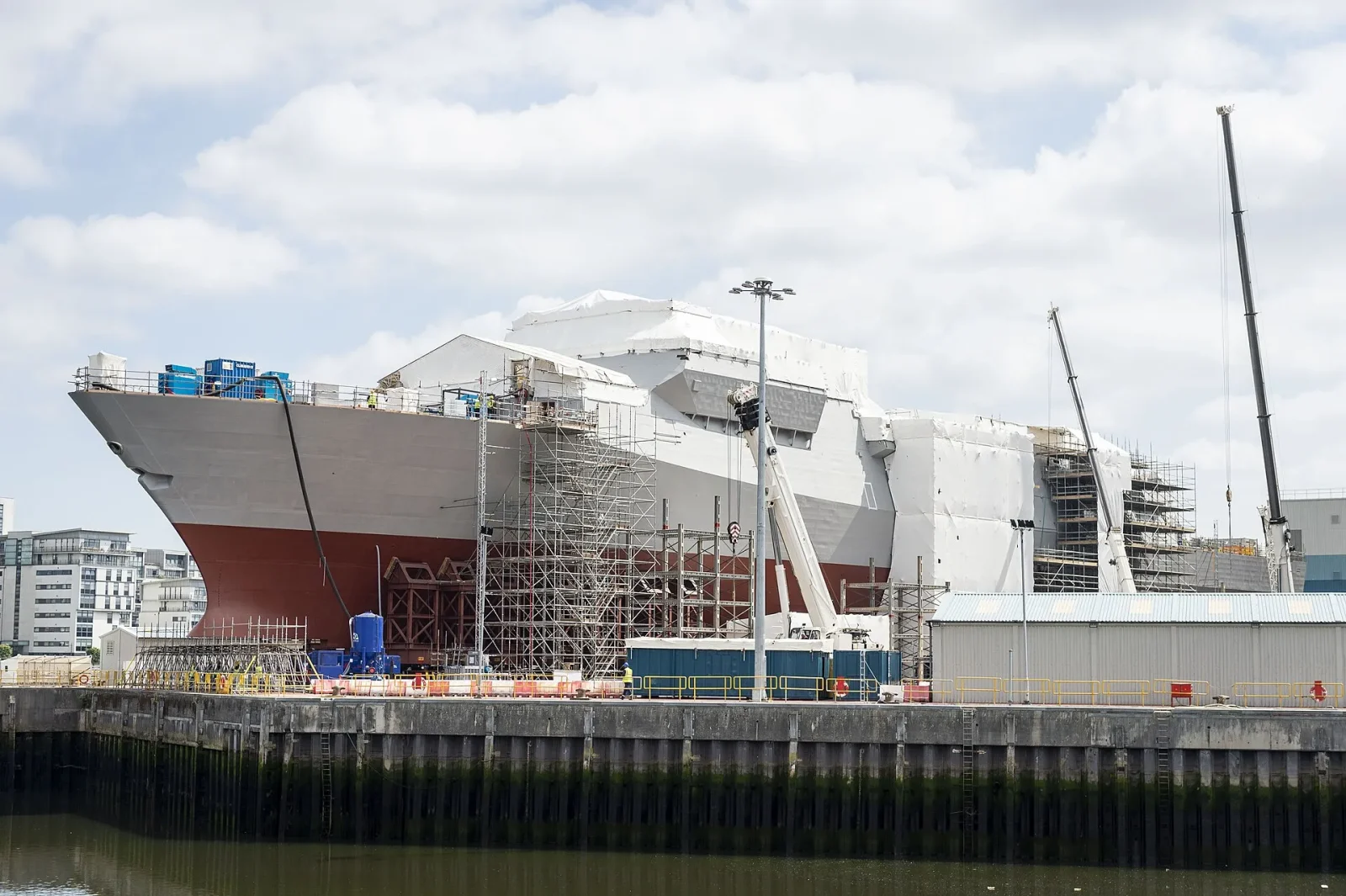
A tank can leave the production line within months. A frigate or destroyer, by contrast, now takes seven to nine years on average to go from keel-laying to a fleet-ready warship, according to the US Government Accountability Office (GAO). That gap is not a matter of degree — it is a different category of industrial problem, and it explains why naval losses tend to reshape a fleet’s balance of power for a decade, while land-force losses can often be made good within a single budget cycle.
The US shipbuilding picture
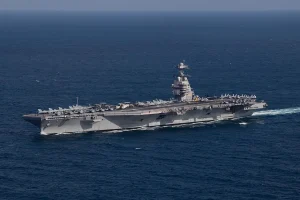
GAO’s review of 45 US Navy battle-force ships under construction as of September 2024 found that all 37 examined vessels were behind schedule. The Virginia-class submarine program is running at roughly 60% of its annual production target, and the lead ship of the Constellation-class frigate program has slipped by 36 months. The Congressional Budget Office’s 2025 shipbuilding-plan analysis reaches a similar conclusion: despite the Navy’s budget for shipbuilding nearly doubling over two decades, the fleet has not grown. GAO attributes this to workforce shortages and supply-chain bottlenecks in a shipbuilding industrial base that has consolidated to a handful of yards — Bath Iron Works, Newport News, and a small number of others capable of building major surface combatants or submarines.
Allied yards show the same pattern. In the UK, a Type 26 frigate takes about seven years to build; BAE Systems is trying to cut its Govan build time from 96 months to 60. The bottleneck is structural: integrating sensors, weapons, combat-management software, and propulsion into a single hull requires a specialized, years-trained workforce that cannot be scaled up quickly, and only a limited number of NATO yards are qualified to do it.
Land systems: a faster, wider industrial base
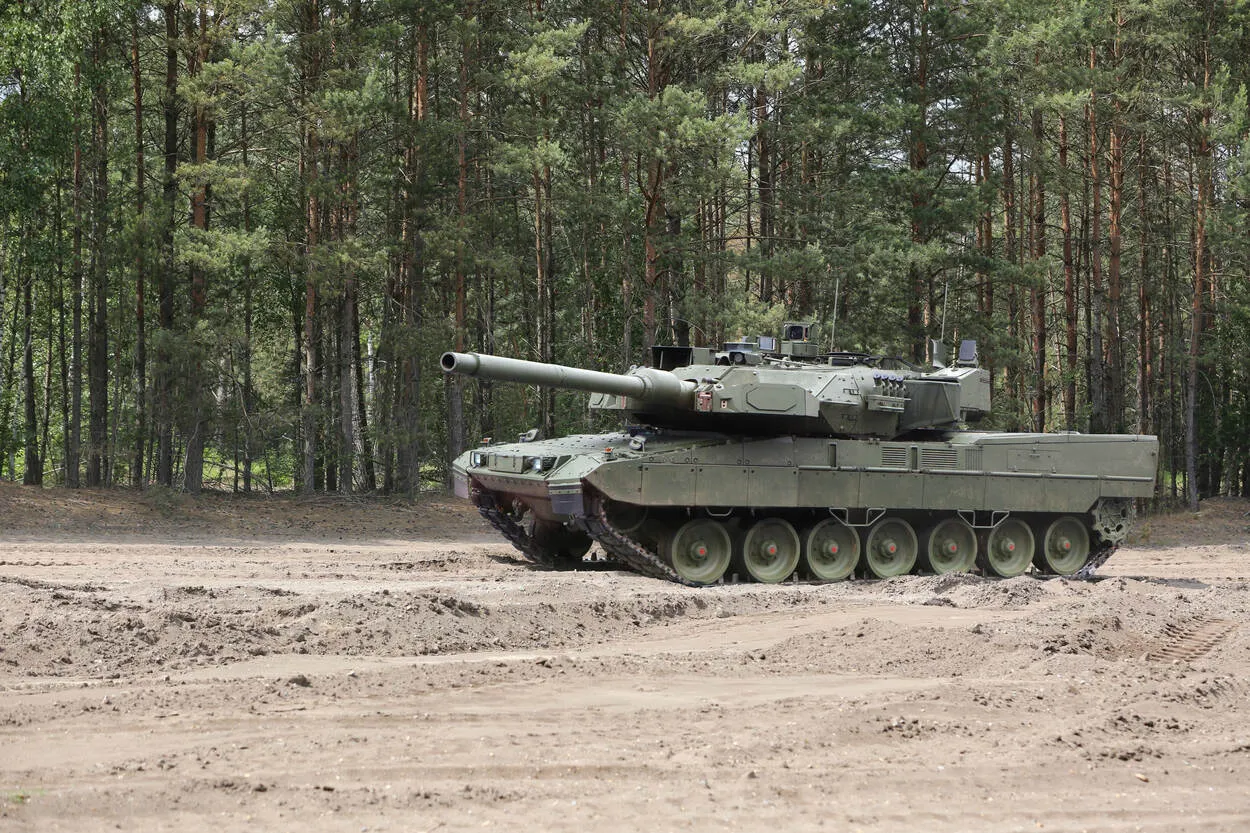
Armor production sits on a much broader base. KNDS produces roughly 58 Leopard 2A8s a year at its Kassel plant in Germany, and is adding capacity in Norway (up to 36 a year) and Lithuania (up to 41 a year). In the US, the Lima Army Tank Plant in Ohio remanufactures M1 Abrams tanks at roughly 12 a month — well below the Cold War peak of about 120 a month for the M1A1, but proof that the line can be re-scaled given political will and funding. Crew training runs about 22 weeks for new tank crews, and as little as 8-12 weeks for experienced personnel, versus the months of work-up required before a warship crew reaches full operational readiness.
Moskva: what an unreplaceable loss looks like
The sinking of the Russian cruiser Moskva in April 2022 is the clearest recent illustration of what an unreplaceable naval loss means in practice. According to the naval-analysis site Navy Lookout, the only shipyard historically capable of building that class of cruiser was in Mykolaiv, now part of Ukraine and inaccessible to Russia; Moscow has built only frigates and corvettes for decades. The 1936 Montreux Convention adds a further constraint, since Türkiye has kept the Bosphorus and Dardanelles closed to warship transits since the invasion, limiting Russia’s ability to move a replacement vessel from another fleet into the Black Sea.
Comparison
| Criterion | Tank | Frigate / destroyer / submarine |
|---|---|---|
| Build time, new unit | Weeks to months on an existing line | 7-9 years on average (GAO) |
| Producing facilities (West) | Multiple countries and plants | A small number of qualified yards |
| Crew training | ~22 weeks (8-12 for experienced crews) | Months to full operational readiness |
| Rapid substitution from stock | Possible (older stored models) | Generally not possible |
Sources
- GAO, “Navy and Coast Guard Shipbuilding” — gao.gov/products/gao-26-109068
- Congressional Budget Office, “An Analysis of the Navy’s 2025 Shipbuilding Plan” — cbo.gov/publication/61155
- KNDS press release, Lithuania plant — knds.com
- Jane’s, Norway Leopard 2A8 production line — janes.com
- Navy Lookout, Moskva analysis — navylookout.com