New Zealand’s Military Strength: ANZAC Frigates, P-8 Poseidons and the NZDF Inventory (2026)

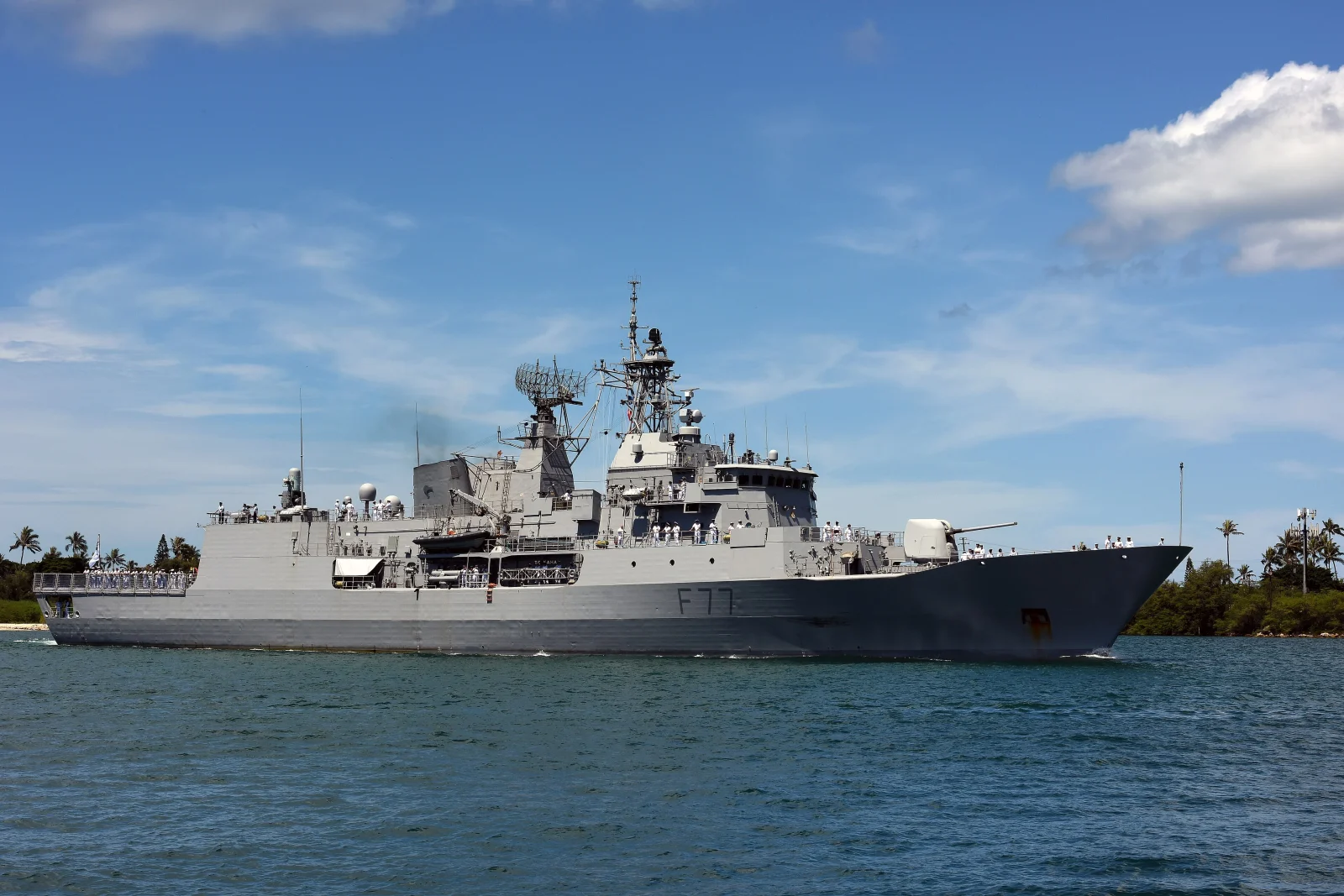
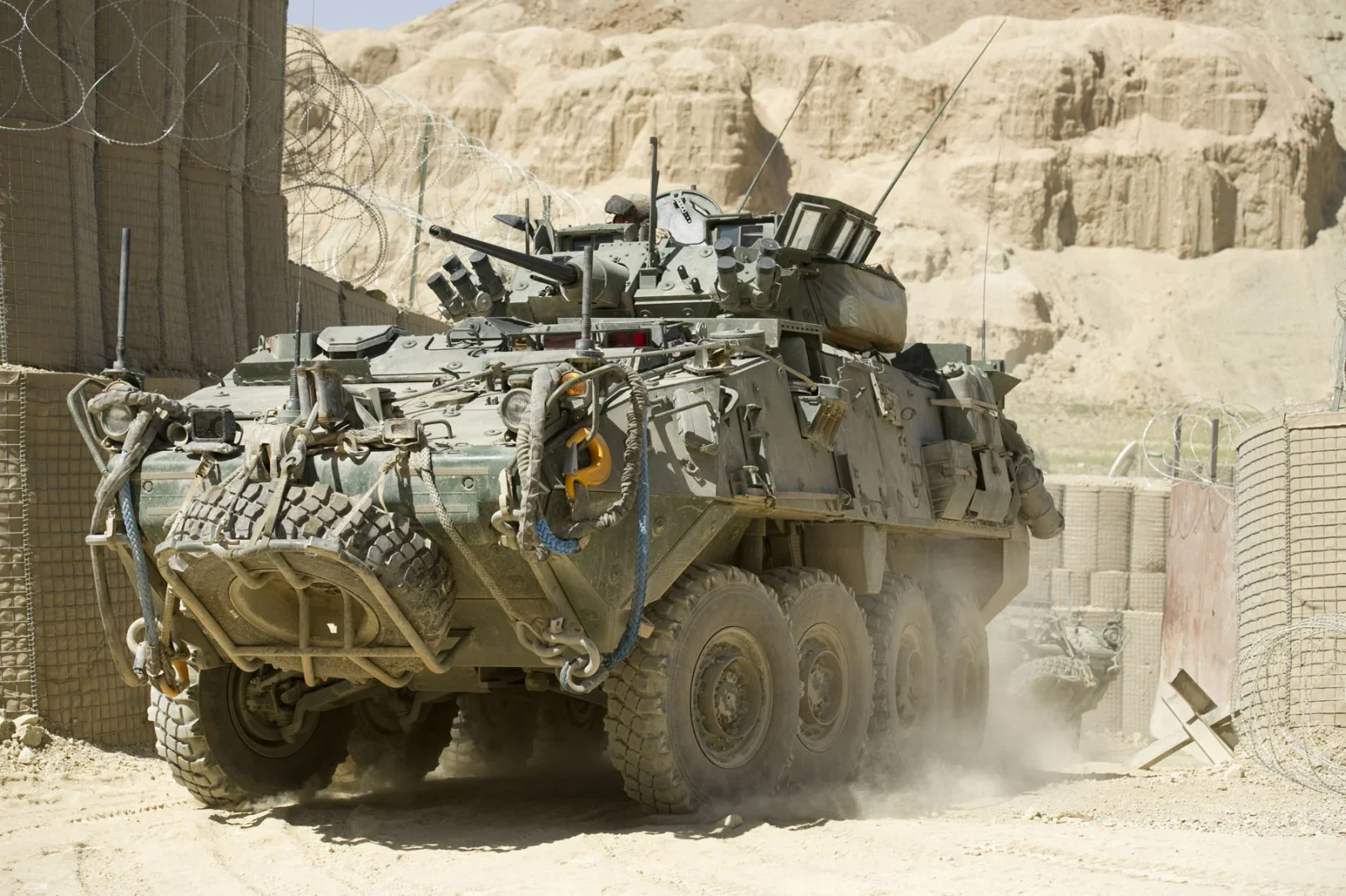
New Zealand’s military inventory reflects its Pacific geography and distinctive defence philosophy. In 2001 the A-4 Skyhawk fleet was deliberately decommissioned, removing the country’s fast-jet combat capability; the Air Force has since focused on maritime patrol, transport and helicopters. The Army holds no main battle tanks, relying instead on LAV III/6.0 armoured fighting vehicles. The two ANZAC-class frigates form the centrepiece of offshore deployments.
At a Glance
- Active personnel: ≈ 9.600
- Main battle tanks: 0 (none)
- Key armoured vehicle (LAV III/6): ≈ 105
- Key platforms: P-8A Poseidon, NH90, C-130J
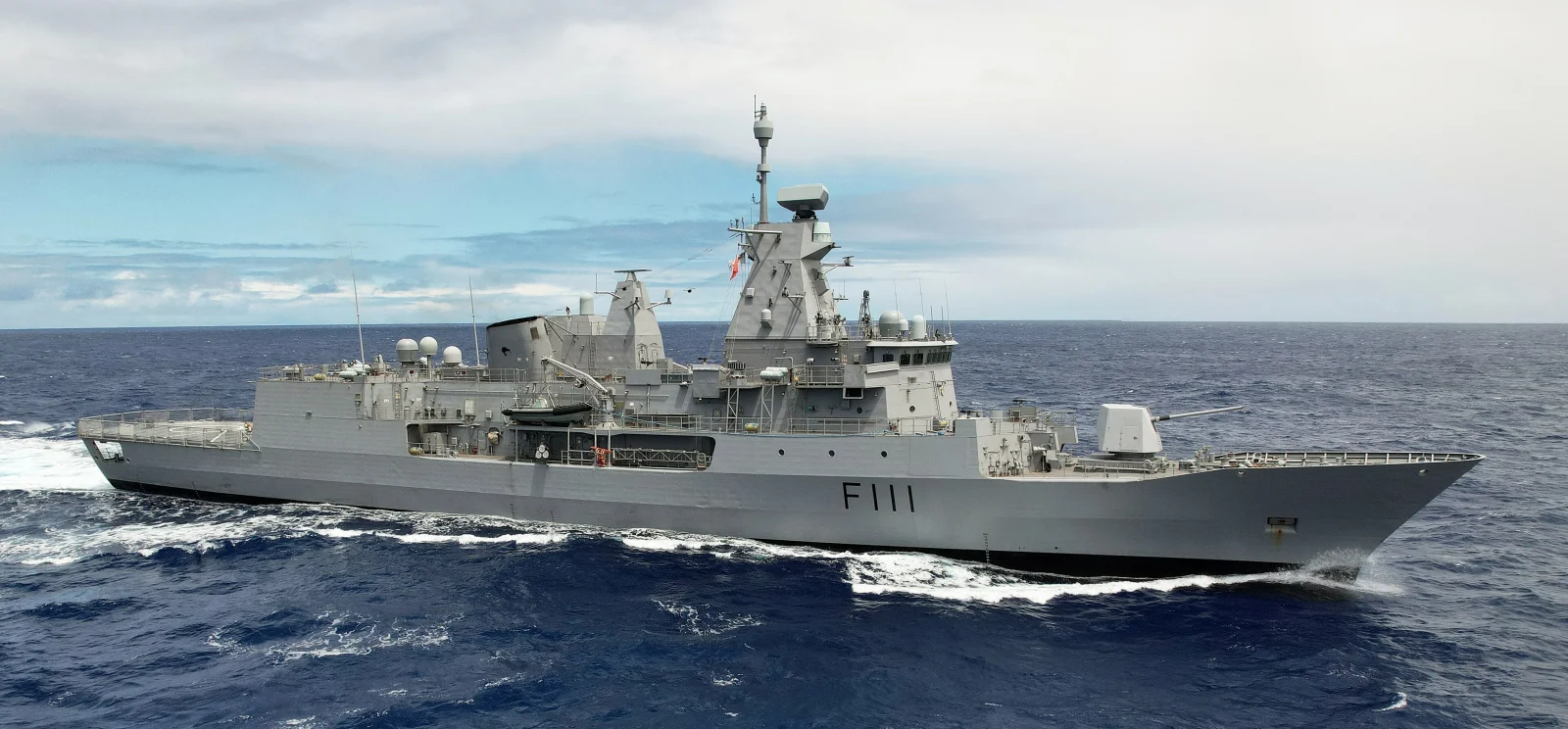
- ANZAC frigates: 2 (Te Kaha, Te Mana)
- GFP ranking: ≈ 79/145
Note: The inventory figures below are approximate values drawn from open sources such as Global Firepower, the IISS Military Balance and SIPRI.
About the New Zealand Armed Forces
The New Zealand Defence Force (NZDF) comprises the NZ Army, the Royal New Zealand Air Force (RNZAF) and the Royal New Zealand Navy (RNZN). Active personnel number approximately 9,600 as of 2026, with around 3,000 reserves. New Zealand is not a NATO member but is part of the FIVE EYES intelligence alliance and the ANZUS security treaty.
The NZDF has been on a gradual modernisation path. The 2023 Defence Capability Plan identified maritime surveillance, cyber defence and land-force modernisation as priority gaps. The P-8A Poseidon acquisition programme and the planned replacement of the LAV III fleet are the main procurement lines from that plan.
New Zealand has contributed to various international operations — ISAF in Afghanistan, training missions in Iraq — and maintains a Pacific-focused mandate covering maritime patrol and humanitarian assistance for small island states.
Land Forces Inventory
| System type | Est. quantity |
|---|---|
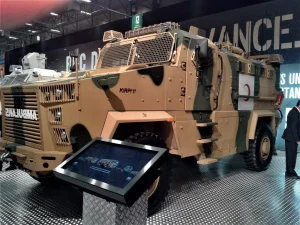
| Armoured fighting vehicles (LAV III/6.0) | ≈ 105 |
| Light vehicles (Pinzgauer, Land Rover) | ≈ 200+ |
| 105 mm light howitzers (L119 / Hamel) | ≈ 24 |
| 81 mm mortars | ≈ 100 |
Air Force Inventory
| Platform | Est. quantity |
|---|---|
| Total military aircraft | ≈ 60 |
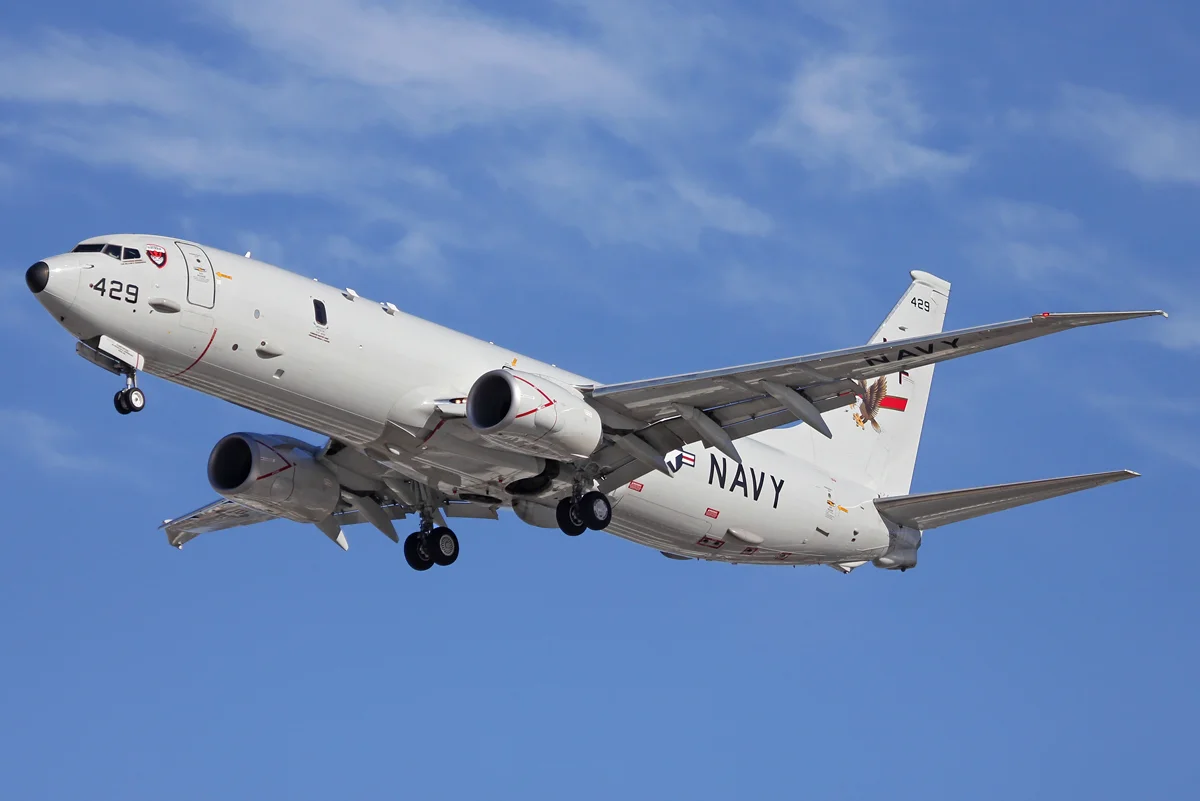
| P-8A Poseidon (maritime patrol/ASW) | 4–5 |
| C-130J Super Hercules (transport) | 5 |
| Boeing 757-200 (multi-role transport) | 2 |
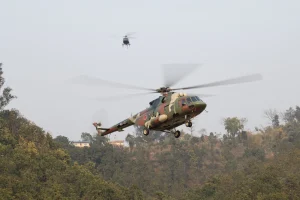
| NH90 TTH (medium helicopter) | 7 |
| A109 LUH (light utility helicopter) | 5 |
Missile and Air-Defence Systems
| System | Type / Note |
|---|---|
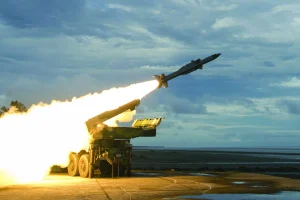
| Harpoon (aboard ANZAC frigates) | Anti-ship missile (both frigates) |
| Evolved Sea Sparrow Missile — ESSM | Medium-range SAM (frigates) |
| Mistral VSHORAD | Very-short-range land-based air defence |
| Mk 54 torpedo (P-8A, frigates) | Anti-submarine warfare torpedo |
Naval Power
| Class / Type | Est. quantity |
|---|---|
| ANZAC-class frigates (Te Kaha, Te Mana) | 2 |
| Offshore patrol vessel (Otago, Wellington) | 2 |
| Amphibious sealift / support (HMNZS Canterbury) | 1 |
| Inshore patrol vessel | 2 |
The Turkey Angle: Turkish Defence Industry
The deepest Turkey–New Zealand connection is historical rather than military: Gallipoli (1915). Over 100,000 Australians and New Zealanders fought at Çanakkale; ANZAC Day (25 April) is a shared national commemoration. The Turkish government’s inscription at the Gallipoli memorial — written in the name of Atatürk and addressed to ANZAC mothers — is one of the most cited expressions of mutual respect between two former adversaries.
In terms of defence trade, Turkey is not currently among New Zealand’s suppliers, which are dominated by the United States, the United Kingdom and Australia. However, the 2023 Defence Capability Plan explicitly flags an Unmanned Aerial Systems gap and enhanced maritime-patrol requirements. Turkey’s Bayraktar TB2 has been exported to dozens of countries and proven in maritime-surveillance roles. While no contract or formal dialogue with New Zealand has been reported, the strategic gap and the TB2’s export record make it a natural reference point in any assessment of New Zealand’s unmanned-aviation procurement.
Frequently Asked Questions
Does New Zealand have combat aircraft? No. The A-4 Skyhawks were retired in 2001 for budget and geostrategic reasons. The RNZAF today flies the P-8A Poseidon, C-130J and helicopters, with no fast-jet combat capability.
What are the ANZAC frigates? HMNZS Te Kaha and HMNZS Te Mana are multi-role frigates built under an Australia–New Zealand joint programme, armed with Harpoon anti-ship missiles and the Evolved Sea Sparrow Missile for air defence.
Does New Zealand have tanks? No. There are no main battle tanks in the NZDF inventory. Armoured combat capability rests with the LAV III/6.0 armoured fighting vehicle fleet.
What does the P-8A Poseidon do for New Zealand? It performs anti-submarine warfare (ASW), surface-surveillance and maritime search-and-rescue missions; it can carry Mk 54 torpedoes and Harpoon missiles.
Bottom Line
The New Zealand Defence Force is a small but capable Pacific force with a distinctive inventory — no tanks, no combat jets. Its strengths lie in maritime patrol (P-8A), frigate capability and strategic airlift. The unmanned-aviation gap and armoured-vehicle replacement highlighted in the Defence Capability Plan will define New Zealand’s procurement agenda over the coming decade.