Turkish Aerospace Internships and Graduate Programmes

Turkish Aerospace (TUSAŞ) runs internships — including summer and longer-term placements — and candidate-engineer / new-graduate programmes that channel young talent into its aircraft, helicopter, UAV and satellite work. Applications are made through the official careers portal, kariyer.tusas.com. Placements cover engineering and technical fields; exact quotas, durations and pay are set per programme and are not fully published in advance.
| Turkish Aerospace internships at a glance | |
|---|---|
| Company | Turkish Aerospace Inc. (TUSAŞ / TAI) |
| Programmes | Summer internship, long-term internship, candidate-engineer / new-graduate |
| Where to apply | kariyer.tusas.com (official careers portal) |
| Eligible fields | Engineering and technical disciplines |
| Internship type | Compulsory (university-required) and voluntary |
| Main site | Kahramankazan, Ankara, Türkiye |
| Selection | Application, screening and interview |
| Pay / duration | Set per programme; not fully published in advance |
| Programmes to work on | KAAN, HÜRJET, ANKA, GÖKBEY, satellites |
What internship programmes does Turkish Aerospace offer?
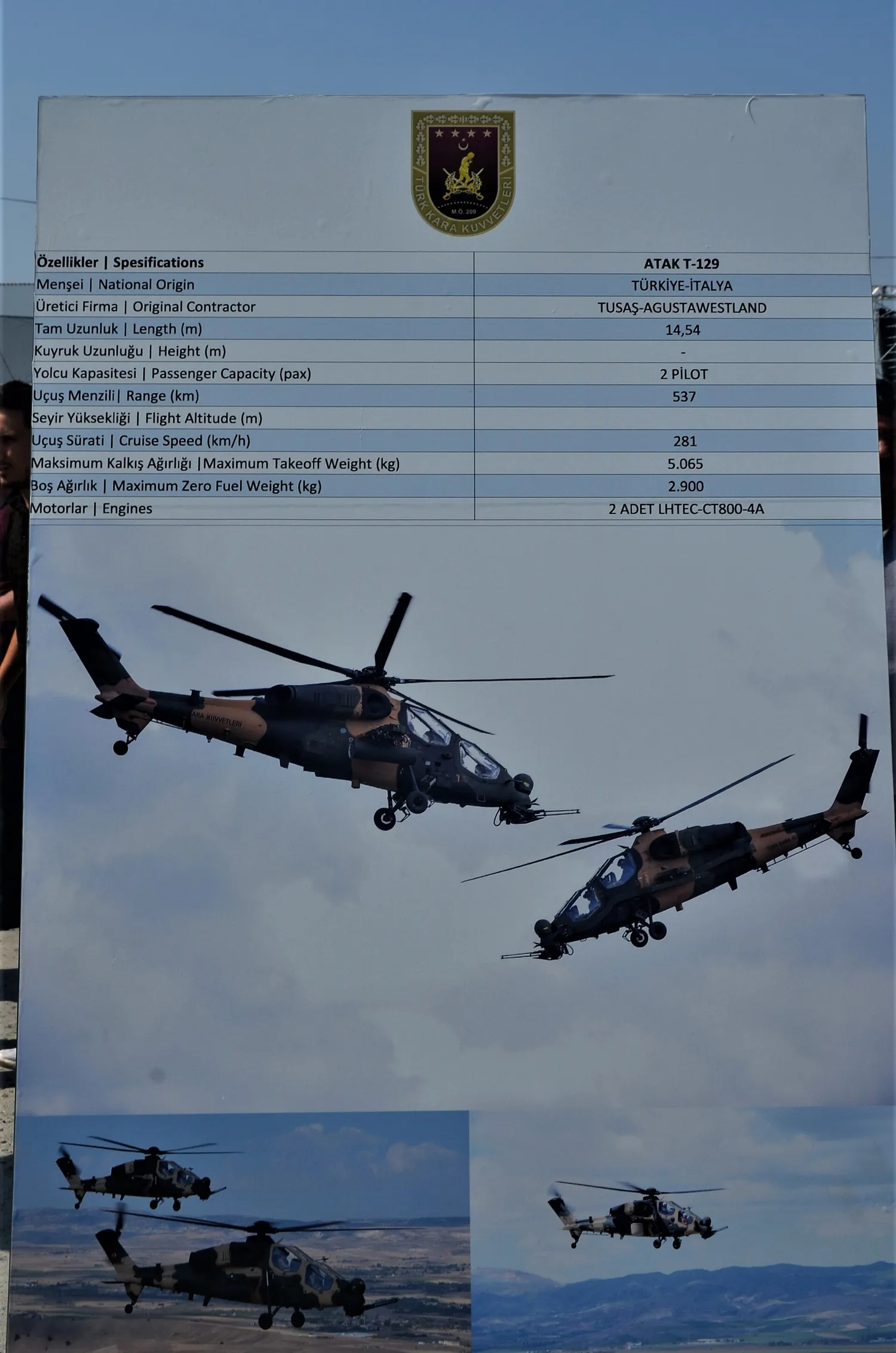
Turkish Aerospace offers structured entry routes for students and new graduates. The main categories are internships and candidate-engineer / new-graduate programmes. Internships include summer placements, aimed mainly at university students completing compulsory or voluntary internships, and longer-term placements that give deeper exposure to a specific unit or programme. The candidate-engineer / new-graduate track is aimed at recent graduates entering full engineering roles, often with structured onboarding and development. All of these feed the company’s continuous demand for engineering and technical talent as programmes such as KAAN, HÜRJET, the ANKA UAV family and the T625 GÖKBEY helicopter move toward serial production.
Both compulsory internships (required by a university curriculum) and voluntary internships are relevant, and interns are typically placed in a department matched to their field of study, working alongside experienced engineers and technicians. The specific structure, duration and any stipend depend on the programme and reference period, and Turkish Aerospace sets these per intake rather than publishing a fixed public schedule.
How to apply, and who is eligible
The application route is the same official channel used for jobs — kariyer.tusas.com. Key points for applicants:
- Where: apply through the careers portal, where internship and new-graduate openings are posted, typically with a defined application window ahead of summer for seasonal placements.
- Who: university students and recent graduates in engineering and technical disciplines — aerospace, mechanical, electrical-electronics, software, computer, industrial and materials engineering, among others — as well as vocational-school students for technical placements.
- Selection: application, screening against the requirements, and an interview; academic performance and any relevant project work strengthen an application.
- Type: both compulsory (curriculum-required) and voluntary internships are accommodated.
Exact eligibility criteria, quotas and deadlines vary by intake and are stated on the live postings, so candidates should monitor the portal rather than rely on fixed dates.
The table below outlines the main internship and early-career programme types with a short description. Structures, durations and any pay are set per intake and are not fully published in advance.
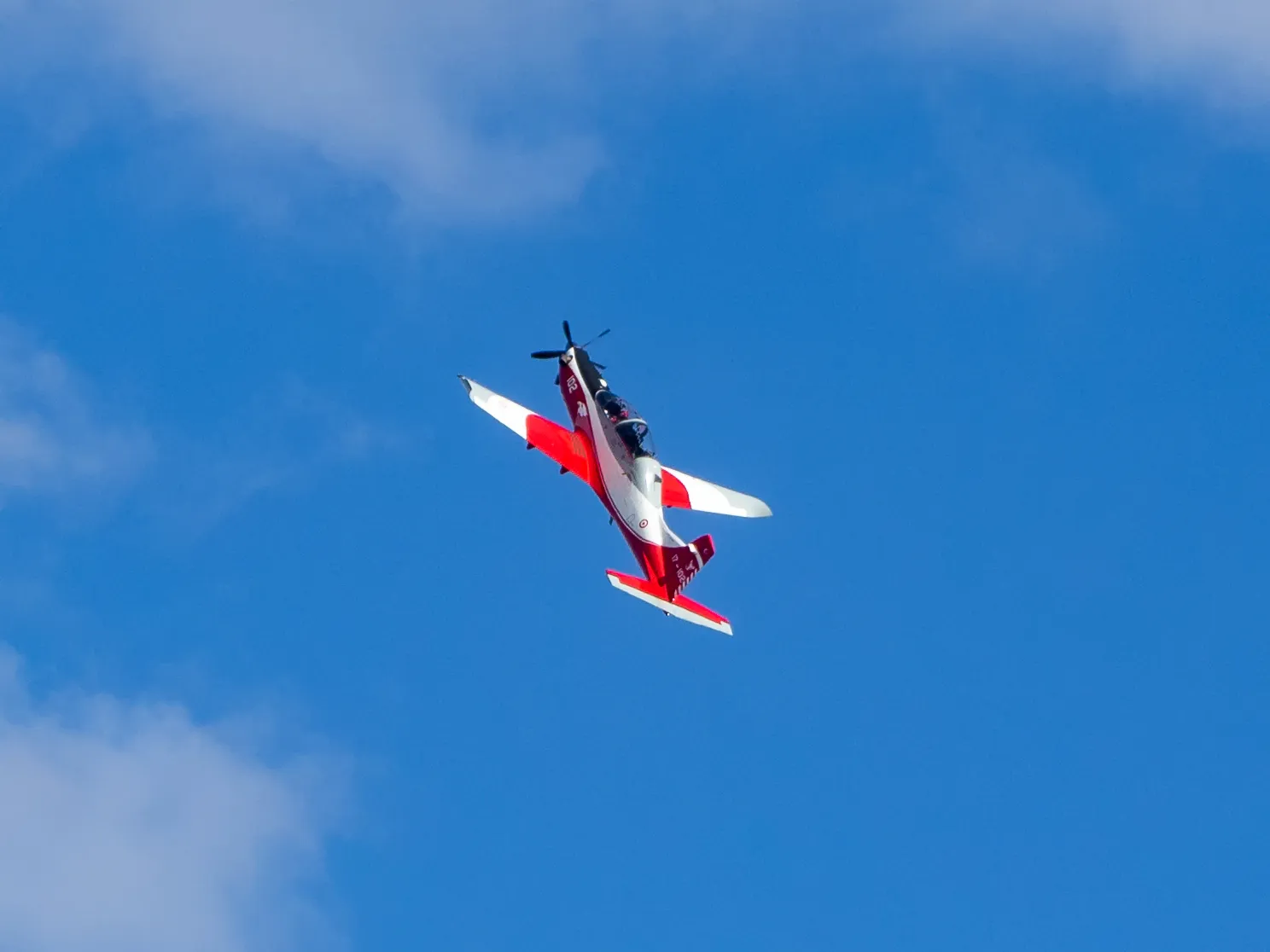
Early-career pipelines track the company’s growth. Turkish Aerospace ranked 47th in the Defense News Top 100 (2025 list) with about $2.2 billion in defence revenue and roughly 43 percent growth, and added around 10,000 employees between 2015 and 2025.
From internship to a full-time role
Internships and the candidate-engineer track are, in practice, a recruitment pipeline. Strong interns and successful new-graduate candidates are natural sources for permanent engineering and technical positions, especially given the company’s steady hiring to support programmes moving from prototype toward serial production. This makes an internship a meaningful foot in the door: it builds discipline-specific experience, familiarity with the security-cleared working environment, and relationships within a unit. That said, Turkish Aerospace does not publish conversion rates from internship to full-time employment, so this route should be seen as an opportunity rather than a guarantee of a job offer.
Which fields and departments take interns
Because the programme portfolio is broad, internships span many fields. Engineering placements cover aerospace, mechanical, electrical-electronics, software, computer, industrial and materials engineering, matched to units working on aircraft structures, avionics integration, flight test, manufacturing and systems. Technical and vocational placements sit within production, assembly, machining and quality functions. Support areas may also take interns depending on need. Interns work under supervision within the same security and confidentiality framework as permanent staff, so a background check or access arrangements can apply. Exact departmental intake numbers are not officially disclosed and vary by period.
Turkish Aerospace offers summer and long-term internships plus a candidate-engineer / new-graduate programme, all applied for through kariyer.tusas.com. Placements cover engineering and technical fields and accept both compulsory and voluntary internships. Quotas, durations and any pay are set per intake and are not published in advance.
Frequently asked questions
How do I apply for a Turkish Aerospace internship?
Apply through the official careers portal at kariyer.tusas.com, where internship and new-graduate openings are posted, usually with an application window ahead of summer for seasonal placements. Create a profile, upload your CV and apply to the specific internship posting that matches your field of study.
Who is eligible for an internship?
University students and recent graduates in engineering and technical disciplines — aerospace, mechanical, electrical-electronics, software, computer, industrial and materials engineering among them — as well as vocational-school students for technical placements. Both compulsory (curriculum-required) and voluntary internships are accommodated.
Are Turkish Aerospace internships paid?
Whether an internship carries a stipend, and how much, is set per programme and intake and is not fully published in advance. This should be confirmed on the specific posting or during the process. Any figures circulating online are estimates rather than official, published amounts.
When should I apply for a summer internship?
Seasonal summer placements typically have an application window earlier in the year, ahead of the summer period. Exact dates vary by intake, so monitor kariyer.tusas.com for the live posting and deadline rather than relying on a fixed date.
Can an internship lead to a permanent job?
Internships and the candidate-engineer track function as a recruitment pipeline, and strong interns are a natural source for permanent roles. However, the company does not publish conversion rates, so an internship is best seen as an opportunity to gain experience and visibility rather than a guaranteed route to a full-time offer.
What is the candidate-engineer programme?
The candidate-engineer / new-graduate programme is aimed at recent graduates entering full engineering roles, often with structured onboarding and development. It sits alongside internships as an early-career entry route and is advertised through the same careers portal, kariyer.tusas.com.
Sources
- Turkish Aerospace careers portal — kariyer.tusas.com (internship and graduate openings)
- Turkish Aerospace official website — tusas.com (early-career and programme information)
- Employee-shared accounts on career platforms (internship experience; estimates only)
- Defense News Top 100 (2025 list) — hiring context, ~$2.2B defence revenue
- Anadolu Agency / Daily Sabah — workforce and recruitment coverage, 2024-2025
- Wikipedia — Turkish Aerospace Industries (TAI) entry