MAM-L Explained: The Smart Munition of Turkish Drones from TB2 to AKINCI

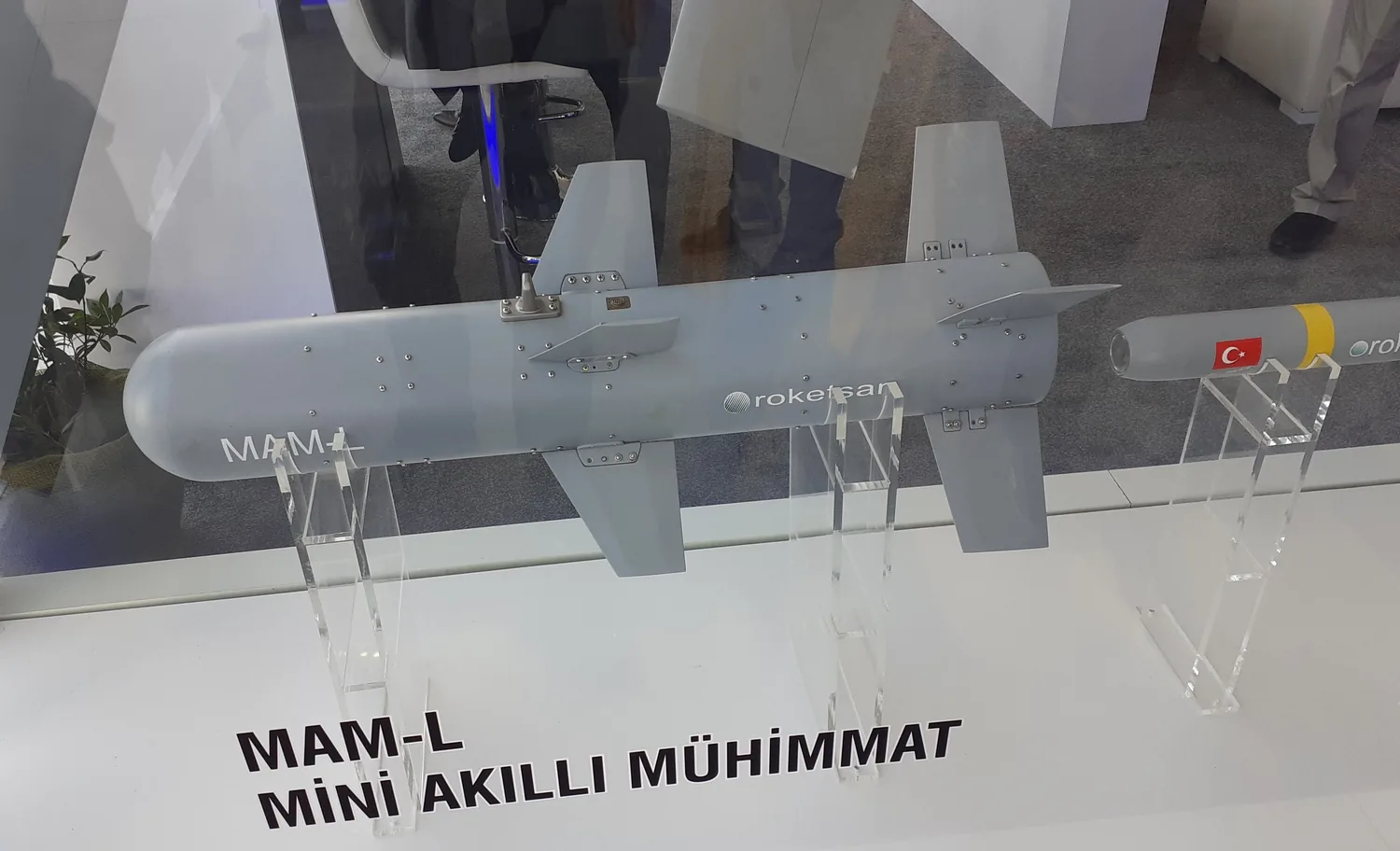
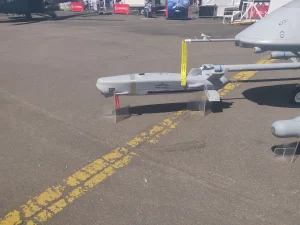
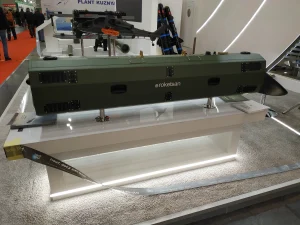
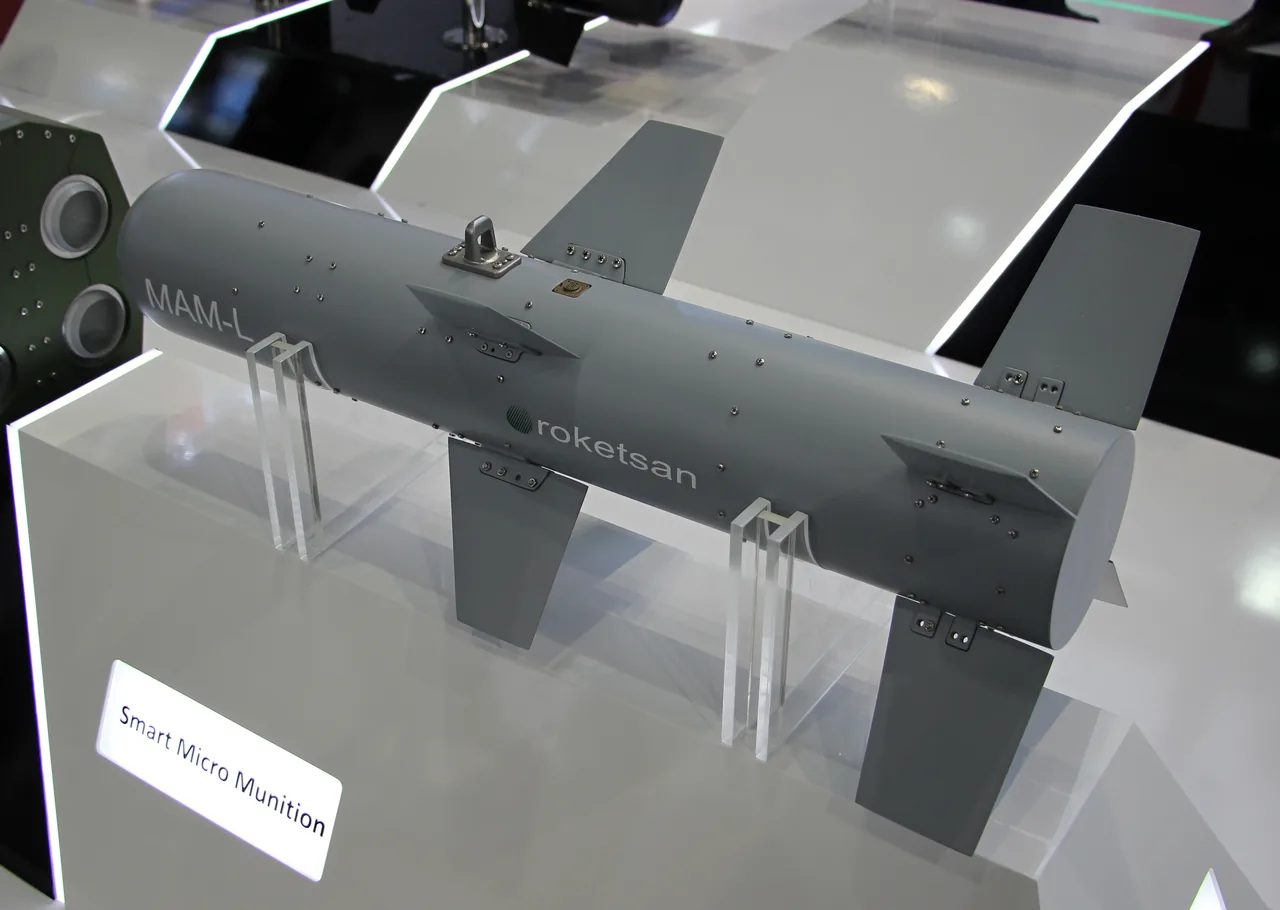
MAM-L (Mini Smart Munition) is a light-class smart munition developed by Roketsan and integrated onto unmanned aerial vehicles, above all the Bayraktar TB2. Weighing about 22 kg, MAM-L was designed as a glide munition without a rocket motor; with laser guidance and INS/GPS, it strikes fixed and moving targets with high accuracy. The main strike munition of platforms such as TB2, AKINCI, ANKA, AKSUNGUR and TB3, MAM-L has been combat-proven across many theaters — from Libya and Nagorno-Karabakh to Syria and Ukraine. This dossier compiles the MAM family’s variants, host platforms, exports and technical data from open sources.
Frequently Asked Questions
Sources
Related Reading
The MAM family is one of the unsung heroes of Türkiye’s UAV revolution. However advanced a UAV’s reconnaissance and surveillance capability, it needs a reliable munition to neutralize the targets it detects; MAM-L filled exactly that gap with a light, accurate solution.
The absence of a rocket motor lowers cost and offers safe transport and storage. The glide design enables more munitions to be carried on platforms with limited payload.
Semi-active laser guidance makes MAM-L effective against moving targets too; the designating laser steers the munition precisely onto the point. This is decisive especially against point targets like armored vehicles and positions.
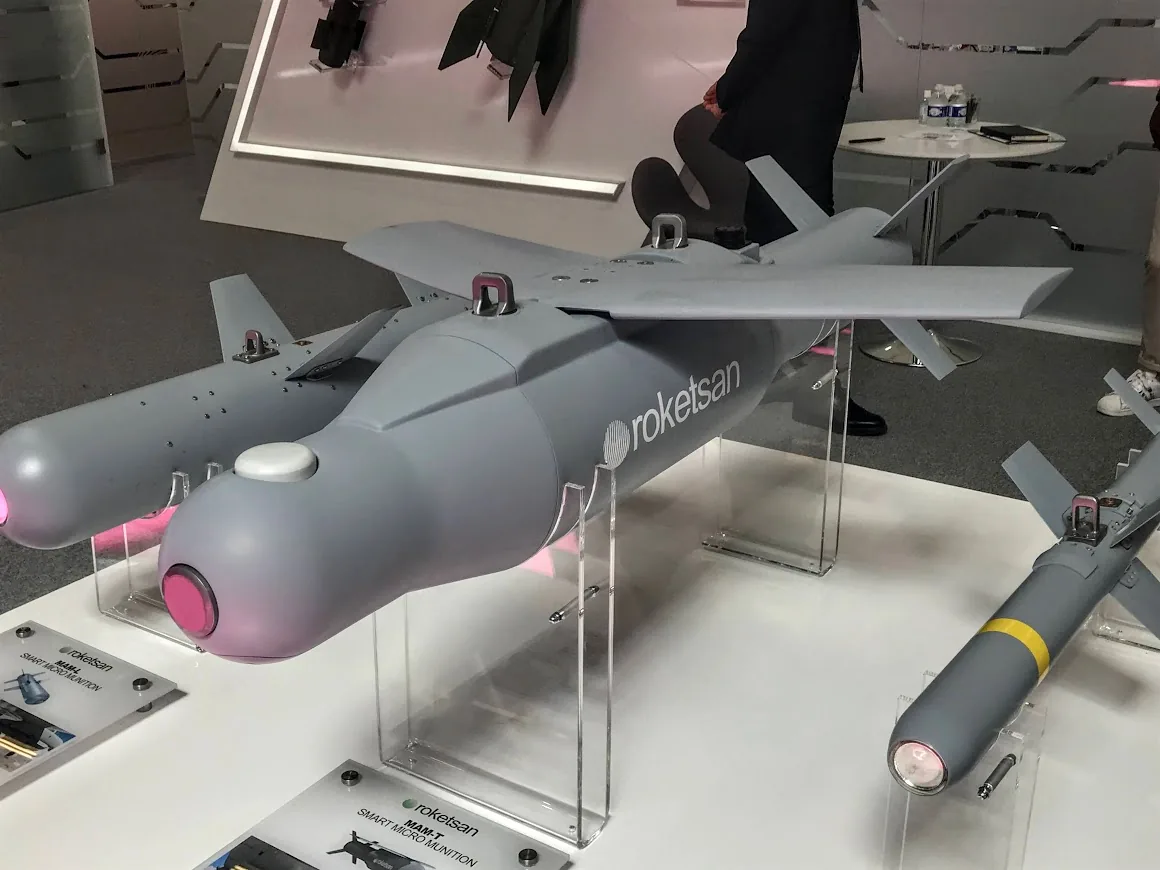
The MAM-C, MAM-L and MAM-T trio offers a scalable solution for different targets and missions: MAM-C where low collateral damage is needed, MAM-L for standard missions and MAM-T for heavier, more distant targets.
MAM-L’s identification with the Bayraktar TB2 made it a globally recognized Turkish defense product. In countries where the TB2 was exported, MAM-L took its place as the standard munition.
TB3 striking a maritime target with MAM-L after launching from TCG Anadolu showed the munition can be used not only against land but also sea targets — signaling the widening mission set of the MAM family.
Production in the tens of thousands reflects Roketsan’s serial-production capacity and maturity in munitions. High output can meet the continuous needs of both the Turkish military and export customers.
The MAM family proves the Turkish defense industry has an integrated ecosystem able to offer aircraft and munitions together. This integration provides a competitive advantage by offering buyer nations a single-source solution.
Indigenous munition production is critical for supply security in times of crisis. Export or usage restrictions a foreign munition maker might impose do not apply to the MAM family, providing operational independence.
In short, MAM-L creates a strategic multiplier effect in Türkiye’s air-power equation despite its modest size, standing out as the key element that turns UAVs into real precision-strike platforms.
Another important dimension of the MAM family is the joint offering of aircraft and munition in exports. The sale of the Bayraktar TB2 to dozens of countries also meant MAM-L became a global munition; this integrated sales model raised export revenue and let the Turkish defense industry build long-term customer relationships.
The munition’s relatively low cost creates a decisive advantage in high-tempo operations. Because MAM-L can be used against many targets that do not require expensive missiles, units gain a cost-effective strike option, easing the logistics and budget burden in prolonged campaigns.
Roketsan’s continuous development of the MAM family increases range, warhead and guidance options over time. This incremental improvement lets the munition adapt to the changing threat environment and to new-generation unmanned platforms, extending the family’s service life.
Together with systems such as Cirit and L-UMTAS, the MAM family gives Turkish platforms an indigenous munition option for nearly every mission type — a breadth that reinforces operational independence and reduces reliance on foreign suppliers in critical periods.