KEMANKEŞ Explained: Baykar’s Mini Smart Cruise Missile and Its Drones

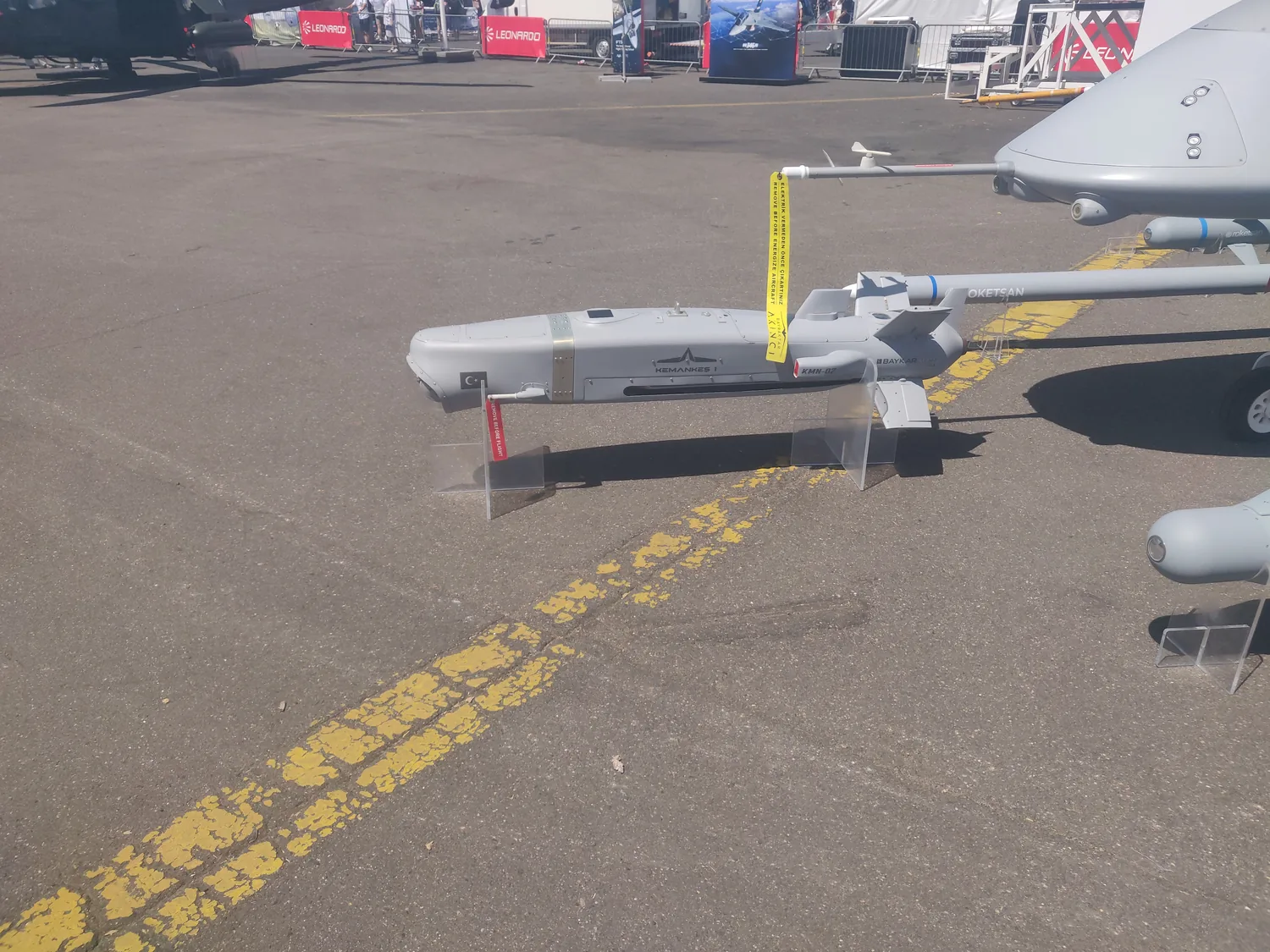
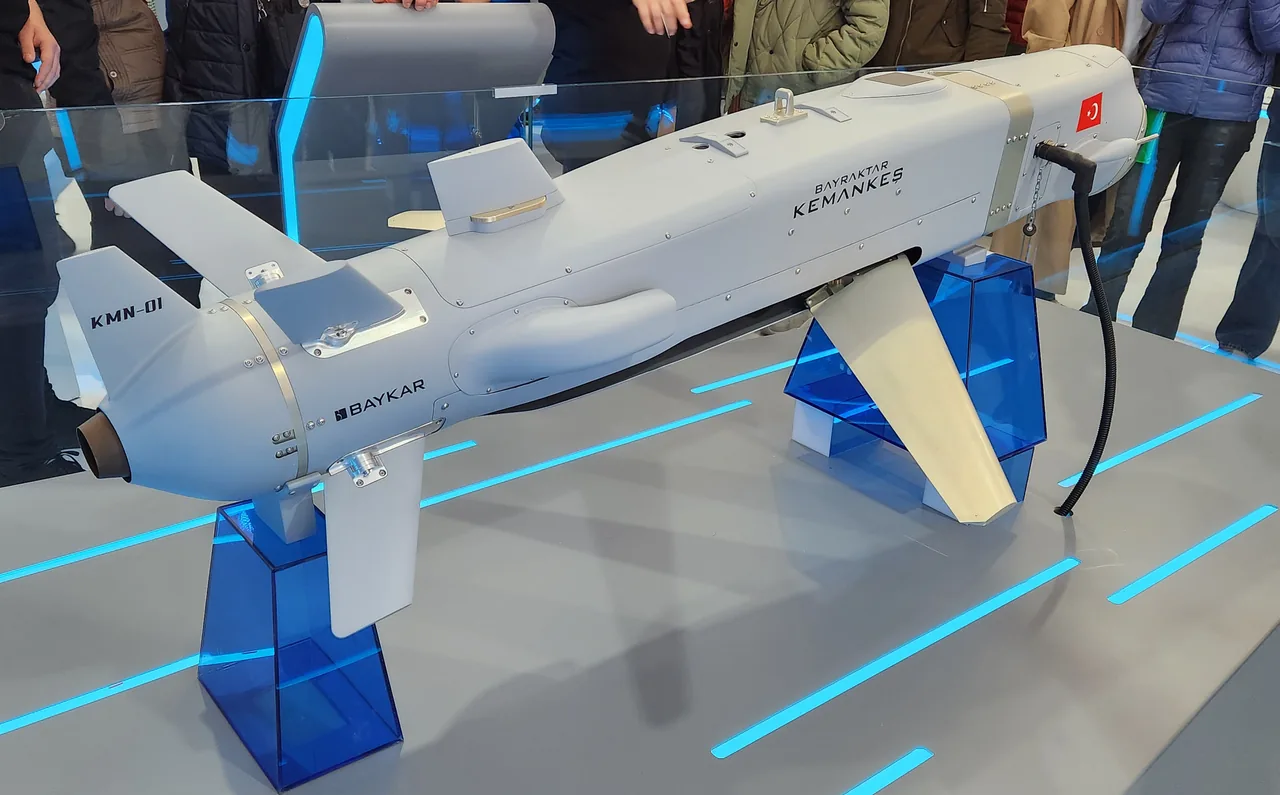
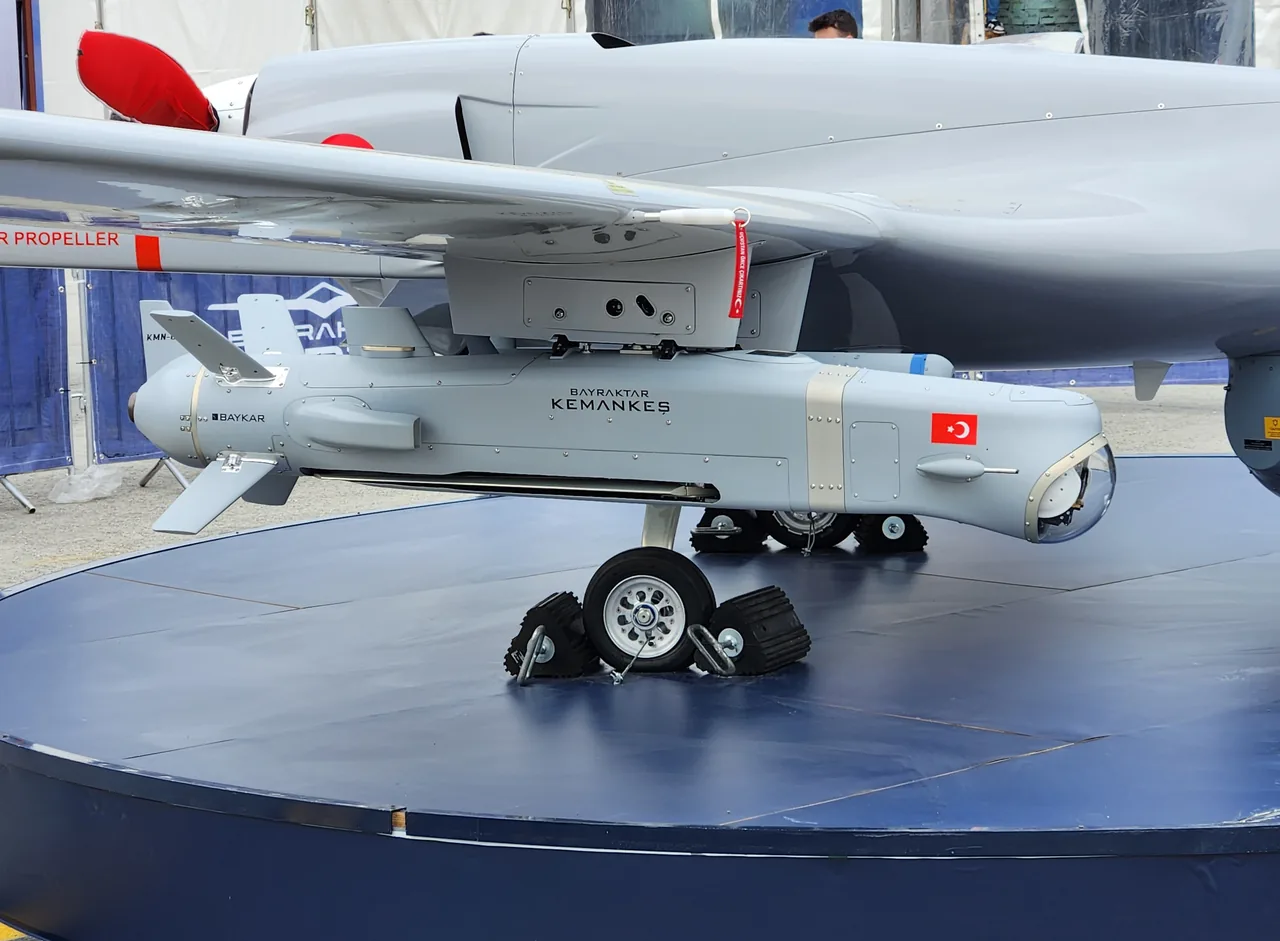
KEMANKEŞ is a mini smart cruise missile developed by Türkiye’s Baykar. With a low-observable body and AI-supported guidance, KEMANKEŞ is designed to extend the strike range of unmanned aerial vehicles so they can attack from a safe distance. Integrable into the internal bay of the Bayraktar TB3 in particular, KEMANKEŞ is also compatible with platforms such as AKINCI and KIZILELMA. This dossier compiles KEMANKEŞ’s variants, host platforms, capabilities and technical data from open sources.
Frequently Asked Questions
Sources
Related Reading
KEMANKEŞ is one of the newest links on the munitions side of the Turkish UAV ecosystem. Baykar’s strategy of developing aircraft and munition together is taken a step further with KEMANKEŞ: now not just short-range smart munitions but a stealthy, long-range cruise missile is produced under one roof, ensuring seamless platform-munition integration.
Stand-off strike capability is one of modern air operations’ most critical requirements. KEMANKEŞ’s long range lets the carrier UAV stay beyond the reach of enemy air defenses, markedly increasing the survivability of both expensive platforms and the mission while reducing operational risk.
AI-supported terminal guidance suits KEMANKEŞ to the contemporary, electronic-warfare-heavy battlefield. Even where GPS signals are jammed or blocked, image-processing target recognition lets the munition continue its mission — an autonomous capability that stands out as a core feature of future smart munitions.
The low-observable design reduces KEMANKEŞ’s radar cross-section, increasing its resistance to modern air-defense systems. Combined with low-altitude flight, this lets the munition stress detection and interception ranges, so a relatively small munition can be used effectively even against high-value targets.
KEMANKEŞ fitting into an internal bay is critical especially for platforms emphasizing low observability. On stealthy aircraft like KIZILELMA, internal carriage preserves the aircraft’s radar signature, making KEMANKEŞ the natural strike munition of new-generation unmanned combat aircraft.
Combined with TB3’s ship-based capability, KEMANKEŞ gives naval power a long-range airborne strike arm. A TB3 launched from a platform like TCG Anadolu carrying KEMANKEŞ extends the navy’s reach far beyond the horizon, providing a fundamental advantage in overseas power projection.
Baykar’s munition-development capability means a new actor alongside established institutions like Roketsan and TÜBİTAK SAGE. This diversity enriches the Turkish defense industry’s munition ecosystem; more indigenous options for different ranges and mission profiles let platforms be armed with a munition suited to every scenario.
KEMANKEŞ’s development shows Türkiye gaining independence not only in UAVs but in the munitions that turn them into real combat systems. For exports, this means offering buyer nations an integrated package of aircraft, mission payload and munition — a wholeness that increases the competitiveness of Turkish defense exports.
In short, despite being a relatively new system, KEMANKEŞ stands out as a critical munition shaping the future of Turkish UAV doctrine. With its combination of stealth, range and AI-supported autonomy, KEMANKEŞ forms the long-term basis of the strike power of platforms like TB3 and KIZILELMA.
KEMANKEŞ is an example of how the Turkish defense industry is maturing rapidly on the munitions side as well. Baykar developing not only platforms but the munitions that turn those platforms into real combat systems gives the country an integrated weapon ecosystem it can control end to end — a critical advantage for both operational independence and export value.
The mini cruise missile category stands out as a rapidly growing global segment; as UAVs proliferate, demand rises for compact, smart munitions that let these aircraft strike from a safe distance. KEMANKEŞ is positioned as one of the Turkish defense industry’s pioneering answers to this trend.