Cirit Explained: The T129 ATAK’s 70 mm Laser-Guided Rocket

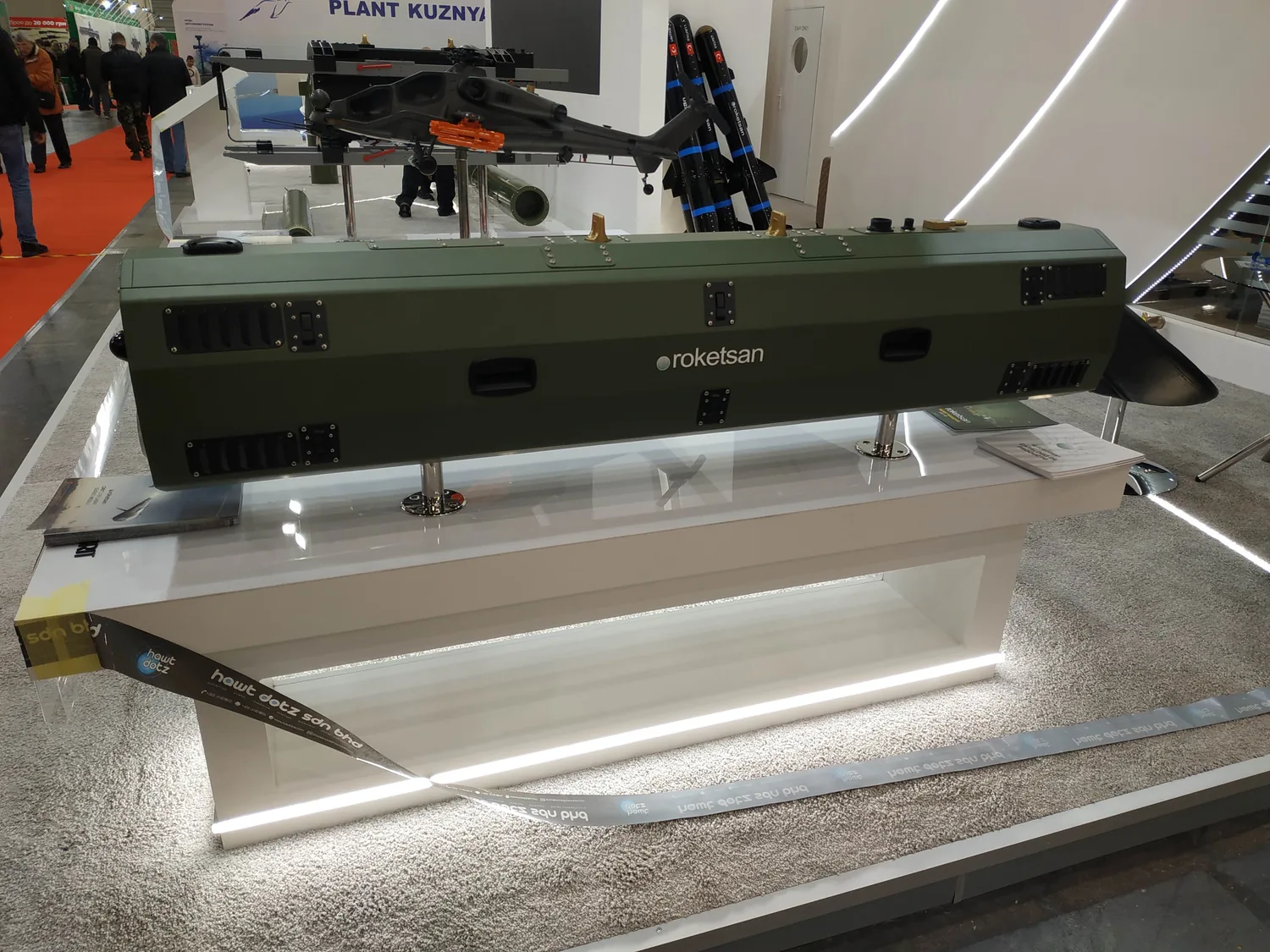
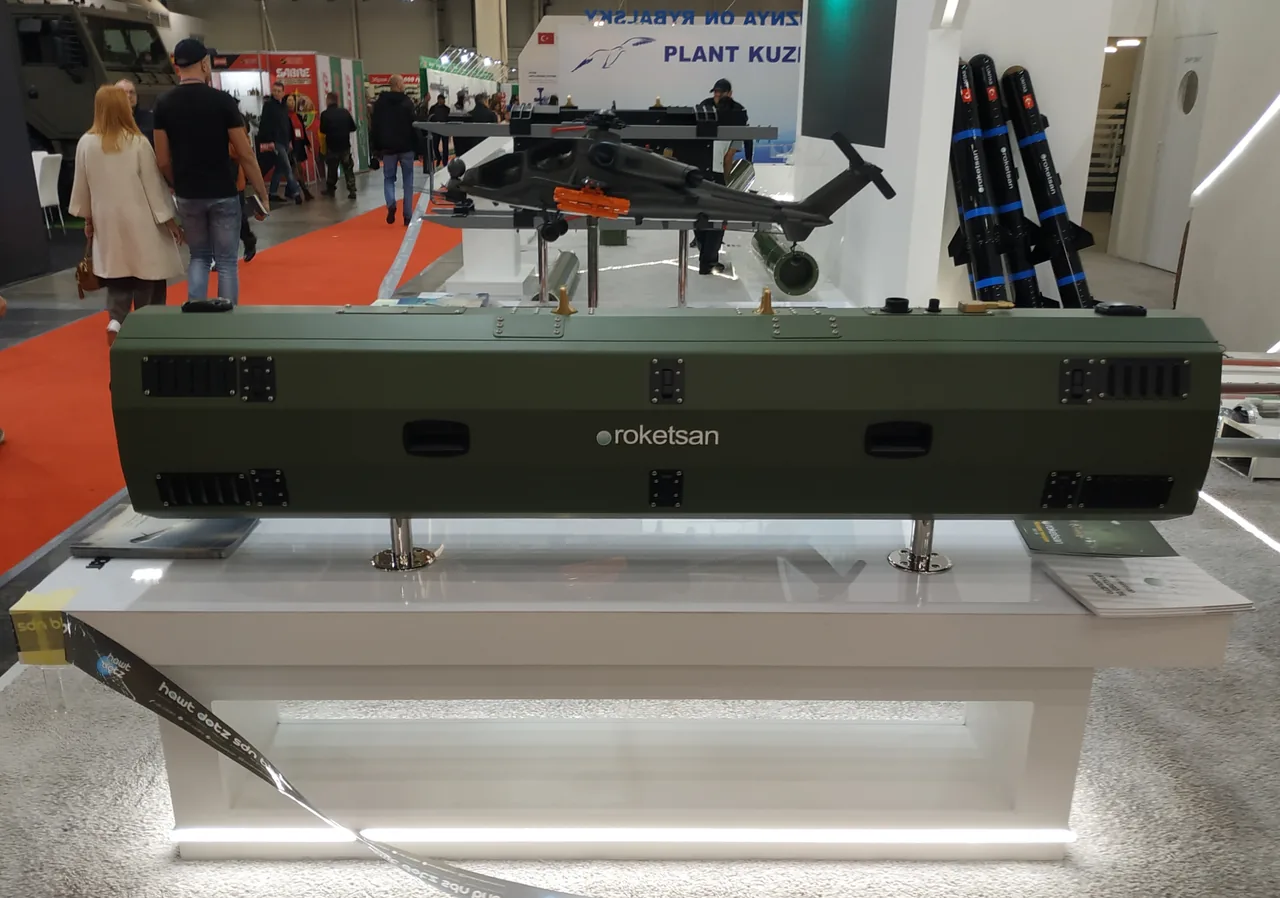
Cirit is a 70 mm (2.75-inch) laser-guided precision rocket developed by Türkiye’s Roketsan. Designed to fill the gap between unguided 70 mm rockets and expensive anti-tank guided missiles, Cirit uses semi-active laser guidance to strike fixed and moving targets accurately at ranges up to 8 km. The munition of helicopters — above all the T129 ATAK attack helicopter — as well as light platforms and land and naval vehicles, Cirit is in Turkish Armed Forces service and has been exported to many countries. This dossier compiles Cirit’s host platforms, exports, technical specifications and significance from open sources.
Frequently Asked Questions
Sources
Related Reading
Cirit’s development made Türkiye one of the early movers in guided munitions. Compatible with existing rocket infrastructure, this 70 mm laser-guided rocket let users gain a precision-strike capability without large investments — making it attractive for both cost and ease of integration and helping it reach a wide user base.
For attack helicopters, Cirit is a munition that fundamentally changes mission economics. Saving expensive anti-tank missiles for high-value armored targets while striking many low-value targets with affordable Cirit lets a helicopter affect far more targets in a single mission, markedly increasing operational efficiency.
The accuracy of laser guidance is critical in missions where collateral damage must be minimized. In operations near populated areas or targets close to friendly forces, Cirit’s point accuracy increases mission success while reducing the risk of unwanted casualties — meeting the precision requirement that modern combat increasingly values.
Cirit’s integration onto land and naval platforms shows the munition’s versatility. Especially for fast boats and ships, Cirit offers a cost-effective defense against asymmetric threats (small attack boats, unmanned surface vehicles), making it a flexible system usable not only from the air but from the surface.
Roketsan’s high production capacity lets Cirit meet both domestic and export demand. Because serial production of guided munitions requires precise engineering and quality control, this capacity is also a sign of the Turkish defense industry’s maturity, while ensuring an unbroken supply chain in times of crisis.
Cirit’s export success also strengthens the international position of platforms like the T129 ATAK. Because buyer nations can source the helicopter and its compatible munition from a single source, Türkiye stands out as a supplier offering an integrated solution — the basis for long-term training, logistics and sustainment relationships.
Indigenous munition production is a critical gain for strategic autonomy. Because export or usage restrictions a foreign maker might impose do not apply to Cirit, Türkiye can produce, upgrade and export the munition freely — an important advantage for both operational independence and defense diplomacy.
Cirit should be seen as part of Roketsan’s broad munition ecosystem. Together with the MAM family, L-UMTAS, OMTAS and heavier systems, Cirit gives Turkish platforms an indigenous munition option for every range and target type — a breadth that provides cost and logistics advantages by offering an integrated range from a single supplier.
In short, Cirit is one of the symbolic products of the Turkish defense industry’s success in precision munitions, despite its modest size and cost. With a wide use spanning attack helicopters to naval platforms and strong export performance, Cirit stands as a lasting example of the maturity and reach of national munition capability.