US Marines Bolster Okinawa With NMESIS Anti-Ship and MADIS Air Defence

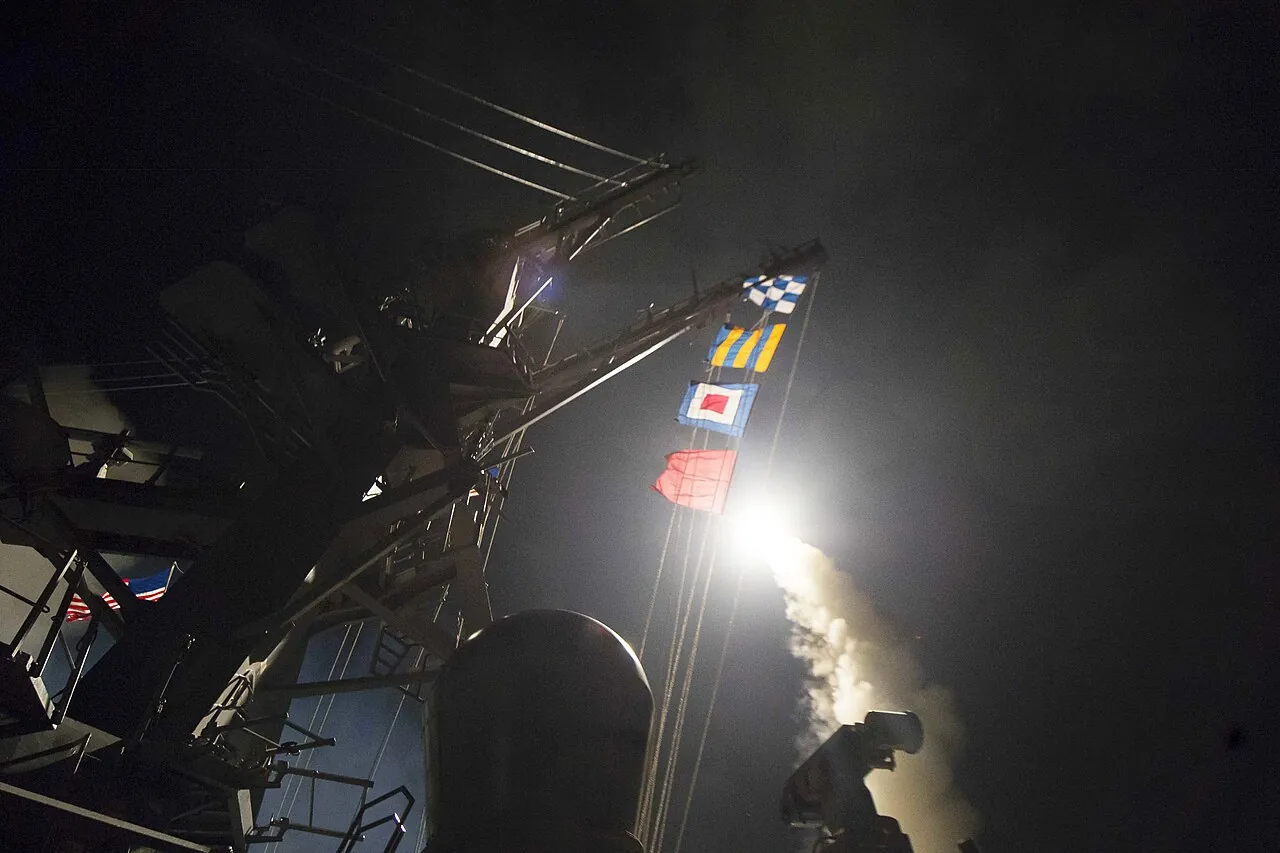
According to Defence Industry Europe, the US Marine Corps added NMESIS anti-ship missiles and MADIS air defence to its Okinawa littoral regiment.
| Systems | NMESIS (anti-ship) + MADIS (air defence) |
| Unit | Okinawa littoral regiment |
| Theatre | Indo-Pacific |
| Doctrine | Coastal sea control (A2/AD) |
| Date | 22 June 2026 |
Coastal Sea Control
NMESIS is a Naval Strike Missile-based anti-ship system on an uncrewed vehicle, striking naval targets from islands and coastlines. MADIS provides mobile defence against low-altitude air and drone threats. Together they give coastal units the ability to deny sea and airspace.

Indo-Pacific Balance
Against Chinese naval power, the US builds deterrence with dispersed, mobile coastal units. Okinawa is a geographic hub of this concept.
Why It Matters for Turkey
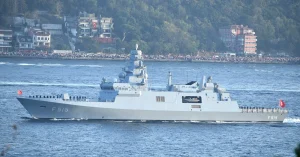
Coastal sea control is a capability Turkey is also developing. Roketsan ATMACA anti-ship missiles and coastal-defence variants let the Turkish navy and land units strike naval targets — Turkey fields indigenous anti-ship missiles launched from both ships and shore.
In narrow, island-strewn waters like the Aegean and Mediterranean, coastal sea control carries direct strategic value. Indigenous ATMACA and a sensor network give Turkey an independent capability in this doctrine.
Frequently Asked Questions
What is NMESIS?
A Naval Strike Missile-based coastal anti-ship system on an uncrewed vehicle.
What does MADIS do?
Provides mobile defence against low-altitude air and drone threats.
Turkey’s equivalent?
Roketsan ATMACA anti-ship missile and coastal-defence variants.
Bottom Line
The US Okinawa move shows the rise of coastal sea-control doctrine. Turkey fields the same capability independently with the indigenous ATMACA anti-ship missile.
Sources
- Defence Industry Europe — deployment detail