Bayraktar TB2 vs Wing Loong II: Full Comparison of Two Export MALE Drones

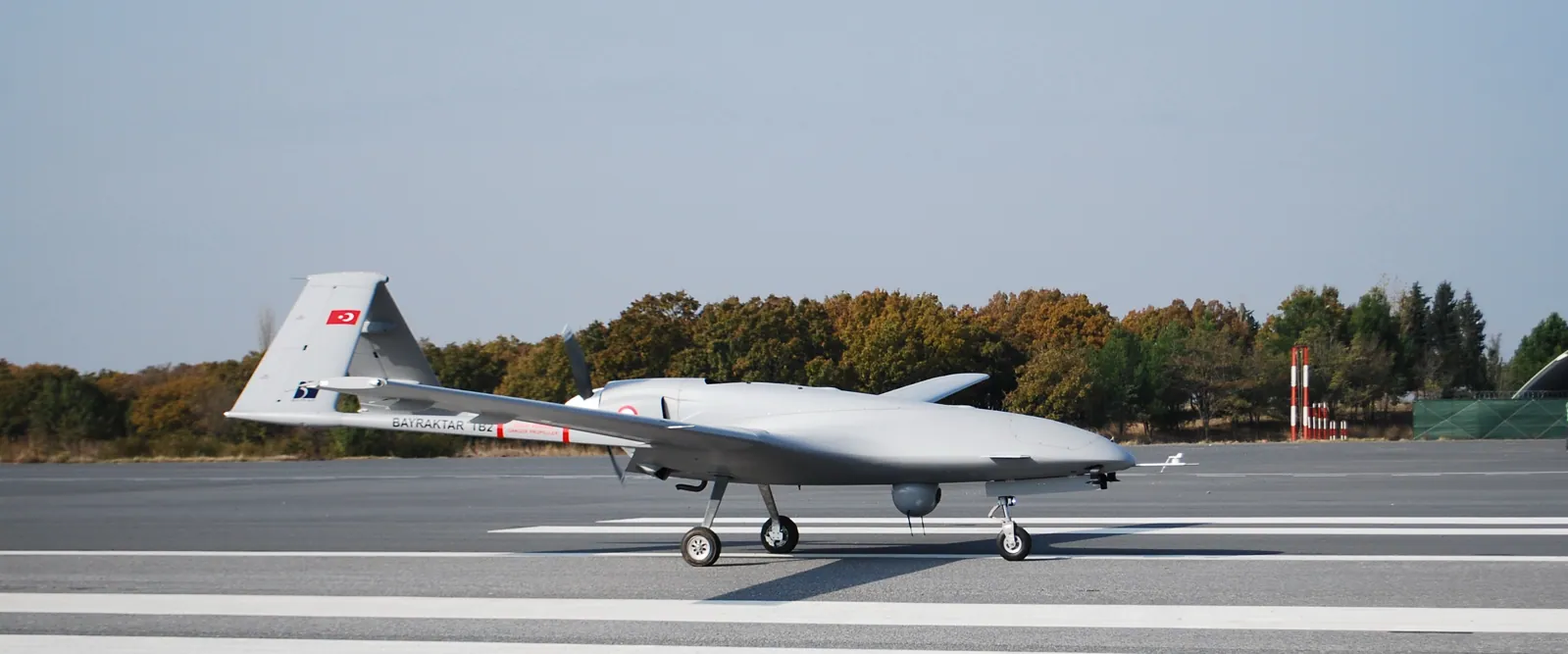
The Bayraktar TB2 and the Wing Loong II are the two most exported medium-altitude armed drones outside the United States. The TB2 is a lighter, cheaper, combat-legend system; the Wing Loong II is a heavier platform with more payload. They define the affordable-drone market from two directions.
Comparison Summary
The TB2 rewrote drone warfare in Libya, Nagorno-Karabakh and Ukraine with a cheap, reliable, exportable package. The Wing Loong II carries far more ordnance and suits buyers wanting heavier strike, mainly across the Middle East and Africa. The trade is combat-proven affordability versus raw payload.
What is the Bayraktar TB2?
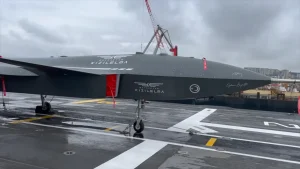
The Bayraktar TB2 is a medium-altitude, long-endurance armed drone by Baykar, carrying up to four MAM-series smart munitions. It is the most combat-proven and widely exported drone of its class, with 30+ operators.
What is the Wing Loong II?
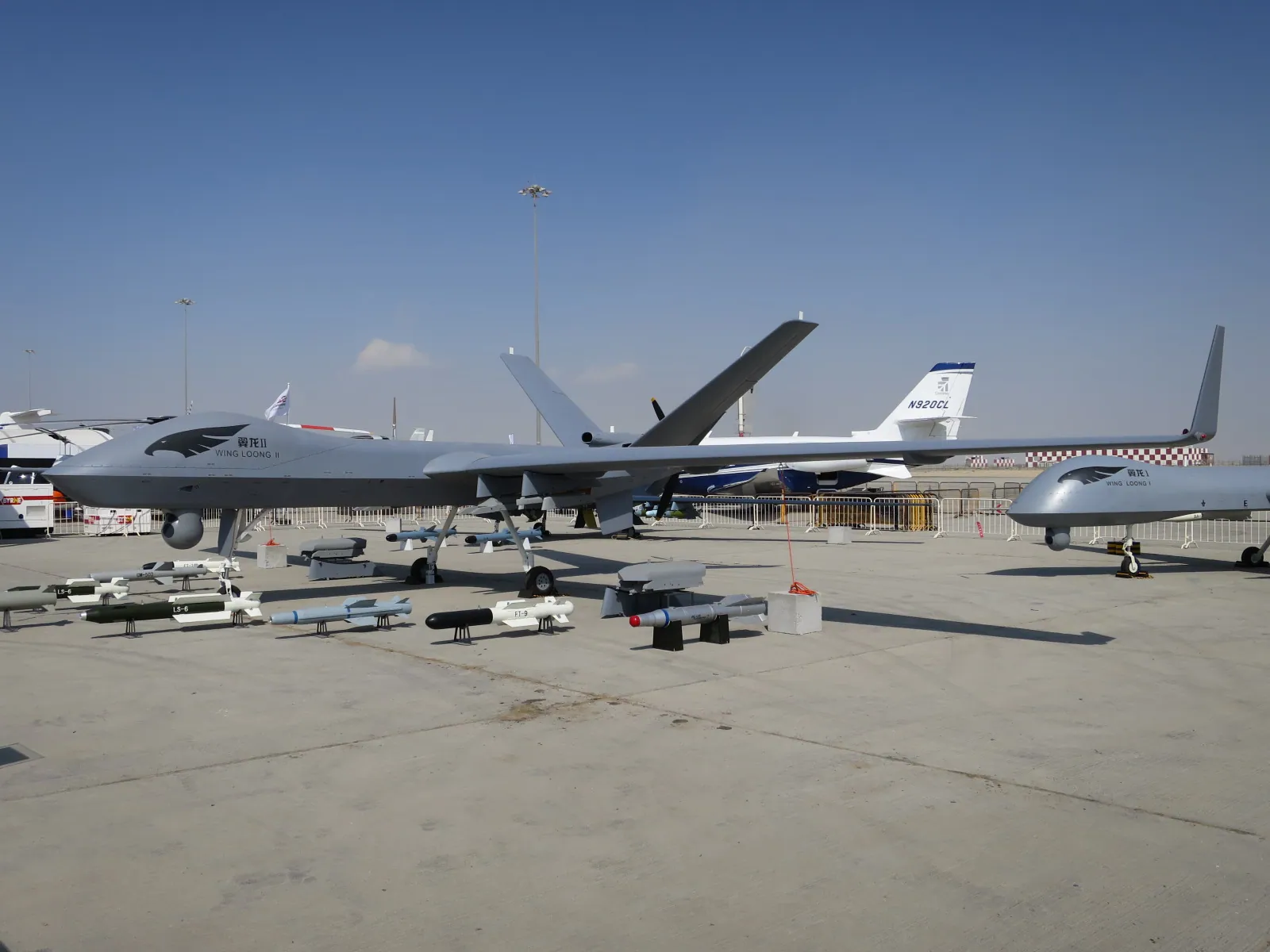
The Wing Loong II is a Chinese MALE UCAV by AVIC/CASC, larger than the TB2 with a much higher payload (~480 kg) across multiple hardpoints. It is exported across the Middle East and Africa.
Technical Comparison
| Specification | Bayraktar TB2 | Wing Loong II |
|---|---|---|
| Manufacturer | Baykar (Türkiye) | AVIC/CASC (China) |
| Class | MALE UCAV | MALE UCAV |
| Payload | ~150 kg | ~480 kg |
| Endurance | ~27 h | ~20 h |
| Hardpoints | 4 | 6 |
| Service ceiling | ~7,600 m | ~9,000 m |
| Combat record | Extensive | Moderate |
| Operators | 30+ | Several |
| Unit cost | ~US$5M | ~US$1–2M |
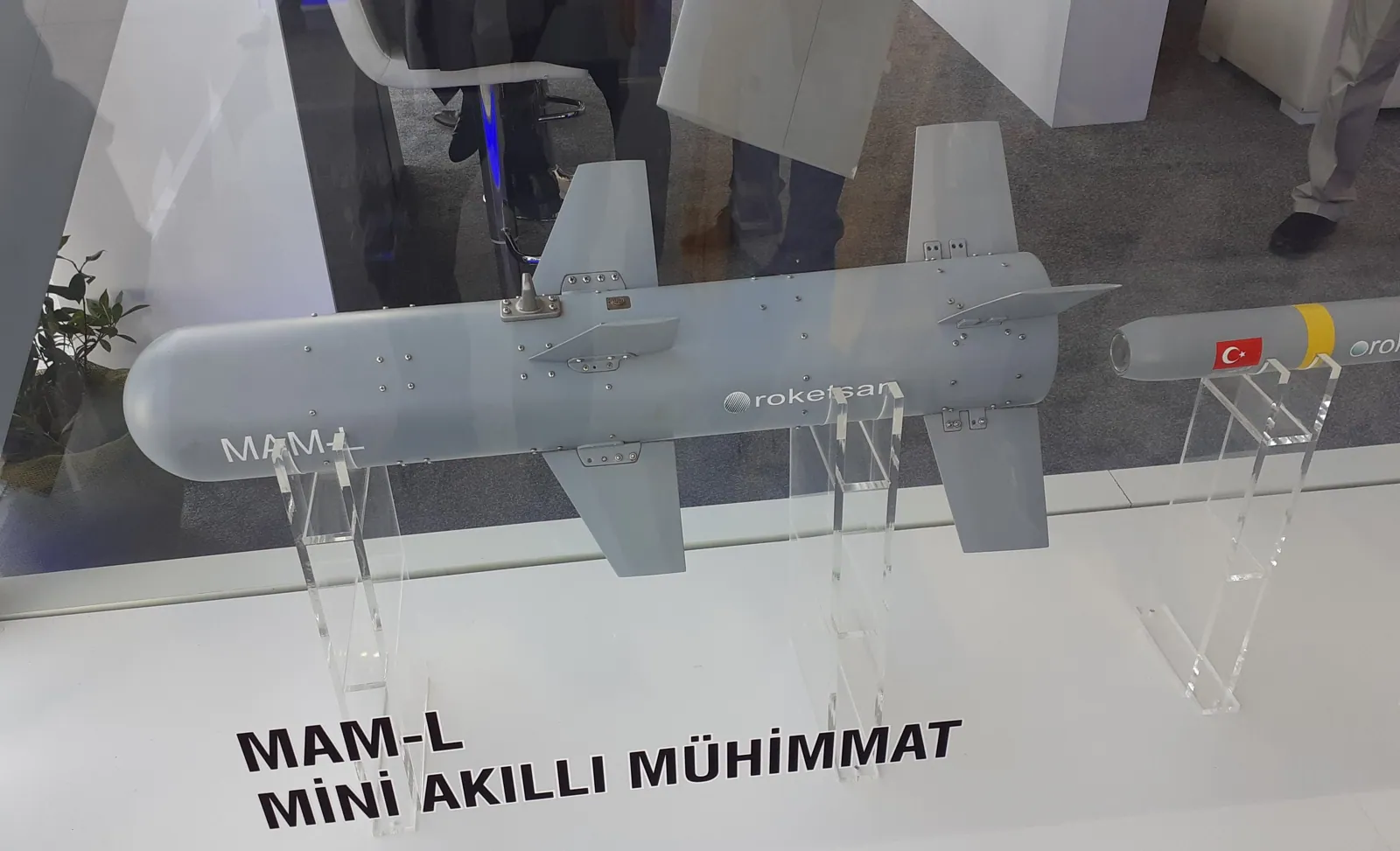
| Munitions | MAM-L/MAM-C, Roketsan | Blue Arrow, etc. |
Engine and Powerplant
Both use piston/turboprop propulsion in the MALE class. The Wing Loong II’s larger airframe enables a much heavier payload, while the TB2 prioritises efficiency, reliability and low cost.
Mobility and Performance
The Wing Loong II flies higher and carries more; the TB2 trades that for endurance, simplicity and a far lower acquisition and operating cost.
Radar and Sensors
Both carry EO/IR targeting turrets and SATCOM options. The TB2’s sensor-and-munition loop (Aselsan CATS + Roketsan MAM) is battle-refined; the Wing Loong II offers Chinese EO suites with heavier weapons integration.
Weapon Systems
The TB2 carries up to four lightweight MAM smart munitions — precise and cheap. The Wing Loong II carries a heavier and more varied weapons load across six hardpoints, suiting higher-intensity strike.
Operators
| Country | Bayraktar TB2 | Wing Loong II |
|---|---|---|
| Türkiye | Yes | — |
| Ukraine/Azerbaijan | Yes | — |
| Poland/Qatar | Yes | Yes (Qatar) |
| Africa (multiple) | Yes | Yes |
| UAE/Egypt/Saudi | — | Yes |
| Total operators | 30+ | Several |
Combat Experience
The TB2 is among the most combat-proven drones in the world: decisive in Libya, Nagorno-Karabakh and the early phase of the Ukraine war. The Wing Loong II has seen combat in the Middle East and Africa, but with a less iconic record.
Cost
The TB2’s system-level affordability (~US$5M per aircraft, cheap munitions) is its strategic superpower. The Wing Loong II is also cheap, with low Chinese pricing, but its munitions and support vary by customer.
Production Status
Baykar mass-produces the TB2 at scale with a vast export book and the heavier Akıncı above it. The Wing Loong II is produced steadily for export, mainly to MENA and Africa.
Export Performance
The TB2 has 30+ operators across four continents — a record few drones match. The Wing Loong II competes hard on price in markets where Western export rules block US drones, especially the Gulf.
Operational Data
| Criterion | Bayraktar TB2 | Wing Loong II |
|---|---|---|
| Payload | ~150 kg | ~480 kg |
| Endurance | ~27 h | ~20 h |
| Combat record | Extensive | Moderate |
| Operators | 30+ | Several |
| Cost level | Low | Low |

Advantages
- Most combat-proven drone in its class
- Very low system and munition cost
- 30+ operators, four continents
- Battle-refined sensor-munition loop
- ITAR-free, sovereign Turkish supply
- Much higher payload (~480 kg)
- More hardpoints for heavier strike
- Higher service ceiling
- Aggressive Chinese pricing
- Heavier weapons options
Disadvantages
- Lower payload than heavier rivals
- Lower ceiling
- Lighter munitions only
- Less combat-proven and iconic
- Variable support and munitions by customer
- Chinese-ecosystem dependency
- Mixed reliability reports
Which Role Suits Each Better?
For affordable, proven, scalable precision strike and surveillance, the TB2 is the benchmark. For buyers prioritising heavier payload per sortie at low cost, the Wing Loong II is the heavier alternative.
Final Verdict
The Wing Loong II carries more, but the TB2 wins where it matters most for this class: combat-proven reliability, system-level affordability and an unmatched export footprint. The TB2 didn’t just sell — it changed how wars are fought, and remains the reference point for the affordable armed drone.
Frequently Asked Questions
Is the TB2 better than the Wing Loong II?
For cost, combat record and exports, yes. The Wing Loong II carries more payload, so heavy-strike buyers may prefer it. It depends on the mission.
Which carries more weapons?
The Wing Loong II, with ~480 kg payload across six hardpoints versus the TB2’s ~150 kg over four.
Why is the TB2 so popular?
Low cost, proven reliability in real wars, and ITAR-free availability to 30+ operators.
Which has flown more combat?
The TB2, with decisive roles in Libya, Nagorno-Karabakh and Ukraine.
Which is cheaper?
Both are cheap; the Wing Loong II has very low Chinese pricing, while the TB2 offers a proven, supported package around US$5M.
Related Comparisons
- All Defense Comparisons
- Unmanned Aerial Vehicles
- ALTAY Main Battle Tank Deliveries Explained: How Many, and When It Entered Service
- What Is AGM-114 Hellfire? What Does It Do? Lockheed Martin’s 40-Year-Old Helicopter Anti-Tank Missile
Sources
- Baykar — Bayraktar TB2
- Wikipedia — Baykar Bayraktar TB2
- Wikipedia — CAIG Wing Loong II
- SIPRI — Arms transfers database
Images via Wikimedia Commons / manufacturer press kits under editorial use. Technical data compiled from manufacturer catalogues and open sources.