Taiwan’s Growing F-16V Block 70 Fleet: Three New Jets Bring Delivery Total to Five

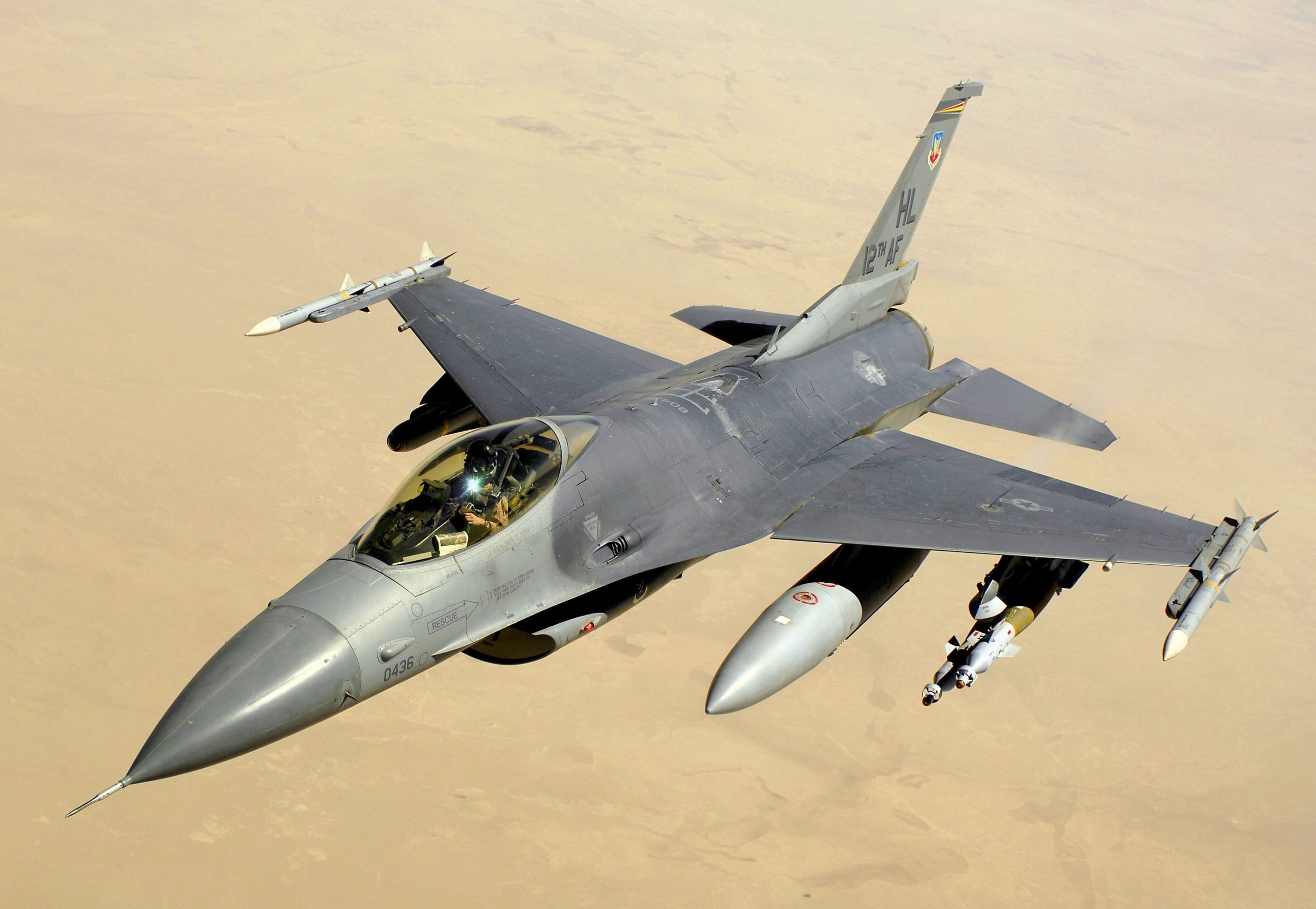
Taiwan’s F-16V Block 70 fleet continues to grow. The island received three more F-16V Block 70 jets this week, bringing its total new-generation Viper fleet to five aircraft.
The deliveries are part of Taiwan’s 2019 order for 66 F-16V Block 70 jets from the United States, a deal worth roughly $8 billion. The aircraft are being built at Lockheed Martin’s facility in Greenville, South Carolina.
The F-16V Block 70 is considered the most advanced variant of the classic F-16 family, featuring an AN/APG-83 Active Electronically Scanned Array (AESA) radar, modernized cockpit displays, an upgraded mission computer and an extended-life airframe structure.
The program has previously faced delivery delays, with some reports describing Taiwan’s F-16V, MK-48 torpedo and certain munitions programs as running behind schedule. This week’s delivery of three aircraft suggests some of that backlog is being worked down.
The growth of Taiwan’s F-16V fleet carries strategic weight at a time of increased PLA Air Force activity around the island. Taipei aims to progressively raise the fleet’s combat readiness as deliveries under the broader order continue.
Once the full 66-jet order is delivered, Taiwan will field one of the largest U.S.-built F-16V fleets in the region. The program extends beyond new airframes alone, also covering new runway infrastructure, maintenance facilities and expanded pilot-training capacity across the island; the Air Force plans to base the new jets primarily at southern airfields.
The F-16V Block 70’s AESA radar can detect and prioritize multiple targets simultaneously, improving its ability to track small, low-flying unmanned aircraft. That capability carries particular weight given the rising number of reconnaissance and harassment drone incursions reported around the Taiwan Strait.
The U.S. Congress continues to routinely approve arms sales to Taiwan, and Beijing has responded to each one with diplomatic protests framing the sales as a violation of the “One China” policy. That exchange has become a recurring diplomatic routine attached to nearly every major weapons program planned for the island, F-16V deliveries included.
Taiwan’s Air Force is fielding the new F-16Vs alongside a parallel program upgrading its older F-16A/B jets already in inventory. The island is simultaneously taking delivery of newly built aircraft and upgrading a large portion of its existing fleet to the Block 70 standard; combined, the two tracks are expected to give Taiwan more than 200 operational F-16V/F-16A+B jets in the medium term.
Taiwan had also agreed with Lockheed Martin to establish a regional maintenance hub on the island as part of the program, intended to provide upkeep services to other F-16 operators in the region. Analysts say such a facility would both strengthen Taiwan’s defense-industrial capacity and cement the island’s position in regional supply chains.
Taiwan’s Ministry of National Defense said deliveries would continue at a steady pace in coming months, with the goal of completing most of the order by the end of 2027. Officials attributed earlier delays largely to supply-chain constraints, adding that production-line bottlenecks are being worked through gradually.
Sources
- Army Recognition — “Taiwan’s Growing F-16 Block 70 Fleet Signals Shift Toward More Advanced and Networked Air Defense Operations” (November 9, 2026). Read source — Delivery count and fleet status