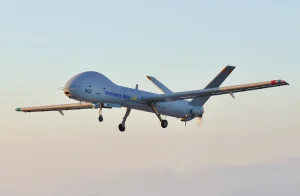
Ukraine Warns Russia Built a Specialized Drone to Cut Power Lines

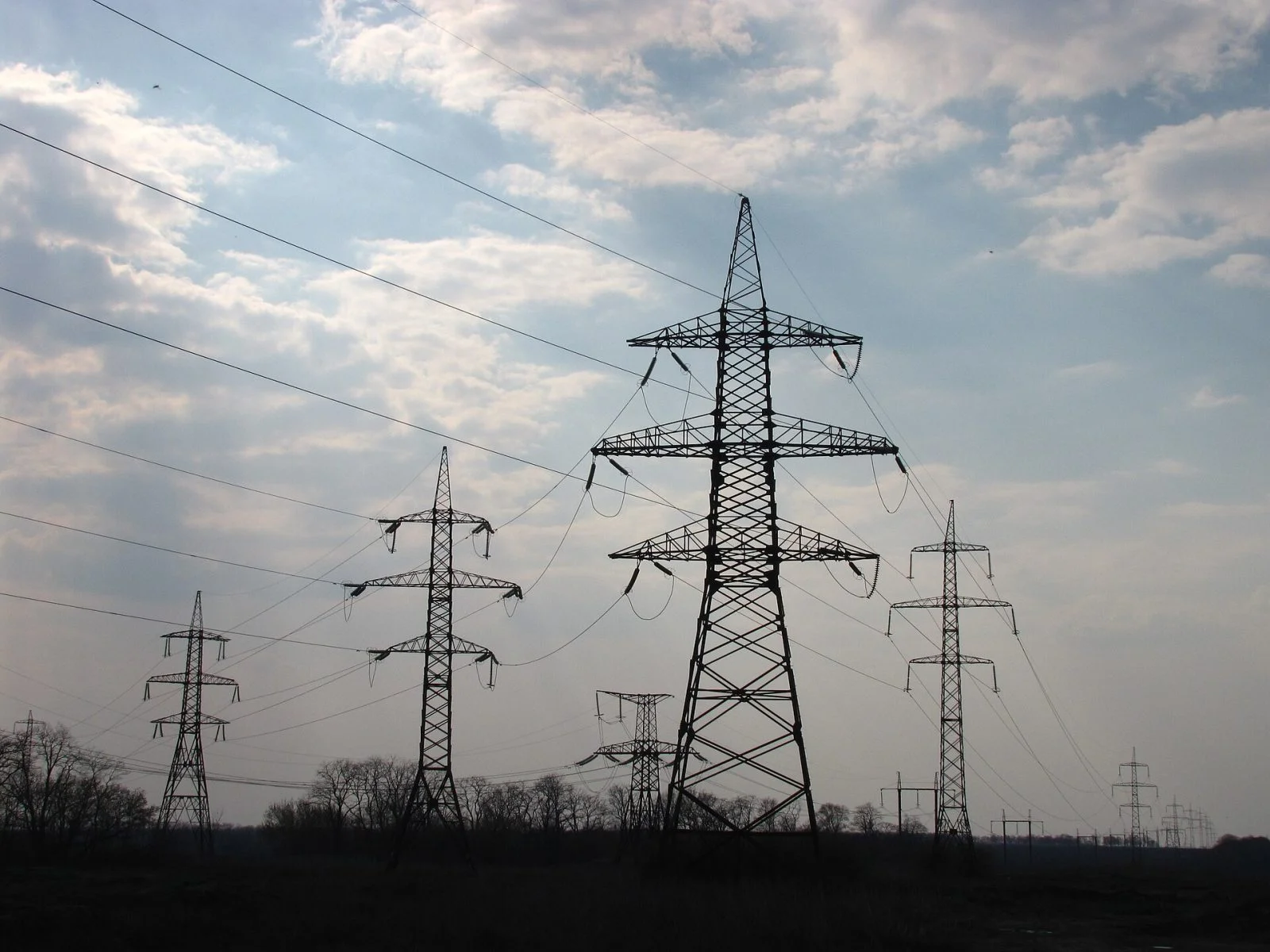
Ukraine’s Defense Intelligence agency (HUR) says Russia has developed a specialized strike drone designed to destroy power transmission towers, with explosive charges embedded in its wings capable of cutting through metal. The weapon is assessed as part of a looming fall-winter strike campaign against Ukraine’s energy grid.
At a Glance
- Status: Ukrainian intelligence assessment — limited independent verification
- Source: Ukraine’s Defense Intelligence agency (HUR)
- Target: power transmission lines and pylons, not generation plants
- Mechanism: explosive ordnance embedded in the wings, capable of cutting metal
- Goal: disrupt electricity distribution without striking major generation stations
- Timing: seen as preparation for a fall-winter strike campaign
Background
According to HUR, the drone is optimized to target transmission towers and the cables they carry rather than power plants directly. The explosive material embedded in its wings is designed to sever metal cables and pylon connection points, aiming to cause localized but widespread disruptions across the distribution network. Compared with bombing major power stations, this approach is seen as cheaper and harder to detect, since distribution lines are typically defended by far less air defense than generation facilities.
Ukrainian officials note that fielding such a weapon could be an early signal of a broader campaign to cripple energy and heating infrastructure, echoing previous winters when Russia targeted Ukraine’s grid with missile and drone strikes. That history lends context to the warning’s credibility, though independent visual or field verification of the drone’s operational use remains limited — the disclosure rests on Ukrainian intelligence’s assessment.
Regional Impact
Cheap, precision drone threats to energy infrastructure are not just Ukraine’s problem — they concern critical-infrastructure defense across Europe and NATO more broadly. Turkey’s KORAL electronic warfare system and short-range air defense solutions like Sungur and Gökdemir, alongside its growing counter-drone export portfolio, are among the tools developed against this class of threat. The proliferation of cheap, mass-producible drones aimed at energy infrastructure also strengthens the case for NATO’s eastern flank to revisit critical-infrastructure protection doctrine.
FAQ
Has this been independently confirmed?
The disclosure comes from Ukraine’s Defense Intelligence (HUR); independent field verification remains limited, so it should be treated as an intelligence assessment.
Does the drone target power plants?
No — the stated target is transmission lines and pylons, not major generation facilities.
Why does this matter?
It represents a low-cost, hard-to-detect method for causing widespread electricity disruption.
Sources
- The Defense Post
- Statements from Ukraine’s Defense Intelligence (HUR)