Syria’s Military Strength: Inventory in Transition (2026)

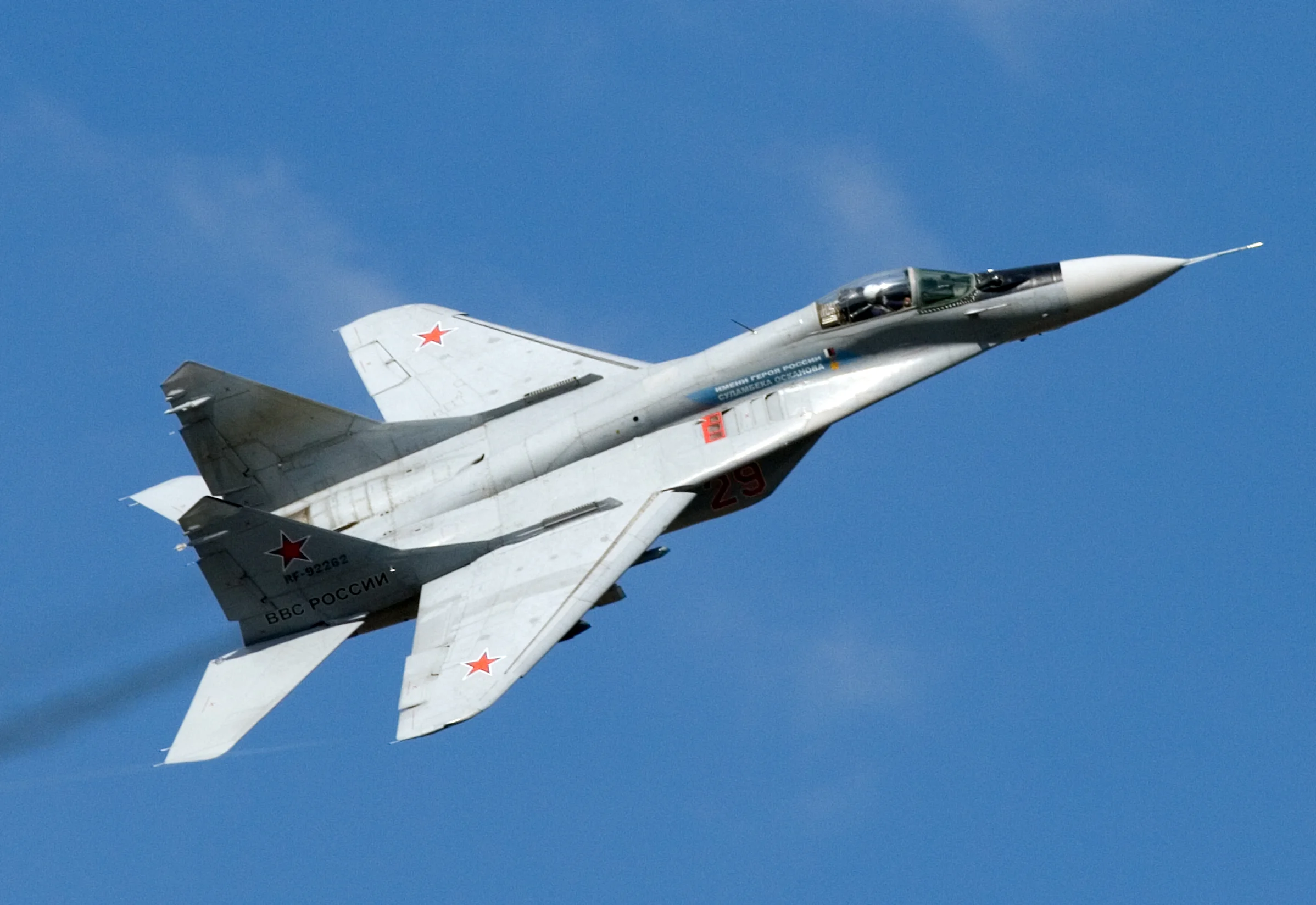
Syria’s military inventory is undergoing one of the most fundamental transformations of the modern era. Once home to one of the region’s largest Soviet-equipped militaries, the country has entered a process of rebuilding its inventory almost from scratch after more than a decade of civil war, multiple foreign interventions and the post-2024 regime change.
At a Glance
- Status: Transition — rebuilding
- Active personnel: Uncertain
- Legacy fleet (Soviet/Russian): Heavily degraded in civil war
- Key degraders: Civil war + airstrikes
- External partner: Turkey (reconstruction)
- Data note: Figures largely uncertain
Note: The inventory figures below are approximate values drawn from open sources such as Global Firepower, the IISS Military Balance and SIPRI.
About the Syria Armed Forces
The inventory of the Syrian Armed Forces is largely uncertain today owing to civil war and regime change. The figures in the tables below therefore mainly reflect the pre-war (around 2011) baseline; current operational strength is far below them.
The pre-war inventory consisted largely of Soviet/Russian-origin T-72 tanks, MiG-family aircraft and air-defence systems such as the S-200 and Buk. Much of this was destroyed or rendered inoperable by the civil war and foreign airstrikes.
Land Forces Inventory
| System type | Est. quantity |
|---|---|
| Main battle tanks (T-72, T-62, T-55) | ≈ 4.500 (savaş öncesi; büyük kısmı tahrip) |
| Armoured fighting vehicles | Belirsiz (ağır kayıp) |
| Howitzers & artillery | Belirsiz |
| MLRS | Belirsiz |

Air Force Inventory
| Platform | Est. quantity |
|---|---|
| Total military aircraft (pre-war) | ≈ 450 |
| Fighters (MiG-29, MiG-23, MiG-21, Su-22/24) | Mostly out of service |
| Helicopters (Mi-8/17, Mi-25) | Belirsiz |
| Airspace | Largely controlled by external actors |
Missile and Air-Defence Systems
| System | Type / Note |
|---|---|
| S-200 / Buk / SA-6 (legacy) | Air defence — degraded by airstrikes |
| Pantsir-S1 | Short-range air defence |
| Scud / Tochka | Short-range ballistic (legacy) |

Naval Power
| Class / Type | Est. quantity |
|---|---|
| Total naval platforms | Çok sınırlı |
| Frigates / corvettes (legacy) | ≈ 2 |
| Fast-attack & patrol boats | Belirsiz |

The Turkey Angle: Turkish Defence Industry
Turkey is among the regional actors with the greatest influence over Syria’s future, and its relations with the Damascus authorities have developed rapidly in the new era. According to open sources, Turkey is a key partner in the reconstruction of the Syrian army, training and security cooperation.
This process also holds significant potential for Turkey’s defence industry: a rebuilt army’s needs in training, armoured vehicles, drones and air defence form a natural field for Turkey’s procurement model based on unconditional export and technology transfer. Given the transitional nature of the process, however, concrete procurement items are expected to become clearer over time.
Frequently Asked Questions
What state is Syria’s army in today? Due to civil war and the post-2024 regime change, the inventory is largely uncertain and the army is under reconstruction.
Why aren’t Syria’s figures clear? Prolonged conflict, multiple foreign interventions and unreliable records mean current figures cannot be given precisely in open sources.
What is Turkey’s relationship with the Syrian army? Turkey stands out as one of the most influential external actors in the reconstruction of the Syrian army and in security cooperation in the new era.
Bottom Line
After more than a decade of war, Syria is rebuilding its military inventory almost from scratch. That reconstruction is a process to watch closely — one that raises the influence of regional actors, Turkey foremost, and the medium-term potential of the Turkish defence industry.