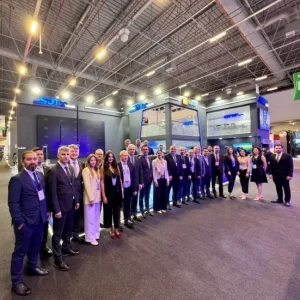
Nigeria and Turkey Deepen Defence Industrial Ties (2026)


Nigeria and Turkey deepened their defence-industrial partnership through 2026, moving from a buyer-seller relationship toward joint production. The two governments signed a core Defence Cooperation Agreement in Ankara in January 2026, followed by a framework supply and technology-cooperation deal between Turkish drone maker DASAL Aviation Technologies and Nigerian firm NIGUS International Investment Limited at the SAHA 2026 exhibition in Istanbul, and a Defence Industry Cooperation Committee (DICC) forum in Abuja in August 2026. Below is what is confirmed, what remains a framework ceiling rather than a firm order, and how this fits Nigeria’s existing Turkish equipment inventory.
Contents
- 2026 Timeline: From Ankara to Abuja
- The DASAL–NIGUS Framework Agreement
- Nigeria’s Existing Turkish Inventory
- What Is the Defence Industry Cooperation Committee?
- Systems Covered by the 2026 Framework
- Regional Context: Turkey’s Wider West African Push
- FAQ
- Sources
2026 Timeline: From Ankara to Abuja
Nigeria–Turkey defence ties advanced through three distinct milestones in 2026:
- January 27, 2026 (Ankara): Nigerian President Bola Ahmed Tinubu signed a core Defence Cooperation Agreement with Turkey, producing nine accompanying accords covering military training and intelligence sharing.
- May 2026 (Istanbul, SAHA 2026 expo): DASAL Aviation Technologies and NIGUS International Investment Limited signed a framework supply and technology-cooperation agreement covering unmanned systems.
- August 26, 2026 (Abuja): The 7th Defence Industry Business Forum formalized the minutes of the 7th Defence Industry Cooperation Committee (DICC) meeting between the two countries.
At the Abuja forum, Nigeria’s Minister of Defence, General Christopher Gwabin Musa (retd), framed the shift explicitly: “We must progressively move beyond a predominantly buyer-seller relationship towards a more balanced and mutually beneficial partnership.” The Defence Industries Corporation of Nigeria (DICON) was represented by its Director-General, Major General Babatunde Ibrahim Alaya, alongside Turkey’s defence-industry delegation.
The DASAL–NIGUS Framework Agreement
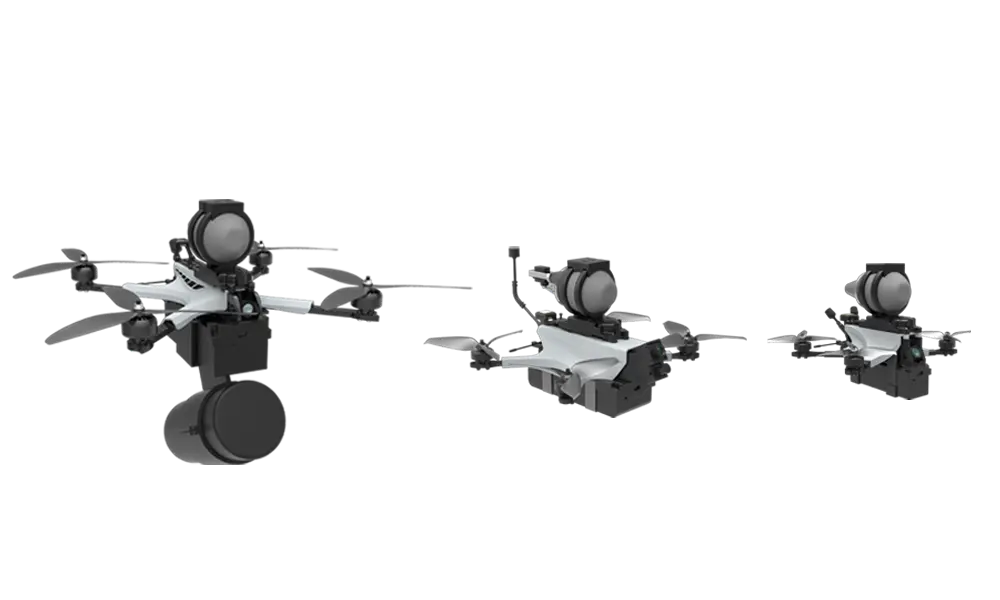
The May 2026 agreement between DASAL Aviation Technologies and NIGUS International Investment Limited is a framework supply and technology-cooperation deal, not a single firm-price contract. Reported scope includes:
- Up to 100,000 DASAL MIKON loitering munitions (5″, 7″ and 10″ variants)
- Up to 200 FALCON R556 multi-rotor systems
- Up to 100 PUHU cargo drones for logistics resupply
- C75 and C100 electric rotary-wing cargo models, quantities unspecified
- Local assembly and maintenance, repair and overhaul (MRO) facilities to be established in Nigeria
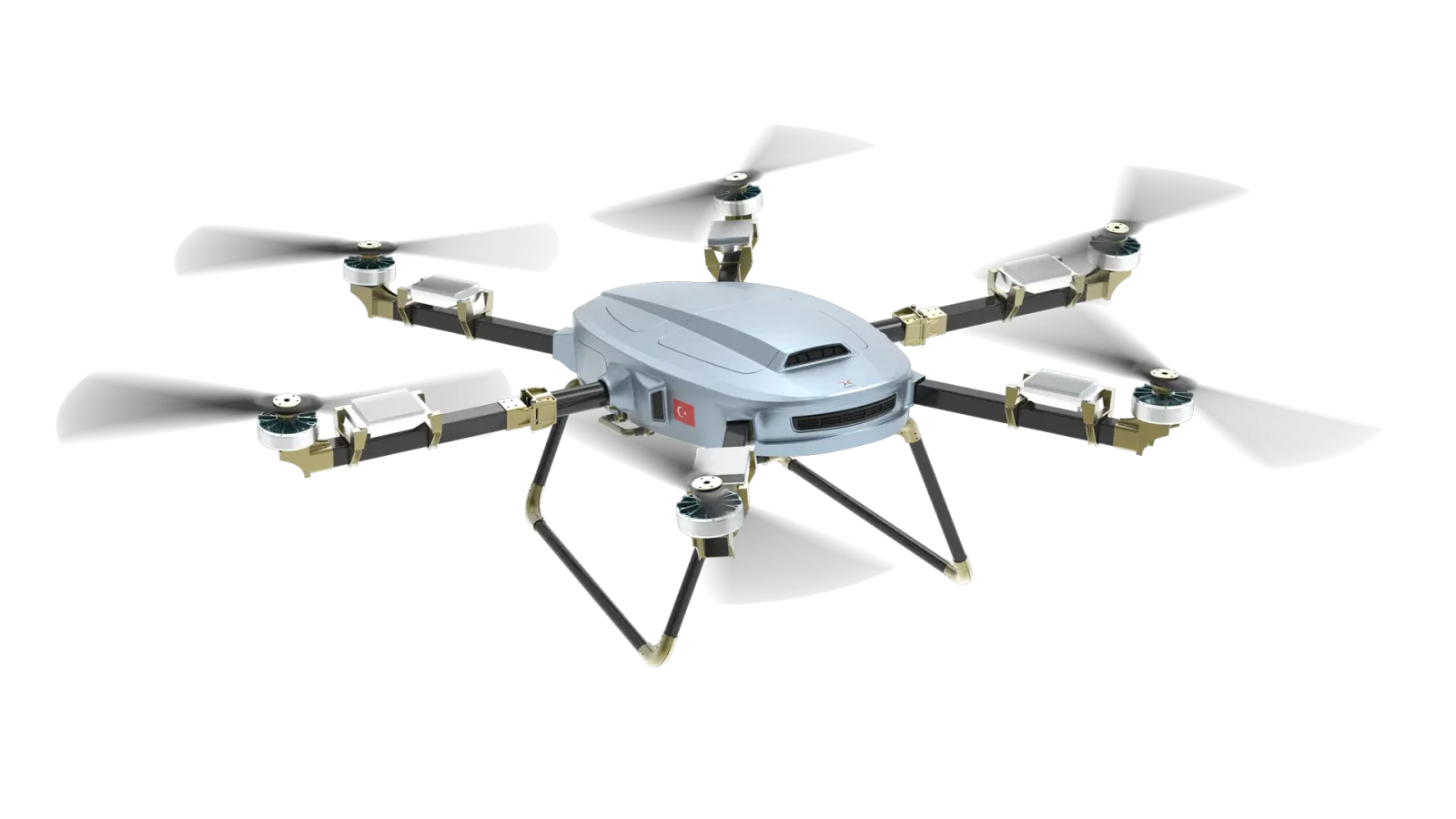
Important distinction: the figures above describe the outer ceiling of a framework and technology-transfer arrangement reported around the SAHA 2026 signing, not a confirmed, funded firm order. Framework agreements of this kind typically convert into staged purchase orders over several years, and neither government has published a delivery schedule or contract value. Treat the quantities as a negotiated scope, not a confirmed inventory addition, until Nigeria’s Ministry of Defence or DICON issues delivery confirmation.
Nigeria’s Existing Turkish Inventory
The 2026 agreements build on an already-established relationship. Nigeria is a confirmed operator of the Bayraktar TB2 armed drone, used operationally against Boko Haram and ISWAP in the northeast (see our African Bayraktar TB2 operators breakdown). A 2022-era plan for six T-129 ATAK attack helicopters has also been publicly referenced, though full delivery status has not been independently confirmed. Turkey separately provides specialized counterterrorism training, with more than 200 Nigerian special-forces personnel reported as having passed through Turkish programs.
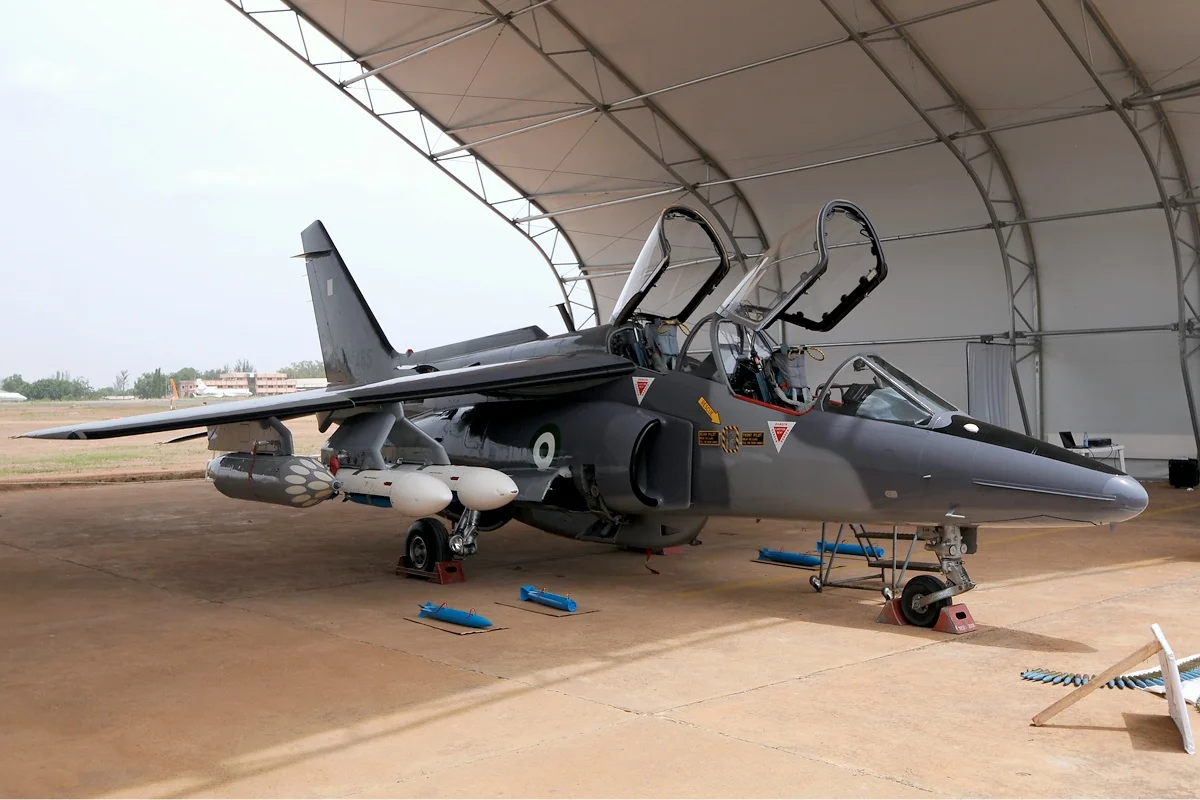
For the wider picture of how Turkish and Chinese systems co-exist in African air forces, see our analysis of Turkish vs. Chinese drones in Africa and how Turkish Aerospace’s footprint has grown on the continent in TUSAŞ in Africa: Confirmed Operators.
What Is the Defence Industry Cooperation Committee?
The Defence Industry Cooperation Committee (DICC) is the bilateral mechanism through which Nigeria and Turkey coordinate defence-industrial policy, technology transfer and co-production terms, distinct from routine government-to-government arms sales. The August 2026 meeting was its seventh session, indicating the mechanism has operated for several years prior to reaching public prominence in 2026. Its stated goal — moving Nigeria from pure equipment purchases toward local assembly, MRO and eventual co-production — mirrors the localization push already under way with Saudi Arabia’s GAMI/SAMI framework and Turkey’s own SSB (Presidency of Defence Industries) doctrine for technology-transfer exports.
Systems Covered by the 2026 Framework
| System | Manufacturer | Role | Reported 2026 framework scope | Status |
|---|---|---|---|---|
| MIKON (5″/7″/10″) | DASAL Aviation Technologies | Loitering munition (kamikaze drone) | Up to 100,000 units | Framework agreement, not a confirmed firm order |
| FALCON R556 | DASAL Aviation Technologies | Multi-rotor unmanned system | Up to 200 units | Framework agreement |
| PUHU (C75/C100) | DASAL Aviation Technologies | Cargo/logistics UAV | Up to 100 units + unspecified C75/C100 | Framework agreement |
| Bayraktar TB2 | Baykar | Armed medium-altitude UAV | Not part of 2026 framework | Confirmed operator (pre-existing) |
| T-129 ATAK | Turkish Aerospace (TUSAŞ) | Attack helicopter | 6 units referenced (2022-era plan) | Reported interest; delivery not independently confirmed |
Regional Context: Turkey’s Wider West African Push
Nigeria’s deal sits inside a broader pattern of Turkish defence-industrial engagement in West and Central Africa through 2026. Ankara signed a protocol with Niger in April 2026 to place technical advisers alongside Niger’s existing TB2 and Karayel drone fleets, and a separate military financial-cooperation agreement with Cameroon followed in June 2026. Niger, Burkina Faso, Mali and Chad already form the largest bloc of Turkish-exclusive UAV operators on the continent, a trend accelerated after several Sahel governments reoriented their procurement following 2021–2022. Nigeria’s shift from single-platform purchases (TB2) toward a multi-system, localized-production framework marks a deeper stage of that same trend rather than an isolated deal.
FAQ
Is the 100,000-unit MIKON figure a confirmed Nigerian order?
No. It is the reported outer scope of a framework supply and technology-cooperation agreement signed in May 2026. Framework agreements set a negotiated ceiling and cooperation terms; actual deliveries depend on subsequent staged contracts that have not yet been separately confirmed by either government.
Does Nigeria already use Turkish drones?
Yes. Nigeria is a confirmed operator of the Bayraktar TB2, used in counter-insurgency operations in the northeast, independent of the 2026 DASAL-NIGUS framework.
What is NIGUS International Investment Limited?
NIGUS is the Nigerian private-sector partner named in the May 2026 framework agreement with DASAL Aviation Technologies, tasked alongside DASAL with local assembly and MRO facility development in Nigeria.
What is DICON’s role?
The Defence Industries Corporation of Nigeria (DICON) is Nigeria’s state defence manufacturer and the government body coordinating localization and co-production terms with Turkish industry through the DICC mechanism.
Are T-129 ATAK helicopters confirmed as delivered to Nigeria?
Six units were referenced in a 2022-era acquisition plan, but independent confirmation of full delivery status has not been published as of this report.
Sources
- Military Africa, “Nigeria and Turkey advance defence industrial ties,” September 2026
- Presidency of the Federal Republic of Nigeria — statements on the January 2026 Ankara Defence Cooperation Agreement
- SAHA Istanbul 2026 exhibition — exhibitor agreement announcements
Last updated: September 13, 2026.