Which African Countries Use the Bayraktar TB2? A Region-by-Region Operator Guide (2026)


Which African Countries Use the Bayraktar TB2? A Region-by-Region Operator Guide (2026)
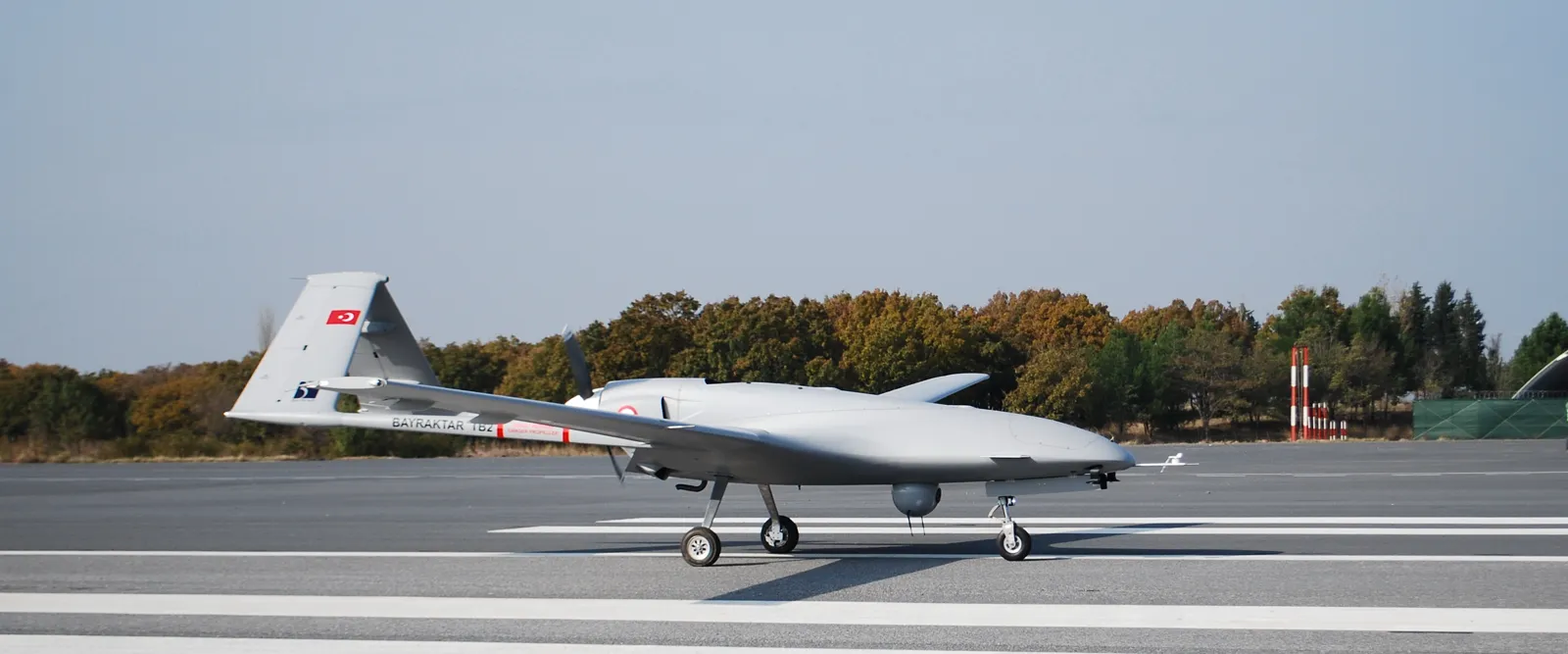
At least ten African air forces fly the Turkish-made Bayraktar TB2 armed drone, and a handful more are widely reported to have ordered or received it. Confirmed operators span the Horn of Africa (Ethiopia, Djibouti, Somalia), the Sahel (Mali, Niger, Burkina Faso), North Africa (Morocco, Tunisia), West Africa (Nigeria, Togo) and, most recently, East Africa (Kenya) and Southern Africa (Angola). This guide separates confirmed deliveries from reported or unverified claims, country by country. For the platform’s full global operator list beyond Africa, see our Bayraktar TB2 deliveries dossier and, for regional air power context, Africa’s 10 Strongest Air Forces (2026).
Contents
- African TB2 operators at a glance
- Horn of Africa: Ethiopia, Djibouti, Somalia
- The Sahel: Mali, Niger, Burkina Faso
- North Africa: Morocco, Tunisia
- West Africa: Nigeria, Togo
- East and Southern Africa: Kenya, Angola
- Other reported customers
- Why African militaries choose the TB2
- TB2 vs. the alternatives — and what comes next
- TB2 technical snapshot
- FAQ
- Sources
African TB2 operators at a glance
The table below distinguishes confirmed operators (public delivery, parade appearance, or combat use documented by multiple independent sources) from reported ones (named in industry trackers or single-source reporting without a confirmed delivery date or quantity). Global Firepower-style rankings are not a data source for this table; figures below come from Baykar statements, defence-industry press (DefenceWeb, Africa Defense Forum, Military Africa, Army Recognition) and, where available, host-government statements.
| Country | Region | Status | First reported delivery | Approx. quantity |
|---|---|---|---|---|
| Ethiopia | Horn of Africa | Confirmed operator | Late 2021 | 4+ (initial order) |
| Morocco | North Africa | Confirmed operator | 2021–2022 | 13 (2021 contract) |
| Niger | Sahel | Confirmed operator | May 2022 | 6 (first batch) |
| Burkina Faso | Sahel | Confirmed operator | April–May 2022 | 5 |
| Togo | West Africa | Confirmed operator | 2022 | 3+ |
| Mali | Sahel | Confirmed operator | 2023 | 17+ (cumulative) |
| Djibouti | Horn of Africa | Confirmed operator | 2023–2024 | 3+ |
| Nigeria | West Africa | Reported (platform mix not itemized publicly) | 2022–2023 | Part of a 43-UAV order |
| Somalia | Horn of Africa | Confirmed operator | Not publicly detailed | Not publicly disclosed |
| Tunisia | North Africa | Confirmed operator | Not publicly detailed | Not publicly disclosed |
| Kenya | East Africa | Confirmed operator | December 2024 | 6+ (at least six) |
| Angola | Southern Africa | Confirmed operator | Not publicly detailed | Not publicly disclosed |
Horn of Africa: Ethiopia, Djibouti, Somalia
Ethiopia was one of the first African states to fly the TB2 in combat. The Ethiopian National Defence Force ordered the system in mid-2021 and took delivery within months, deploying it — alongside other imported armed drones — during the 2021–2022 offensive that recaptured Tigray’s capital, Mekelle, from Tigrayan forces. The episode was widely covered by outlets including the Africa Center for Strategic Studies and the European Council on Foreign Relations, which both describe TB2 strikes as a turning point in that phase of the war. Addis Ababa’s appreciation for the platform was made explicit in 2022, when Ethiopia awarded Baykar CEO Haluk Bayraktar a state Medal of Honour — reportedly the first time a foreign national received the country’s top civilian award.
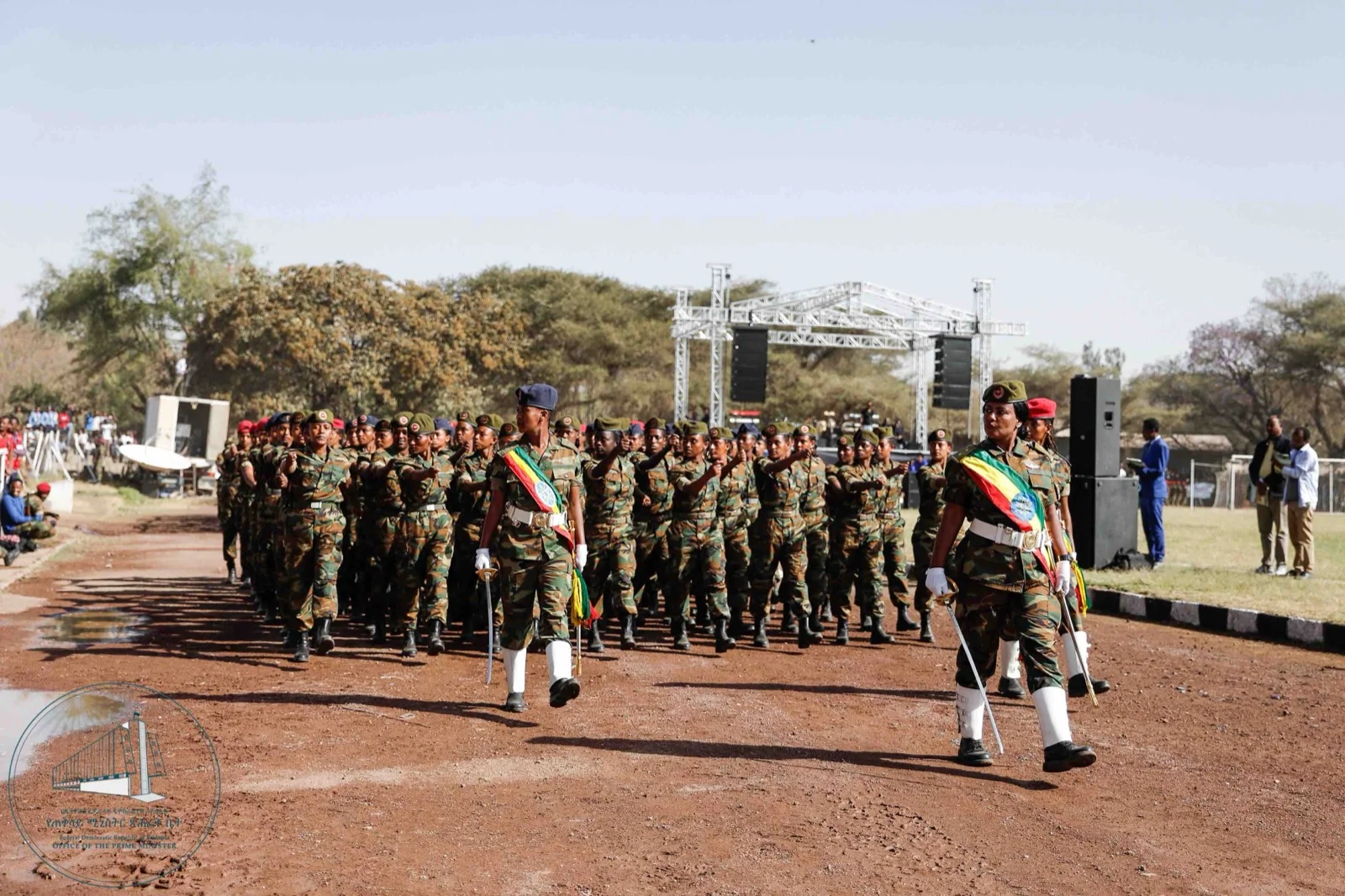
Djibouti, host to foreign military bases from several countries, has operated at least three TB2s since around 2023–2024. Two aircraft were publicly displayed at a national independence day parade, with at least one shown carrying Roketsan MAM-L precision munitions under Djibouti Air Force markings.
Somalia appears in Baykar’s own list of African clients alongside Ethiopia, Djibouti and the Sahel operators, but Mogadishu has not published a delivery timeline, quantity or unit cost. Given Somalia’s ongoing counter-al-Shabaab operations, a TB2 acquisition would track with the wider regional pattern of using armed ISR drones for counterinsurgency rather than conventional warfare.
The Sahel: Mali, Niger, Burkina Faso
The three military-led Sahelian governments — all contending with jihadist insurgencies and, in Mali and Burkina Faso’s case, a rupture with France’s military presence — have become some of Baykar’s most consistent African customers.
Niger received its first batch of six TB2s in May 2022, becoming the second Sahel state (after Burkina Faso, delivered weeks earlier) to field the type. Burkina Faso commissioned five TB2s into service around April–May 2022, according to DefenceWeb; Ouagadougou has used the type in its campaign against jihadist groups in the country’s north and east. Mali has expanded its fleet the fastest of the three: after an initial 2023 delivery, follow-on batches have brought Mali’s inventory to at least 17 TB2s — among the largest African fleets — and Bamako has since added the larger, longer-range Bayraktar AKINCI to its inventory as well, with fresh AKINCI shipments reported into 2026.
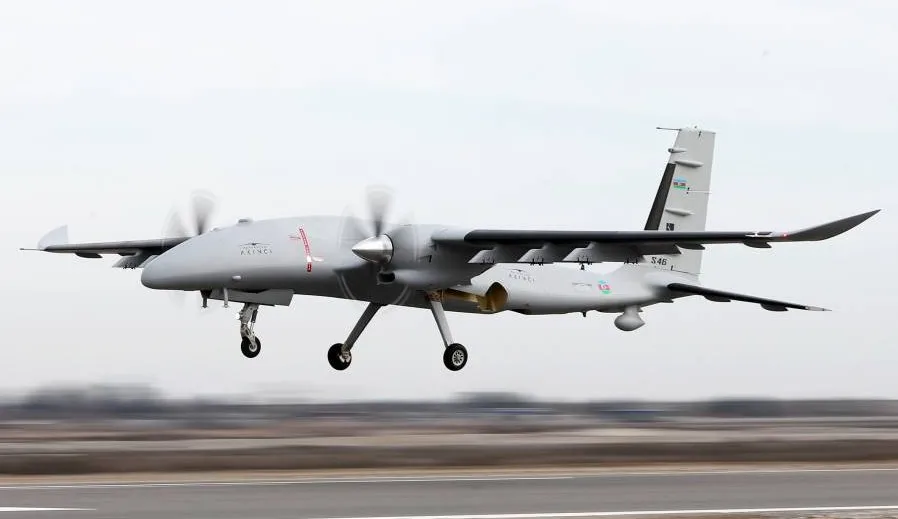
All three governments frame these acquisitions around counterterrorism and territorial control rather than a specific foreign adversary, and independent trackers (including Africa Center for Strategic Studies reporting on drone strikes) note that the same platforms have also been linked to strikes with civilian casualties in contested areas — a reminder that ISR-strike drones used in internal counterinsurgency campaigns carry real operational and humanitarian stakes, separate from the export statistics.
North Africa: Morocco, Tunisia
Morocco is Baykar’s most strategically significant African partner. Rabat’s Royal Armed Forces signed a roughly $70 million (MAD 626 million) contract for 13 TB2 platforms in April 2021 — one of the earliest African orders — and has since added the heavier AKINCI to its inventory. In December 2024, Baykar registered a Moroccan subsidiary, Atlas Defense, in Benslimane to handle drone maintenance, overhaul and eventually assembly; recruitment for technician and test-pilot roles was still underway in early 2026. The facility is intended to shorten delivery times to other African customers, reinforcing Morocco’s role as a regional hub for Turkish UAV support.
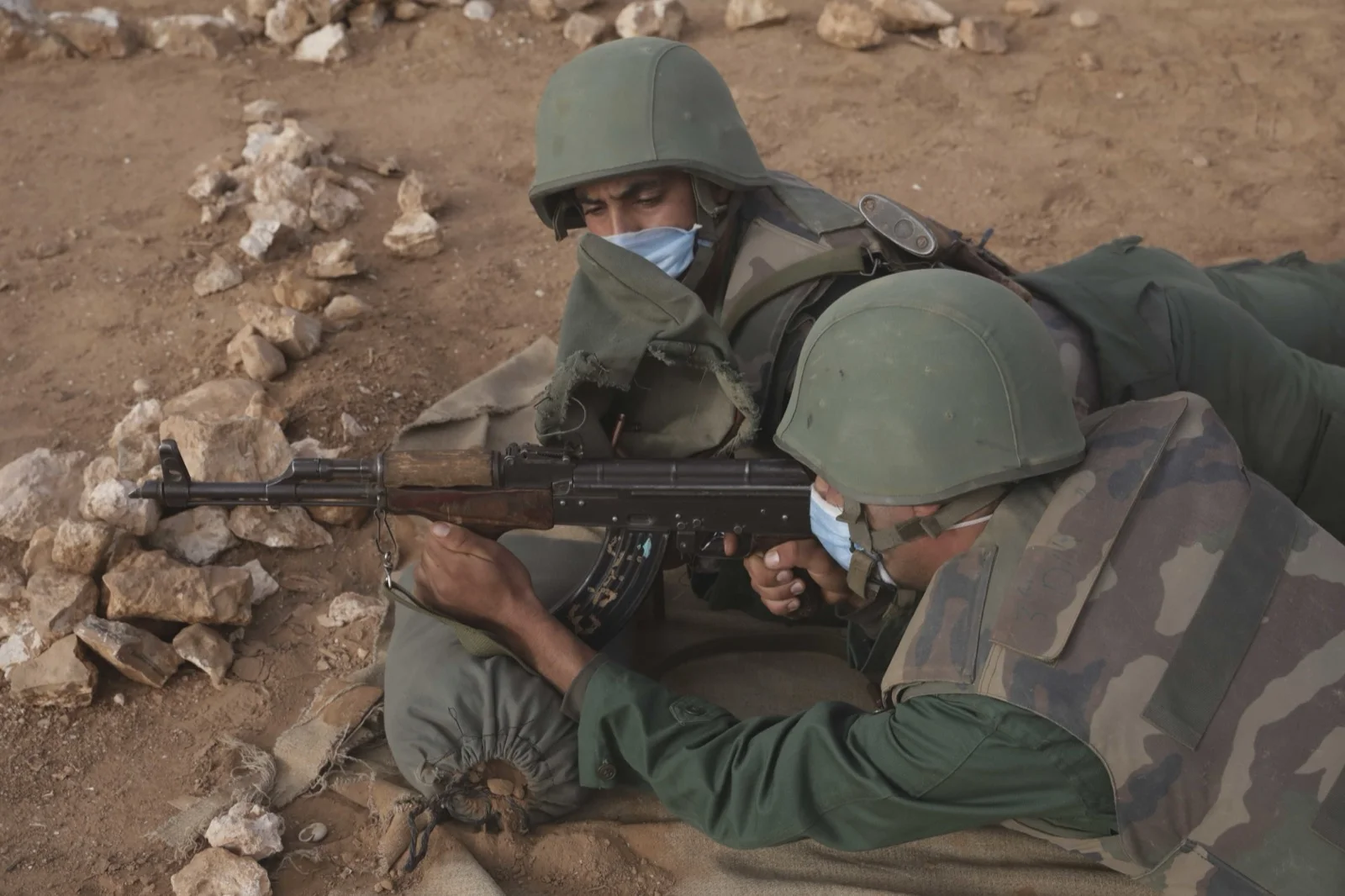
Tunisia is listed by Baykar and multiple defence outlets as a TB2 customer, though — as with Somalia — public reporting has not detailed delivery dates or fleet size.
West Africa: Nigeria, Togo
Nigeria’s case illustrates why this guide separates “confirmed” from “reported.” Under the Nigerian Air Force’s Project Guardian modernization drive, Abuja placed an order reported at 43 Turkish-made UAVs, with deliveries and pilot training in Turkey running through 2022–2023; Nigerian and Turkish outlets have widely described the bulk of this order as Bayraktar TB2s, and the type has since been used in reconnaissance and strike roles against Boko Haram and Islamic State West Africa Province in the northeast — the same insurgency backdrop against which Nigerian firm BabaSky recently unveiled Africa’s first locally built fiber-optic kamikaze drone. However, the Nigerian Air Force has not published an official platform-by-platform breakdown of the 43-unit order, so this guide lists Nigeria as a reported rather than fully confirmed single-type operator until an official source itemizes the fleet.
Togo began flying at least three TB2s in 2022, one of the earlier West African deliveries alongside Niger and Burkina Faso.
East and Southern Africa: Kenya, Angola
Kenya is the newest confirmed African operator. Kenyan personnel completed TB2 training at Baykar’s flight school in Keşan, Türkiye, in August 2024, and the Kenya Defence Forces received at least six TB2s that December — a deal framed publicly around border and counterterrorism surveillance rather than a specific conflict.
Angola is named as a confirmed Baykar client in multiple 2025 industry surveys (including Africa Defense Forum’s), though — again — Luanda has not released acquisition dates or unit numbers. Angola’s existing air force inventory (Su-30 fighters, among others) suggests the TB2 order supplements rather than replaces its conventional strike and ISR capability.
Other reported customers
A small number of aggregator sources (industry-tracking sites rather than government or Baykar statements) also list Chad, Mauritania and Senegal as TB2 users. Because these appear in only one or two secondary sources, without a confirmed delivery date, quantity or official acknowledgement, this guide treats them as unverified claims rather than confirmed operators. If and when an official Baykar, Turkish government or host-nation statement confirms a delivery, this page will be updated.
Why African militaries choose the TB2
Cost is the most cited factor: industry estimates put a TB2 system at roughly $2–5 million per unit depending on configuration and ground-station package, a fraction of the cost of comparable Western or Chinese medium-altitude systems with similar sensor and strike capability. For defence budgets built around counterinsurgency rather than peer conflict, that price point buys persistent ISR and precision strike without the infrastructure demands of manned strike aircraft.
Beyond unit price, several factors specific to Türkiye’s offer recur across these African deals: relatively short lead times compared with some competitors, an established munitions ecosystem (Roketsan’s MAM-L/MAM-C smart micro-munitions are combat-proven on the platform), and training packages delivered directly at Baykar’s own facility in Türkiye. The planned Morocco maintenance and assembly hub is a further step toward shortening delivery and support timelines for the wider African market. These are documented advantages rather than claims of outright superiority — competing systems, including China’s Wing Loong series, remain in service elsewhere on the continent and offer their own trade-offs in range, payload and price.
TB2 vs. the alternatives — and what comes next
The TB2 is not the only armed drone on the continent. China’s Wing Loong series (via CASC and CATIC) is flown by several African air forces, including Nigeria, and has featured in the same Sahel and Horn of Africa conflicts. Where the two compete head to head, operators typically weigh Wing Loong’s larger payload and altitude ceiling against the TB2’s lower unit cost, faster typical delivery, and the depth of Baykar’s African support network — not a case of one system being categorically superior, but of militaries with limited budgets choosing the mix that fits their mission profile and existing logistics (see our full TB2 vs. Wing Loong II technical comparison).
Looking ahead, three trends are likely to shape the African TB2 footprint through the rest of 2026: the Morocco maintenance and assembly hub scaling up toward faster regional deliveries; continued fleet growth among existing Sahel operators (Mali’s pattern of repeat batches is the clearest example); and the possibility of new entrants following Kenya’s December 2024 delivery, as East African states watch how Nairobi uses the platform for border and counterterrorism surveillance.
TB2 technical snapshot
| Attribute | Detail |
|---|---|
| Main role | ISR and precision strike (MALE-class armed UAV) |
| Manufacturer / Production | Baykar (Türkiye); serial production in Istanbul, stated annual capacity ~250 units |
| Export operators | 28+ countries globally per Baykar, including 10+ confirmed African states |
| Munitions | Roketsan MAM-L / MAM-C smart micro-munitions on four hardpoints |
| Technology transfer | Maintenance/assembly localization confirmed for Morocco (Atlas Defense, Benslimane); not publicly confirmed elsewhere in Africa |
| Price | Publicly estimated at roughly $2–5 million per unit depending on package; Baykar does not publish an official price list |
| Typical African delivery timeline | Order to first delivery has ranged from several months to roughly a year across the operators above |
FAQ
How many African countries operate the Bayraktar TB2?
At least ten are confirmed operators as of 2026: Ethiopia, Morocco, Niger, Burkina Faso, Togo, Mali, Djibouti, Somalia, Tunisia, Kenya and Angola. Nigeria is widely reported to operate the type but has not officially itemized its 2022 order by platform.
Which African country was the first to receive the TB2?
Burkina Faso and Niger both took delivery in spring 2022, shortly after Ethiopia’s 2021 acquisition — making Ethiopia the earliest confirmed African TB2 operator, with the Sahel states following within about a year.
Is the Bayraktar TB2 being built in Africa?
Not yet in full production. Baykar has registered a Moroccan subsidiary (Atlas Defense) in Benslimane focused on maintenance, overhaul and eventual local assembly support — a step toward regional production rather than a finished factory as of early 2026.
Do African TB2s use the same munitions as Turkish or Ukrainian TB2s?
Yes — the platform is built around Roketsan’s MAM-L and MAM-C smart micro-munitions, the same weapons used by Turkish, Ukrainian and other export operators, which is part of why Baykar can support such a wide operator base from a single supply chain.
Is Global Firepower a reliable source for how many TB2s a country has?
No — Global Firepower ranks overall military strength using its own index and does not track individual UAV inventories. Fleet and delivery figures in this guide come from Baykar statements, specialist defence outlets (DefenceWeb, Africa Defense Forum, Military Africa, Army Recognition) and host-government statements where available.
Sources
- Africa Defense Forum, “As Drone Warfare Expands in Africa, Turkey Increases Share of the Market” (Feb 2025)
- DefenceWeb, “Burkina Faso commissions Bayraktar TB2 UAVs”; “Nigerien Bayraktar TB2 deliveries begin”; “Mali receives more Bayraktar TB2 UAVs”; “Djibouti operating Bayraktar UAVs”
- Military Africa, “Kenya receives Bayraktar TB2 drones from Turkey” (Dec 2024); “Reasons why African countries love the Bayraktar TB2 drone”; “Project Guardian: Nigeria Acquires 43 Turkish Drones to Enhance Security”
- Army Recognition, “Nigeria to acquire Turkish Bayraktar TB2 Unmanned Aerial Vehicles”; “Kenya Set to Receive Advanced Bayraktar TB2 Combat Drones from Türkiye”
- Morocco World News, “Turkish Baykar Begins Recruiting for Benslimane Drone Facility” (Feb 2026); The Defense Post, “Morocco Buys Bayraktar Akinci Drones From Turkey” (Nov 2024)
- Africa Center for Strategic Studies, “Military Drone Proliferation Marks Destabilizing Shift in Africa’s Armed Conflicts”; European Council on Foreign Relations, “Deadly skies: Drone warfare in Ethiopia and the future of conflict in Africa”
- BAYKAR Technology, official press releases
Last updated: August 2026.