The Pentagon Wants a Cheaper Interceptor: MDA Awards X-Bow $11 Million to Fly One
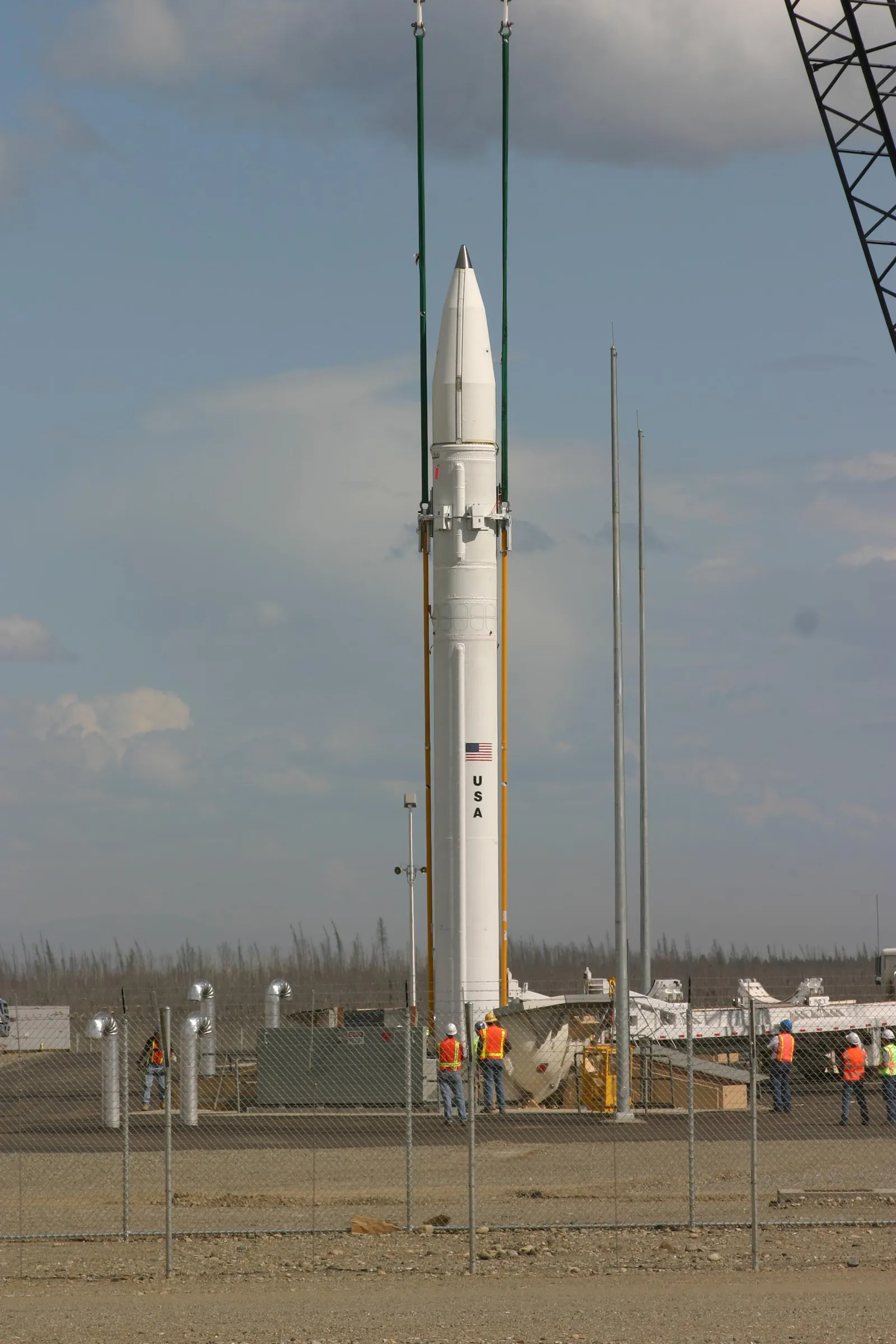
The US Missile Defense Agency (MDA) has awarded X-Bow Systems, based in New Mexico, a second-phase contract worth roughly $11 million to develop and flight-test a low-cost interceptor. The award falls under the agency’s Rapid Response Small Launcher Technology (RRSLT) programme and runs through July 2028.
The target: under $750,000 a round
The stated goal is to bring interceptor unit cost below $750,000. The Low-Cost Interceptor (LCI) that X-Bow will develop is intended to engage ballistic missiles, cruise missiles and hypersonic threats.
That figure needs context. Mid-tier and upper-tier interceptors in the US inventory cost millions of dollars each, and single shots from some upper-tier systems run past $10 million. Meanwhile the threat set has been getting cheaper in the opposite direction: one-way attack drones can be produced for tens of thousands of dollars.
This asymmetry is the central problem in missile defence. If the defender spends an order of magnitude more per engagement than the attacker, the contest stops being technical and becomes economic. Over a long enough campaign, magazine depth decides outcomes as much as technology does.
The motor is the real story
The most significant technical element of the award is that X-Bow will power the interceptor with a solid rocket motor (SRM) built in house. That touches the most serious bottleneck in the US missile industrial base.
Solid rocket motor production in the United States has long depended on two primary manufacturers. That concentration means that when munitions orders surge, every programme funnels through the same constriction: airframe, guidance section and warhead can all be ready and deliveries still wait on a motor. After the transfers to Ukraine, the constraint became a central planning problem for the Pentagon.
X-Bow’s business model is built on exactly this gap. The company uses additive manufacturing approaches in place of traditional, labour-intensive propellant casting, aiming to produce motors faster and with a smaller specialised workforce. By bringing the motor inside the scope of the contract, MDA is shopping for an alternative supply chain as much as for an interceptor.
What happens next
In phase two X-Bow will build and flight-test a prototype. After that the company is expected to deliver four to ten systems that MDA can use in intercept testing. The contract value and schedule place this at the scale of technology maturation, not a production programme of record.
How you make an interceptor cheaper
Three elements drive interceptor cost: the seeker, the propulsion system and terminal manoeuvre authority. Upper-tier interceptors maximise all three, and cost rises accordingly.
The low-cost approach trims each to the target class. The infrared seeker sensitivity needed to intercept a long-range ballistic missile outside the atmosphere is not required against cruise missiles or low-flying drones. Likewise, if most of the target picture comes from an external radar network, the round’s own sensor can be simplified.
That logic only works because defence architectures have become network-centric. In effect, the expensive capability is taken out of the missile and distributed across the system.
What RRSLT is for
The programme the award sits under is, as its name suggests, framed around small launcher technology. In recent years MDA has used it to bring small and mid-size firms outside the traditional prime contractor structure into the missile defence supply chain.
The underlying principle is second-sourcing: not depending on a single producer for a critical component. Sole-sourcing can be cheaper in peacetime, but it locks an entire programme onto one line when demand multiplies. The US Air Force’s recent approval of a second engine source for the JASSM cruise missile comes from the same policy instinct.
For X-Bow, the prize is broader than one interceptor contract. If the flight tests succeed, the company’s real gain will be qualified status as a solid rocket motor supplier.
Regional implications
The search for cheaper interceptors is not confined to the United States. Throughout the war in Ukraine, air defence batteries burned through stocks against drone waves, exposing the same problem across NATO inventories. European states are consequently investing in lower tiers: gun-based close-in defence, directed energy and low-cost interceptors.
The picture is familiar in Turkey as well. Building a layered architecture spanning different range and cost bands is precisely the rationale behind a range that runs from gun-based systems such as KORKUT through the HİSAR and SİPER families. Holding solid rocket motor production domestically also means that the bottleneck X-Bow is being paid to relieve in the United States was structured differently there from the outset.
Sources
- US Missile Defense Agency contract announcement, 19 August 2026
- X-Bow Systems corporate statements