Pentagon Signs Seven-Year SM-3 Framework Deals with RTX and Boeing to Scale Missile Defense Production

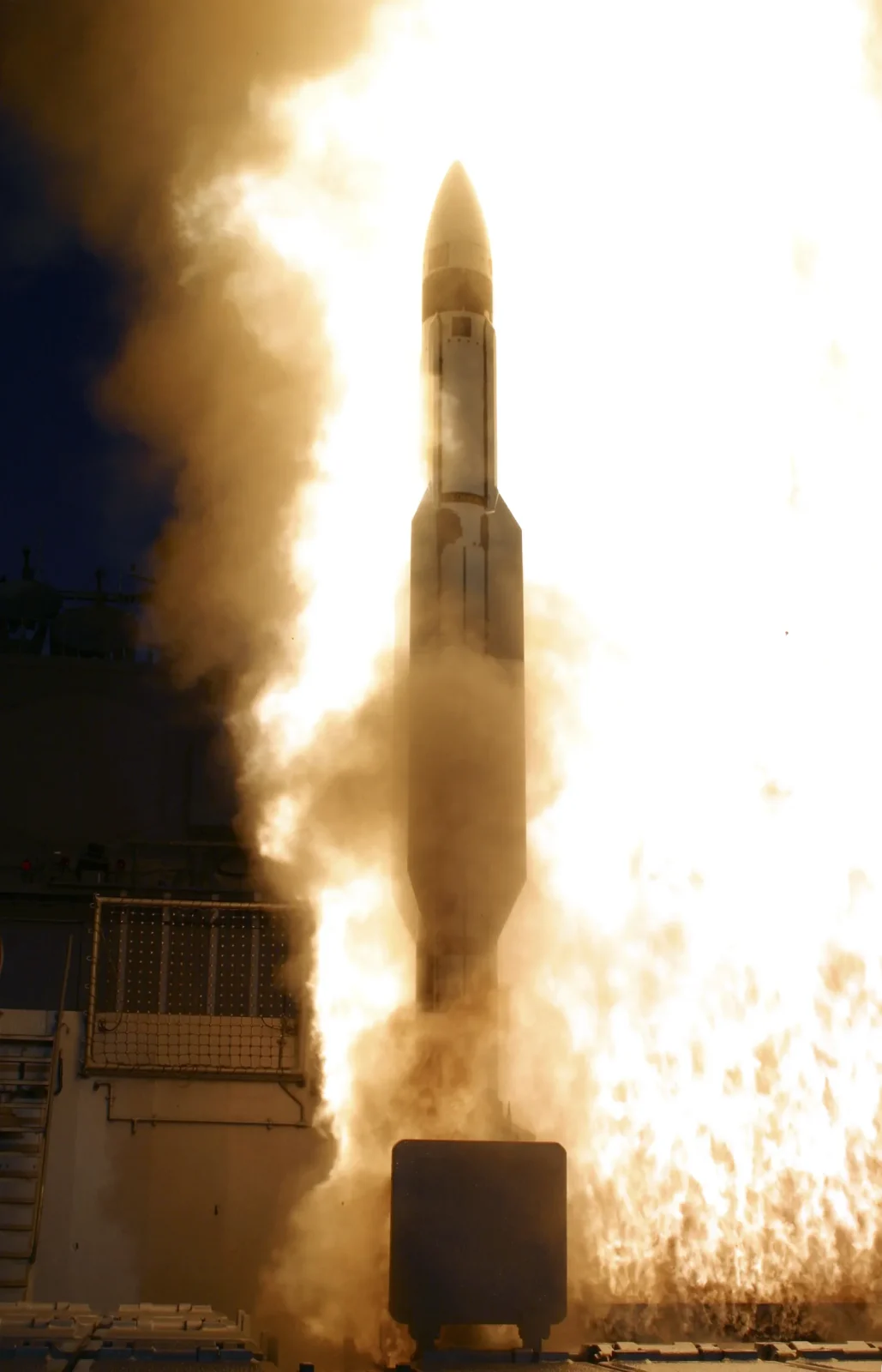
The Pentagon announced seven-year framework agreements with RTX (Raytheon Technologies) and Boeing to scale up production of Standard Missile-3 (SM-3) components, part of a broader push to place the defense industrial base on a wartime production footing after the Iran conflict strained ballistic missile defense stockpiles.
At a Glance
- The agreements run seven years and cover SM-3 Block IB and Block IIA variants.
- Components covered include avionics and ejector assemblies.
- The Pentagon did not disclose a dollar value; spokespeople offered no further financial details.
- RTX signed a separate framework agreement in February 2026 covering SM-3 variants plus Tomahawk, AMRAAM, and SM-6 missiles.
- Michael Duffey, Under Secretary of Defense for Acquisition: “These agreements ensure our warfighters get the munitions they need to win.”
Background
SM-3 forms the backbone of the Aegis Ballistic Missile Defense System, a kinetic interceptor designed to destroy medium-range ballistic missiles outside the atmosphere. It’s deployed aboard US Navy Aegis destroyers and cruisers, as well as NATO’s land-based Aegis Ashore sites in Romania and Poland. The ongoing conflict with Iran has rapidly drawn down US ballistic missile defense stockpiles and increased congressional pressure to approve multi-year production deals. Pentagon officials have framed the push as part of a broader effort to shift the entire defense industrial base onto a wartime footing. Boeing Vice President Bob Ciesla said the agreement “gives us a clear demand signal to build and deliver SM-3 interceptors at the levels needed to counter threats.” These are framework agreements rather than definitized contracts — designed to give industry production assurance while the government secures congressional approval for full multi-year deals.
What It Means for Turkey
While Turkey is not a direct buyer of SM-3 interceptors, it plays a structurally important role in the NATO missile defense architecture that SM-3 underpins: the Kürecik Radar Station in Malatya hosts the AN/TPY-2 early-warning radar that feeds targeting data into NATO’s ballistic missile defense network, including the sensor chain that cues SM-3-armed Aegis destroyers patrolling the Mediterranean. A US push to scale SM-3 production therefore indirectly deepens the operational reach of the NATO missile shield that Kürecik helps enable. The episode is also instructive for Turkey’s own layered air and missile defense architecture, the “Steel Dome” (Çelik Kubbe), under which the domestically developed Hisar and Siper interceptor families are scaling production — a challenge major allies are clearly wrestling with as well.
Quick FAQ
What is the total dollar value? Not disclosed in the Pentagon announcement.
Which SM-3 variants are covered? Block IB and Block IIA.
Is this a definitized contract? No — it’s a framework agreement; full multi-year contracts await congressional approval.
Sources
- Breaking Defense — “Pentagon inks SM-3 framework deals with RTX, Boeing on critical components”