China Restricts Dual-Use Exports to Rheinmetall and Tatra
China’s Ministry of Commerce (MOFCOM) has issued a decision restricting exports of Chinese-origin dual-use goods to a list of entities that includes German defence group Rheinmetall and Czech heavy vehicle manufacturer Tatra Trucks. The measure was announced on 25 July 2026.
Alongside the two companies, the list covers 12 further entities from mainland China and Hong Kong. Other European names include Italian electric motor manufacturer Lafert Group, Polish photonics firm VIGO Photonics and Dutch shipbuilder Royal IHC.
What prompted the decision
Beijing said the step responds to the European Union’s addition of 14 Chinese companies to its 21st sanctions package targeting Russia. The restriction covers sales of Chinese dual-use products to the listed entities, with the announcement noting that exemptions may be granted through special application procedures.
A definition helps here. Dual-use goods are items, software and technologies that serve both civilian and military purposes — a sensor, a specialist alloy, a precision bearing or a particular optical component can all fall within scope. Because they are not weapons as such, they move through ordinary commercial channels; once placed on an export control list, however, they can create bottlenecks in a supply chain very quickly.
First responses
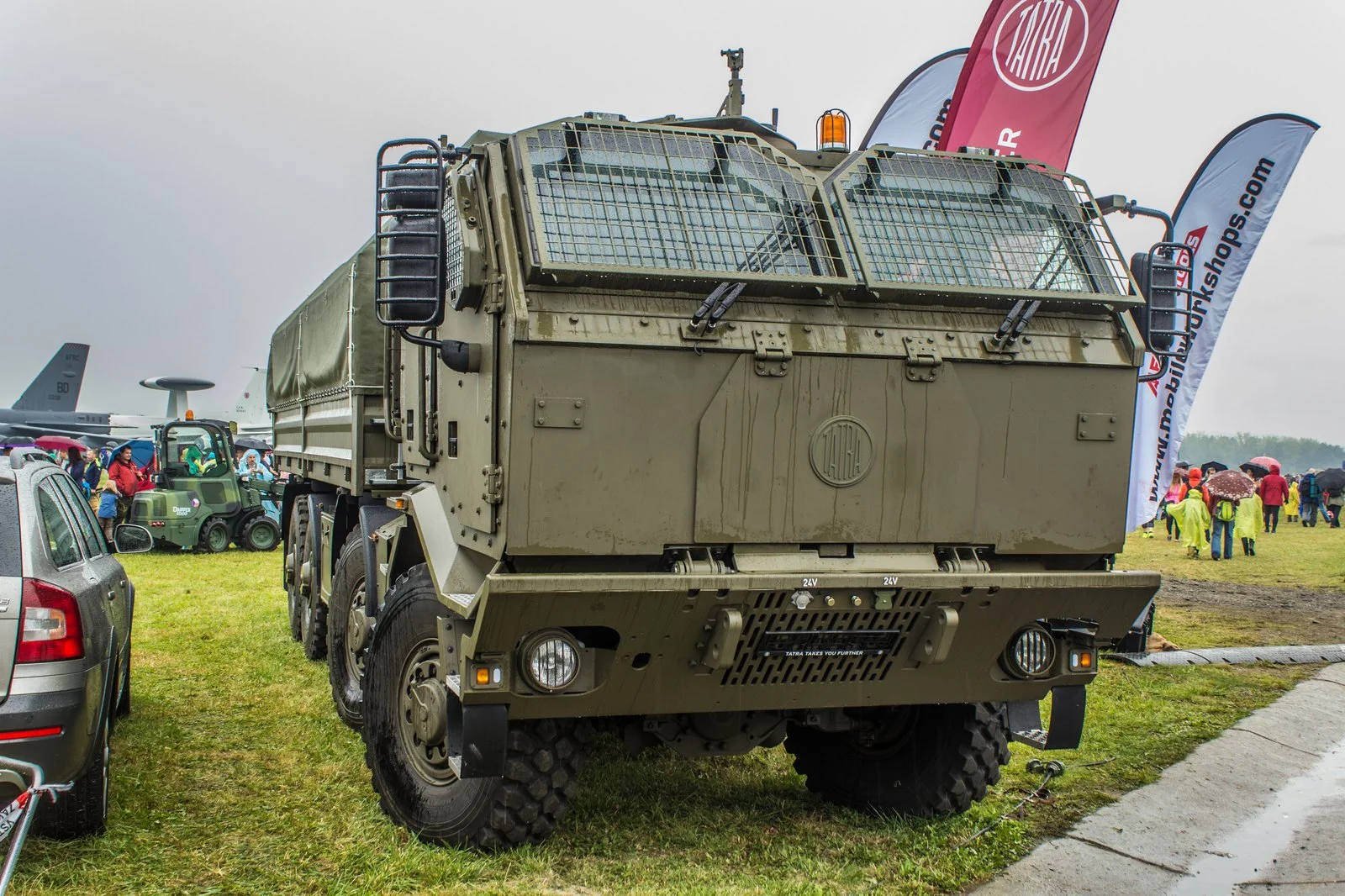
A Tatra Trucks spokesperson said the company “does not use components or technologies supplied by China that are subject to these export restrictions” and expects no operational impact. Rheinmetall issued no public statement.
European Commission spokesperson Paula Pinho said the bloc would analyse the measures and consult affected member states and companies. That indicates the decision has been met on the EU side with assessment rather than an immediate countermeasure.
The Ukrainian supply-chain angle
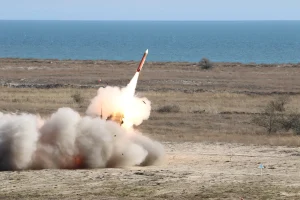
Which programmes might actually be affected becomes clearer on looking at the listed companies’ product lines. Tatra’s heavy off-road chassis serve as carrier platforms for systems in Ukrainian service including Neptune missile launchers, Bureviy multiple rocket launchers and Bohdana howitzers.
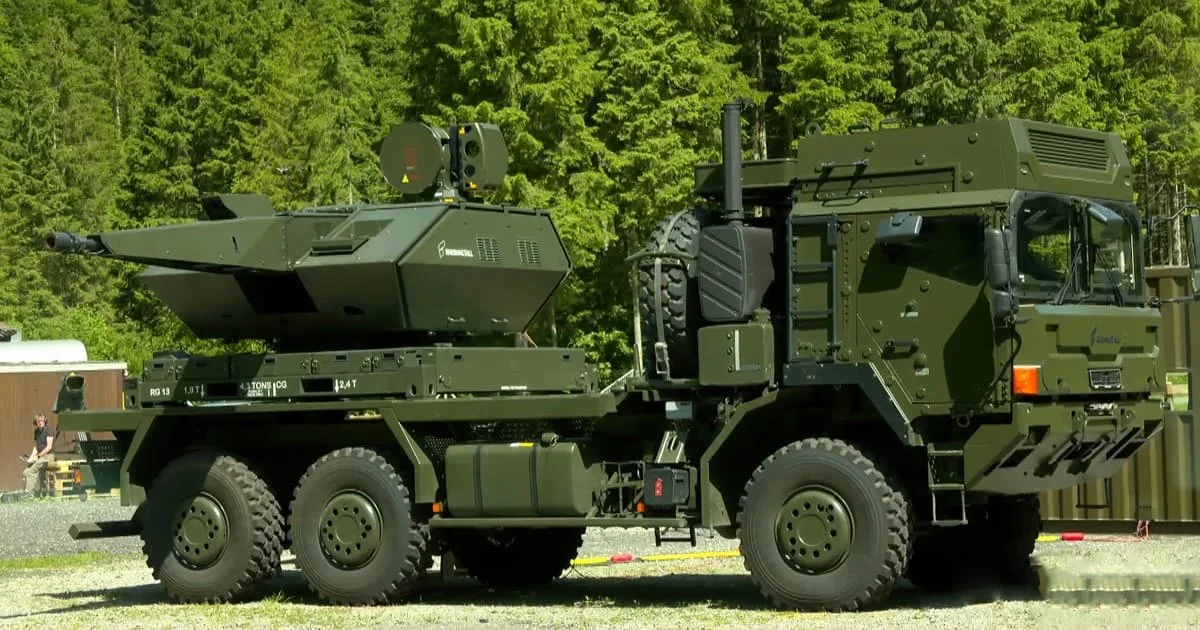
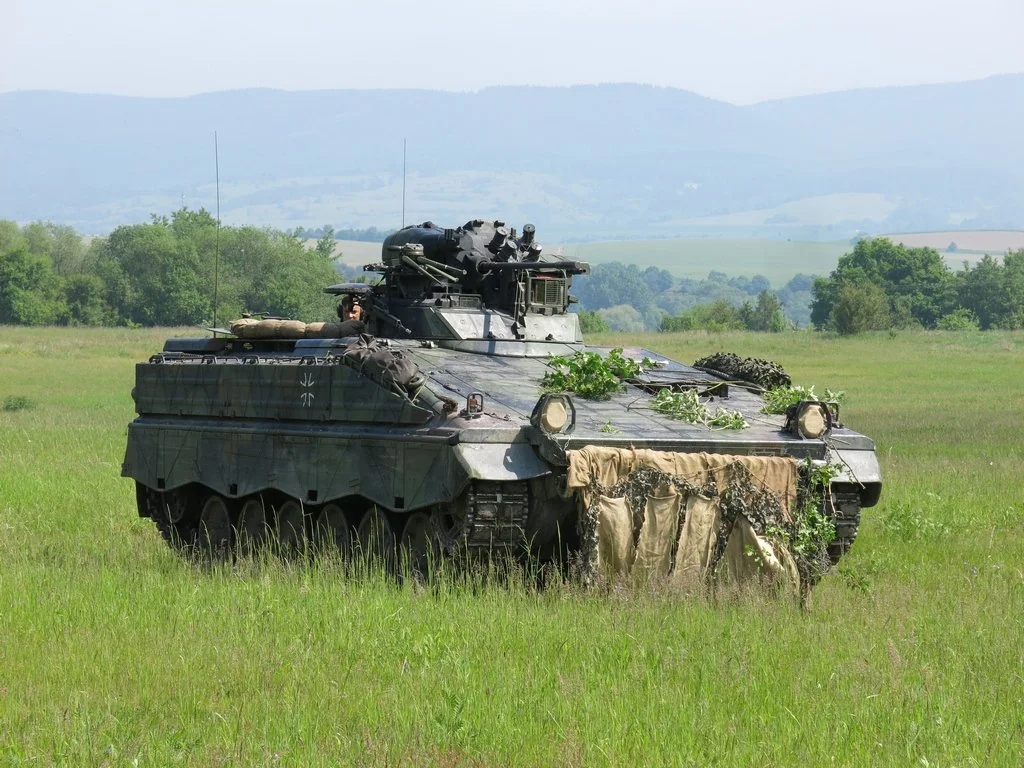
On the Rheinmetall side, Marder infantry fighting vehicles and the Skynex air defence system stand out. A caveat is due here: this is not a sanction halting production of those systems, but a control measure on sales of certain Chinese-origin inputs to the companies concerned. The scale of the effect will depend on how far each firm relies on Chinese components in the first place.
Supply chains as leverage
The episode makes visible one of the clearest trends in the defence sector in recent years: the supply of critical raw materials, components and intermediate goods has moved from being an economic question to being an instrument of foreign policy.
Where one country holds a dominant producer position — in rare earth elements, specialist magnets, certain semiconductors and optical components — buyer nations carry a structural vulnerability. Europe’s rapid expansion of defence output over the past two years has brought that exposure into sharper relief. For detail on Rheinmetall’s production capacity and financial structure, see our balance sheet analysis.
Why it matters more widely
The Turkish defence industry operates within the same global supply chain. Dependence on external sources for rare earth elements, specialist electronic components and certain raw materials has long been on the sector’s agenda. Restrictions aimed at European manufacturers do not cover Turkish firms directly, but they can still exert price and lead-time pressure across the wider chain.
Conversely, supply tightness in Europe accelerates the search for alternative vendors. For countries with capacity in critical component manufacturing, that represents a medium-term window of opportunity — though certification and qualification cycles mean such windows rarely convert quickly.
The official announcement did not specify an entry-into-force date or a full list of affected product categories.
Sources
- Announcement by China’s Ministry of Commerce (MOFCOM) – 25 July 2026. Used for the scope of the restriction, the listed entities and the exemption application procedure. Link: https://english.mofcom.gov.cn/
- Militarnyi – “China Imposes Export Restrictions on Rheinmetall and Tatra” – 25 July 2026. Used for the European companies listed, the Tatra Trucks statement and the Ukrainian supply-chain link. Link: https://militarnyi.com/en/news/china-export-restrictions-tatra-rheinmetall/
- Statement by European Commission spokesperson Paula Pinho – 25 July 2026. Used for the EU’s official position on assessing the measures.
- Tatra Trucks statement – 25 July 2026. Used for the company’s position on Chinese-origin components and expected operational impact.
Note: neither the entry-into-force date nor the full list of affected product categories was detailed in the official announcement.