KAAN vs Su-57 Felon: Full Technical Comparison of Two Fifth-Generation Fighters

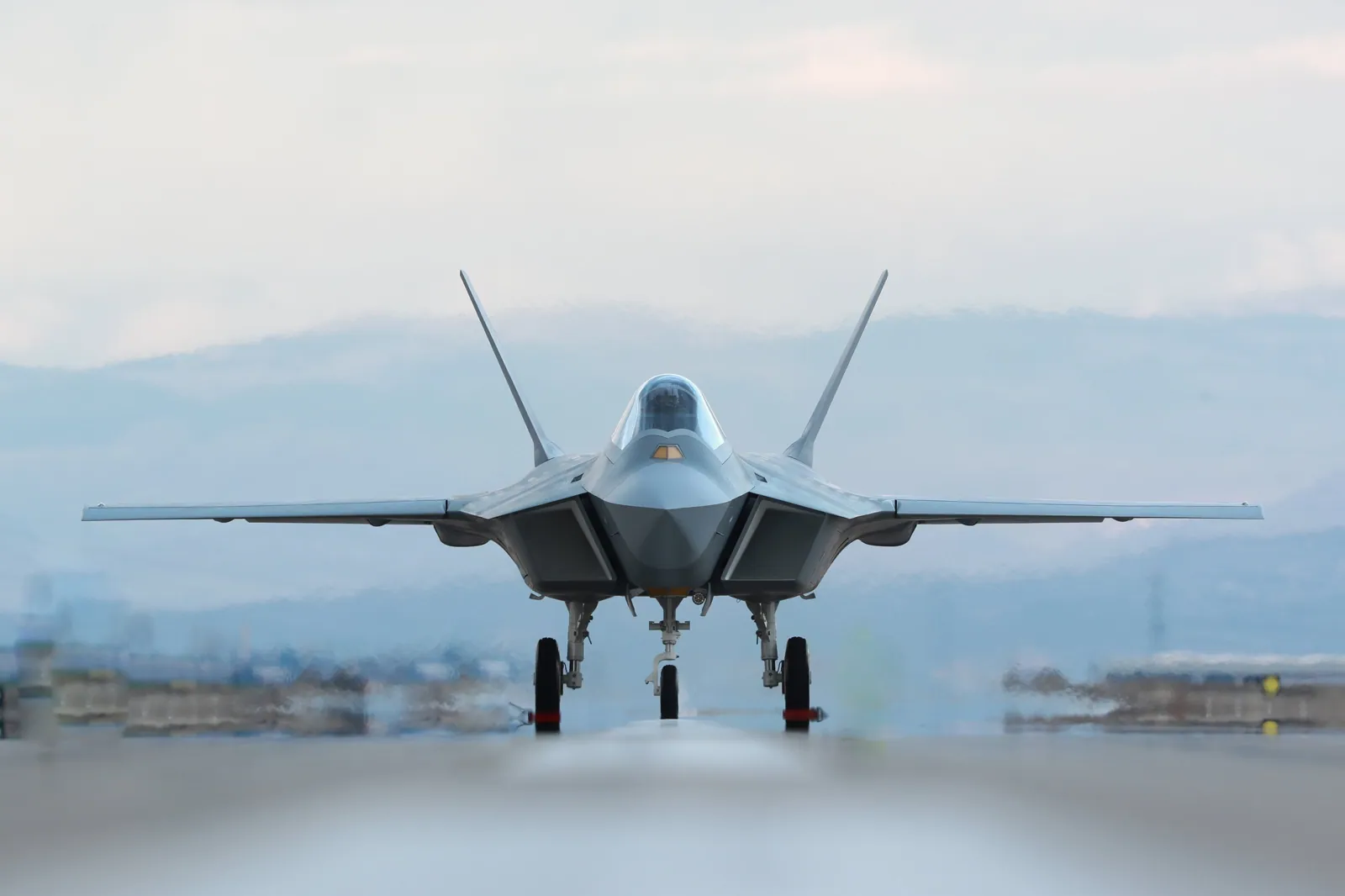
Two twin-engine fifth-generation fighters from outside the US ecosystem: Turkey’s KAAN, which first flew in 2024, and Russia’s Su-57 Felon, already in limited service. One is a clean-sheet sovereign programme; the other a combat-fielded but troubled fleet.
Comparison Summary
The Su-57 is fielded and combat-tested, with supermanoeuvrability via thrust vectoring — but its stealth credentials and production numbers are widely questioned, and sanctions strain its supply chain. KAAN is newer and not yet operational, but it is a clean-sheet design with a sovereign roadmap and a fully indigenous engine target.
The real question is fielded-but-contested versus new-but-sovereign.
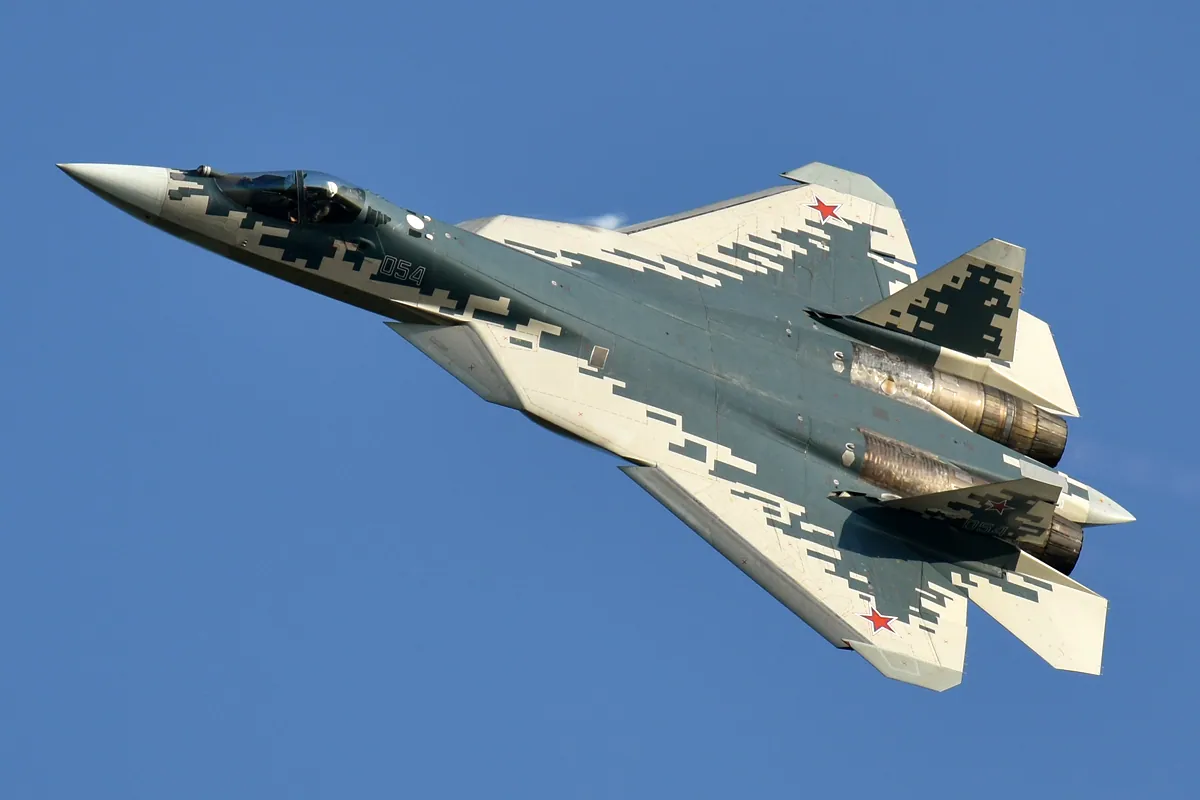
What is the KAAN?
KAAN is Turkey’s first indigenous fifth-generation combat aircraft, developed by Turkish Aerospace (TUSAŞ). It is a twin-engine, low-observable design with internal weapons bays and an indigenous AESA radar (MURAD). The prototype first flew on 21 February 2024.
It currently uses interim GE F110 engines, with the goal of flying on the fully indigenous TF35000.
What is the Su-57 Felon?
The Su-57 Felon is Russia’s first fifth-generation fighter, built by Sukhoi/UAC. It is a twin-engine, highly agile platform using thrust vectoring for supermanoeuvrability, with an AESA radar suite. It entered limited service from 2020.
Its stealth shaping and build quality are debated, and production has been slow, with only a few dozen delivered.
Technical Comparison
| Specification | KAAN | Su-57 Felon |
|---|---|---|
| Manufacturer | TUSAŞ (Türkiye) | Sukhoi / UAC (Russia) |
| Generation | 5th | 5th |
| First flight | 2024 | 2010 |
| Status | Development | In service |
| Length | ~21 m | 20.1 m |
| Top speed | ~Mach 1.8 (target) | Mach 2 |
| Engines | 2 × GE F110 → TF35000 | 2 × AL-41F1 (izd.30 planned) |
| Thrust vectoring | No (as flown) | Yes (3D) |
| Radar | AESA (MURAD) | AESA (N036 Byelka) |
| Stealth | Clean-sheet LO | Contested |
| Built (approx.) | Prototypes | ~32 |
| Crew | 1 | 1 |
Engine and Powerplant
Both are twin-engine. The Su-57 currently flies on AL-41F1 engines, with the more powerful izdeliye-30 still maturing, and uses 3D thrust vectoring for extreme agility. KAAN flies on interim GE F110 engines, targeting the indigenous TF35000 — a sovereignty advantage Russia already has but Turkey is still building.
Mobility and Performance
The Su-57’s thrust vectoring gives it outstanding low-speed manoeuvrability, a genuine edge in a dogfight. KAAN’s kinematics are promising for a heavy twin but remain in flight test.
Radar and Sensors
The Su-57 fields the N036 Byelka radar with side-array antennas. KAAN’s MURAD AESA aims for comparable multi-target capability with a Western-style sensor-fusion philosophy; both architectures are still maturing relative to the F-35 benchmark.
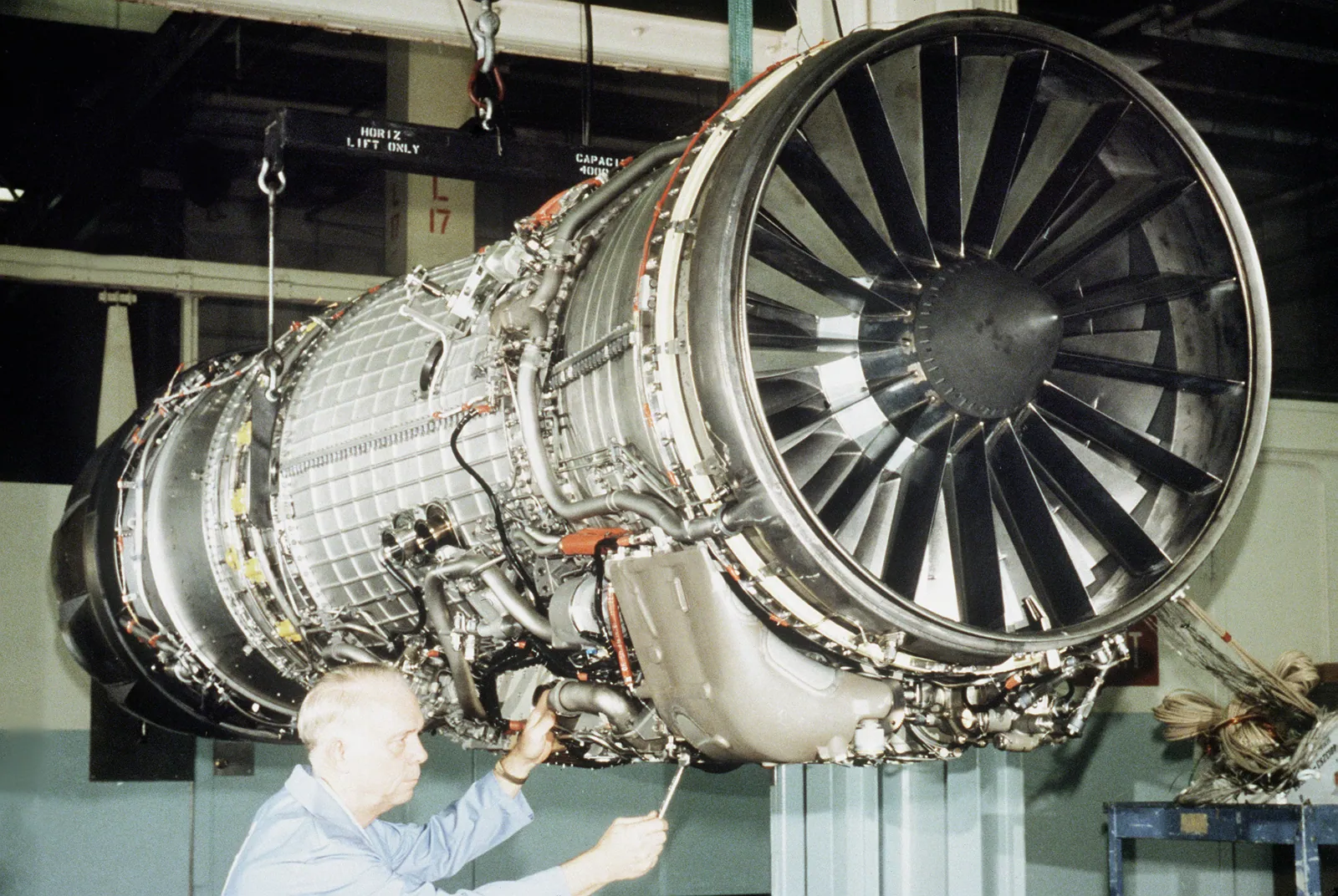
Weapon Systems
Both carry weapons internally to preserve stealth. KAAN integrates indigenous GÖKDOĞAN/BOZDOĞAN air-to-air missiles; the Su-57 carries R-77M and R-74M missiles plus stand-off munitions. The Su-57’s weapons are fielded; KAAN’s are in integration.
Operators
| Country | KAAN | Su-57 Felon |
|---|---|---|
| Türkiye | Yes (developer) | — |
| Russia | — | Yes |
| Indonesia | Cooperation intent | — |
| Algeria | — | Reported order |
| Azerbaijan | Interest | — |
Combat Experience
Russia has claimed Su-57 combat employment in Syria and Ukraine, though in limited, stand-off roles. KAAN has no combat history yet — it is in development. On fielded experience, the Su-57 leads.
Cost
Su-57 unit costs are officially modest but obscured by sanctions and low production. KAAN’s unit cost is undefined; its strategic value lies in NATO-compatible sovereignty rather than a Russian-ecosystem dependency.
Production Status
The Su-57 is in service but slow to build — only a few dozen delivered against large stated targets. KAAN is at prototype/pre-series stage, targeting serial production after 2028.
Export Performance
Su-57 exports have been announced (e.g., reported Algerian interest) but constrained by sanctions and trust. KAAN, as a sovereign NATO-side platform, offers a politically different export proposition once mature.
Operational Data
| Criterion | KAAN | Su-57 Felon |
|---|---|---|
| Status | Development | In service |
| Built | Prototypes | ~32 |
| Combat use | None | Limited (claimed) |
| Engine sovereignty | Target: TF35000 | Domestic (RU) |
| Supply chain | NATO-aligned | Sanctioned |
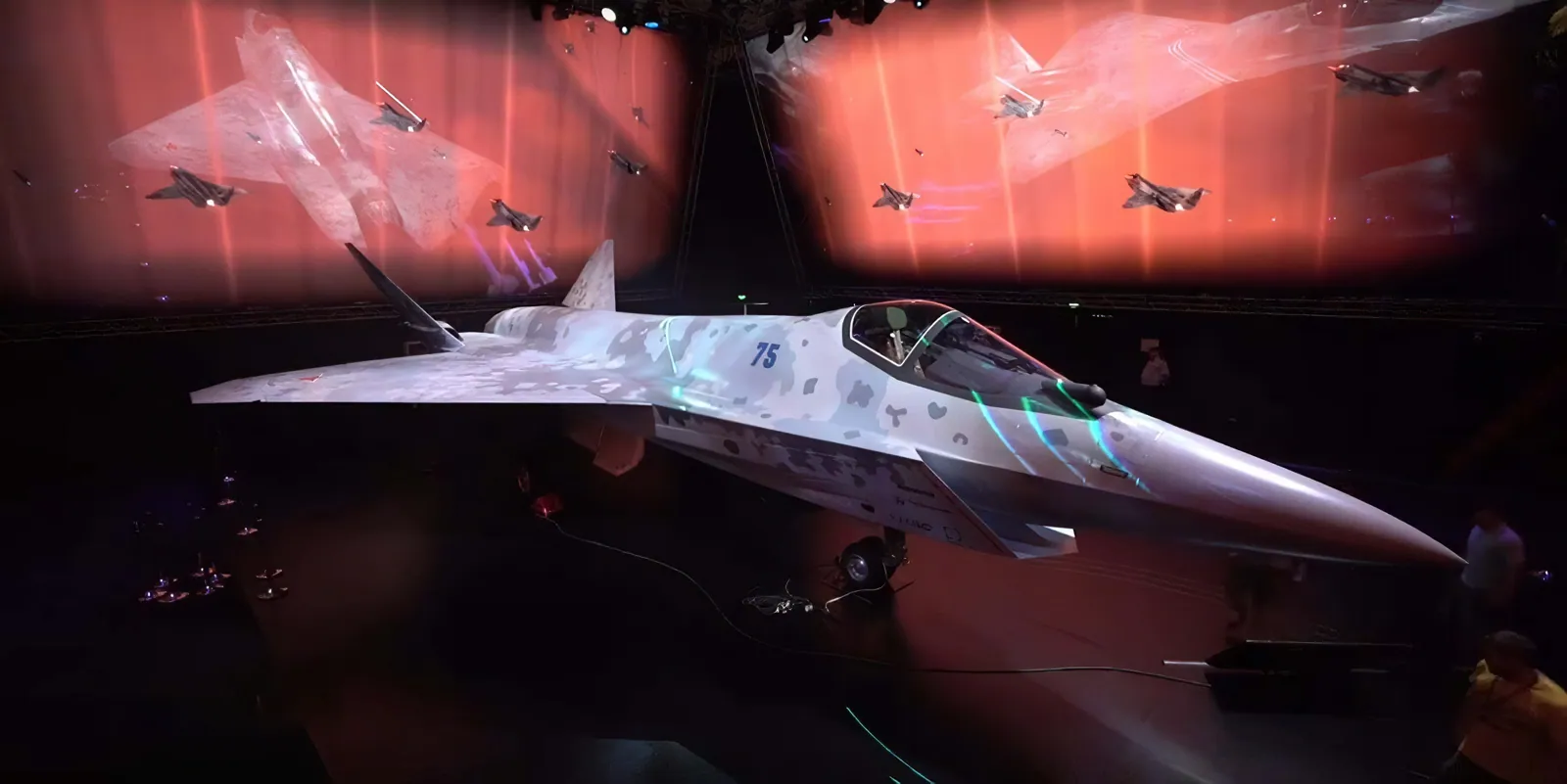
Advantages
- Clean-sheet, modern low-observable design
- NATO-aligned, sanction-free supply chain
- Sovereign roadmap with indigenous TF35000 engine
- High growth potential
- Builds Turkey's industrial base
- Already fielded and combat-claimed
- Supermanoeuvrability via thrust vectoring
- Mature heavy twin-engine airframe
- Long-range R-37M missile capability
- Domestic engine and weapons today
Disadvantages
- Not yet operational; no combat record
- Interim US engine until TF35000 matures
- Sensor-fusion architecture still maturing
- Production and cost data undefined
- Contested stealth quality
- Very low production numbers
- Sanctions strain supply chain and exports
- Build-quality and avionics concerns
Which Role Suits Each Better?
For a fielded, supermanoeuvrable air-superiority fighter today (within the Russian ecosystem), the Su-57 is the answer. For a clean-sheet, NATO-aligned and sovereign fifth-generation capability for the next decade, KAAN is the more strategically flexible bet.
Final Verdict
On fielded maturity, the Su-57 leads — it flies, fights and uses thrust vectoring. But it is hampered by contested stealth, tiny production and sanctions. KAAN is years behind in maturity yet ahead in trajectory: a clean-sheet, NATO-side design with a sovereign engine path. For most buyers outside Russia’s orbit, KAAN is the more credible long-term fifth-generation route.
Frequently Asked Questions
Is KAAN better than the Su-57?
Not yet in maturity — the Su-57 is fielded and combat-claimed. But KAAN is a newer, NATO-aligned clean-sheet design with a sovereign engine roadmap and strong growth potential.
Are both fighters twin-engine?
Yes. Both KAAN and the Su-57 are twin-engine heavy fighters, unlike the single-engine F-35.
Does the Su-57 have real stealth?
Its stealth shaping is widely debated; many analysts rate it below the F-35 and F-22 in low-observability.
When will KAAN enter service?
It first flew in February 2024, with serial production targeted after 2028.
Which has thrust vectoring?
The Su-57 uses 3D thrust vectoring for supermanoeuvrability; KAAN as flown does not.
Related Comparisons
- All Defense Comparisons
- Military Aircraft
- US Clears $292M AMRAAM Sale to South Korea: 70 AIM-120C-8s for F-35s and F-15Ks
- B-21 Raider: America’s 6th-Generation Stealth Bomber
Sources
- Turkish Aerospace — KAAN
- Wikipedia — TAI TF Kaan
- Wikipedia — Sukhoi Su-57
- IISS — Military Balance (fighter programmes)
Images via Wikimedia Commons / manufacturer press kits under editorial use. Technical data compiled from manufacturer catalogues and open sources.