Japan to Hold Live-Fire Missile Training on Indian Ranges Under New 2+2 Agreement

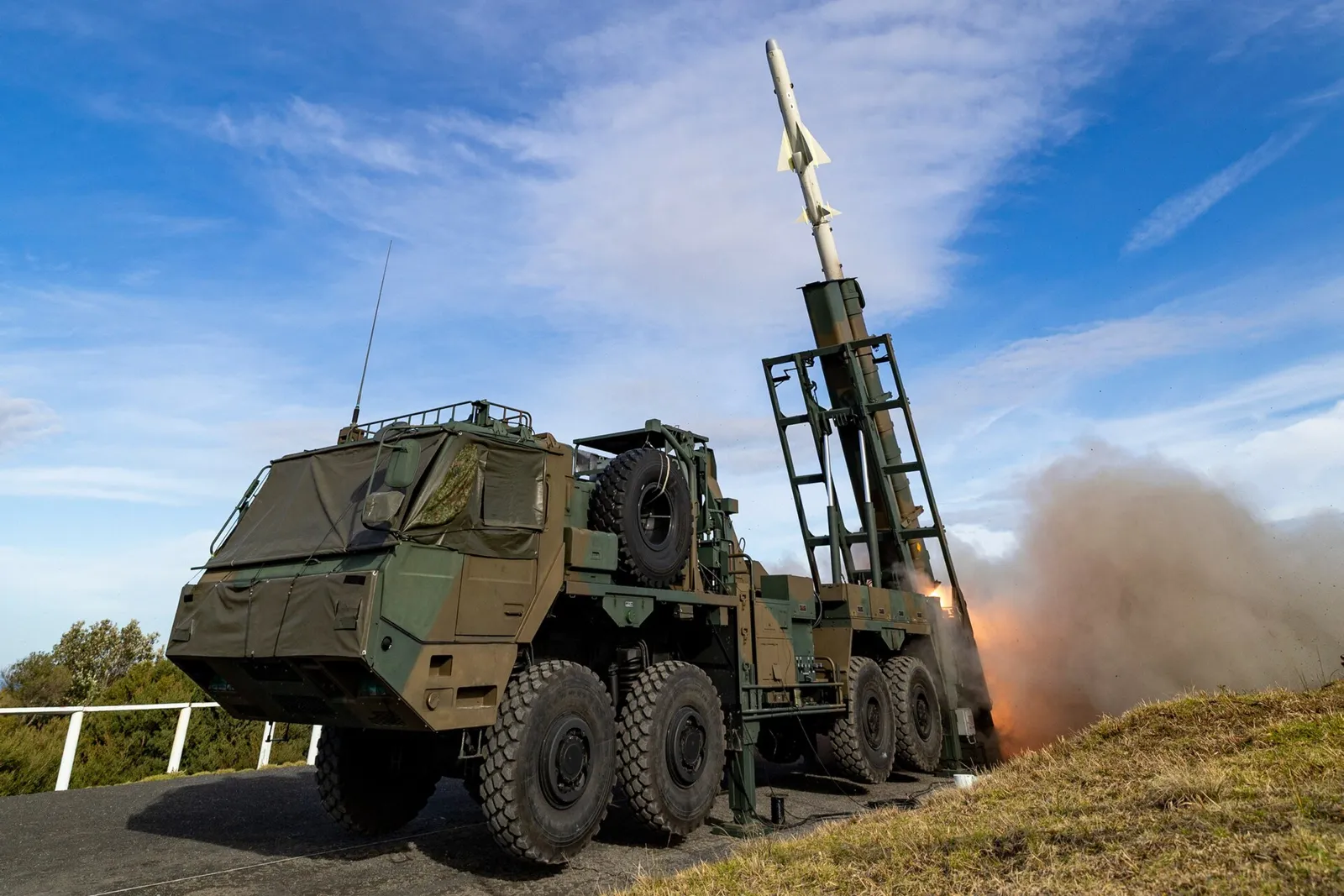
Japan’s Self-Defense Forces will be able to conduct live-fire training on Indian military ranges for the first time, including surface-to-ship missile firings, under a letter of intent signed at the fourth India-Japan 2+2 ministerial dialogue in Tokyo on November 19. The arrangement addresses a long-standing problem for Japan, which has little space at home to test and train with longer-range missiles, and adds a new layer to one of Asia’s fastest-growing defence partnerships.
What was agreed
The defence and foreign ministers of both countries signed the document during the 2+2 meeting. According to Indian and wire reporting, it opens Indian firing ranges to Japanese units for live-fire training, with surface-to-ship missile exercises specifically mentioned. The two sides also agreed to deepen defence industrial cooperation, and Indian media reported discussions on joint naval shipbuilding and technology transfer.
The joint statement does not name specific ranges or weapons. Reports note that the use of any particular range will depend on technical support, safety arrangements and approvals.
Why Japan needs space
Japan’s domestic ranges are small and close to populated or fishing areas, limiting firings of missiles with ranges in the hundreds of kilometres. The Ground Self-Defense Force has relied on exercises abroad, including Talisman Sabre in Australia and RIMPAC near Hawaii, to fire its Type 12 anti-ship missiles. General Masayoshi Arai, the GSDF chief of staff, confirmed in late October that Japanese personnel had visited India to look at training opportunities.
Indian reporting linked the agreement to Japan’s new Type-25 missile, which entered service in March 2026 with a reported range of about 1,000 kilometres. Tokyo has not published official range figures and has not confirmed which systems will train in India.
| Item | Detail |
|---|---|
| Forum | 4th India-Japan 2+2 ministerial dialogue, Tokyo |
| Date | 19 November 2026 |
| Document | Letter of intent on SDF live-fire training in India |
| Scope | Live-fire drills incl. surface-to-ship missiles |
Strategic context
India and Japan are both members of the Quad with the United States and Australia and have steadily expanded their military ties, from the JIMEX naval exercises to the Dharma Guardian army drills and the Veer Guardian air exercises. A Japan-India agreement on reciprocal provision of supplies and services has been in force since 2021. Prime Ministers Narendra Modi and Sanae Takaichi agreed earlier this year to strengthen defence and economic security cooperation.
For Japan, the deal also reflects the shift in its 2022 security strategy toward counterstrike capability, which requires realistic training with long-range weapons. For India, hosting Japanese forces strengthens its role as a security partner in the Indo-Pacific while keeping its policy of strategic autonomy.
Analysis: geography as an asset
India’s ranges, from the Pokhran desert to coastal test areas on the Bay of Bengal, offer the kind of space Japan lacks. Training there would let Japanese units practise the full kill chain, from targeting to impact, at realistic distances. For China, the message is that two of its largest neighbours are moving from diplomatic alignment to practical military integration. For Washington, it is evidence that allies and partners are building ties with each other, not only with the United States.
FAQ
Is this the first time Japanese forces will fire missiles in India?
Yes. The letter of intent allows live-fire training on Indian ranges for the first time.
Which missiles will be used?
Not officially stated. Reports mention surface-to-ship missiles and Japan’s new Type-25.