Iran’s Military Strength: How Big Is Its Missile and Drone Arsenal? (2026)

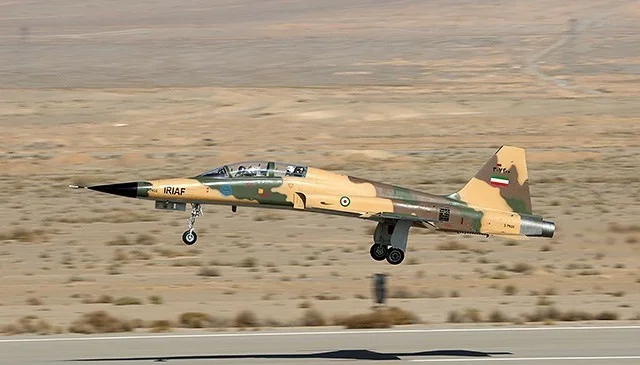
Iran’s military inventory balances conventional platforms aged by sanctions with a strong indigenous missile and drone industry. With its ballistic missiles, Shahed loitering munitions and asymmetric naval tactics, the country rests its regional deterrence on these areas rather than on classic air-sea superiority.
At a Glance
- Active personnel: ≈ 610.000
- Main battle tanks: ≈ 2.000
- Military aircraft (total): ≈ 550
- Highlights: Ballistic missile + drone programme
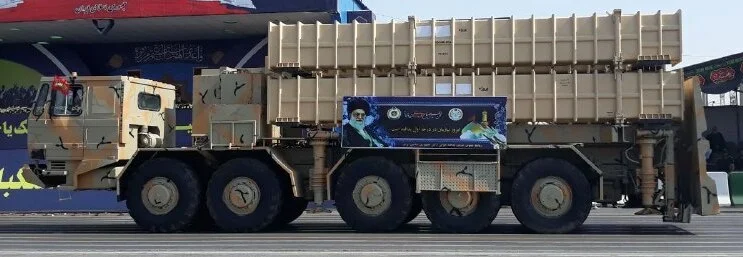
- Indigenous air defence: Bavar-373
- Strategy: Asymmetric + missile-heavy
Note: The inventory figures below are approximate values drawn from open sources such as Global Firepower, the IISS Military Balance and SIPRI.
About the Iran Armed Forces
Iran’s Armed Forces have a dual structure of the regular army (Artesh) and the Revolutionary Guard (IRGC). Years of arms embargoes pushed the country largely toward indigenous production.
Much of the conventional air and armoured force is old. By contrast Iran has built a notable indigenous capacity in ballistic missiles and drones, which now sit at the centre of its deterrence doctrine.
Land Forces Inventory
| System type | Est. quantity |
|---|---|
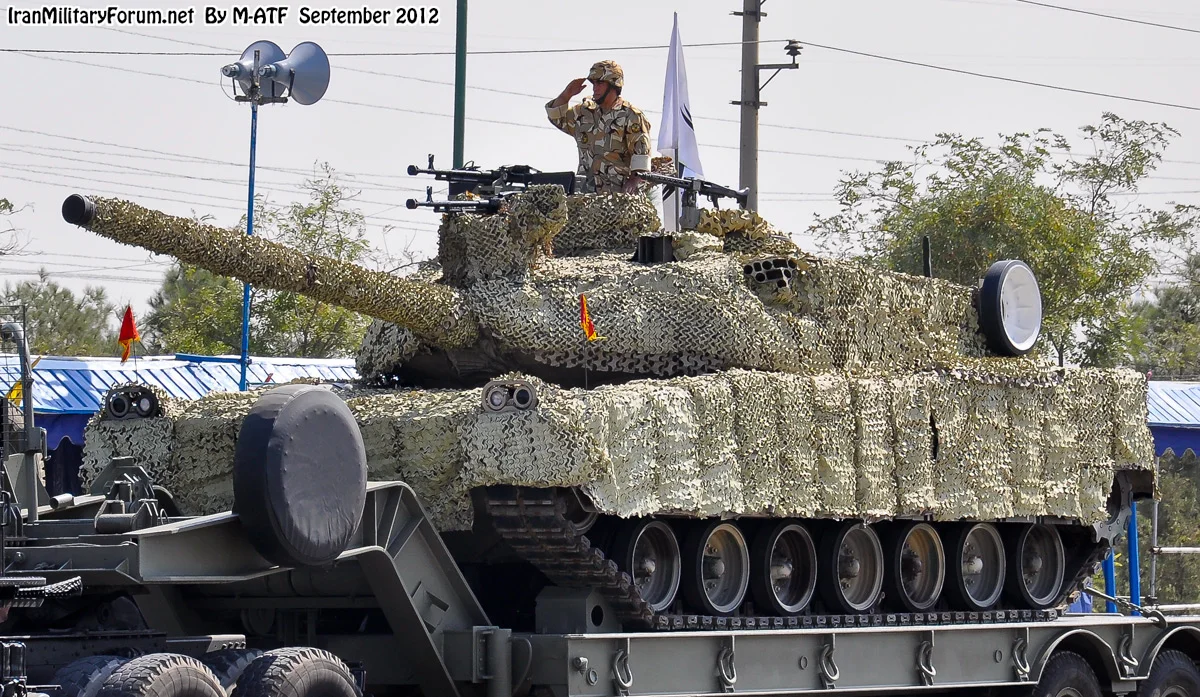
| Main battle tanks (T-72, Zulfiqar, Karrar) | ≈ 2.000 |
| Armoured fighting vehicles | ≈ 2.000 |
| Howitzers | ≈ 2.000 |
| Rocket & missile launchers | Numerous |
Air Force Inventory
| Platform | Est. quantity |
|---|---|
| Total military aircraft | ≈ 550 |
| Fighters (F-14, F-4, MiG-29, Su-24, Kowsar) | ≈ 150 (mostly old) |
| UAV (Shahed-136, Mohajer) | Large indigenous fleet |
| Helicopters | ≈ 130 |
Missile and Air-Defence Systems
| System | Type / Note |
|---|---|
| Bavar-373 / S-300 | Long-range air defence |
| Shahab / Fateh / Kheibar | Ballistic missile |
| Soumar / Paveh | Cruise missile |
| Shahed-136 | Loitering munition |
Naval Power
| Class / Type | Est. quantity |
|---|---|
| Total naval platforms | ≈ 100+ |
| Submarines (Kilo + Ghadir midget) | ≈ 20 |
| Fast-attack craft | Numerous |
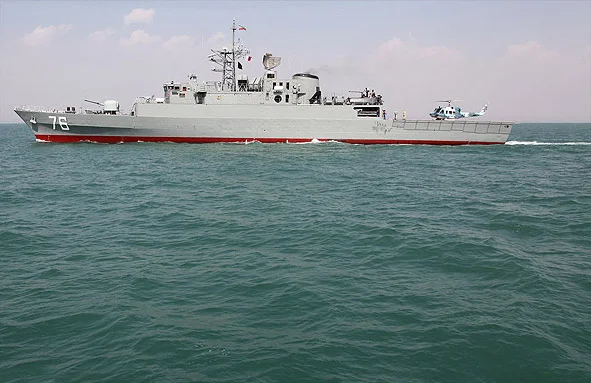
| Frigates (Moudge/Jamaran) | ≈ 7 |
The Turkey Angle: Turkish Defence Industry
As Turkey’s neighbour, Iran is an actor with which Ankara maintains a complex mix of competition and cooperation. Although the two sometimes weigh different interests in Syria and Iraq, economic and diplomatic contacts continue.
There is no direct procurement relationship in defence. While Iran has built an indigenous drone line, Turkey is a world leader in the field with the Bayraktar TB2 and Akinci. The two neighbours’ divergent technological trajectories are closely watched for the regional balance.
Frequently Asked Questions
What is Iran’s strongest weapon? Its broad, varied ballistic-missile inventory and drones such as the Shahed are its most prominent deterrents.
What is the Bavar-373? Iran’s indigenously developed long-range air-defence system, with a role similar to the Russian S-300.
Are Iran’s fighters modern? No; it relies largely on older platforms such as the F-14, F-4 and MiG-29, which is why the emphasis has shifted to missiles and drones.
Bottom Line
Iran offsets an ageing conventional force with indigenous missile and drone programmes, leaning on an asymmetric doctrine. For Turkey it is a neighbouring power on a different technological trajectory that must be managed in balance.