Europe’s Largest Fighter Fleets in 2026: France Leads, Greece Outguns Germany

Europe’s air power ranking barely resembles its defence spending ranking. The continent’s biggest spender sits fourth on this list; one of its smallest sits second.
Using Global Firepower’s 2026 dataset, we ranked Europe’s ten largest combat aircraft fleets. One caveat matters: Global Firepower does not place Russia or Turkiye in its Europe listing – both are counted in separate regional groupings. What follows is therefore Europe minus those two.
We start at tenth and work up. Read to the end for why the country at the top has not only the largest fleet but the most independent one – and where Turkiye would sit if it were included.
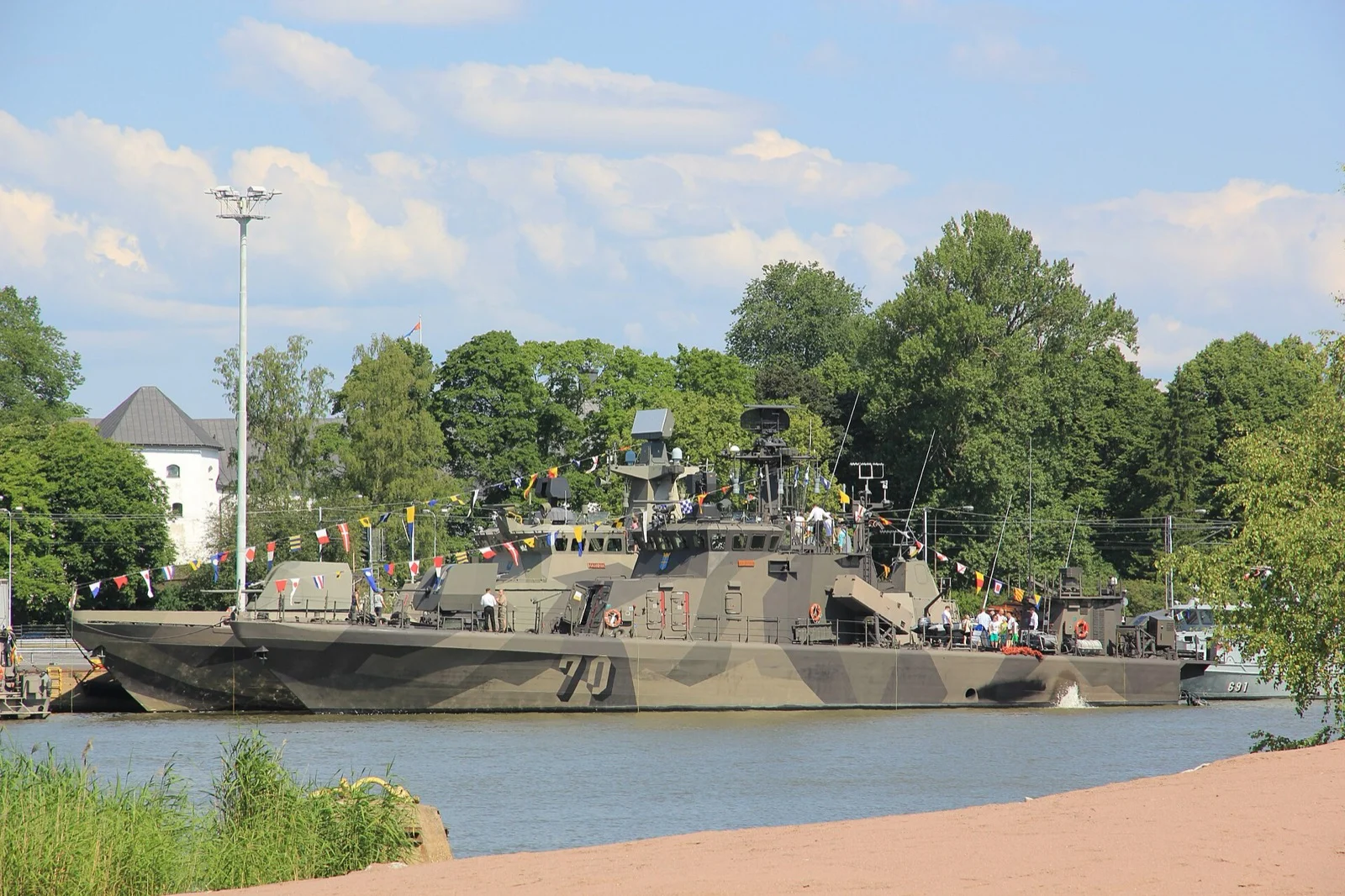
Finland takes tenth place with 53 combat aircraft. The number looks modest until you set it against 24,000 active personnel – by fighters per soldier, this is one of Europe’s densest air arms.
Finnish air doctrine rests on a single assumption: a long land border, and a fleet that must operate dispersed, from road strips if necessary. The current F/A-18C/D Hornet fleet is run exactly on that logic, and Finland remains one of the few European states that routinely practises highway-strip operations.
The real transformation is still ahead. Helsinki ordered 64 F-35As – one of Europe’s largest fifth-generation buys – and once deliveries ramp up, that figure of 53 will change in both quantity and quality. Having joined NATO in 2023, Finland also brought the alliance its longest land border with Russia.
Behind the fleet sits an unusually deep readiness culture. Conscription and a broad reserve system put hundreds of thousands of trained reservists behind those 24,000 regulars. That nearly a third of the 162-aircraft inventory consists of fighters says a great deal about where resources are concentrated.
For scale: Finland fields almost as many fighters as Poland, which spends more than six times as much on defence.
| Capability | Figure |
|---|---|
| Fighter jets | 53 |
| Total aircraft | 162 |
| Tanks | 200 |
| Helicopters | 27 |
| Active personnel | 24,000 |
| Defence budget | $8.89 billion |
Next up: Europe’s fastest-growing land army – which has yet to grow its air fleet at the same rate.
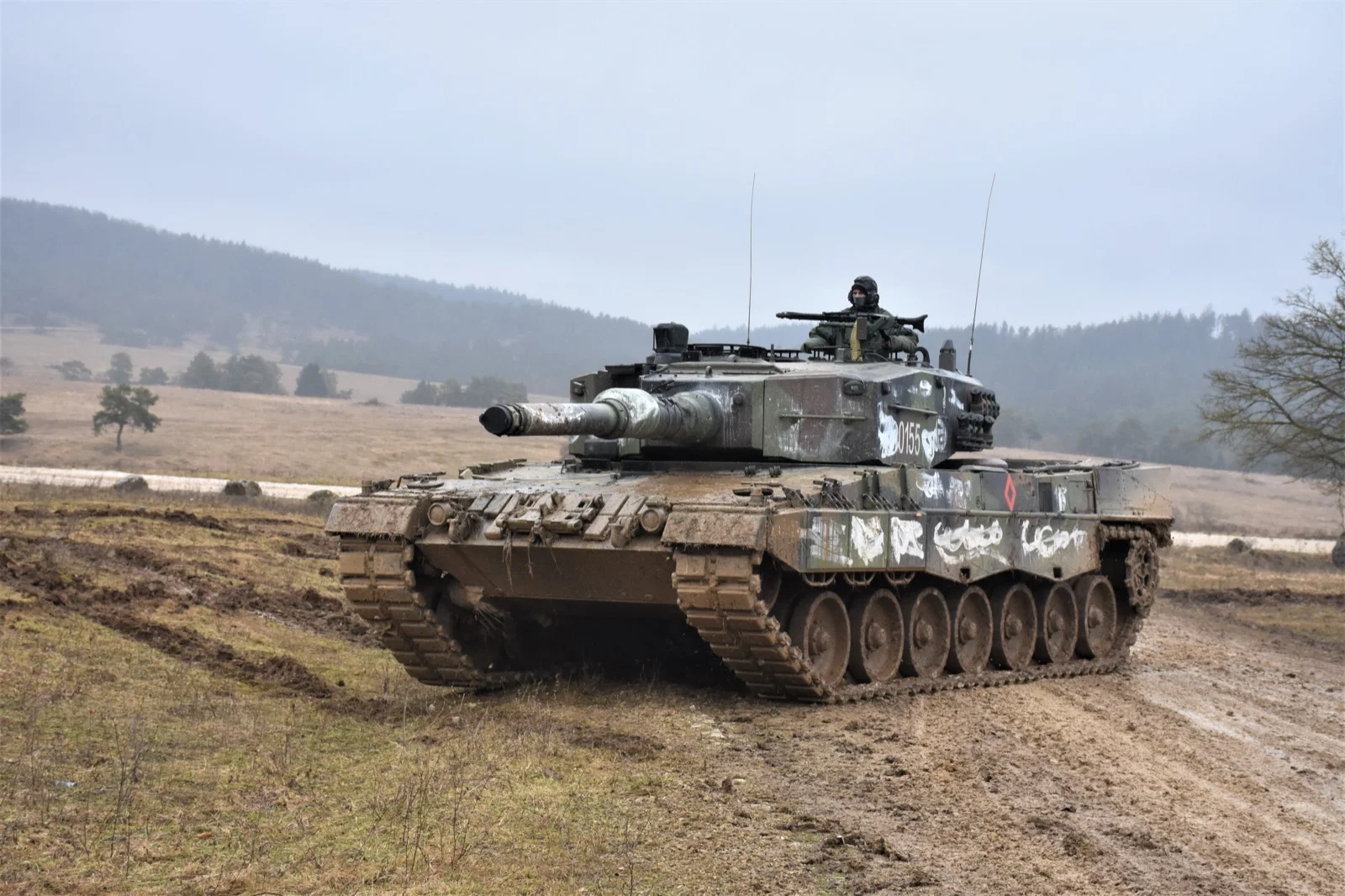
Poland comes ninth with 58 combat aircraft – a surprise, given that its $55.87 billion defence budget is larger than every country on this list except France.
The explanation lies in where the money goes. Warsaw prioritised land power: K2 tanks and K9 howitzers from South Korea, Abrams tanks and HIMARS from the United States, building an inventory of 798 tanks – among Europe’s largest. Air defence absorbed the rest, through Patriot and the domestic Narew programme.
The fighter transition is still incomplete. Soviet-era MiG-29s and Su-22s are being retired while 48 F-35As on order and Korean FA-50 light combat aircraft form the new backbone. The FA-50s double as the feed line for pilot training.
Geography explains the spending. Sitting on the Ukrainian and Belarusian borders at one end of the Suwalki corridor, Poland is the NATO member massing the most combat power on the eastern flank. The target of 250,000 active personnel is part of the same doctrine.
For scale: Poland outspends Spain by around 40 percent, yet fields less than half as many fighters.
| Capability | Figure |
|---|---|
| Fighter jets | 58 |
| Total aircraft | 457 |
| Tanks | 798 |
| Helicopters | 224 |
| Active personnel | 250,000 |
| Defence budget | $55.87 billion |
Eighth place goes to a country that built its entire fighter fleet around an aircraft of its own design.
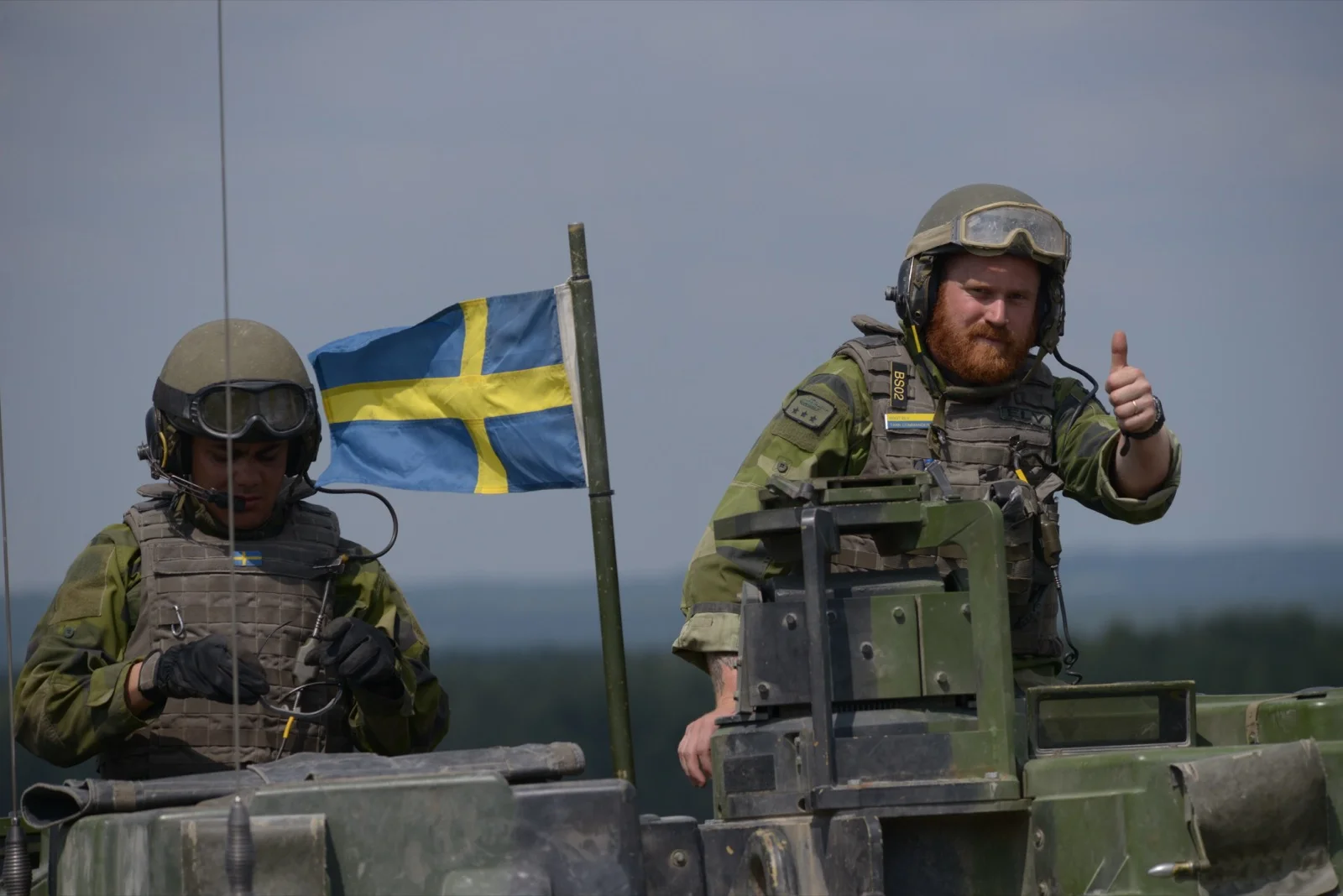
Sweden is eighth with 73 combat aircraft, and holds a unique position on this list: every one of them is a domestic design. The JAS 39 Gripen is Swedish from airframe to avionics to weapons integration.
The Gripen’s design philosophy mirrors national doctrine – an aircraft that can operate from short strips or closed motorways and be rearmed and refuelled in under an hour by a small conscript ground crew. That dispersed-basing logic was a product of Cold War neutrality; on NATO’s northern flank it has become valuable again.
Sweden’s strength is not the fleet size but the ability to build it. Saab is one of very few European firms able to export a fighter and offer industrial partnership with it. The country also maintains full-cycle capability in submarines (A26 class), radar and electronic warfare.
Joining NATO in 2024, Sweden brought the alliance not only 73 fighters but a 279-vessel naval presence in the Baltic and control of Gotland. The 25,600 active personnel figure is trending upward following the return to conscription.
For scale: Sweden fields more fighters than Poland – and builds every one of them at home.
| Capability | Figure |
|---|---|
| Fighter jets | 73 |
| Total aircraft | 172 |
| Tanks | 110 |
| Helicopters | 53 |
| Active personnel | 25,600 |
| Defence budget | $15.9 billion |
Seventh place holds the most combat-tested fleet in Europe.
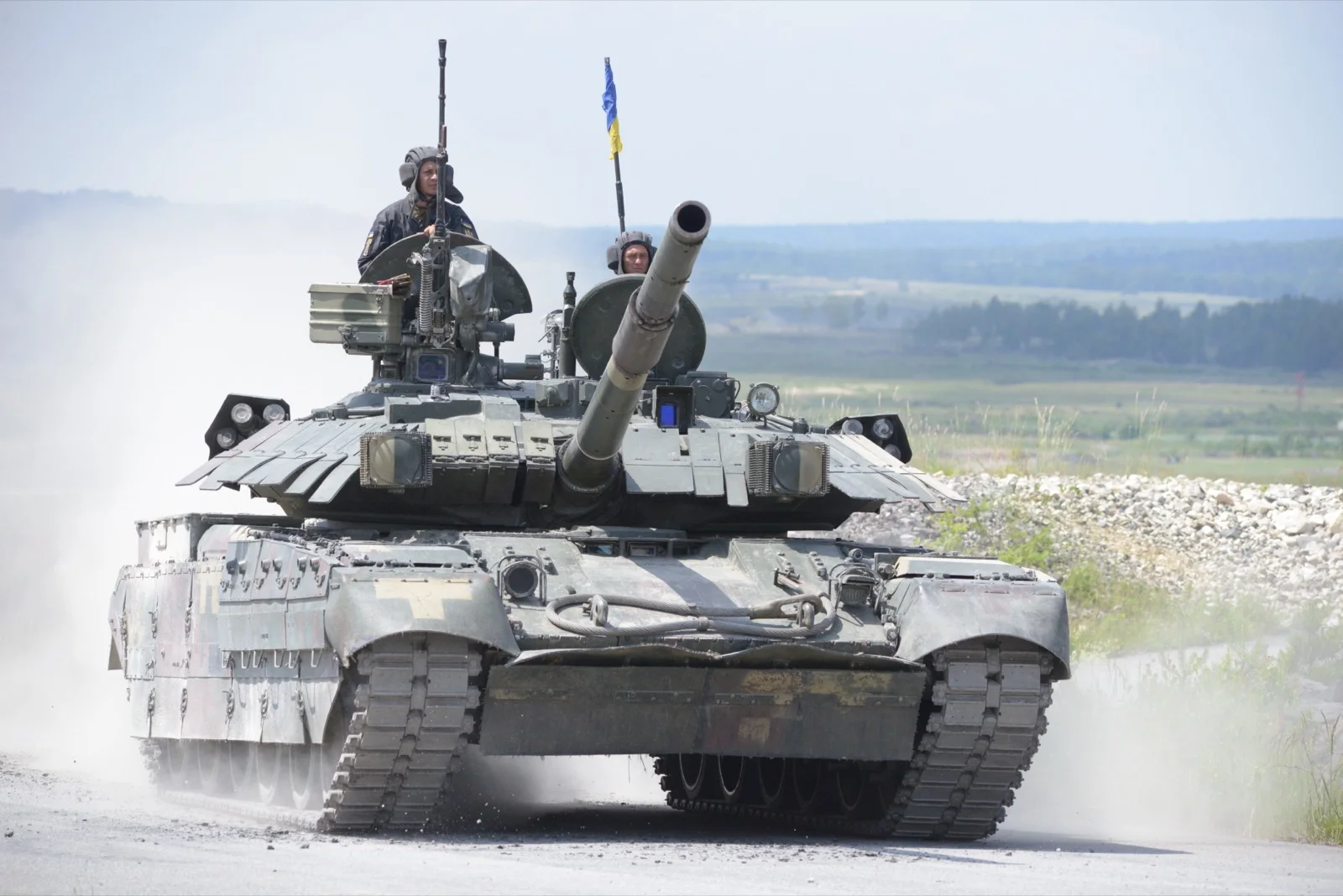
Ukraine is seventh with 88 combat aircraft – and behind that number sits something no other European air force can claim: this fleet has been flying combat sorties without pause for years.
The inventory is now mixed. Soviet-era MiG-29s and Su-27s fly alongside transferred F-16s and French Mirage 2000-5s. The pace of that transition depends less on airframes than on producing pilots and technicians: converting a fighter pilot takes months, standing up a maintenance chain takes years.
Ukraine’s air force has moved away from classic air-superiority operations towards a different model – short, low-altitude sorties under dense air defence, stand-off strikes with long-range munitions, and an ever larger share of tasks handed to uncrewed systems. Long-range strike drones now substitute for combat aircraft on some missions entirely.
With 347 total aircraft and 140 helicopters, Ukraine is a mid-tier European air power. But with 900,000 active personnel and $45 billion in defence spending, its resources are weighted overwhelmingly towards the land fight.
For scale: Ukraine matches Italy in fighter numbers while fielding roughly half Italy’s total aircraft.
| Capability | Figure |
|---|---|
| Fighter jets | 88 |
| Total aircraft | 347 |
| Tanks | 1,121 |
| Helicopters | 140 |
| Active personnel | 900,000 |
| Defence budget | $45 billion |
Sixth place belongs to a Mediterranean power quietly rebuilding its fleet.
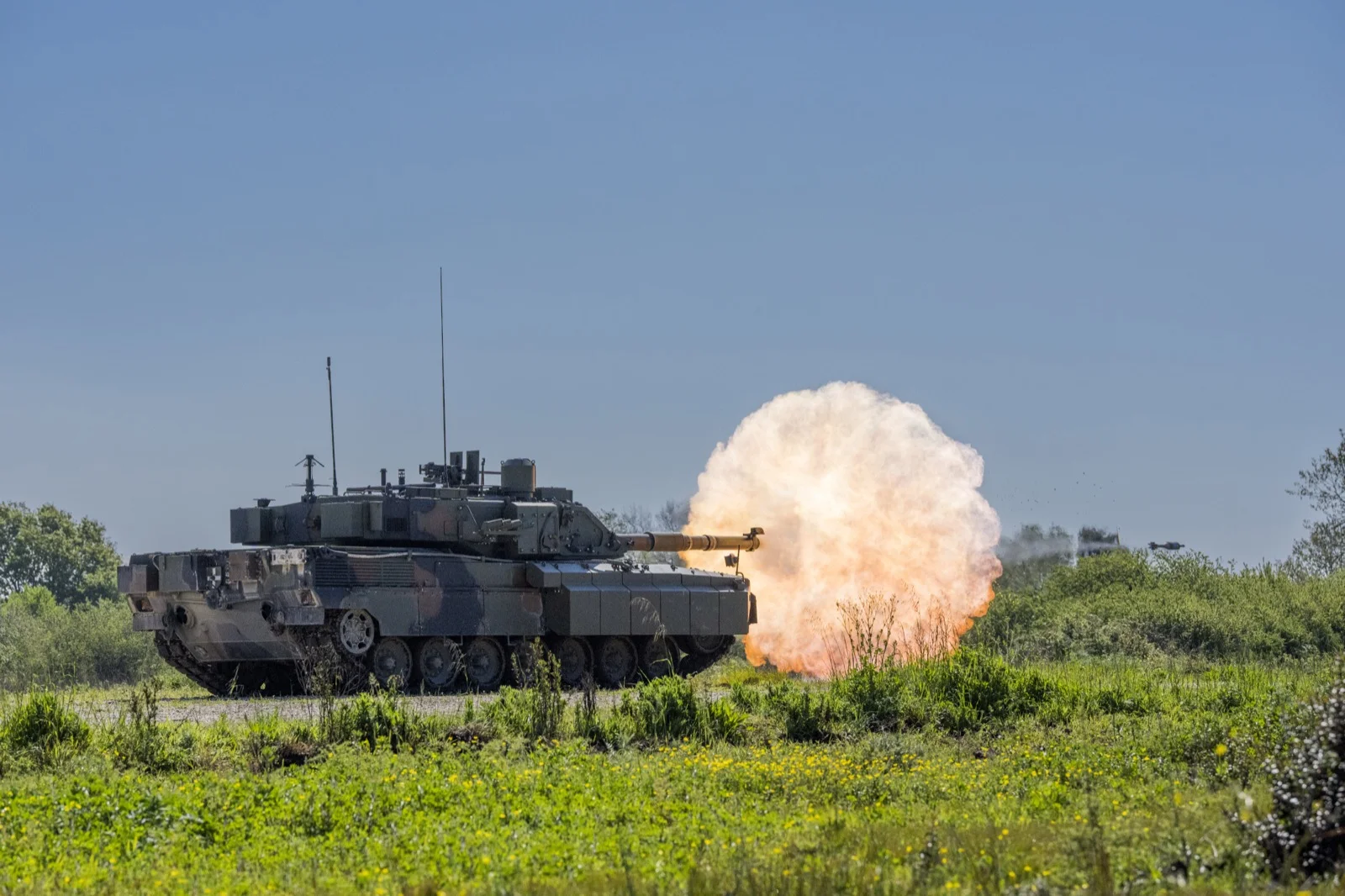
Italy takes sixth with 88 combat aircraft. Ranked 10th worldwide in Global Firepower’s 2026 index, it has built its air power around a Mediterranean-facing doctrine.
The backbone is the Eurofighter Typhoon plus a growing F-35 force. Italy is more than a customer in that programme: the final assembly and check-out facility at Cameri is the only F-35 production line in Europe, giving Rome both a maintenance hub and regional leverage.
The second pillar is naval. The carrier Cavour now operates F-35Bs, putting Italy among the handful of states flying a fifth-generation short-take-off aircraft from a ship. Its 285-vessel navy is among the largest on this list.
Industrially, Leonardo ranks among Europe’s biggest defence firms, and its M-346 trainer competes directly with Turkiye’s HURJET on the export market. Italy’s $37.33 billion budget is comparable to Spain’s, but the inventory is spread more evenly: 714 aircraft, 352 helicopters, 285 ships.
For scale: Italy’s total aircraft inventory (714) exceeds Spain’s (440) by 60 percent, though Spain leads on fighters.
| Capability | Figure |
|---|---|
| Fighter jets | 88 |
| Total aircraft | 714 |
| Tanks | 203 |
| Helicopters | 352 |
| Active personnel | 165,500 |
| Defence budget | $37.33 billion |
Fifth place: a military that deliberately traded fleet size for capability.
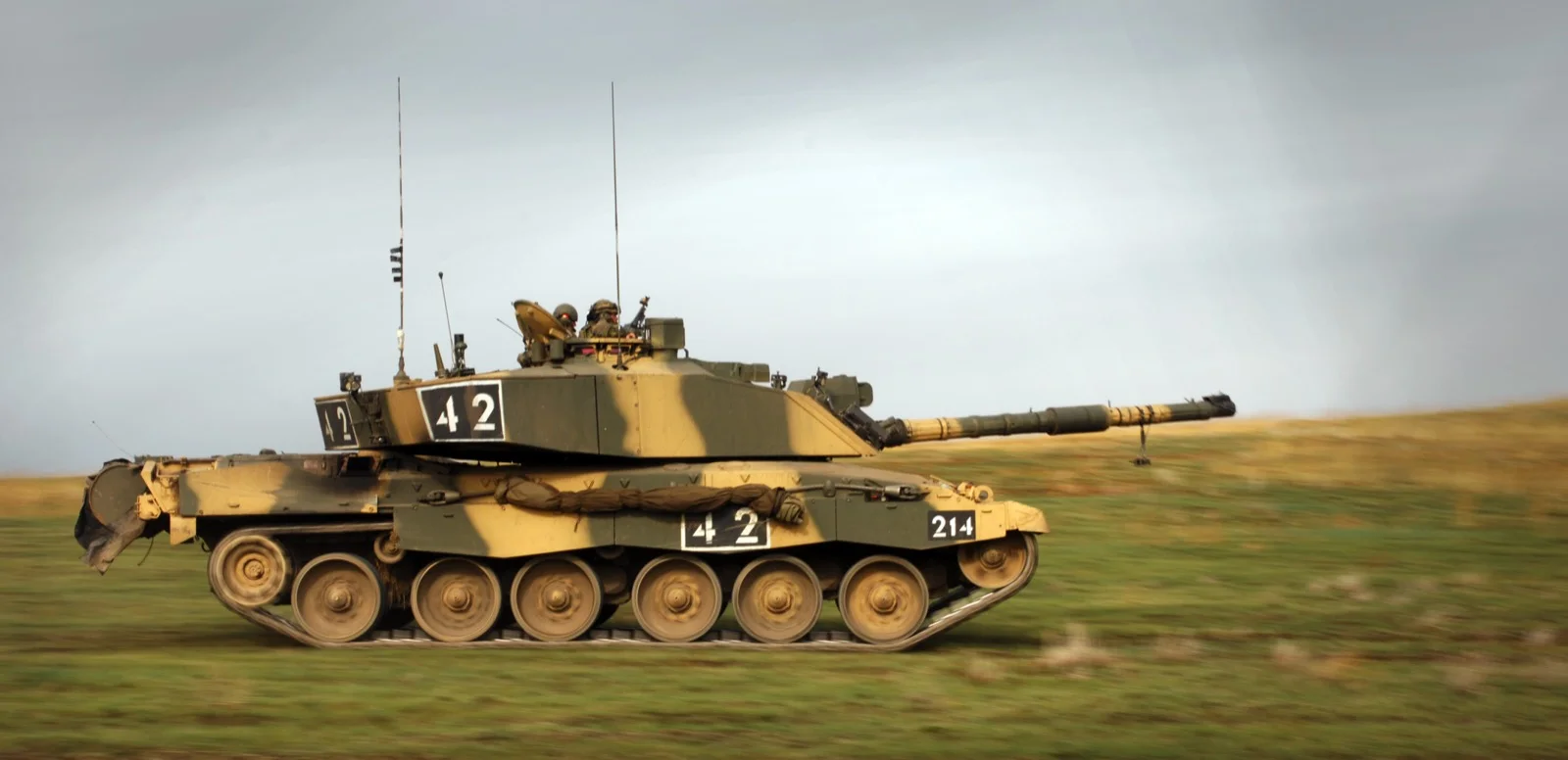
The United Kingdom is fifth with 103 combat aircraft. Ranked 8th worldwide, it spends $88.53 billion on defence – more than any other country on this list.
The gap between budget and fleet size is a deliberate choice. Since the Cold War, London has favoured a smaller number of high-end platforms. The backbone today is the Typhoon FGR4 and the F-35B, with the Tornado fleet fully retired. In exchange, Britain maintains nuclear submarine, strategic airlift and ISR capabilities with few European equivalents.
Naval aviation is a category of its own. Two Queen Elizabeth-class carriers operating F-35Bs give Britain genuine global power projection – a capability matched in Europe only by France, with the nuclear-powered Charles de Gaulle.
The most ambitious step is the Global Combat Air Programme (GCAP), a sixth-generation fighter developed jointly with Italy and Japan and targeted at 2035. It is one of two major next-generation combat aircraft efforts in Europe.
For scale: Britain spends more than ten times what Greece spends on defence, yet fields fewer fighters.
| Capability | Figure |
|---|---|
| Fighter jets | 103 |
| Total aircraft | 625 |
| Tanks | 288 |
| Helicopters | 262 |
| Active personnel | 141,330 |
| Defence budget | $88.53 billion |
Fourth place: the country now pouring Europe’s largest defence budget into a long-neglected military.
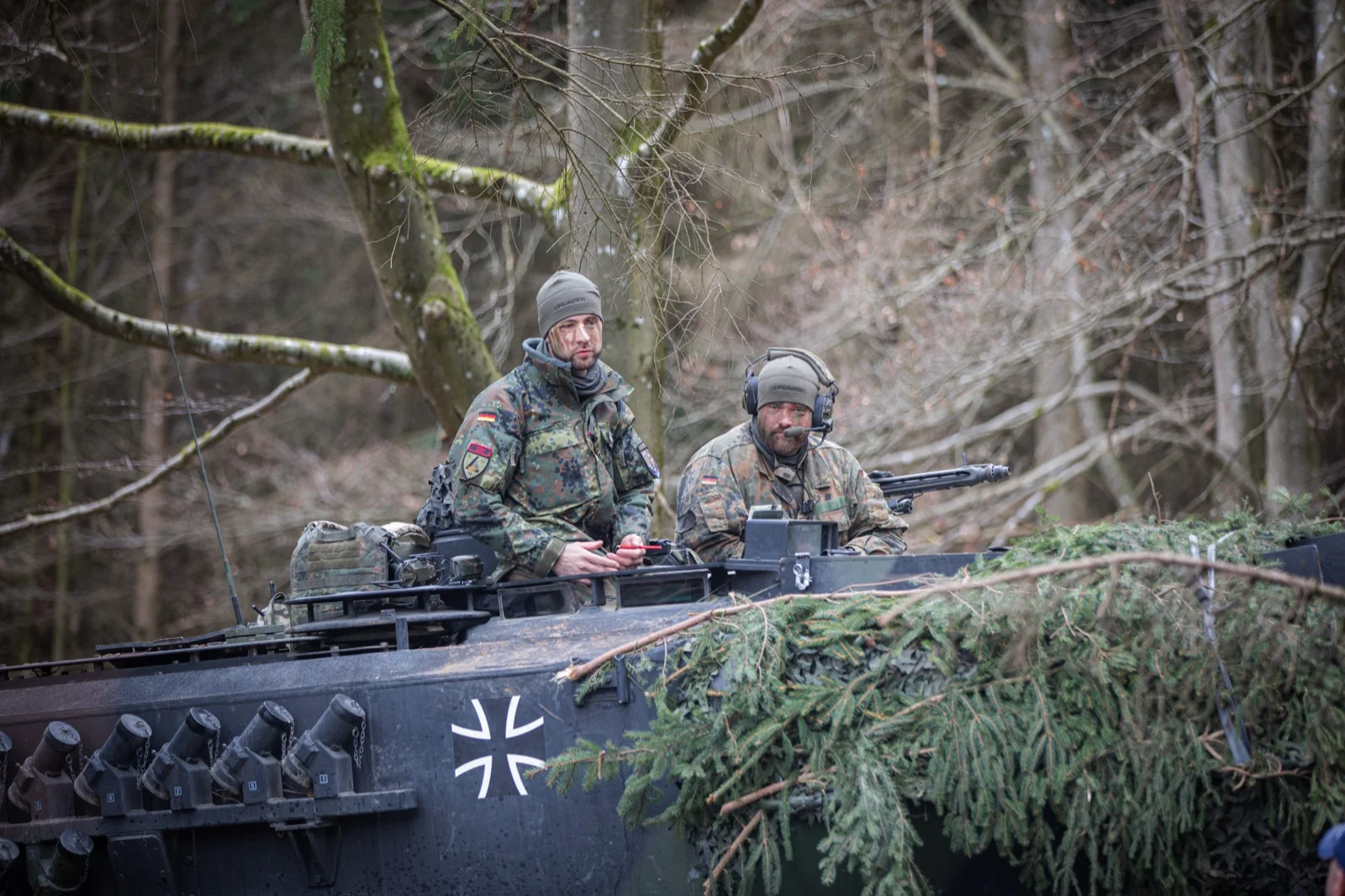
Germany is fourth with 127 combat aircraft, backed by a $127.4 billion defence budget – the largest in Europe by a wide margin.
That spending is recent. For years Berlin held its armed forces at low readiness; the special fund established after 2022 accelerated procurement sharply. In the air, more than 20 additional Eurofighters were ordered and 35 F-35As approved to replace the Tornados carrying the nuclear-sharing mission.
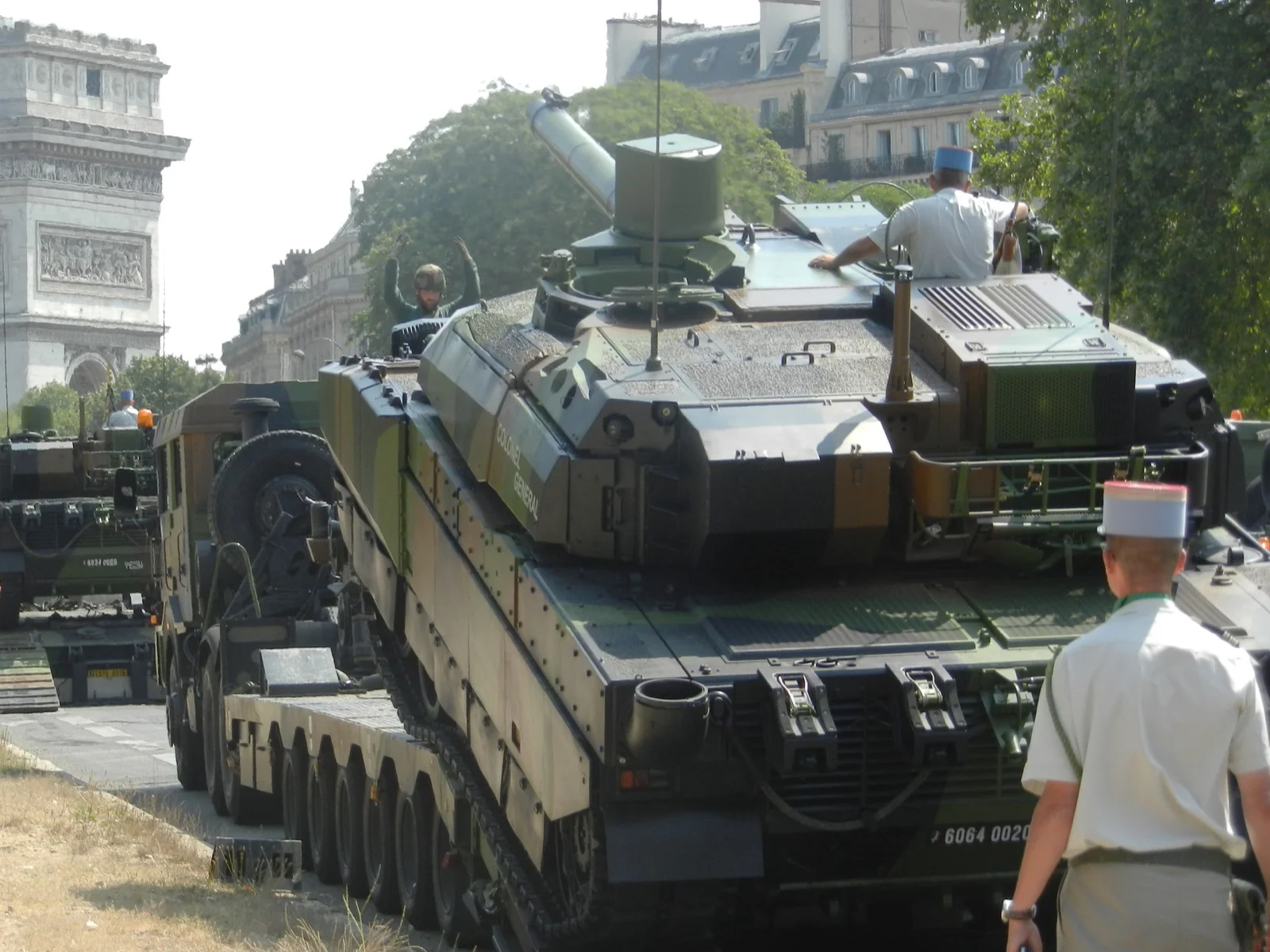
The structural gap shows on land: 296 tanks, a third of Poland’s 798 and a fifth of Greece’s 1,344. The country that builds the Leopard 2 spent two decades shrinking its own holdings and is only now reversing course.
Industry tells a different story. Rheinmetall, Airbus Defence, Diehl and Hensoldt sit at the centre of Europe’s defence supply chain. Germany is also a partner, with France and Spain, in the FCAS sixth-generation programme – troubled in its management, but still Europe’s largest combat aviation venture.
For scale: Germany’s defence budget is fifteen times Greece’s, yet it fields fewer combat aircraft.
| Capability | Figure |
|---|---|
| Fighter jets | 127 |
| Total aircraft | 569 |
| Tanks | 296 |
| Helicopters | 292 |
| Active personnel | 184,324 |
| Defence budget | $127.4 billion |
Third place has one of the youngest fighter inventories in Europe.
Spain is third with 136 combat aircraft, extracting one of Europe’s most cost-efficient air fleets from a $39 billion budget and 121,000 personnel.
Two types dominate: the Eurofighter Typhoon and the still-serving F/A-18 Hornet. Madrid chose additional Eurofighters over a new type to replace the Hornets, ordering two batches under the Halcon programme, and is the third partner in FCAS alongside France and Germany.
The under-discussed pillar is naval aviation. The amphibious assault ship Juan Carlos I was designed to operate short-take-off aircraft – and that same design formed the basis of Turkiye’s TCG Anadolu. Navantia’s adaptation of the design for Turkiye and Australia is a demonstration of Spanish shipbuilding’s export reach.
With 298 tanks and 175 warships, Spain maintains a balanced force at the western end of the Mediterranean. The bases at Rota and Moron add further weight on NATO’s southern flank.
For scale: Spain spends a third of what Germany does yet comes close to matching its fighter fleet.
| Capability | Figure |
|---|---|
| Fighter jets | 136 |
| Total aircraft | 440 |
| Tanks | 298 |
| Helicopters | 169 |
| Active personnel | 121,802 |
| Defence budget | $39 billion |
Second place: the smallest budget on this list, and the densest fighter fleet in Europe.
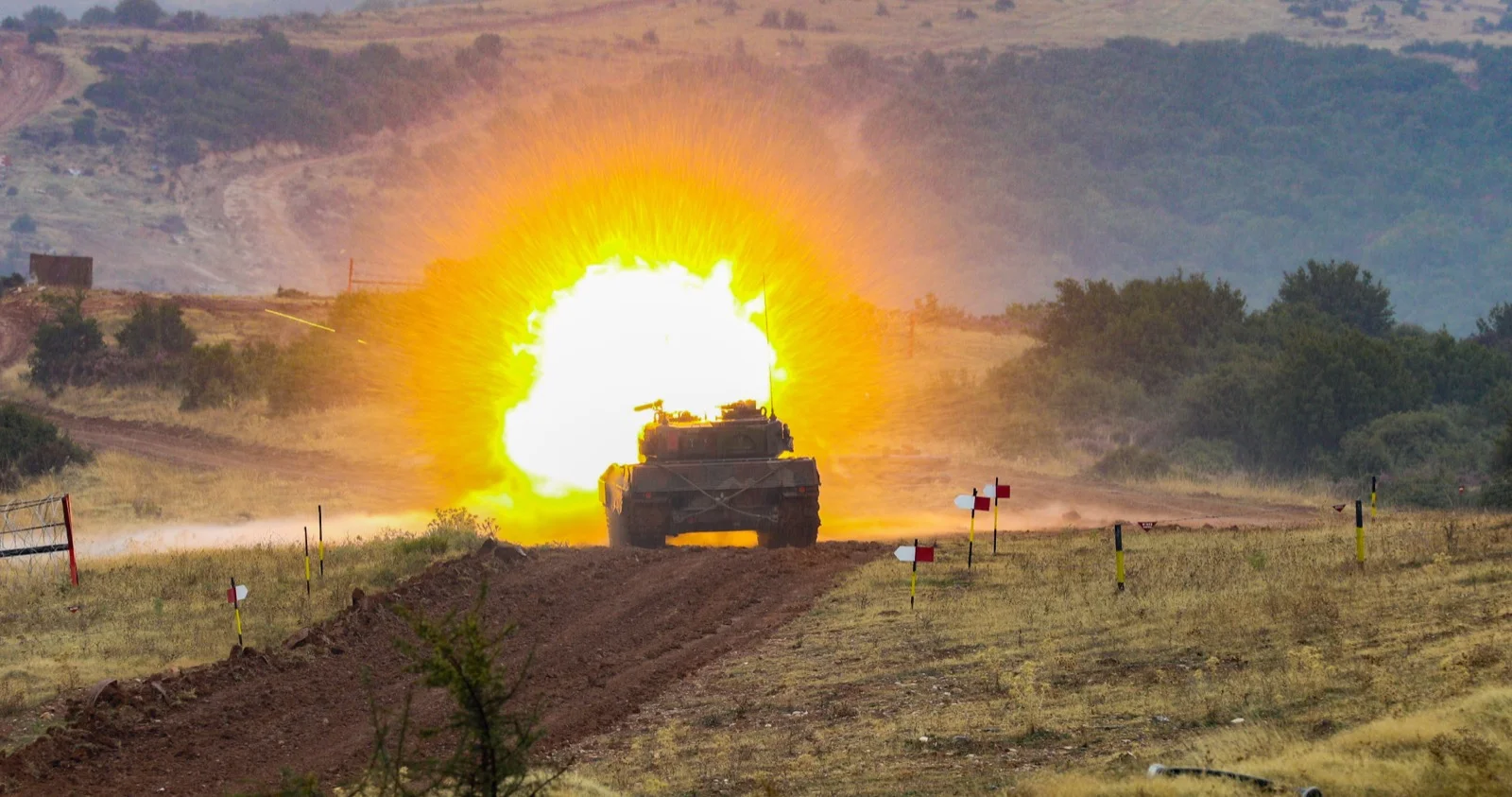
Greece is second with 178 combat aircraft – the most striking entry on this list. On a defence budget of $8.24 billion, it fields more fighters than Germany, which spends fifteen times as much.
The reason is structural as much as procedural. Greece expanded its F-16 fleet for decades and is now upgrading a large share of it to Viper standard, adding a Rafale fleet bought from France and a planned F-35A order to replace retiring Mirage 2000s.
Greek planning is anchored in the Aegean and Eastern Mediterranean. The country consistently ranks near the top of NATO for defence spending as a share of GDP, and its 1,344-tank land inventory exceeds every other country on this list. At 142,700, active personnel is high relative to population.
Industrially Greece remains import-dependent, though Hellenic Aerospace Industry has built up an F-16 upgrade line and Rafale maintenance competence in recent years – a strategy aimed squarely at reducing the cost of sustaining the fleet.
For scale: Greece fields more combat aircraft than either Germany or the United Kingdom individually.
| Capability | Figure |
|---|---|
| Fighter jets | 178 |
| Total aircraft | 560 |
| Tanks | 1,344 |
| Helicopters | 285 |
| Active personnel | 142,700 |
| Defence budget | $8.24 billion |
At the top: the only European state that builds its combat aircraft entirely on its own.
France operates Europe’s largest combat aircraft fleet at 223 jets. Ranked 6th worldwide in the 2026 index, it leads this list on both numbers and industrial depth.
What sets French air power apart is not fleet size but independence. The Rafale is French from airframe to engine (Safran M88), radar (Thales RBE2 AESA) and weapons (MBDA Meteor, SCALP). That gives Paris freedom to export without third-party approval – the reason Rafales have gone to Egypt, India, Qatar, Greece and the UAE.
The second distinction is nuclear. France is the only European country delivering air-launched nuclear deterrence from its own aircraft, via the ASMP-A. The Charles de Gaulle is the continent’s only nuclear-powered carrier, equipped with Rafale Ms.
At $67.23 billion, the French defence budget trails Germany’s and Britain’s – yet France fields 974 aircraft, 452 helicopters and 166 warships, a far broader inventory. The difference is that most of that procurement happens at home, in its own currency, through its own supply chain.
For scale: France fields more combat aircraft than Finland, Poland and Sweden combined.
| Capability | Figure |
|---|---|
| Fighter jets | 223 |
| Total aircraft | 974 |
| Tanks | 427 |
| Helicopters | 452 |
| Active personnel | 264,000 |
| Defence budget | $67.23 billion |
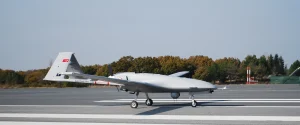
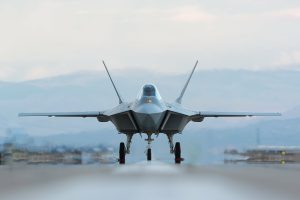
The fleet is not merely large; it is in transition. The Ozgur programme is moving the F-16 force onto Turkish avionics and munitions. KAAN is advancing in the same generation window as Europe’s FCAS and GCAP. HURJET localises the trainer and light-attack line, while KIZILELMA brings an uncrewed combat aircraft capability no country on this list currently fields. Turkiye also operates Europe’s largest rotary-wing inventory at 509 helicopters.
The verdict: why money does not decide Europe’s air power ranking
The clearest finding here is the disconnect between defence budgets and fighter numbers. Germany spends $127.4 billion and fields 127 jets for fourth place; Greece spends $8.24 billion and fields 178 for second. The spending ratio is fifteen to one. Budget figures alone are simply not a proxy for air power in Europe.
Three things explain the gap. First, most of a modern defence budget goes to personnel, operations and infrastructure rather than platform purchases. The high German and British figures cover expensive personnel structures and capabilities such as nuclear submarines and strategic airlift.
Second, threat perception. Greece sizes its fleet against the Aegean and Eastern Mediterranean; Finland against a long land border. Western European states, by contrast, deliberately shrank their fleets after the Cold War and traded numbers for capability. Britain’s 103 jets on $88.53 billion is the sharpest illustration.
Third, and most decisive, is industry. Two countries here build their fighters end to end: France (Rafale) and Sweden (Gripen). Both field larger fleets than their budgets would suggest, because their supply chains run domestically and in their own currencies. Both can also export – and the Rafale’s customer list, from Egypt to India, shows the commercial value of a procurement model that needs no third-party approval.
The next decade will redraw the table. F-35 purchases will transform the fleets of Finland, Poland, Germany, Greece and Romania – while binding much of Europe more tightly to a single supply line. The alternatives are two sixth-generation programmes running towards 2035: FCAS, with France, Germany and Spain, and GCAP, with Britain, Italy and Japan.
Turkiye sits outside both, pursuing its own fifth-generation line with KAAN. With 201 combat aircraft and 1,101 total airframes, it would rank just below the top of this table today – and progress on domestic munitions and avionics integration is what will move that position further in the years ahead.
Europe’s largest fighter fleets: comparison table
| # | Country | GFP world | Fighters | Total aircraft | Tanks | Helicopters | Personnel | Budget |
|---|---|---|---|---|---|---|---|---|
| 1 | France | #6 | 223 | 974 | 427 | 452 | 264,000 | $67.23 billion |
| 2 | Greece | #30 | 178 | 560 | 1,344 | 285 | 142,700 | $8.24 billion |
| 3 | Spain | #18 | 136 | 440 | 298 | 169 | 121,802 | $39 billion |
| 4 | Germany | #12 | 127 | 569 | 296 | 292 | 184,324 | $127.4 billion |
| 5 | United Kingdom | #8 | 103 | 625 | 288 | 262 | 141,330 | $88.53 billion |
| 6 | Ukraine | #20 | 88 | 347 | 1,121 | 140 | 900,000 | $45 billion |
| 7 | Italy | #10 | 88 | 714 | 203 | 352 | 165,500 | $37.33 billion |
| 8 | Sweden | #26 | 73 | 172 | 110 | 53 | 25,600 | $15.9 billion |
| 9 | Poland | #21 | 58 | 457 | 798 | 224 | 250,000 | $55.87 billion |
| 10 | Finland | #48 | 53 | 162 | 200 | 27 | 24,000 | $8.89 billion |
| – | Turkiye (outside region) | #9 | 201 | 1,101 | 2,284 | 509 | 481,000 | $51.4 billion |
Next in the series
Asia’s strongest submarine forces, the Middle East’s largest helicopter fleets and Asia’s biggest defence budgets.
Frequently Asked Questions
Which European country has the most fighter jets?
France, with 223 combat aircraft in Global Firepower’s 2026 data, followed by Greece (178) and Spain (136).
Why are Turkiye and Russia missing from this list?
Global Firepower assigns Turkiye to its Middle East grouping and Russia to Asia-Pacific. On inventory alone, Turkiye’s 201 fighters would rank second here and Russia’s 861 would lead by a wide margin.
How does Greece field more fighters than Germany?
Greece channels a large share of its defence spending directly into combat aircraft purchases and upgrades, while Germany’s much larger budget spreads across personnel, infrastructure and a far broader capability set.
Which European countries build their own fighter aircraft?
Two build a fighter end to end: France (Rafale) and Sweden (Gripen). The Eurofighter Typhoon is a joint programme between Germany, the UK, Italy and Spain.
What are Europe’s next-generation fighter programmes?
Two: FCAS, involving France, Germany and Spain, and GCAP, involving the UK, Italy and Japan. Turkiye is developing its own fifth-generation fighter, KAAN, outside both.
Sources
- Global Firepower 2026 Europe regional listing and country profiles
- NATO defence expenditure reports
- SIPRI Military Expenditure Database
- IISS The Military Balance
- Source: https://www.globalfirepower.com/