Egypt vs Ethiopia: Which Has the Stronger Military in 2026?

Egypt fields six times Ethiopia’s tank count, a blue-water navy and the only top-20 global ranking on the continent. Ethiopia fields Africa’s second-largest army by headcount and a confirmed Bayraktar TB2 fleet with real combat use. Neither fact settles the two countries’ actual dispute, which is fought over the Nile’s water, not a battlefield.
Egypt and Ethiopia are not adversaries in the conventional sense — the two countries have no shared border, no history of direct war, and (as of September 2026) no active military confrontation. What they have is the Grand Ethiopian Renaissance Dam (GERD), a decade-long dispute over the Blue Nile that has repeatedly produced warnings, diplomatic breakdowns and, periodically, speculation about the risk of conflict. This guide sets out how the two militaries actually compare on paper, using Global Firepower’s 2026 index supplemented by IISS and open-source reporting, and separates that comparison from the political dispute that actually drives tension between Cairo and Addis Ababa.
Personnel & Force Structure
By Global Firepower’s 2026 count, Egypt fields 438,500 active personnel and ranks 19th of 145 nations assessed worldwide — the only African military in the global top 20 by this index. Ethiopia fields 503,000 active personnel, the second-largest standing army on the continent after Egypt, and ranks 5th regionally. On headcount alone, Ethiopia is larger; on every other dimension — equipment depth, naval capability, financial resources — Egypt is the more capable force by a wide margin.
That gap reflects two very different force-building logics. Egypt has built a diversified, multi-supplier military (American, French, Russian and increasingly Turkish equipment) financed partly through US foreign military financing and Gulf backing. Ethiopia’s force is built almost entirely around manpower and land power, reflecting decades of internal conflict — the Tigray war (2020–2022), ongoing friction in Amhara and Oromia — rather than external power projection.
Air Power
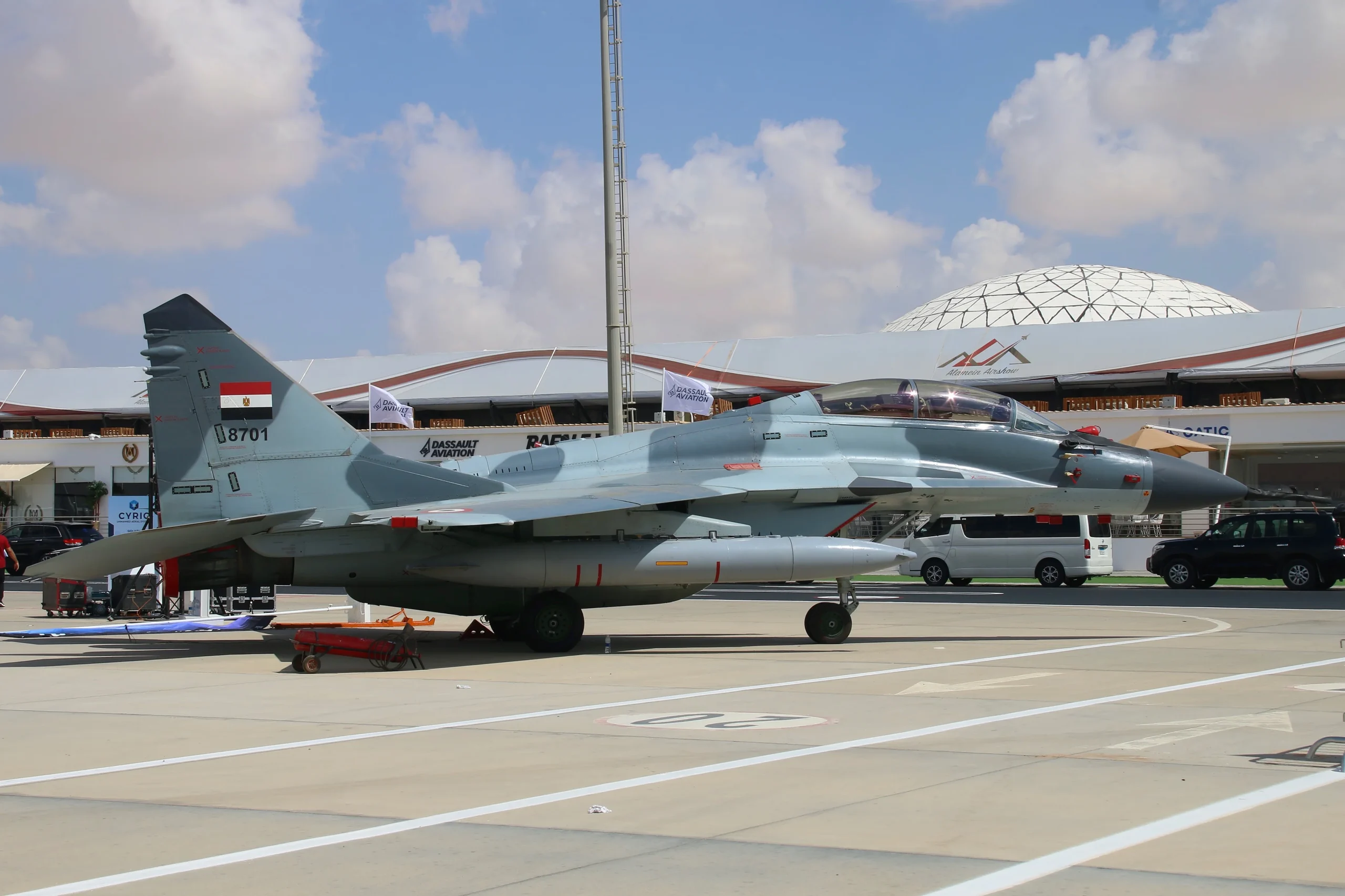
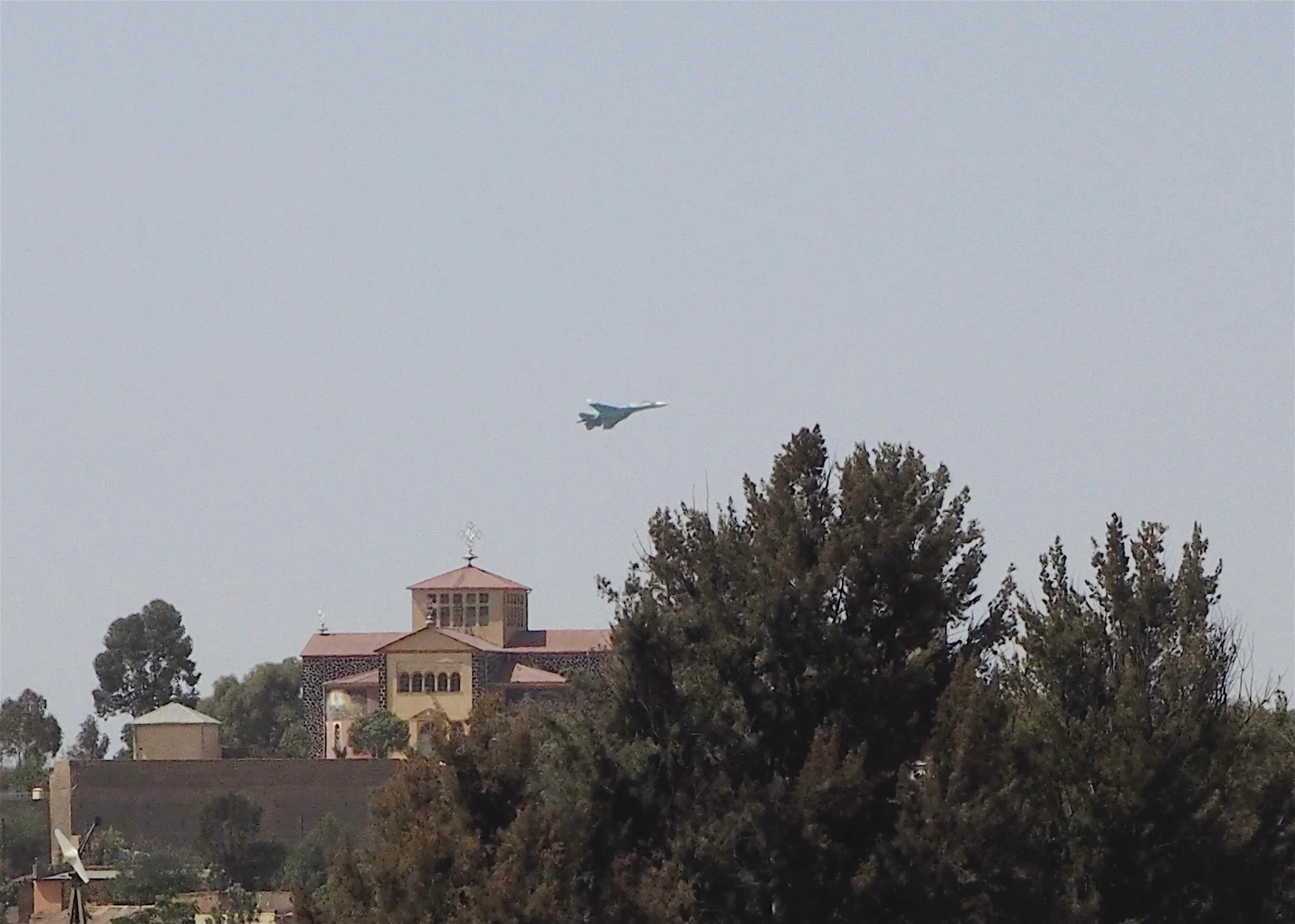
Egypt operates 1,088 aircraft in total (707 operational), including roughly 242 fighters and 90 dedicated attack aircraft, spread across US-supplied F-16s, French Rafales and Russian MiG-29Ms — a deliberately multi-supplier fleet that insulates Cairo from any single partner’s political leverage. Ethiopia’s air force is far smaller: 99 aircraft, of which 34 are combat types, built on Soviet- and Russian-origin airframes including Su-27 Flankers and MiG-23s. In January 2026 the Ethiopian Air Force took delivery of its first Yak-130 light attack/trainer from Russia, part of a reported order of up to ten airframes — a modest but real modernisation step.
Where Ethiopia has a genuinely documented edge is unmanned systems. Ethiopia is a confirmed Bayraktar TB2 operator, following an August 2021 defence agreement with Turkey; satellite imagery from December 2021 confirmed TB2 airframes at Bishoftu’s Harar Meda air base, and the type was used operationally against Tigray People’s Liberation Front forces during the war’s critical late-2021 phase — one of the earliest and most thoroughly documented cases of TB2 use anywhere in Africa. A full country-by-country breakdown is in our guide to African Bayraktar TB2 operators. Egypt, by contrast, is not a confirmed TB2 operator; its Turkish unmanned-systems relationship runs through a different platform, covered below.
Ground Forces & Armour
Egypt operates the world’s sixth-largest tank fleet at 3,620 vehicles, principally US-supplied M1A1 Abrams (built partly under license in Egypt) alongside older T-62s and licensed variants. Ethiopia’s armoured inventory is far smaller — open-source estimates put it around 338 tanks, mostly Soviet-era T-72s and T-62s, supported by WZ-551 and Type 89 armoured personnel carriers and Chinese SH-15 155mm truck-mounted howitzers alongside BM-21 Grad rocket artillery. The disparity in armour mirrors the disparity in budget: Egypt’s force is built for a conventional, mechanised fight; Ethiopia’s is built around light infantry depth and counter-insurgency mobility.
Naval Forces
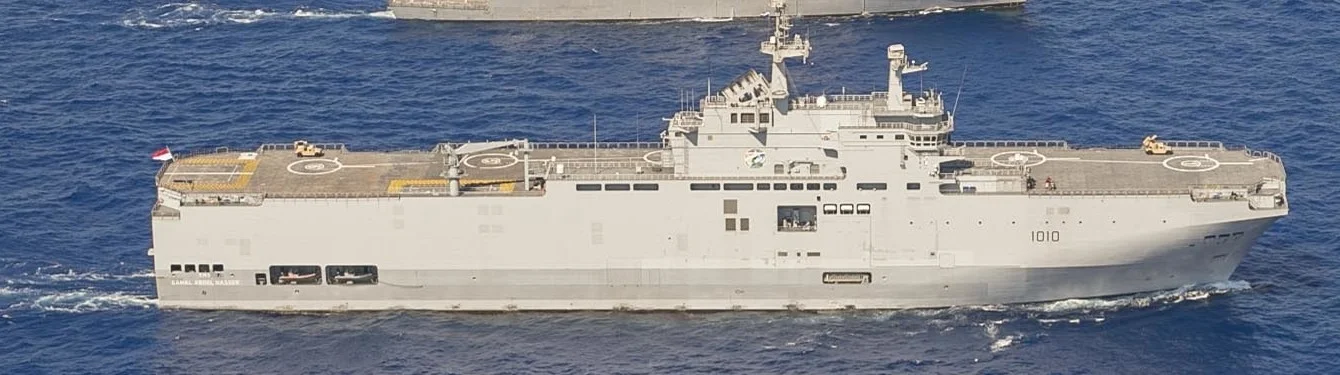
This is the starkest gap between the two forces. Egypt operates a 149-vessel navy including 8 submarines, 13 frigates and two Mistral-class amphibious assault ships — the only such capability on the African continent — giving it control of both the Mediterranean and Red Sea approaches to the Suez Canal. Ethiopia has no navy at all. It has been landlocked since Eritrea’s independence in 1993, and its Global Firepower score is built entirely on land and air power. Addis Ababa’s interest in regaining sea access — including a disputed January 2024 memorandum of understanding with Somaliland over Red Sea port access, which Somalia and Egypt both rejected — is itself a live regional friction point, separate from GERD but part of the same broader competition over the Horn of Africa and Red Sea corridor.
Budgets & Defence-Industry Ties
Egypt’s declared defence budget of $5.19 billion understates its real procurement power: Cairo also receives roughly $1.3 billion a year in US foreign military financing and additional Gulf-funded purchases that do not appear in its own budget line. Ethiopia’s budget is harder to pin down — estimates range from roughly $1 billion to $3.7 billion depending on methodology and whether off-budget security spending is included, a reporting gap common to countries managing active internal conflicts.
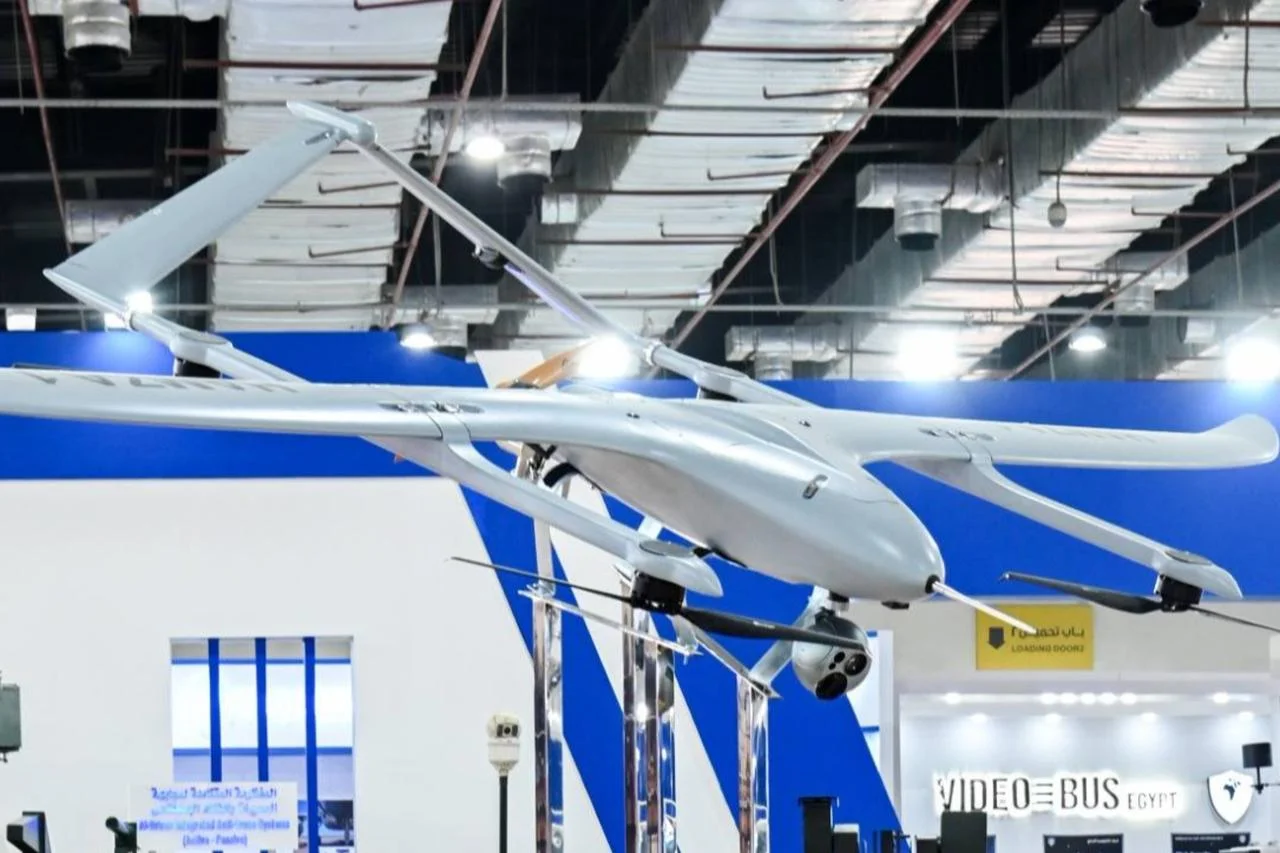
Both countries have deepened defence-industrial ties with Turkey in 2026, though through different channels. Egypt’s relationship runs through Turkey’s state-owned HAVELSAN and Egypt’s Arab Organization for Industrialization (AOI): the two signed a strategic cooperation agreement in August 2025 to jointly build the HAMZA-1 vertical-take-off-and-landing drone in Egypt, and followed it with a commercial sales agreement at the El Alamein International Airshow in September 2026 — full details in our HAVELSAN–AOI HAMZA-1 coverage. It is the most concrete sign yet of a defence-industrial relationship that was largely frozen for most of the previous decade before the 2023 diplomatic rapprochement between Ankara and Cairo. Ethiopia’s Turkish tie is older and combat-tested: the confirmed Bayraktar TB2 fleet described above, procured directly rather than co-produced. Neither relationship gives Turkey a stake in the GERD dispute itself — Ankara has stayed publicly neutral on the Nile question, treating Cairo and Addis Ababa as separate commercial relationships. For the wider regional pattern, see our comparison of Turkish vs. Chinese drones in Africa.
On the domestic-industry side, Egypt’s AOI produces licensed armoured vehicles, ammunition and, increasingly, unmanned systems under foreign partnerships. Ethiopia’s state-owned defence-industrial base — principally the Homicho Ammunition Engineering Industry and the Gafat Armament Engineering Complex, both under the Ethiopian Metals and Engineering Corporation (METEC) — produces small arms, ammunition and light vehicles, but has been repeatedly flagged in independent audits and government reviews for underperformance and mismanagement, and does not approach AOI’s scale or diversification.
The Real Flashpoint: GERD and the Nile
None of the above comparison is actually what drives friction between Cairo and Addis Ababa. That is the Grand Ethiopian Renaissance Dam, a Blue Nile hydropower project that Ethiopia formally inaugurated on 9 September 2025, in a ceremony attended by regional leaders including Kenya’s President William Ruto and Somalia’s President Hassan Sheikh Mohamud. Egypt, which depends on the Nile for the large majority of its fresh water, argues that Ethiopia’s unilateral operation of the dam violates the 2015 Declaration of Principles on equitable Nile use; President Abdel Fattah el-Sisi has repeatedly framed the dispute in terms of protecting Egypt’s water security. Ethiopia maintains that dam operations follow seasonal hydrology and its own turbine requirements, and that the project is a matter of national development, not a threat to downstream states.
As of September 2026, the dispute remains diplomatically active rather than militarily active. The United States, under President Trump, has offered to restart mediation between Egypt, Ethiopia and Sudan — a process Ethiopia broke off in 2020 after concluding US mediation favoured Egypt’s position. Three additional proposed Blue Nile hydropower projects (Karadobi, Mandaya and Beko Abo) are now the focus of Egyptian diplomatic pressure to secure a binding framework before construction proceeds, which will test whether more than a decade of Egyptian opposition translates into practical leverage. Independent regional assessments in 2026 continue to describe the likelihood of armed conflict as relatively low: the dispute is sectoral, centred on water allocation and treaty language, not a broader systemic confrontation between the two states, and neither country has mobilised forces toward the other border area (the two states do not, in any case, share one). The force comparison above is best read as background on two of the continent’s largest militaries, not as an indicator of an imminent clash — this remains a negotiating-table dispute, and this guide does not speculate on how a conflict between the two would unfold.
Egypt vs. Ethiopia: Full Comparison Table
| Metric | Egypt | Ethiopia |
|---|---|---|
| GFP global rank (2026) | 19th of 145 | Not in global top 60; 5th in Africa |
| Active personnel | 438,500 | 503,000 |
| Tanks | 3,620 | ≈338 |
| Total aircraft | 1,088 (242 fighters) | 99 (34 combat) |
| Navy | 149 vessels, 8 submarines, 2 amphibious assault ships | None (landlocked) |
| Declared defence budget | $5.19 billion | $1–3.7 billion (estimates vary) |
| Confirmed Turkish platform | HAMZA-1 VTOL drone (co-produced, AOI) | Bayraktar TB2 (procured, combat-used since 2021) |
Figures are Global Firepower 2026 index data unless noted, supplemented by IISS and open-source reporting. GFP is a private comparative index, not an official government, NATO or SIPRI dataset, and weights equipment quantity more heavily than readiness or training quality.
Frequently Asked Questions
Which country has the stronger military, Egypt or Ethiopia?
Egypt, by a wide margin on most metrics that matter beyond headcount: a navy with submarines and amphibious ships, a much larger and more diverse air fleet, more than ten times Ethiopia’s tank count, and a higher Global Firepower ranking (19th globally against Ethiopia’s position outside the global top 60). Ethiopia’s only numerical edge is active personnel.
Does Ethiopia have a navy?
No. Ethiopia has been landlocked since Eritrea’s independence in 1993. A disputed 2024 memorandum with Somaliland over Red Sea port access has not resulted in a functioning Ethiopian navy, and the arrangement is rejected by both Somalia and Egypt.
Which country operates the Bayraktar TB2 — Egypt or Ethiopia?
Ethiopia is a confirmed Bayraktar TB2 operator, procured under a 2021 defence agreement with Turkey and used operationally in the Tigray war from late 2021. Egypt is not a confirmed TB2 operator; its Turkish drone relationship instead runs through the co-produced HAMZA-1 VTOL system with HAVELSAN and Egypt’s AOI.
Could the GERD dispute lead to war between Egypt and Ethiopia?
Regional analysts assess the likelihood as low as of 2026. The dispute is sectoral — centred on water allocation and treaty compliance — and is currently being pursued through diplomacy, including a US-offered mediation effort, rather than military escalation. Egypt and Ethiopia do not share a border, which itself limits the pathways to direct conflict.
Is Global Firepower an official military ranking?
No. GFP is a privately compiled index, not a government, NATO or SIPRI dataset. It is a useful comparative snapshot but weights raw equipment quantity heavily and does not fully capture readiness, training quality or serviceability — factors on which the gap between Egypt and Ethiopia could look different.
Sources
- Global Firepower 2026 — Egypt vs. Ethiopia comparison and individual country profiles
- IISS, The Military Balance
- Atlantic Council, “The Nile at a crossroads: Navigating the GERD dispute as Egypt’s floodwaters rise”
- Al Jazeera, “After GERD, can Egypt shape Ethiopia’s next Nile dams?” (August 2026)
- PAX / satellite-imagery reporting on Bayraktar TB2 deployment in Ethiopia, December 2021
- DefenceWeb, Asian Military Review — HAVELSAN–AOI HAMZA-1 sales agreement, September 2026
- envantermedya reporting: African Bayraktar TB2 Operators, HAVELSAN–AOI HAMZA-1, Africa’s Strongest Militaries 2026, Turkish vs. Chinese Drones in Africa
Last updated: September 19, 2026.