ÇAKIR Goes Ground-Launched: 150km Missile Fires From KARA ATMACA Launcher

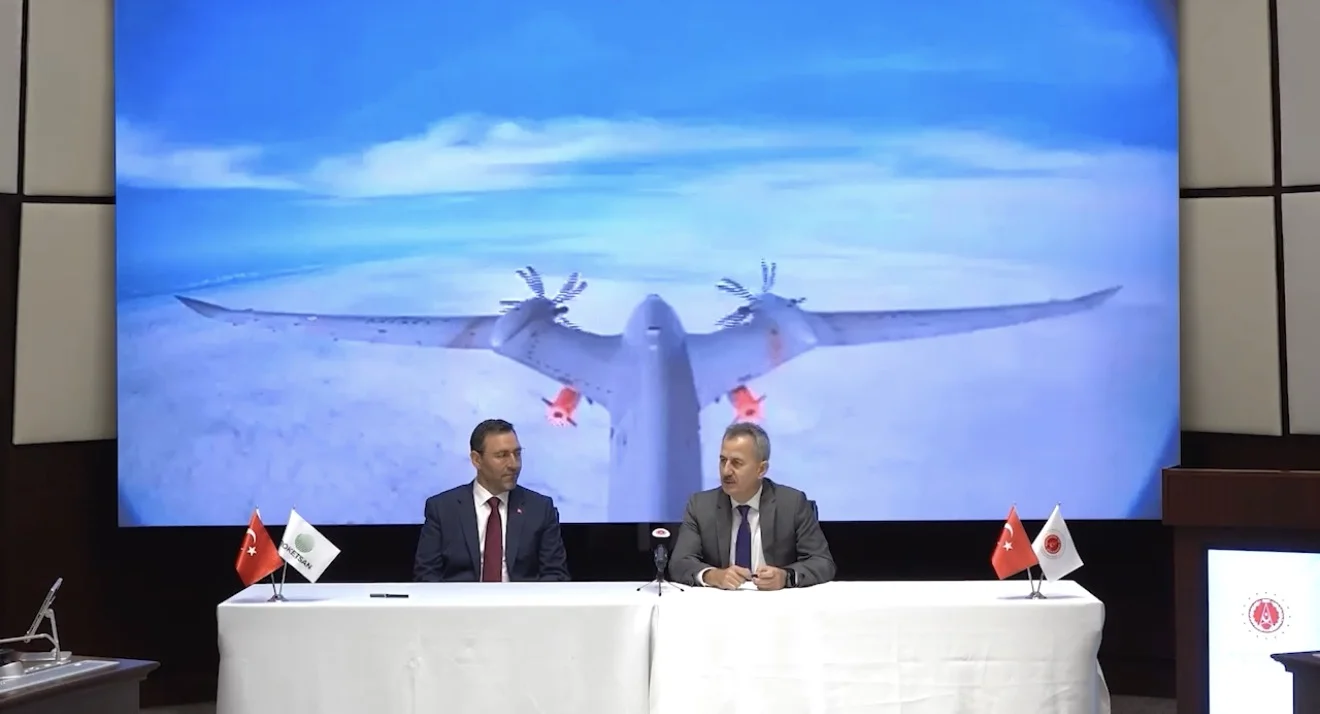
Turkey’s Presidency of Defence Industries (SSB) has signed a procurement contract with Roketsan to bring the ÇAKIR cruise missile into Turkish Land Forces Command service as a ground-launched weapon. The signing ceremony took place at SSB headquarters, with SSB President Haluk Görgün and Roketsan General Manager Murat İkinci putting their names to the deal.
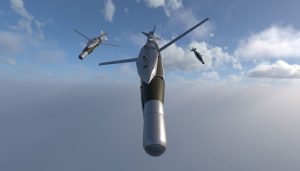
ÇAKIR was originally developed as an air-launched stand-off missile. Engineers added a solid-fuel booster, allowing the weapon to fire from the same launcher used by Roketsan’s KARA ATMACA ground-to-ground cruise missile system. That integration means the Land Forces will not need to buy a new launch platform to field ÇAKIR; existing KARA ATMACA launchers will handle both missile types.
The missile has a publicly stated range beyond 150 kilometers. It flies on a KTJ-1750 turbojet engine developed by Kale Arge, and its guidance package combines inertial navigation with jam-resistant GNSS. ÇAKIR carries a 70-kilogram warhead, and its sea-skimming flight profile plus terrain-masking capability are designed to reduce the chance of radar detection.
Roketsan led the program as prime contractor, with roughly 200 Turkish companies contributing to the supply chain. According to SSB, critical components, from the seeker head to the turbojet engine, were developed domestically, placing ÇAKIR alongside SOM, Atmaca and KARA ATMACA in Turkey’s growing family of indigenous cruise missiles.
SSB confirmed the signing in its weekly activity roundup dated October 19, 2026, which also noted the AKSUNGUR drone’s first live firing of the TOLUN munition and continued serial production of ASELSAN’s DRAGONEYE 2 system — signaling a busy month for Land Forces munitions programs generally.
The operational shift here is incremental but meaningful. Until now, Turkey’s primary ground-launched, stand-off land-attack option was the 280-kilometer KARA ATMACA. Giving troops a second missile type that fires from the same launcher lets units choose between different range and payload profiles without adding a second logistics and training burden — a “one launcher, multiple munitions” approach that keeps fielding costs down.
Ground-launch trials conducted this year tested ÇAKIR against both land and maritime targets. Roketsan says the missile retains in-flight retargeting and mission-abort functions in its ground configuration. The company’s roadmap also includes four-missile salvo launches from a single platform and networked, swarm-style attacks, though those capabilities remain under development.
ÇAKIR illustrates Roketsan’s broader design approach: building one missile architecture that can be adapted across air, land and sea launch platforms rather than developing separate weapons for each service branch. That philosophy spreads development costs and shortens the path from design to fielded capability.
No delivery timeline or unit quantities were disclosed. SSB’s weekly bulletins are expected to provide further detail as the missile moves toward entering Land Forces inventory.
Sources
Presidency of Defence Industries (SSB), “Türk Savunma Sanayiinde Bu Hafta Neler Oldu?” weekly bulletin, October 19, 2026, https://www.ssb.gov.tr/haber/turk-savunma-sanayiinde-bu-hafta-neler-oldu-2026-10-19 — used to confirm the contract signing. Roketsan, public unveiling of ÇAKIR technical specifications — used for missile performance data.