The World’s 10 Strongest Mine Warfare Fleets (2026): Russia Leads — China, Poland, France
In modern naval warfare the quietest weapon is often the deadliest. A sea mine costing a few thousand dollars can sink a billion-dollar warship or shut a major port for weeks. That is why, while aircraft carriers and nuclear submarines grab the headlines, the silent workhorses of any navy — mine warfare vessels — carry a critical job behind the scenes: clearing the seas of an invisible threat.
Using Global Firepower’s 2026 data, we have ranked the world’s largest mine warfare fleets. Alongside the expected great powers, the list features small but strategically placed nations. So who leads — a NATO member, or Russia and China?
And the real question: where does Turkey, with its capable navy, sit on this list? We count down from 10 to 1 — and the answer may surprise you.
Here are the world’s 10 largest mine warfare fleets according to Global Firepower 2026 — from 10th place to the summit:
Germany — 12 mine warfare ships
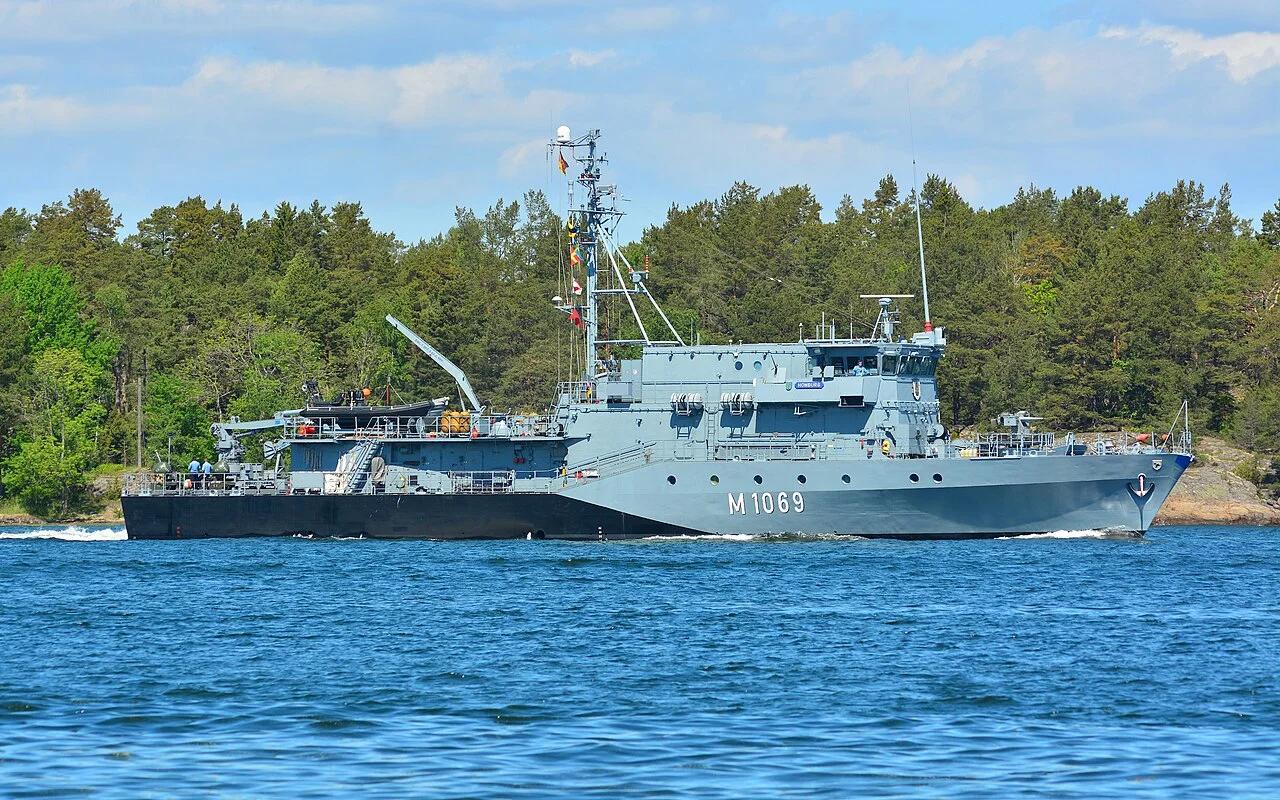
The countdown opens with Germany, one of NATO’s most experienced navies in the unglamorous but vital art of mine clearance. The German Navy fields 12 mine warfare vessels led by the Frankenthal-class hunters, ships built to work hand-in-hand with the Seehund unmanned drones that swim ahead and neutralise threats while the crew stays clear of danger. Germany’s edge is technological rather than numerical: heavy shipping in the Baltic and North Sea, plus a seabed still littered with both World Wars’ ordnance, made mine countermeasures a national priority. With fewer hulls than several rivals, the fleet still punches above its weight. But the real mine-warfare heavyweights are still to come.
| Vessel count | 12 |
| Lead class | Frankenthal-class (Type 332) |
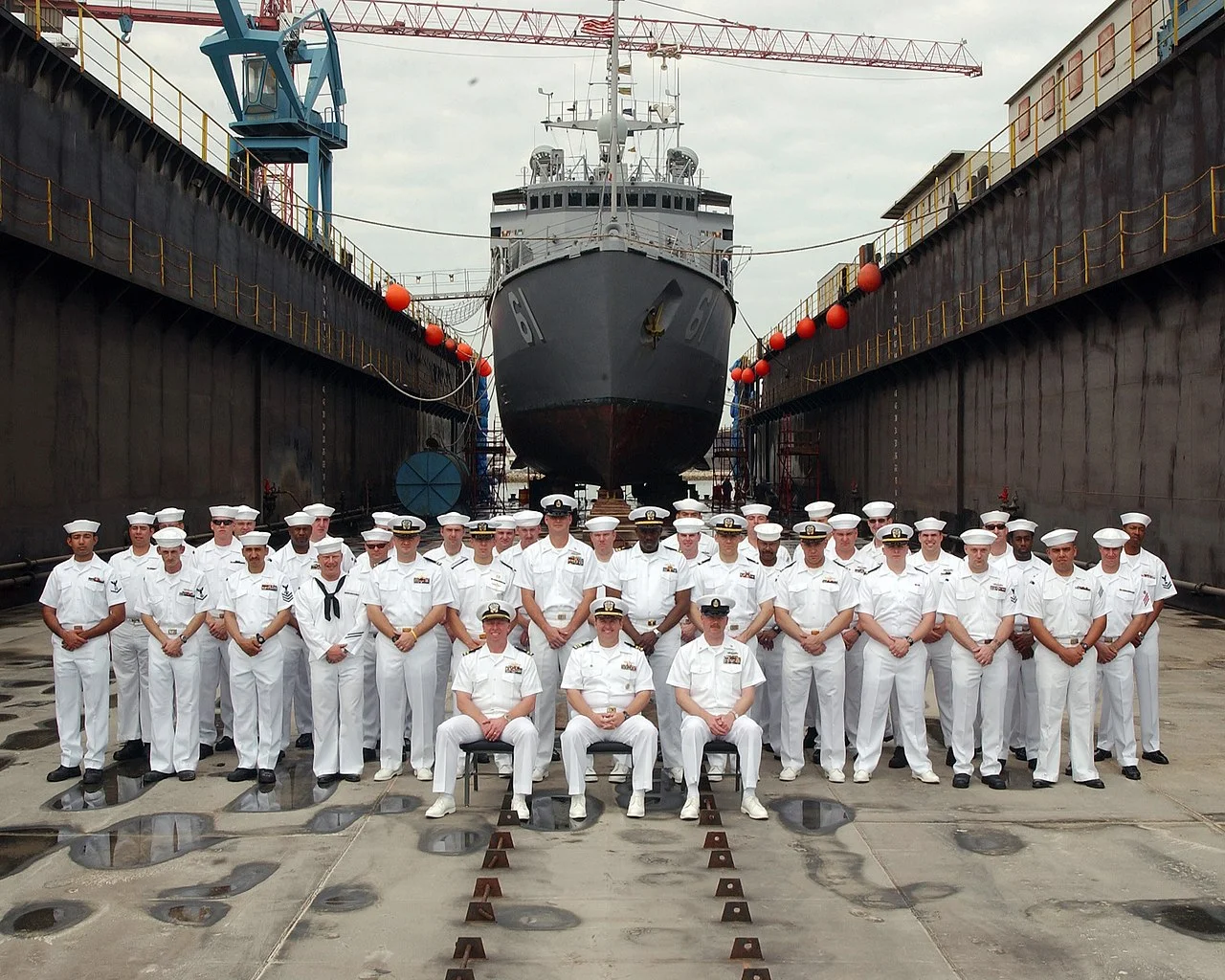
South Korea — 14 mine warfare ships
Ninth place goes to South Korea, where every hull matters in the tense waters of the Korean Peninsula. The Republic of Korea Navy operates 14 mine warfare ships tasked with keeping ports and supply lines open against the thousands of mines North Korea could scatter across its coastal approaches. The backbone is the domestically built Yangyang-class hunter, whose glass-reinforced plastic hull keeps a low signature against magnetic mines. As an export powerhouse that ships almost all of its trade by sea, Seoul treats mine clearance not as a luxury but as survival. That is two hulls more than Germany — yet the numbers climb fast from here.
| Vessel count | 14 |
| Lead class | Yangyang-class |
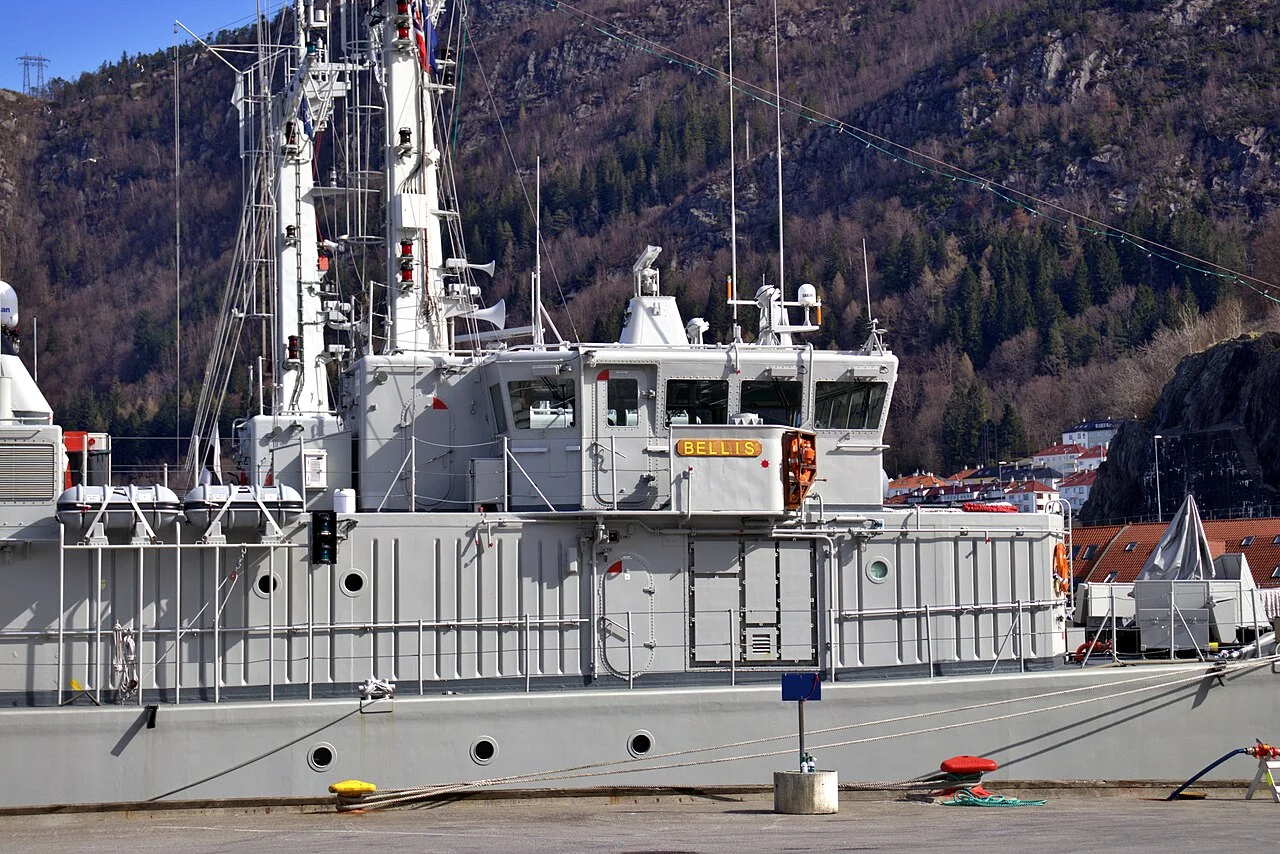
Egypt — 17 mine warfare ships
Eighth place protects the world’s most critical waterway: Egypt. With 17 mine warfare ships, the Egyptian Navy is charged with keeping the Suez Canal — roughly 12% of global trade — navigable at all times; a single mine in that channel could rattle the world economy. The fleet blends US-built Osprey-class hunters with older Swiftships minesweepers. Among the navies of Africa and the Middle East, Egypt stands clearly apart in this field, forced to watch the Red Sea and the Mediterranean at once, which demands broad clearance capacity. The next country, matching Egypt almost ship-for-ship, is an unexpected European name.
| Vessel count | 17 |
| Lead class | Osprey & Swiftships classes |
Bulgaria — 17 mine warfare ships
Seventh place belongs to Bulgaria, which runs a surprisingly strong mine fleet for its size and naval budget. With 17 mine warfare ships, this small Black Sea state sits level with several major powers. The secret is geography: the Black Sea is a tense basin where Russia and NATO meet, and the war in Ukraine has turned drifting mines into a concrete danger for every coastal nation. Bulgaria operates a mix of Tripartite-class hunters inherited from Belgium and Soviet-era Briz sweepers. Sharing Black Sea clearance duty with Romania and Turkey, Sofia carries a role that matters far beyond its borders. The next country is one of Asia’s technology giants.
| Vessel count | 17 |
| Lead class | Tripartite & Briz classes |
Japan — 18 mine warfare ships
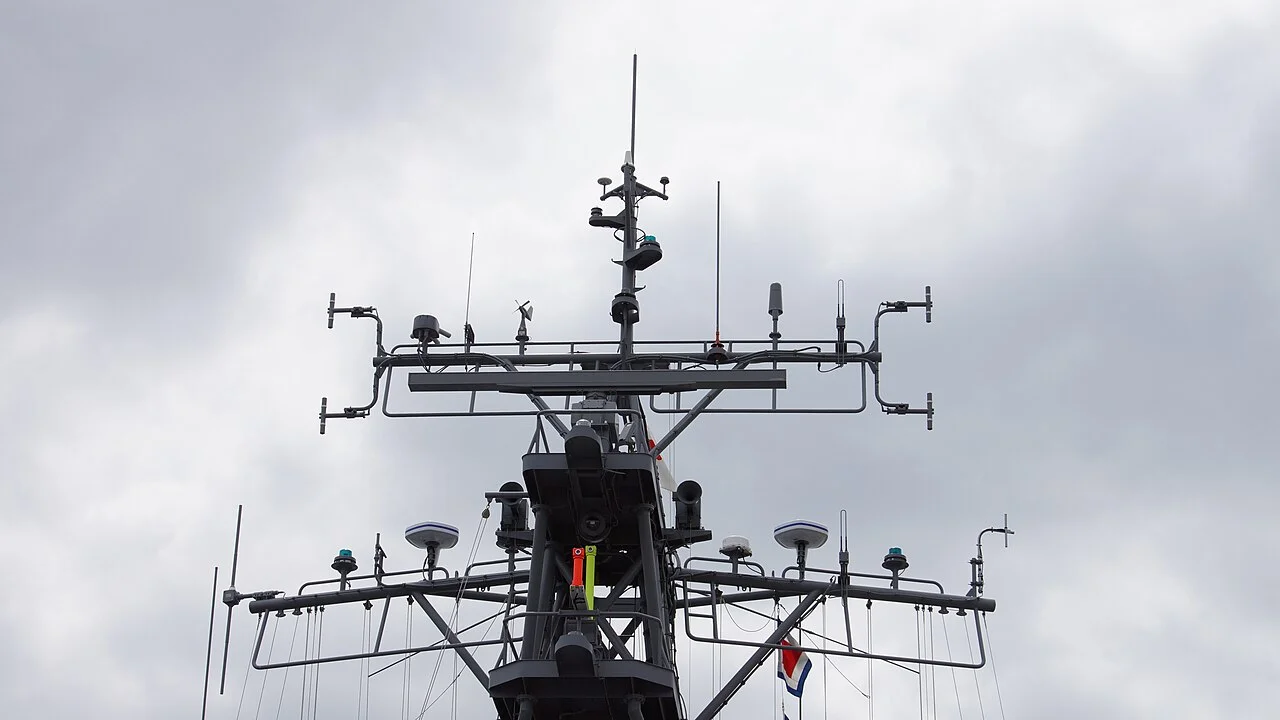
Sixth place goes to Japan, which has refined mine clearance almost into an art form. With 18 ships, the Japan Maritime Self-Defense Force runs one of the largest and best-trained minehunting fleets on earth. That expertise is no accident: at the end of World War II Japanese waters held tens of thousands of mines, and decades of clearing them built unmatched experience. Today the fleet is led by the Awaji and Hirashima classes — among the largest wooden-hulled warships in the world, because wood and fibreglass avoid triggering magnetic mines. For an island nation, open harbours are a condition of existence. The next country fields the same number of ships but fights in a very different sea.
| Vessel count | 18 |
| Lead class | Awaji & Hirashima classes |
Finland — 18 mine warfare ships
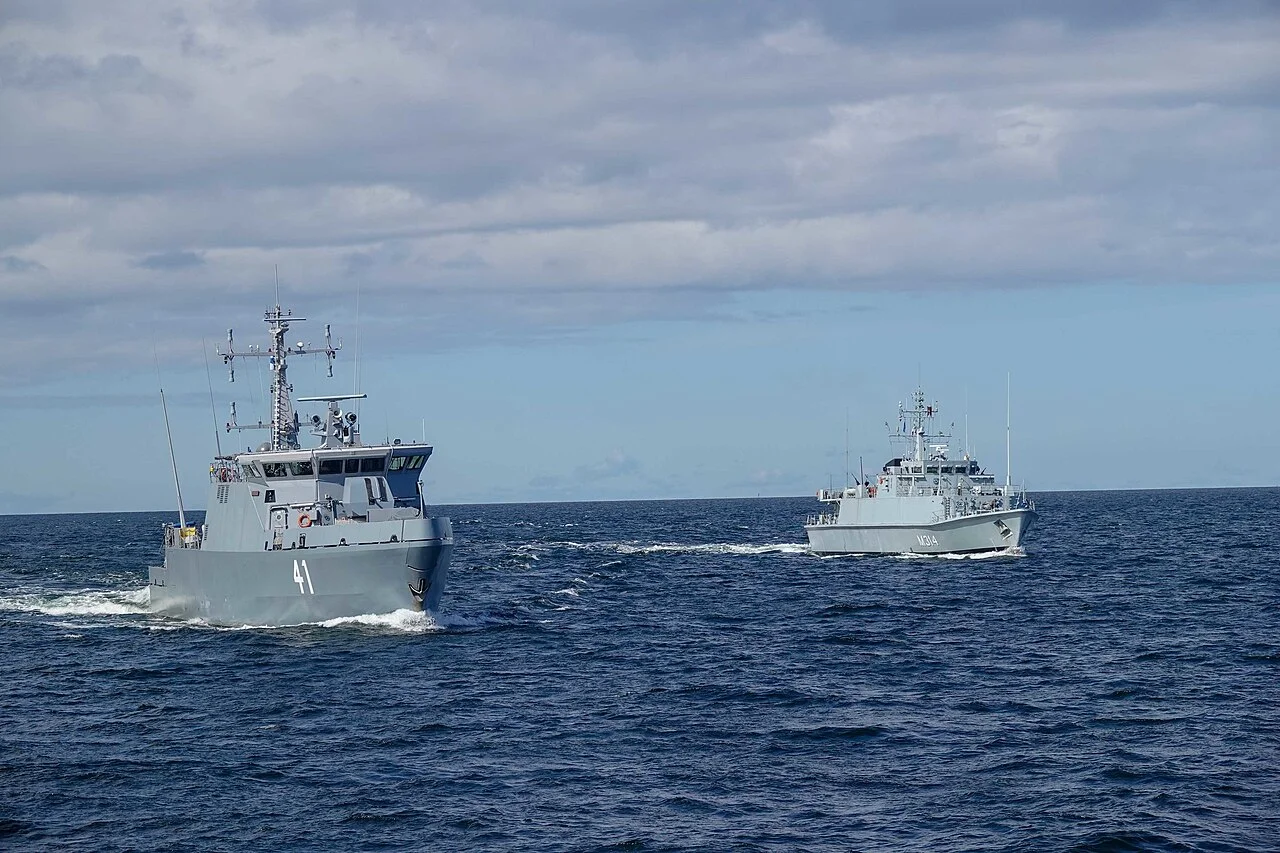
Finland, one of NATO’s newest members, opens the top five. With 18 mine warfare ships it guards a shallow, rocky Baltic coast studded with thousands of islands — a punishing geography that places mine warfare at the heart of Finnish defence doctrine. The modern Katanpää-class hunters carry cutting-edge sonar and underwater robots, and Finland also lays its own sea mines to deter an attacker, making it one of the rare states that can both sow and sweep. Its 2023 accession plugged these skills straight into the alliance. For Helsinki, which shares the Baltic with Russia, these ships are the front line. The next name is one of Western Europe’s established naval powers.
| Vessel count | 18 |
| Lead class | Katanpää-class |
France — 19 mine warfare ships
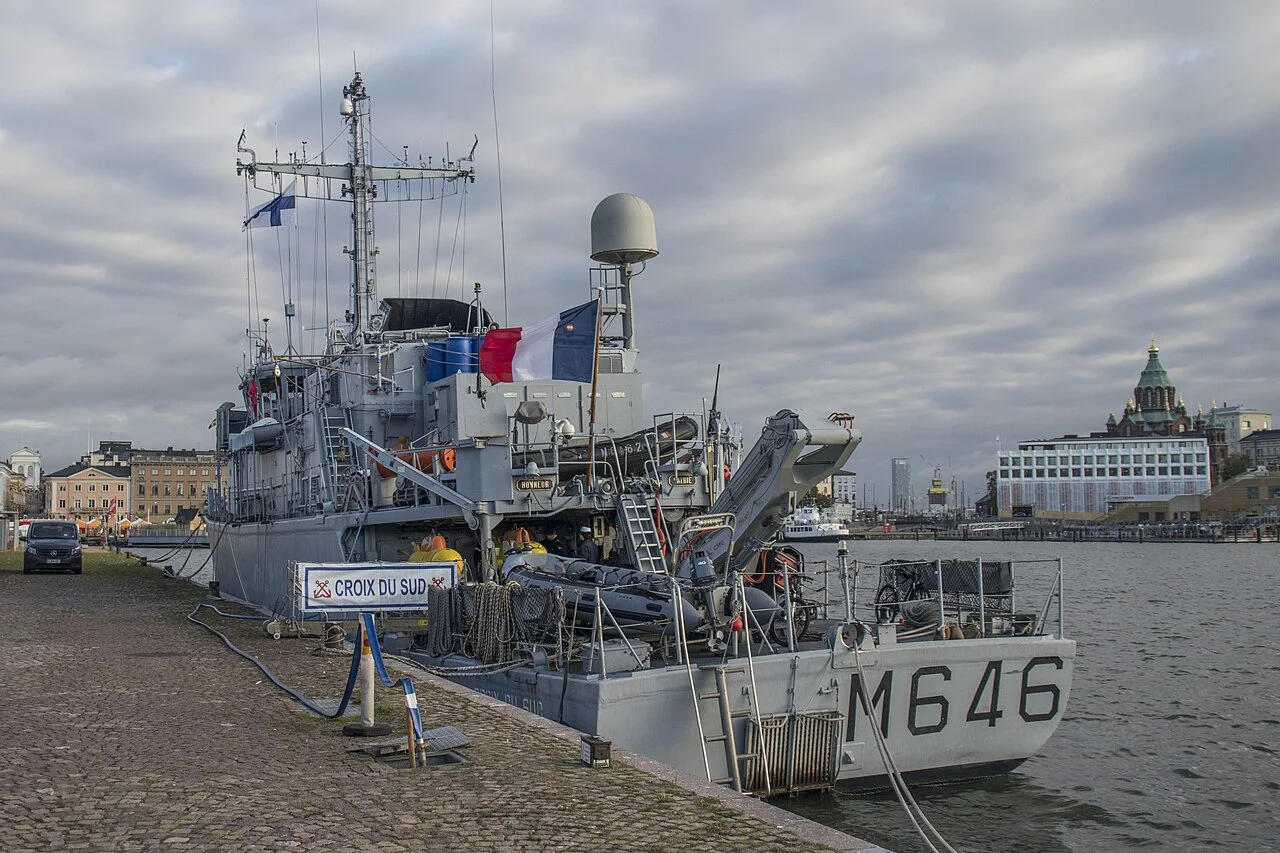
Fourth place is France, a navy with bases and obligations across the globe. With 19 mine warfare ships, the French Navy guards its Atlantic and Mediterranean coasts as well as overseas territories. The fleet’s core is the Éridan-class (Tripartite) hunter, co-developed with Belgium and the Netherlands — a partnership often cited for building a common European architecture for mine warfare. France is now betting on the future, shifting to a next-generation programme in which unmanned surface and underwater systems increasingly replace the ship itself and pull crews entirely out of danger. As a nuclear power and UN Security Council member, Paris takes the protection of open sea lanes seriously. But the top three play on a completely different scale.
| Vessel count | 19 |
| Lead class | Éridan (Tripartite) class |
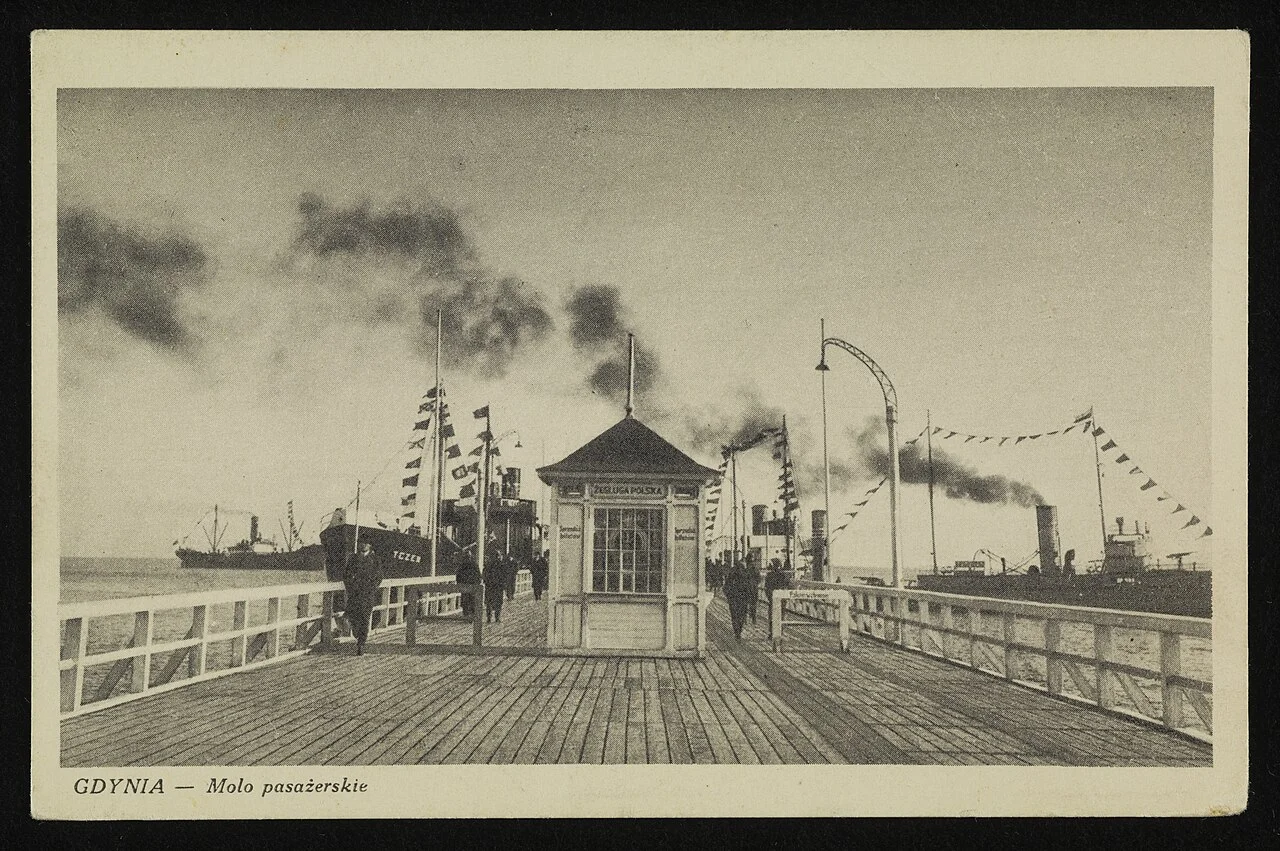
Poland — 29 mine warfare ships
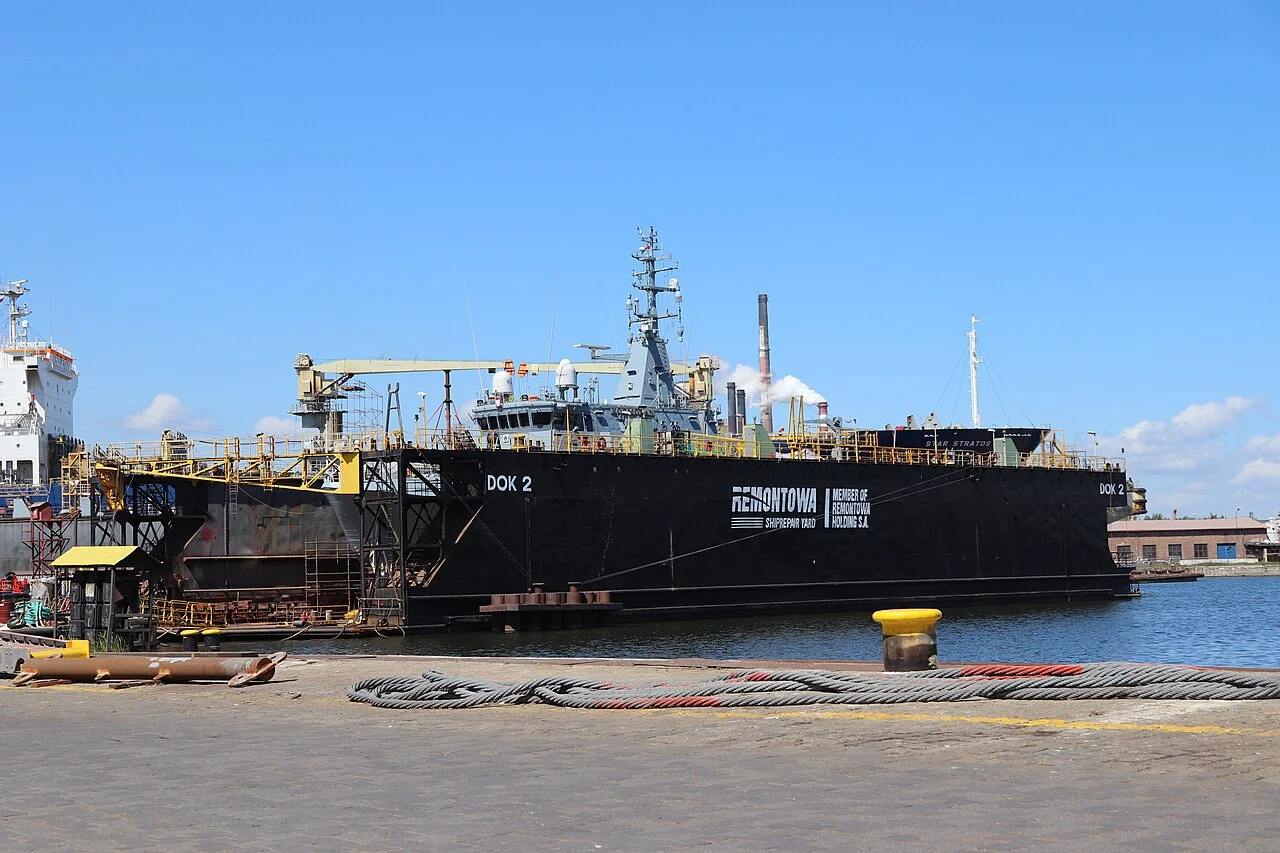
The third step of the podium belongs to Poland — one of the fastest-rising military powers of recent years — and its 29 ships leave the rest of the top four well behind. Poland’s success here is part of a wider defence-industry surge: the country builds its own modern Kormoran II-class hunters in domestic yards, vessels rated among the most capable mine hunters in the Baltic thanks to autonomous underwater vehicles and advanced sonar suites. The ports of Gdańsk and Gdynia are the lifeblood of the Polish economy; mining them shut in a crisis could paralyse the country. Holding one of NATO’s longest maritime borders with Russia on the alliance’s eastern flank, Warsaw treats mine clearance as part of deterrence. But the top two are filled by two great powers of sheer numbers.
| Vessel count | 29 |
| Lead class | Kormoran II-class (Project 258) |
China — 36 mine warfare ships
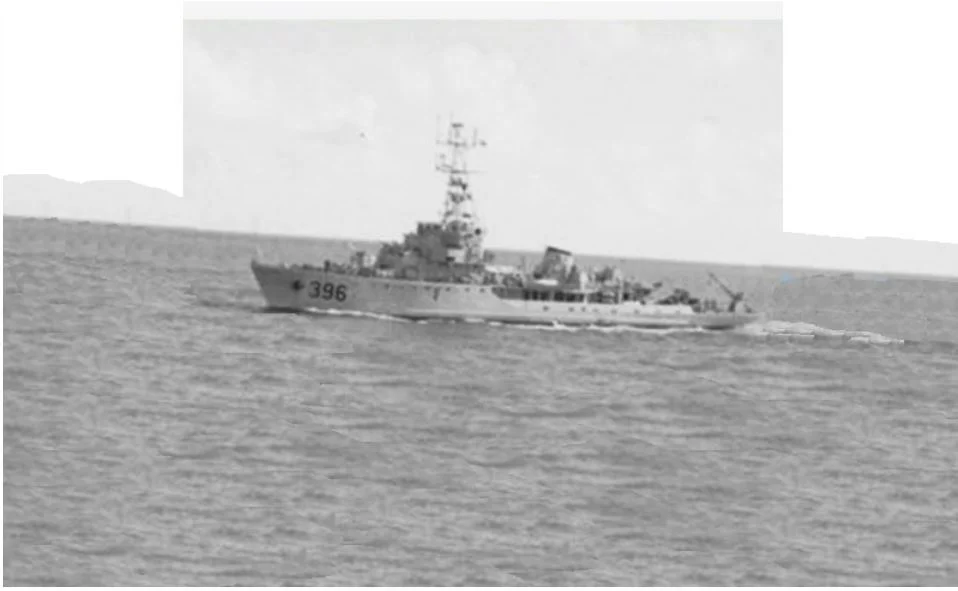
Second place is China, owner of the world’s fastest-growing navy: 36 mine warfare ships. The weight Beijing puts on mine warfare is something many observers miss, because China holds not only one of the largest clearance fleets but also a vast stockpile of offensive mines. Its modern Type 081 (Wozang)-class hunters use automated systems to sweep large areas in likely flashpoints such as the Taiwan Strait and the South China Sea. In a Taiwan scenario, mine warfare cuts both ways: China would need to clear its own landing zones and to mine an opponent’s harbours shut. That scale makes China stronger than many of its regional rivals combined. But the country at the very top outguns even China — by nine more ships.
| Vessel count | 36 |
| Lead class | Type 081 (Wozang) class |
Russia — 45 mine warfare ships
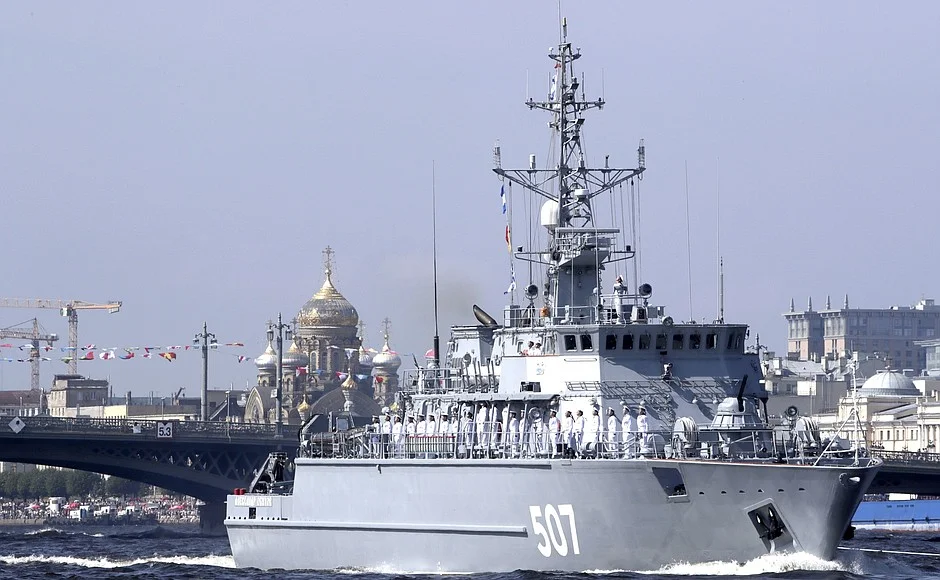
And at the summit, the runaway leader: Russia, with 45 mine warfare ships. That figure sits seven ahead of second-placed China and outnumbers most of the European nations on this list combined. Russia’s dominance is the product of both Soviet legacy and active modernisation: the country serially builds the modern Alexandrit-class (Project 12700) hunters — among the largest single-piece fibreglass-hulled warships in the world. With hulls that stay invisible to magnetic mines and a complement of unmanned underwater vehicles, they are highly capable. The Russian Navy is spread across four separate fleets — Baltic, Black Sea, Northern and Pacific — and that vast frontage demands a large mine force. The war in Ukraine reminded the world how decisive mines remain in the Black Sea. Russia holds the most comprehensive capacity on earth for both laying and clearing mines — and the undisputed number one of this list.
| Vessel count | 45 |
| Lead class | Alexandrit-class (Project 12700) |
🇹🇷 And Turkey? Just Outside the List: 11th Place
With 11 mine warfare ships, Turkey ranks 11th in the 2026 list, missing the top ten by the narrowest margin. Yet capability lies behind that number: the Turkish Navy guards three critical seas at once — the Aegean, the Mediterranean and the Black Sea — with the domestically modernised Aydın-class hunters and Alanya-class sweepers. Turkey’s real edge is the steady localisation of mine-clearance technology: ASELSAN’s sonar and mine-countermeasure systems, together with home-grown unmanned underwater vehicles, are the cards that could lift this ranking in the years ahead. With the shipyard experience earned through the MİLGEM programme, Turkey is cutting its import dependence in mine warfare just as it did with frigates and corvettes. In short, 11th place is not an end but the start of a fast-growing capacity.
Conclusion: Winners of the Silent War
The picture that emerges at the end of the countdown shows why mine warfare remains a navy’s quiet priority. Russia at the top and China close behind hold not only large numbers of ships but also vast offensive mine stockpiles; for both, the mine is a weapon of defence and attack alike. Soviet and Cold War legacy puts these two powers clearly ahead.
The most striking story on the list is Poland. Reaching the podium with 29 ships, Warsaw is reaping the rewards of a decade of defence-industry investment and overtaking several long-established Western European navies. With Finland’s NATO accession, the Baltic has turned into something like a mine-warfare laboratory for the alliance; nearly every nation in that region sits high on this list.
That mid-sized countries such as Bulgaria and Egypt rank higher than expected proves the power of geography: critical waterways like the Black Sea and the Suez Canal force their coastal states into mine clearance. Japan’s expertise, carried from World War II to today, creates a quality gap that goes beyond raw numbers.
So how will the future look? The trend is clear: mine warfare is going unmanned. France, the United Kingdom and many NATO states are moving to autonomous surface and underwater systems that will replace the ship itself — meaning future rankings will be measured not only in hull counts but in robotic capacity. That is precisely where Turkey’s opportunity lies: with progress in indigenous sonar, unmanned underwater vehicles and mine-countermeasure systems, the nation now in 11th could play for the top ten — and beyond — in the years ahead. The winners of the silent war will not be those with the most ships, but those who can neutralise this invisible threat the fastest and the smartest.
Summary Comparison Table (2026)
| # | Country | Mine Ships | Lead Class |
|---|---|---|---|
| 1 | Russia | 45 | Alexandrit-class (Project 12700) |
| 2 | China | 36 | Type 081 (Wozang) class |
| 3 | Poland | 29 | Kormoran II-class (Project 258) |
| 4 | France | 19 | Éridan (Tripartite) class |
| 5 | Finland | 18 | Katanpää-class |
| 6 | Japan | 18 | Awaji & Hirashima classes |
| 7 | Bulgaria | 17 | Tripartite & Briz classes |
| 8 | Egypt | 17 | Osprey & Swiftships classes |
| 9 | South Korea | 14 | Yangyang-class |
| 10 | Germany | 12 | Frankenthal-class (Type 332) |
| 11 | 🇹🇷 Turkey | 11 | Aydın-class |
A new military power ranking every day
Coming up: the strongest submarine fleets, the largest amphibious navies and more.
Frequently Asked Questions
Which country has the strongest mine warfare fleet?
According to Global Firepower 2026 data, Russia is first with 45 mine warfare ships, followed by China with 36 and Poland with 29.
Where does Turkey rank in mine warfare ships?
Turkey sits 11th in the 2026 list with 11 ships, narrowly missing the top ten.
What do mine warfare ships do?
They detect, neutralise or destroy sea mines, protecting harbours, sea lanes and naval forces from an invisible threat.
Why are minehunters often built of wood or fibreglass?
Because magnetic mines detonate when they sense a metal hull. Wooden and fibreglass hulls leave a low magnetic signature that protects the ship.
What is the future trend in mine warfare?
Unmanned systems. Many navies are handing mine clearance to autonomous surface and underwater vehicles to keep crews out of danger.
Sources
The ship figures in this gallery are based on the Global Firepower 2026 mine warfare craft ranking. Vessel-class and technical details are compiled from the respective navies’ official sources and open defence literature.
Global Firepower (2026): https://www.globalfirepower.com/navy-mine-warfare-craft.php