Belarus’s Military Strength: Tanks, Fighter Jets and Missiles (2026)

Belarus’s military inventory reflects the balance between what remains of a vast stockpile inherited from the Soviet Army and today’s limited budget. At independence the country hosted one of the densest concentrations of weaponry in Europe; over three decades much of that stock was disposed of, and what remained was kept alive through modernisation. With roughly 48,000 active personnel the force is small in scale, yet its artillery density and layered air defence are high relative to its population. Having no coastline, it has no navy. The real transformation of the inventory in recent years, however, has come not from procurement but from deepening military integration with Russia.
At a Glance
- Active personnel: ≈ 48.000
- Main battle tanks: ≈ 530
- Military aircraft (total): ≈ 200
- Key platform: Su-30SM / Polonez / Iskander-M
- GFP ranking: ≈ 65
- Sea access: Landlocked — no navy
Note: The inventory figures below are approximate values drawn from open sources such as Global Firepower, the IISS Military Balance and SIPRI.
About the Belarus Armed Forces
The Armed Forces of Belarus consist of two main components — the Ground Forces and the Air Force and Air Defence Forces — with Special Operations Forces reporting directly to the General Staff. Active strength stands at around 48,000, backed by a trained reserve pool of some 290,000, and conscription remains in place. The country is a member of the Collective Security Treaty Organisation (CSTO) and, within the Union State framework with Russia, operates a joint air-defence system and a joint regional force grouping — an arrangement that in practice also determines how the inventory would be used.
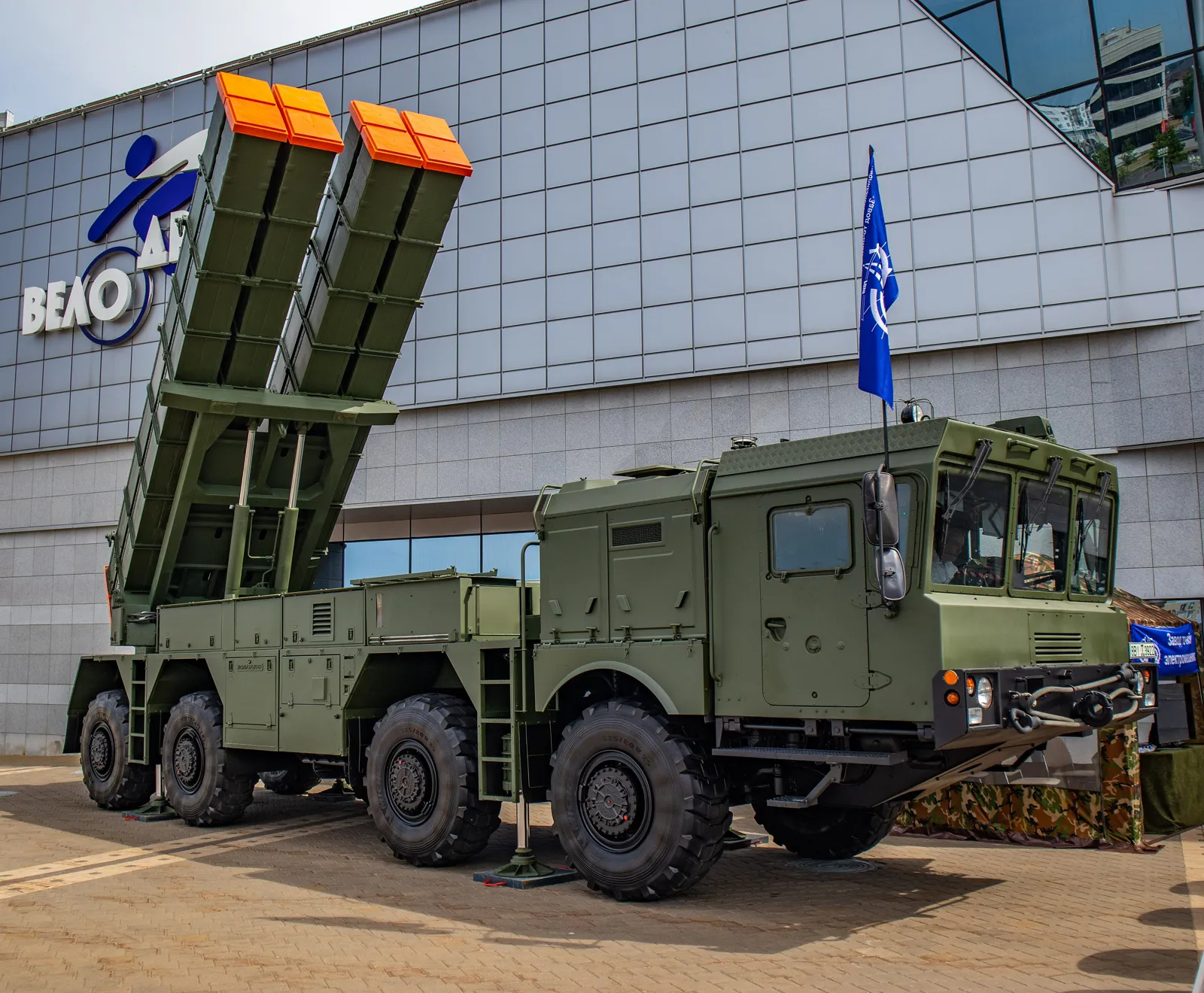
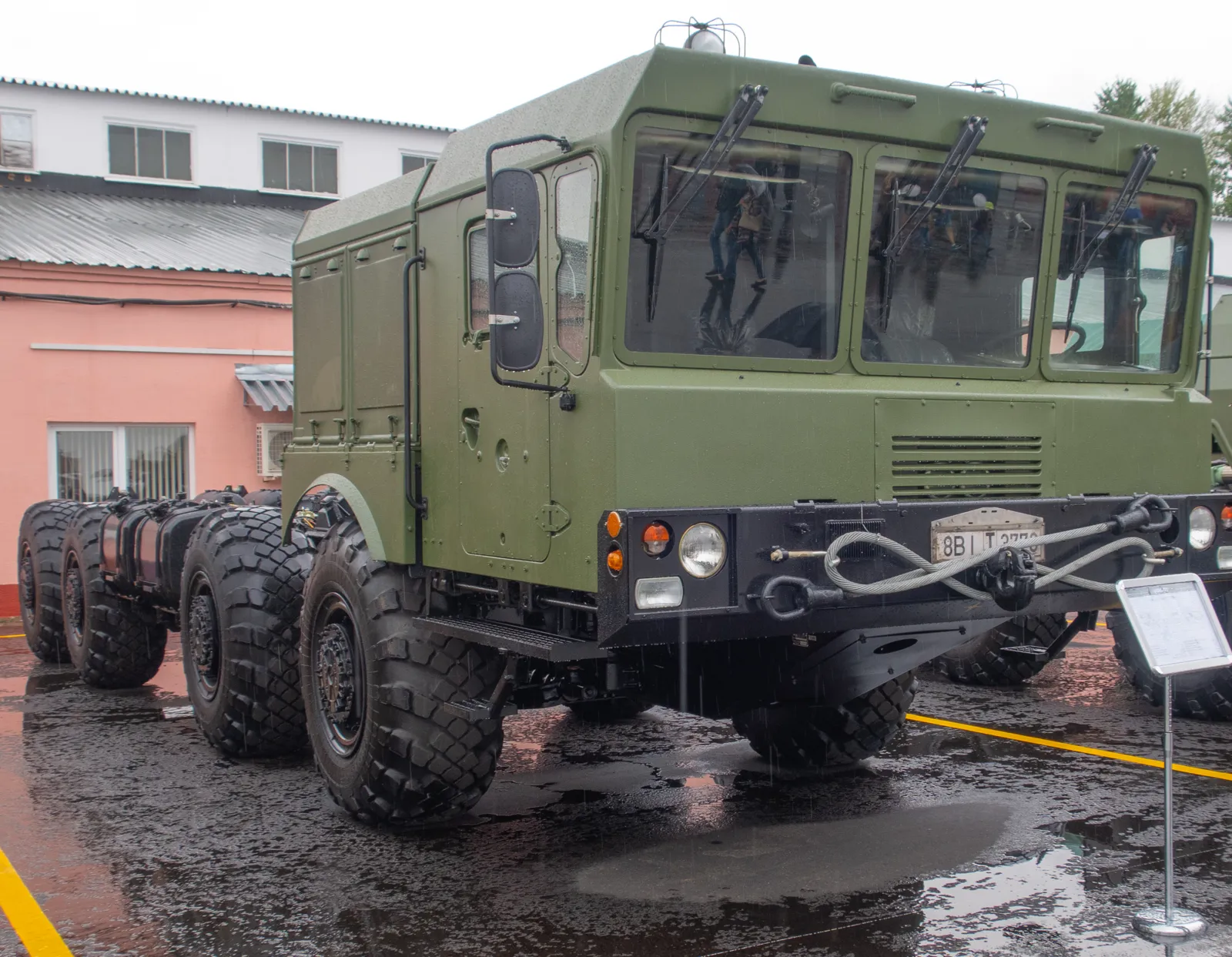
The country’s defence industry does not build complete platforms, but it holds real expertise in sub-systems and chassis. The Minsk Wheeled Tractor Plant (MZKT) produces the heavy chassis used under the Russian Army’s Topol-M and Yars intercontinental missile launchers. KB Radar builds electronic-warfare and radar systems, Tetraedr modernises legacy Soviet air-defence systems, and Peleng produces electro-optical sights. These products are exported through Belspetsvneshtechnika. The Polonez rocket launcher, made possible by cooperation with China, stands out as the single domestic item that took the country into the long-range artillery field.
The post-2022 transformation of the inventory is explained by geopolitical choice rather than procurement line items. The S-400 air-defence system and the Iskander-M tactical ballistic missile system were received from Russia, part of the Yak-130 trainer fleet was modified for a tactical nuclear role, and in 2023 Minsk announced that Russian tactical nuclear weapons had been deployed to the country. The picture indicates that Belarus grounds its deterrence less in its own platforms than in the joint structure it has built with Russia.
Land Forces Inventory
| System type | Est. quantity |
|---|---|
| Main battle tanks (T-72B and modernised T-72BME; T-80s withdrawn) | ≈ 530 |
| Armoured fighting vehicles (BMP-2, BTR-70/80/82A, indigenous V-1 Cayman reconnaissance vehicles) | ≈ 1.500 |
| Howitzers — self-propelled and towed (2S1 Gvozdika, 2S3 Akatsiya, 2S5 Giatsint-S, 2S9 Nona, D-30, 2A65 Msta-B) | ≈ 550 |
| MLRS (BM-21 Grad, BM-27 Uragan, BM-30 Smerch and indigenous Polonez / Polonez-M) | ≈ 230 |
Air Force Inventory
| Platform | Est. quantity |
|---|---|
| Total military aircraft | ≈ 200 |
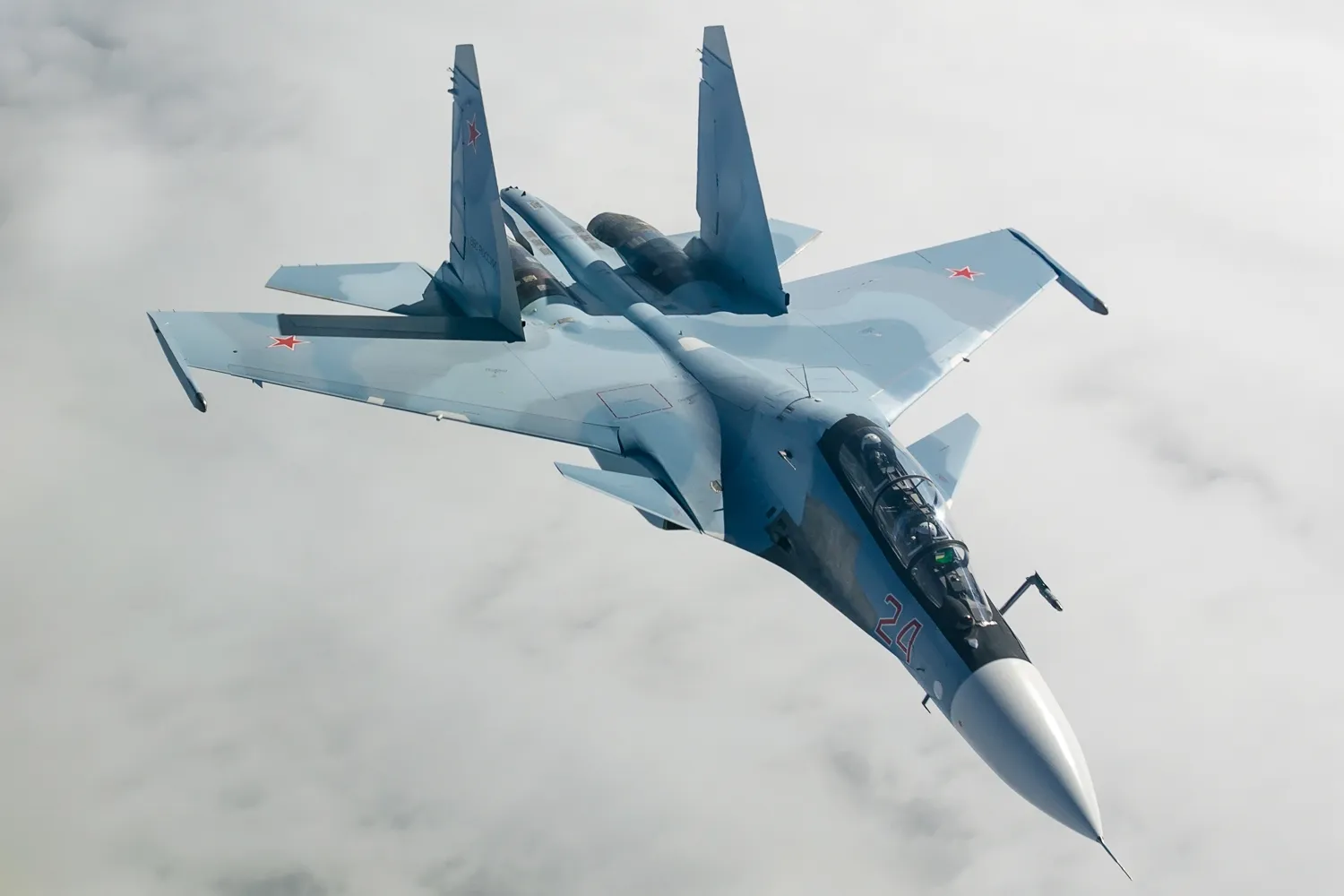
| Fighters (MiG-29 and modernised MiG-29BM; 12 Su-30SM received in 2019-2021) | ≈ 40 |
| Attack and trainer aircraft (Su-25, Yak-130 — the Yak-130 was modified for a tactical nuclear role) | ≈ 45 |
| Helicopters (Mi-24 / Mi-35M, Mi-8 / Mi-17, Mi-26) and transports (Il-76MD, An-26) | ≈ 90 |
Missile and Air-Defence Systems
| System | Type / Note |
|---|---|
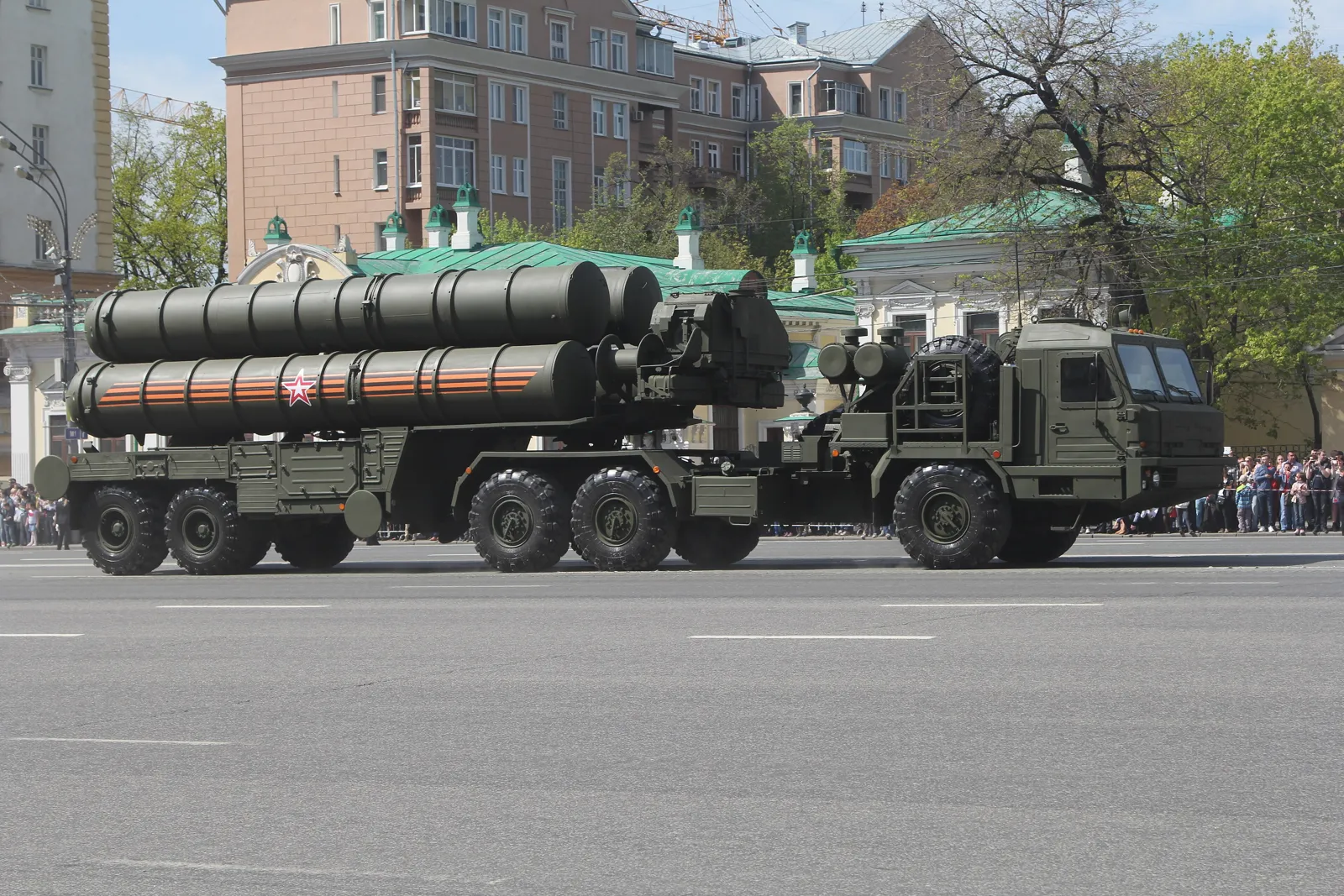
| S-400 Triumf (received from Russia in 2022-2023) | The upper tier of long-range air defence |
| S-300PS / PT, Buk-MB, Tor-M2 and the indigenous Tetraedr T-38 Stilet (modernised S-125) | The layered medium- and short-range backbone |
| Iskander-M tactical ballistic missile system (2022-2023) | Range in the 500 km band; the most significant strike capability received from Russia |
| Polonez and Polonez-M MLRS (developed with Chinese A-200 / A-300 rocket technology) | 200-300 km range; the country’s export-oriented flagship system |
Naval Power
| Class / Type | Est. quantity |
|---|---|
| Naval force status | Landlocked — no coastline and no navy |
| River and lake element | No separate flotilla; border waters are patrolled by the State Border Committee’s patrol craft |
| The maneuver element that substitutes for naval power | The Air Assault Forces (103rd and 38th brigades) and special operations units |
| Frigates / corvettes / submarines | None |
The Turkey Angle: Turkish Defence Industry
There is no concluded defence procurement contract between Turkey and Belarus, and the realistic way to read the relationship is to see Belarus as a competing producer rather than a potential customer. The items at the centre of Belspetsvneshtechnika’s exports overlap directly with Turkish defence export lines: the Polonez launcher meets ROKETSAN’s long-range missile and rocket family, Tetraedr’s service of modernising legacy Soviet air-defence systems meets ASELSAN’s air-defence and modernisation solutions, and KB Radar’s electronic-warfare systems compete in the same markets as ASELSAN’s KORAL family. The difference in scale is clear: while Turkish defence and aerospace exports have reached the 7-billion-dollar band annually, Belarusian defence exports remain at a level of a few hundred million dollars.
The concrete case where the two countries’ products actually stand side by side is Azerbaijan. In 2018 Baku acquired Polonez launchers and the Tetraedr-built T-38 Stilet air-defence system from Belarus; the same army went on to use the Bayraktar TB2 in the 2020 Karabakh war. That picture shows how the two suppliers intersect in the post-Soviet market. Over the same period, countries traditionally tied to the Russian-Belarusian supply chain — Turkmenistan and Kyrgyzstan among them — moved to Bayraktar TB2 inventories, which makes clear how decisively the competition in unmanned aircraft has turned in Turkey’s favour; the Belarusian Busel and Burevestnik programmes never reached that scale.
Expecting a procurement relationship in the short term is not realistic. CSTO membership, the joint air-defence structure under the Union State framework with Russia, and Western sanctions deepening since 2020 structurally block third-country platforms from entering the Belarusian inventory. The two countries will nonetheless keep touching one another in export markets. One comparison is worth noting: Russia still depends on MZKT in Belarus for the heavy chassis of its intercontinental missile launchers, whereas Turkey builds the carrier vehicles for its own missile and air-defence systems at home. Localisation of the supply chain at that level translates directly into delivery assurance in export competition.
Frequently Asked Questions
How many tanks does Belarus have? Belarus has roughly 530 main battle tanks in its inventory. Almost all are T-72Bs inherited from the Soviet era, part of them modernised to the T-72BME standard. The T-80s that were in the inventory after independence have been withdrawn from service and largely exported. Belarus does not manufacture tanks, but its armoured-vehicle overhaul and modernisation plants hold a capacity that also serves the export market.
Which combat aircraft does Belarus operate? The backbone of its fighter force consists of MiG-29s and their modernised MiG-29BM variants, joined by 12 Su-30SMs delivered from Russia between 2019 and 2021. The attack role is carried by Su-25s; Yak-130s serve in both the advanced training and light attack roles, and part of the fleet was modified for a tactical nuclear mission. Transport is handled by Il-76MD and An-26 aircraft.
Does Belarus have nuclear weapons? Belarus has no nuclear weapons of its own. It returned the strategic warheads inherited from the Soviet Union to Russia in 1996. A 2022 constitutional amendment removed the country’s non-nuclear status clause, and in 2023 both Minsk and Moscow announced that Russian tactical nuclear weapons had been deployed to the country. Control over those warheads is stated to remain with Russia; the delivery platforms cited are Iskander-M missiles and modified Yak-130 aircraft.
Does Belarus have a navy? No. Belarus is landlocked, has no coastline and therefore no naval command. Control of river and lake waters is provided by patrol craft under the State Border Committee. The place of conventional naval assets is taken by rapid manoeuvre formations such as the Air Assault Forces and the Special Operations Forces.
Is there defence cooperation between Belarus and Turkey? There is no concluded procurement contract. Belarusian CSTO membership and the joint air-defence structure with Russia structurally block third-country platforms from entering the inventory. The two defence industries compete in third markets in rocket artillery, air-defence modernisation and electronic warfare; Azerbaijan, which fields both the Belarusian-built Polonez and the Turkish-built Bayraktar TB2, is the clearest example.
Bottom Line
Belarus is a military defined as much by whom its inventory depends on as by the inventory itself. On paper it has 530 tanks, around 200 aircraft and a dense air-defence layer; yet the upper tier of its deterrence — from the S-400 and Iskander-M to tactical nuclear warheads and the joint air-defence structure — rests on the relationship with Russia. Its own strengths are narrow but real: the Polonez launcher, MZKT heavy chassis, Tetraedr’s air-defence modernisation and KB Radar’s electronic-warfare systems. The weak links are an ageing tank and aircraft fleet, a limited budget and a landlocked geography. For Turkey, Belarus is not a market but a competitor encountered in export markets — assertive in a narrow field of expertise, but behind in scale and in integrated industrial base.