ASELSAN and Roketsan Sign €1.28 Billion Missile Data-Link and Seeker-Head Contract

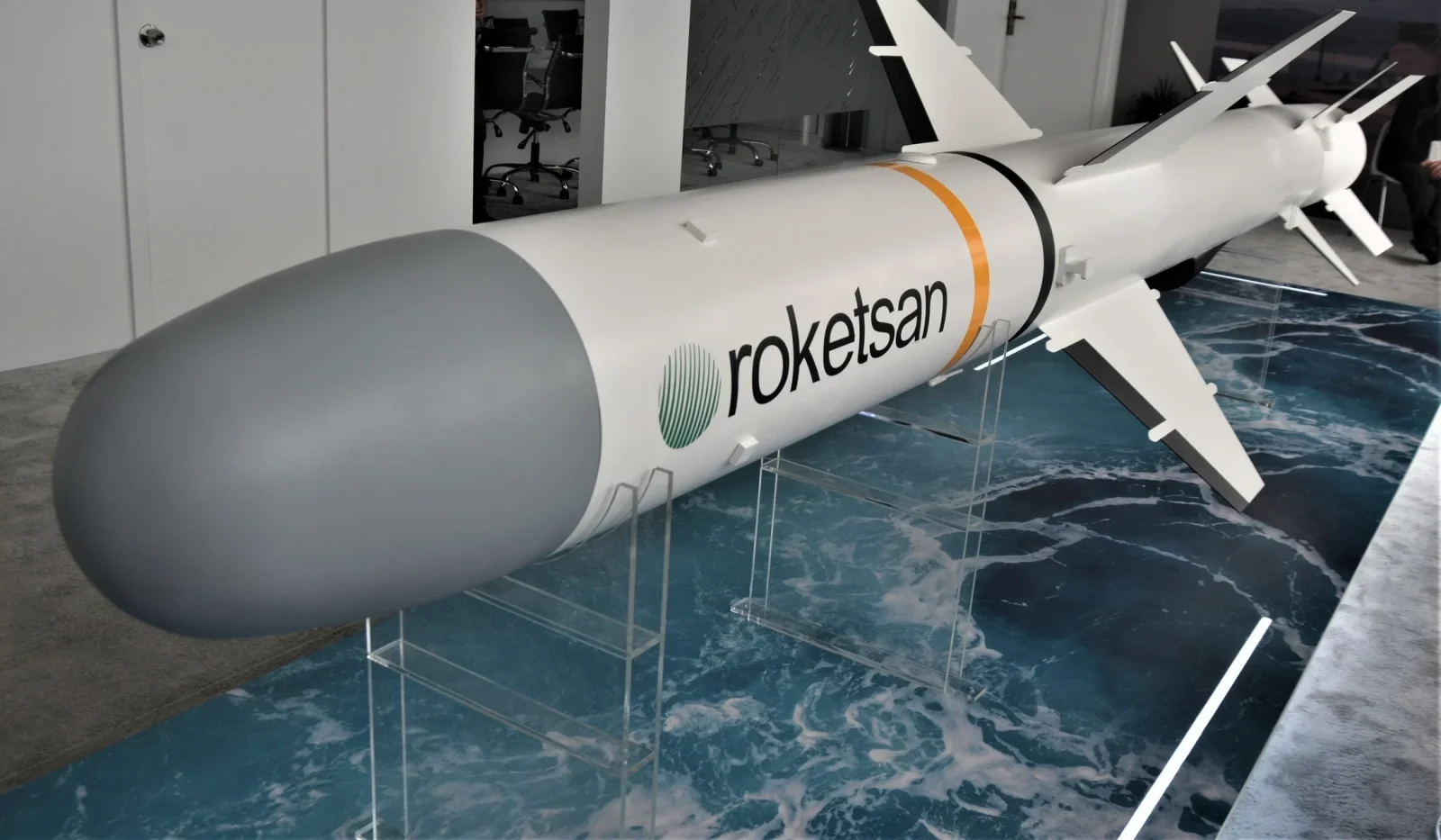
ASELSAN has disclosed to Turkey’s Public Disclosure Platform (KAP) that it has signed contracts worth a combined €1,281,101,744 with Roketsan for the supply of missile data-link and seeker-head systems. The filing, dated 16 November 2026, lists the same day as the contracts’ effective start date.
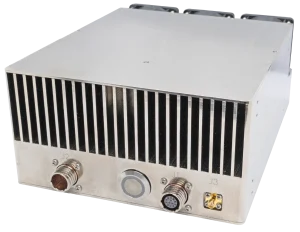
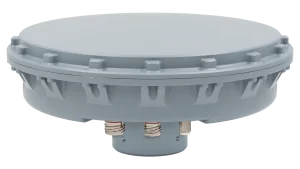
The scope covers two technology layers that sit at the heart of any guided missile: data-link systems that let a missile receive updated target information mid-flight and correct its course accordingly, and seeker heads, the sensor package that lets a missile acquire and lock onto its target. In practice, Roketsan builds the airframe and propulsion, while ASELSAN supplies the guidance and sensing layer — the “eyes and brain” of the weapon.
The disclosure does not specify which missile family the contracts cover. But the filing fits a pattern of recurring, large-value agreements between the two companies this year: a €1,234,210,000 contract for air-defence subsystems was disclosed on 23 September 2026, and an earlier €591 million contract amendment was also reported to KAP. Taken together, these filings suggest the ASELSAN–Roketsan supply relationship has moved from occasional large orders to a recurring, serial-production-scale flow.
Because the agreement is between two domestic companies, it is not booked as an export contract; it reflects internal supply-chain activity rather than new foreign revenue. Even so, the size of the sum illustrates how much of Turkey’s guided-munitions production now stays onshore: both the seeker head and the data link — arguably the two most sensitive subsystems of a missile — are designed and integrated domestically by two specialised Turkish firms rather than imported.
ASELSAN’s guidance and sensing portfolio spans electro-optical, radar and infrared seeker technologies, supporting products such as the HİSAR family of air-defence missiles, the SOM cruise missile, and guidance kits for various air-to-air and air-to-surface munitions. Roketsan, for its part, produces airframes and propulsion for munitions ranging from weapons developed for the KAAN fighter programme to subcomponents of the SİPER long-range air-defence system. The cross-dependency between the two firms’ supply chains illustrates how integrated Turkey’s domestic missile industry has become.
ASELSAN (ticker: ASELS), listed on Borsa Istanbul, regularly discloses such material contracts through KAP. The company’s 2026 contract volume with the Presidency of Defence Industries and various foreign end-users has already reached into the billions of euros; the 16 November agreement adds another large entry to its order book heading into year-end.
No delivery schedule or unit quantities were disclosed. Contracts of this type and size are typically executed through multi-year production programmes with staggered deliveries rather than a single lump-sum transaction — meaning the headline figure likely represents several years of planned output rather than a one-off shipment.
For analysts tracking Turkey’s defence-industrial base, the recurring nature of these ASELSAN–Roketsan filings — three similarly sized contracts disclosed within roughly two months — is itself a data point: it points to a missile programme, most plausibly in the air-defence segment, that has moved into a sustained production phase rather than prototype or low-rate initial production.
Sources
Turkey’s Public Disclosure Platform (KAP) — ASELSAN (ASELS) material disclosure, “Supply of Missile Data-Link and Seeker-Head Systems with Roketsan,” 16 November 2026, kap.org.tr — the contract value and parties are drawn from this filing.