How Do TUALCOM’s Telemetry and Flight Termination Systems Work? Inside Missile Test Infrastructure

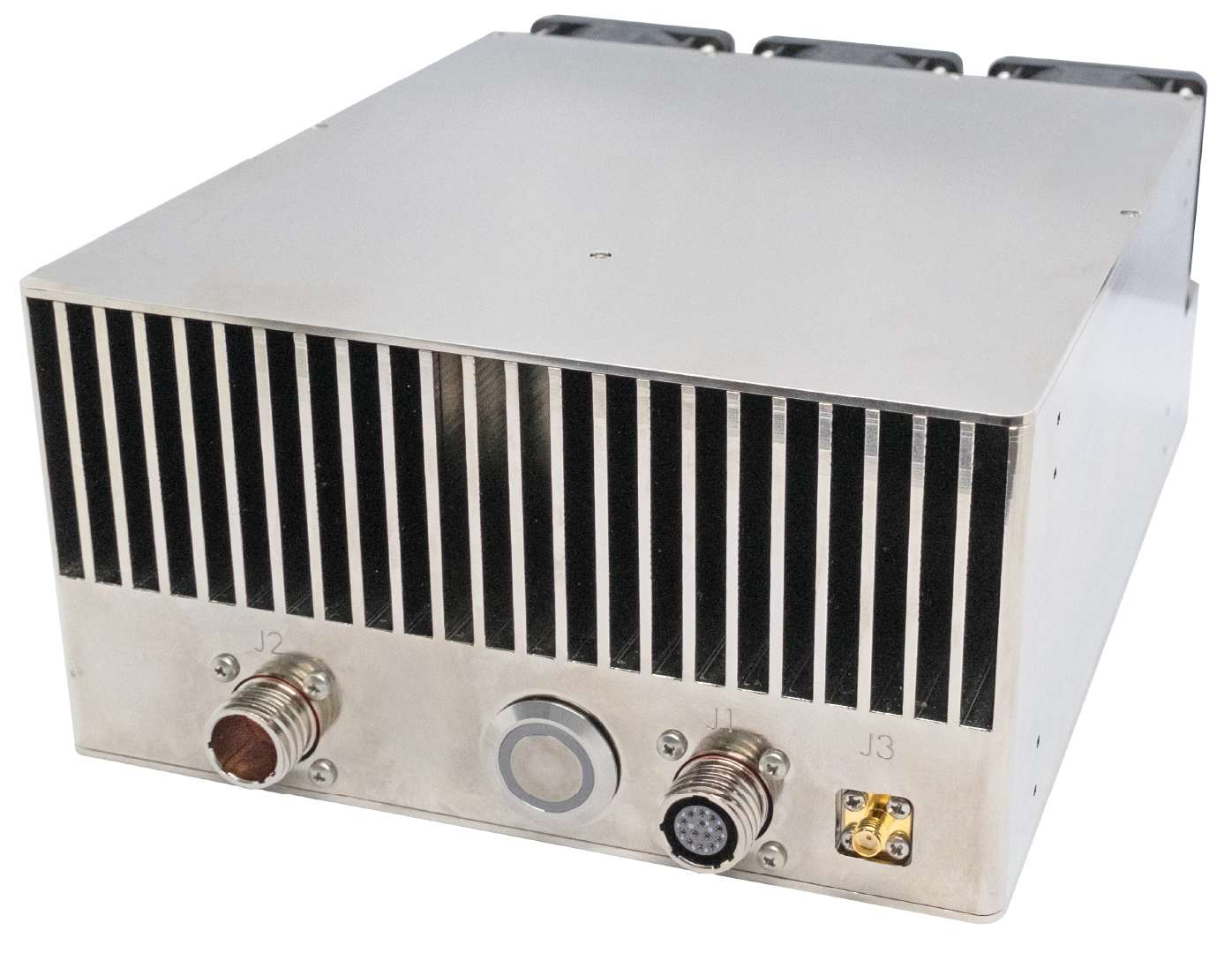
Turkish defense electronics company TUALCOM supplies two critical pieces of missile, rocket and UAV test infrastructure from a single source: telemetry systems that stream flight data in real time (the TUALRX receiver, ultra-small transmitters and the stackable iDAQ data acquisition unit) and flight termination systems (FTS) that safely stop a vehicle if a test goes out of control. According to the company’s official site, these products have accumulated substantial operational flight time on demanding platforms such as missiles and rockets.
Telemetry: the data artery of flight testing
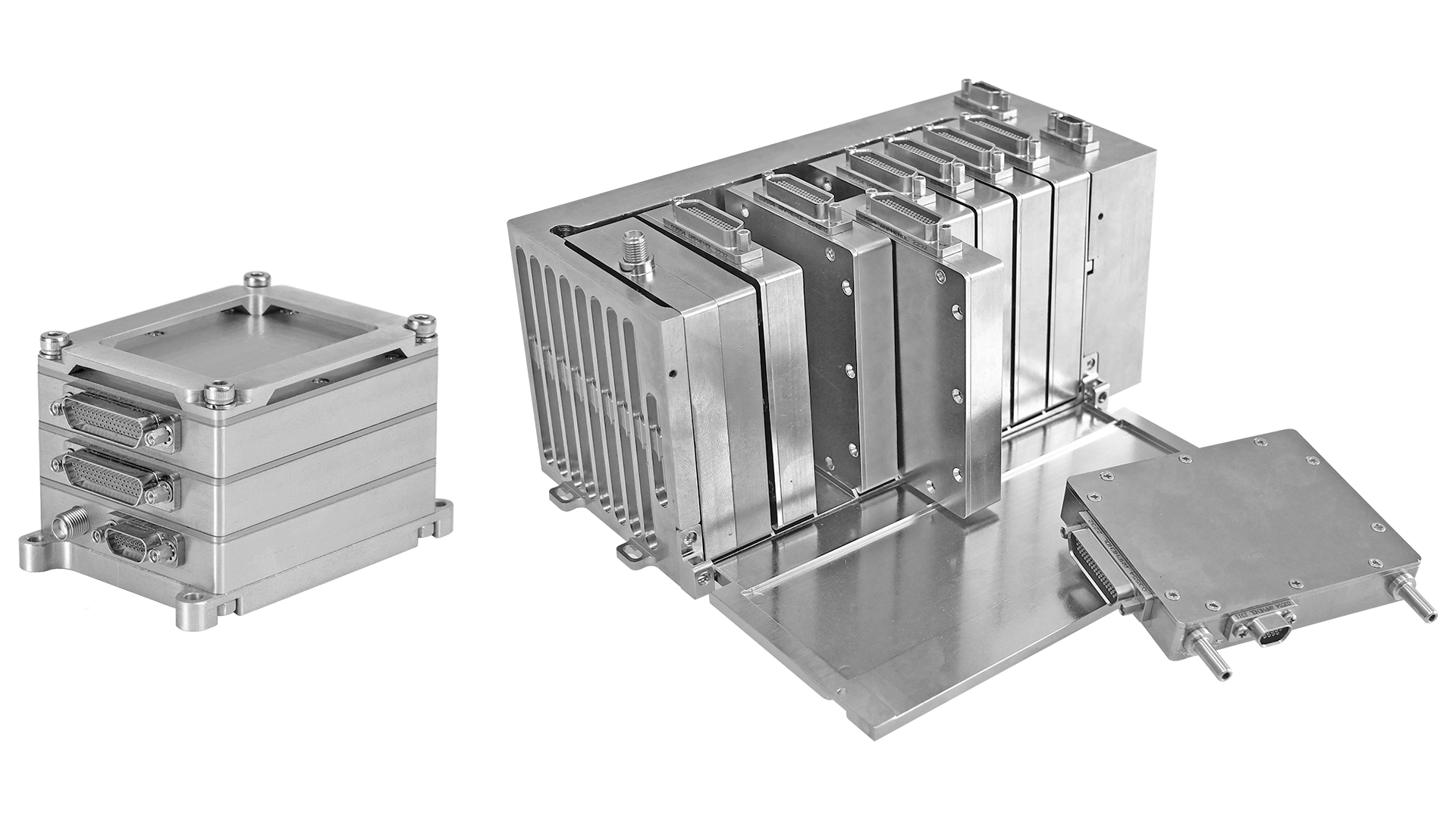
In a flight test, the readings of hundreds of sensors on the platform stream down to the ground in real time; engineers track the progress of the test through that data. TUALCOM’s telemetry family comprises three products:
| Product | Role | Notable features |
|---|---|---|
| TUALRX Telemetry Receiver | Data reception on the ground segment | S band; data rates up to 20 Mbps; Ethernet output; real-time graphical user interface (GUI); compact field installation |
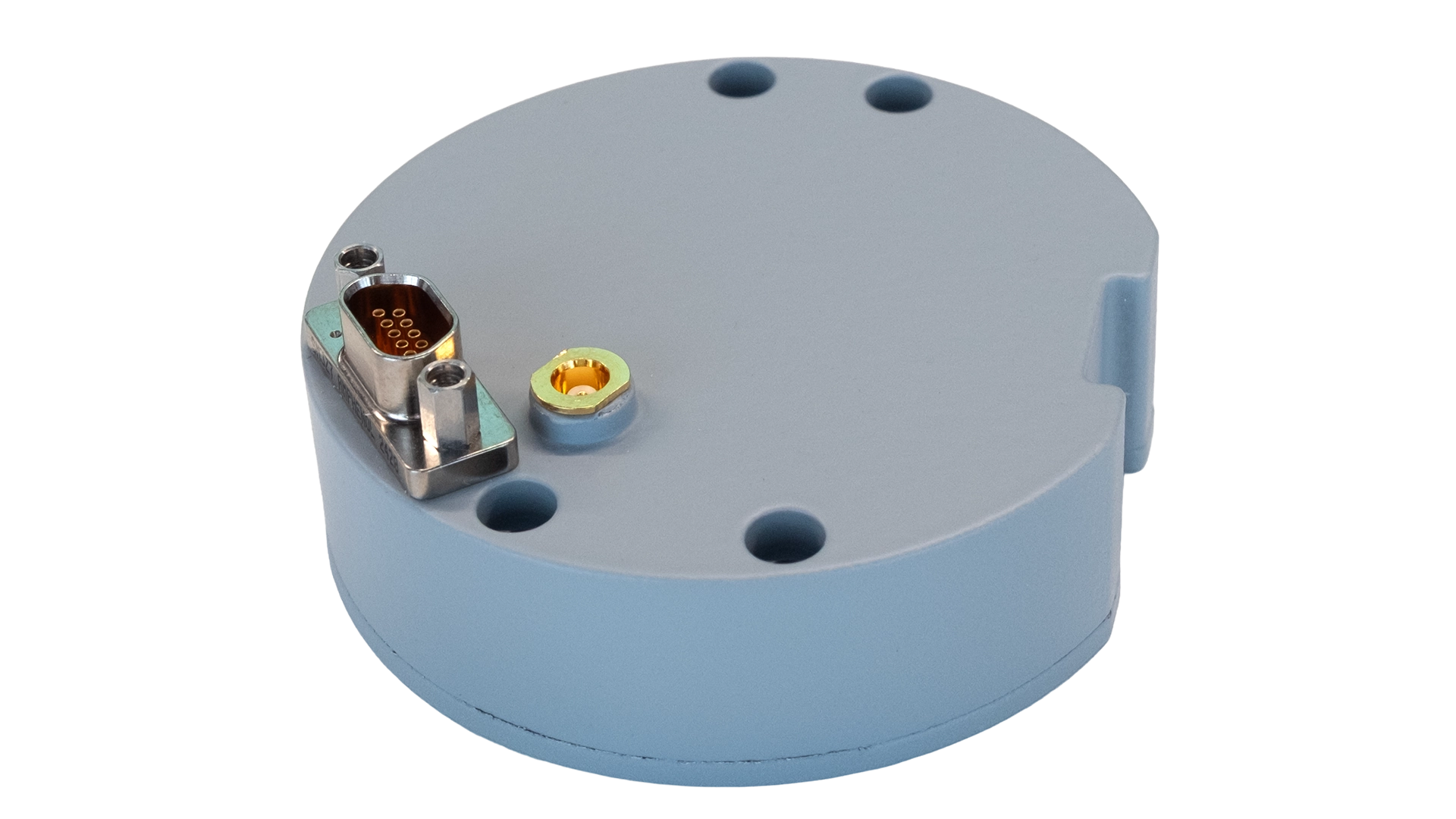
| Telemetry Transmitters | Data transmission from the platform | Ultra-small IRIG-106-compliant SDR modules; a choice of RF output power levels; optional encryption, FEC and randomizer; external encoded-frame transmission or internal PCM encoder mode |
| iDAQ Data Acquisition | Collection of sensor data | Stackable modular design; flexible configuration with different module options; for flight control testing |
The transmitter family is offered in 2 W and 10 W output models, chosen by range requirement. Combining the telemetry and data acquisition functions in a single unit saves space on platforms such as missile bodies, where volume is measured in millimeters.
Flight termination: the last line of range safety
If a missile or rocket strays off course during a test, it risks heading toward populated areas; range safety doctrine requires that the flight can be terminated by command from the ground. TUALCOM’s three-component solution works as follows:
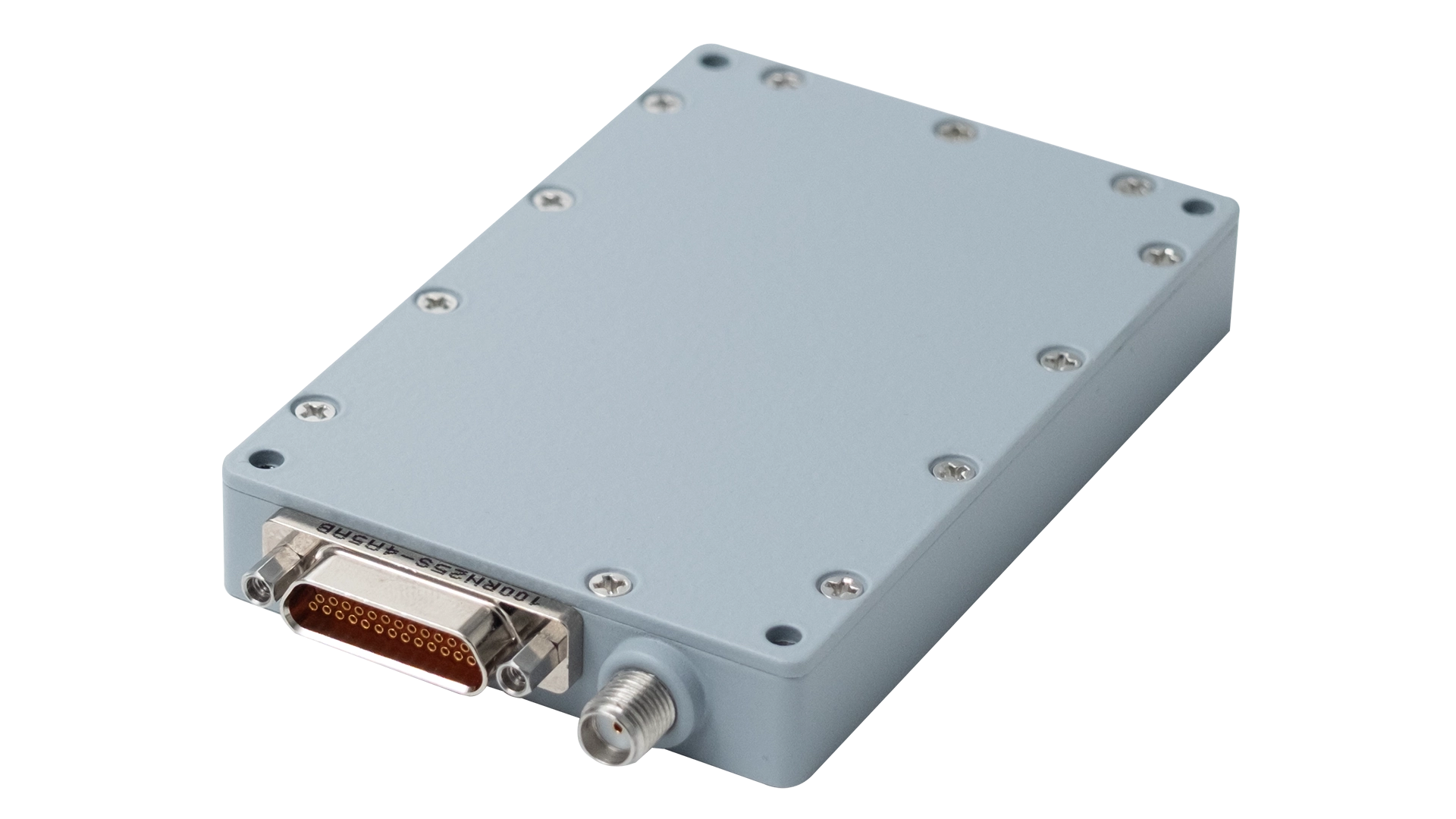
- Flight Termination Transmitter: On command from a control console or PC software, it generates FM termination commands using assigned IRIG tones on a programmable center frequency in the 390-450 MHz range; it can be integrated with high-power amplifiers (HPA) at mobile and fixed ground stations.
- Flight Termination Receiver: A programmable superheterodyne receiver on the vehicle; it decodes sequences of 3-4 tones out of 20 IRIG tones and issues command outputs to the termination devices. The tone-sequence structure is a layer of protection against accidental or malicious triggering.
- Flight Termination System: A fully redundant architecture with redundant command consoles, signal generators, power amplifiers, an antenna switching unit and antennas. The operator can switch between the redundant channels instantly.
The company says the products’ software-defined radio (SDR) infrastructure allows customer-specific telecommand structures to be implemented.
Who uses them?
The company does not publicly share a customer list; it states that the products have accumulated operational flight time on missile and rocket platforms. Turkey’s intensifying missile test calendar — the ATMACA, TAYFUN and SİPER programs and TÜBİTAK SAGE’s work — creates steady domestic demand for this product class. Established global manufacturers in the field include Safran Data Systems (France), Curtiss-Wright (US) and Kratos (US).
Frequently asked questions
What is TUALRX?
TUALCOM’s compact flight test telemetry receiver; it operates in the S band and supports data rates up to 20 Mbps.
Which standard do the telemetry transmitters follow?
They are SDR-based units compliant with the IRIG-106 flight test telemetry standard, offering optional encryption and FEC.
Why is a flight termination system necessary?
Safely ending a flight by ground command when a test vehicle strays off course is a mandatory requirement of range safety rules.
On what frequency is the termination command sent?
TUALCOM’s transmitter uses a programmable center frequency in the 390-450 MHz range.
What is an IRIG tone?
Audio-frequency tones defined in US range safety standards; termination commands are encoded as sequences of 3-4 tones selected from a set of 20.
Who uses these systems?
The company does not disclose a customer list; it states the products have accumulated flight time in missile and rocket testing.
Sources and verification note
- TUALCOM official telemetry and flight termination product pages — TUALRX, the transmitter family, iDAQ and FTS component details
- SSB 2026 Product Catalogue — the 20 Mbps, 390-450 MHz, 20-IRIG-tone and redundant-architecture figures
Customer and program names are not disclosed by the manufacturer, and none have been inferred here; the reference to Turkish missile programs is context on the product’s market and asserts no supply relationship.