Polymer Stocks on Shotguns: The Material Science Behind Them

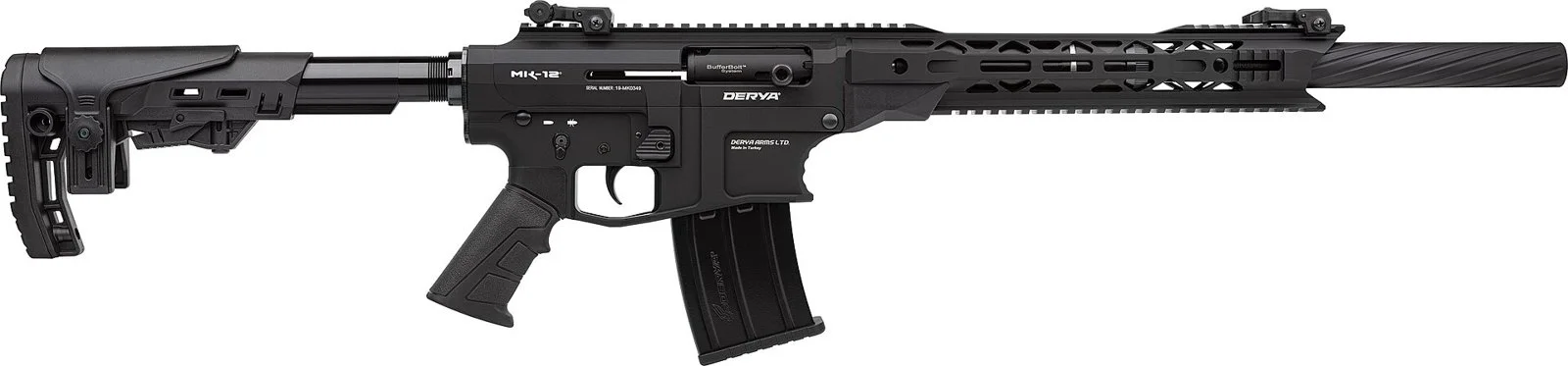
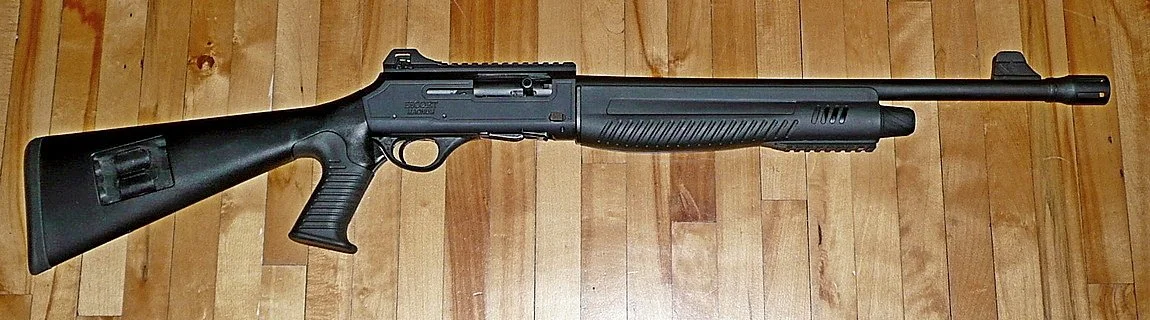
For most of shotgun history, the stock and forend were cut from dense hardwoods — walnut above all — prized for their weight, grain, and feel. Starting in the second half of the 20th century, synthetic stocks molded from fiberglass-reinforced nylon and similar engineering polymers began appearing on tactical and hunting shotguns, and today they’re common on models built for rough weather and hard use.
This page looks at what polymer stocks are actually made of, how they stack up against wood in practical terms, and the general logic behind the surface-coating technologies that protect a shotgun’s metal parts from corrosion and wear.
Last updated: September 20, 2026 · Envanter Medya editorial team
- Polymer stocks are molded from fiberglass-reinforced engineering plastics
- They resist humidity and temperature swings better than wood, and are typically lighter
- Wood still offers a traditional look and a distinct natural balance and feel
- Modern coatings — water- and stain-resistant finishes, for example — improve corrosion resistance on metal parts
- Metal components may use aluminum alloys or hardened steel depending on the part
- The right material depends on the environment a gun is used and stored in, not on one being objectively ‘better’
What is a polymer stock, and why use one?
A polymer stock is typically molded from nylon-based engineering plastic reinforced with glass fiber or, less commonly, carbon fiber. Compared with wood, this material resists swelling, cracking, and warping from moisture; it’s usually lighter, and it’s easier to mold with consistent dimensions across a production run — meaning every stock coming off the line matches the others far more closely than hand-fitted wood ever could.
Those traits are why polymer stocks have become a common choice on shotguns built for harsh weather — rain, high humidity, extreme heat or cold — and on guns that spend long stretches outdoors, whether in a truck rack or a field bag.
Polymer versus wood: a side-by-side comparison
| Property | Polymer (Synthetic) | Wood (e.g. walnut) |
|---|---|---|
| Moisture resistance | High | Moderate — needs upkeep |
| Weight | Usually lighter | Varies by model, generally heavier |
| Dimensional stability | High — little change with temperature/humidity | Can swell or warp over time |
| Aesthetics/tradition | Modern, plain look | Traditional, natural grain |
| Maintenance needs | Low | Periodic oiling/finishing may be needed |
| Impact resistance | Generally high | Depends on wood quality, can crack |
Material technology in the metal parts
Shotgun barrels and receivers are typically made from various steel alloys, chosen for strength, or from aluminum alloys where weight matters more. Which material goes where is an engineering decision made by the manufacturer based on the part’s job — a barrel has to withstand internal pressure, while some receiver components prioritize being light. It isn’t a simple ranking of one metal as ‘better’ than another; it’s a set of trade-offs.
Surface coating technologies
Modern shotguns use a range of coating technologies to protect metal surfaces from corrosion and wear. Some manufacturers apply water- and moisture-resistant finishes, others use coatings designed for a low-friction surface. All of these coatings share the same basic goal — improving the metal’s resistance to rust and scratching — and the manufacturer’s owner’s manual should always be the final word on specific care instructions.
Which material suits which shooter?
For hunters who spend time in wet or humid regions, or who carry a shotgun outdoors for long stretches, a polymer stock’s low maintenance requirement can be a genuine practical advantage. For shooters who value traditional aesthetics and don’t mind regular upkeep, a wood stock remains a preferred option. None of this is a purchase recommendation — material choice comes down to personal preference and how the gun is actually used and stored.
- Polymer stocks can still fade in color after long-term direct UV exposure; avoid storing a shotgun in direct sunlight for extended periods.
- Wood stocks need periodic oiling or finishing per the manufacturer’s recommendation.
Frequently Asked Questions
What is a polymer shotgun stock?
A synthetic material, typically molded from fiberglass-reinforced engineering nylon, used for a shotgun’s stock and forend.
Is a polymer stock more durable than wood?
It’s generally considered more resistant to moisture, temperature swings, and dimensional change — but ‘more durable’ depends on how the gun is used; it isn’t a blanket claim of superiority.
Why do shooters still prefer wood stocks?
Traditional looks, a distinctive natural balance and feel, and personal preference keep wood stocks in production and in demand; with regular maintenance, they can last for decades.
Do polymer stocks degrade over time?
Quality engineering polymers are generally long-lasting, though extended direct UV exposure can cause fading; storage in line with the manufacturer’s guidance is recommended.
What do surface coating technologies actually do?
They’re specialized finishes applied to metal parts to improve resistance to corrosion, moisture, and wear; exact care instructions should come from the manufacturer’s manual.
Are carbon fiber shotgun parts common?
Some modern models use carbon-fiber-reinforced parts to cut weight, but it isn’t yet as common as wood or standard polymer in shotguns.
Are polymer-stocked shotguns lighter overall?
As a general trend, polymer stocks can be lighter than wood, but the exact weight difference depends on the model’s design and its metal components.
Editorial note: This is technical journalism, not purchase or maintenance advice; always follow your manufacturer’s owner’s manual and an authorized service technician.
Bu içeriğin orijinal Türkçe versiyonu için: Türkçe sayfayı okuyun.