





Pentagon signs three new firms for cheap cruise missiles: Barracuda-500, RAACM and Rusty Dagger

The U.S. Air Force has signed framework agreements with Anduril, CoAspire and Zone 5 Technologies to move low-cost, air-launched cruise missiles toward mass production.
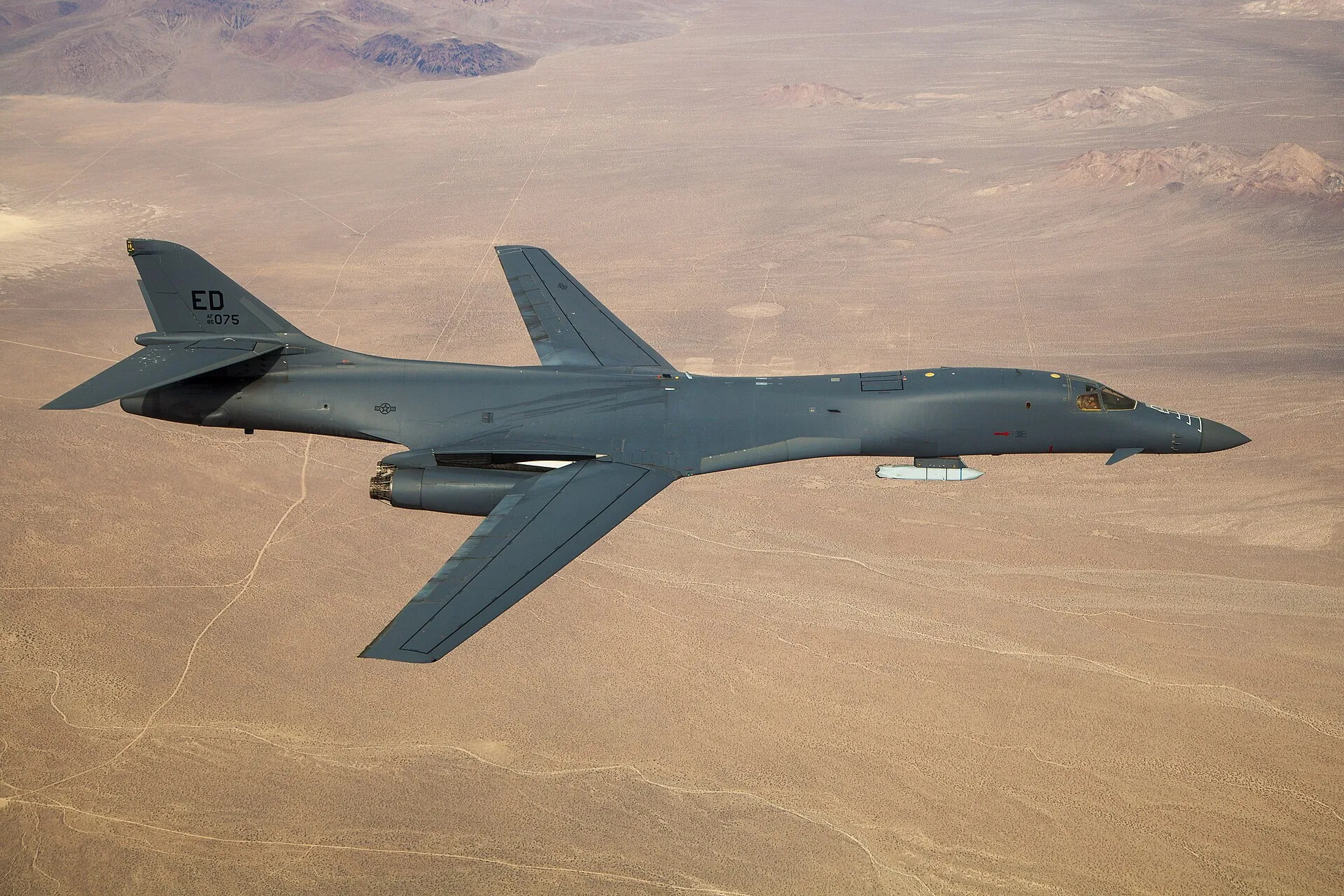
Representative image: Air-launched cruise missile (representative)
In framework agreements announced on 15 July 2026, the U.S. Department of Defense added three new suppliers to its drive for affordable, mass-producible air-launched cruise missiles. The deals cover Anduril’s Barracuda-500, CoAspire’s RAACM (Rapidly Adaptable Affordable Cruise Missile) and Zone 5 Technologies’ Rusty Dagger.
The contracts fall under the Air Force-led Family of Affordable Mass Missiles (FAMM) program, part of a strategy to shift work once reserved for expensive precision munitions onto weapons that can be built at a far lower unit cost.
At a Glance
- Date: 15 July 2026 · Body: U.S. Air Force / Department of Defense
- Program: FAMM (Family of Affordable Mass Missiles)
- Firms/products: Anduril — Barracuda-500 · CoAspire — RAACM · Zone 5 — Rusty Dagger
- Target output: up to 8,000 FAMM rounds per year across variants and vendors
- Anduril’s deal runs seven years; deliveries begin in 2027
Scope of the deal
The Air Force intends to buy up to 8,000 FAMM rounds a year across two variants and competing vendors. Anduril said its framework agreement runs seven years, with deliveries starting in 2027.
The new agreement complements the Low-Cost Containerized Missiles effort announced in May 2026, which tapped the same three firms plus Leidos. That parallel, Army-led program targets ground-launched affordable missiles, while the FAMM deals focus on air-launched variants.
Why cheap missiles?
The wars in Ukraine and Iran exposed a cost imbalance that pushed planners to rethink the math: interceptors worth millions were being spent against targets costing a few thousand dollars. The FAMM approach aims to build a munitions stockpile with real numerical depth.
The rise of newer entrants is notable. Relatively young firms such as Anduril, CoAspire and Zone 5 broaden the industrial base beyond the traditional missile primes.
Regional and strategic meaning
The affordable-cruise-missile approach is more than a procurement choice; it is an attempt to rewrite the math of deterrence. A stockpile built on a small number of expensive, precise munitions drains quickly in an intense, sustained conflict. Programs like FAMM foreground a ‘mass munitions’ logic — high volume and attritable — that turns industrial output into a strategic advantage.
The trend resonates across the NATO front and among allied defence industries, Turkey included. For countries running indigenous cruise-missile and smart-munition programs, the question shifts from the range or accuracy of any single system toward the capacity to build such systems quickly, cheaply and at scale. The depth of the production line is increasingly a deterrent in its own right.