Australia Picks Henderson for AUKUS Submarine Sustainment in $12 Billion Push

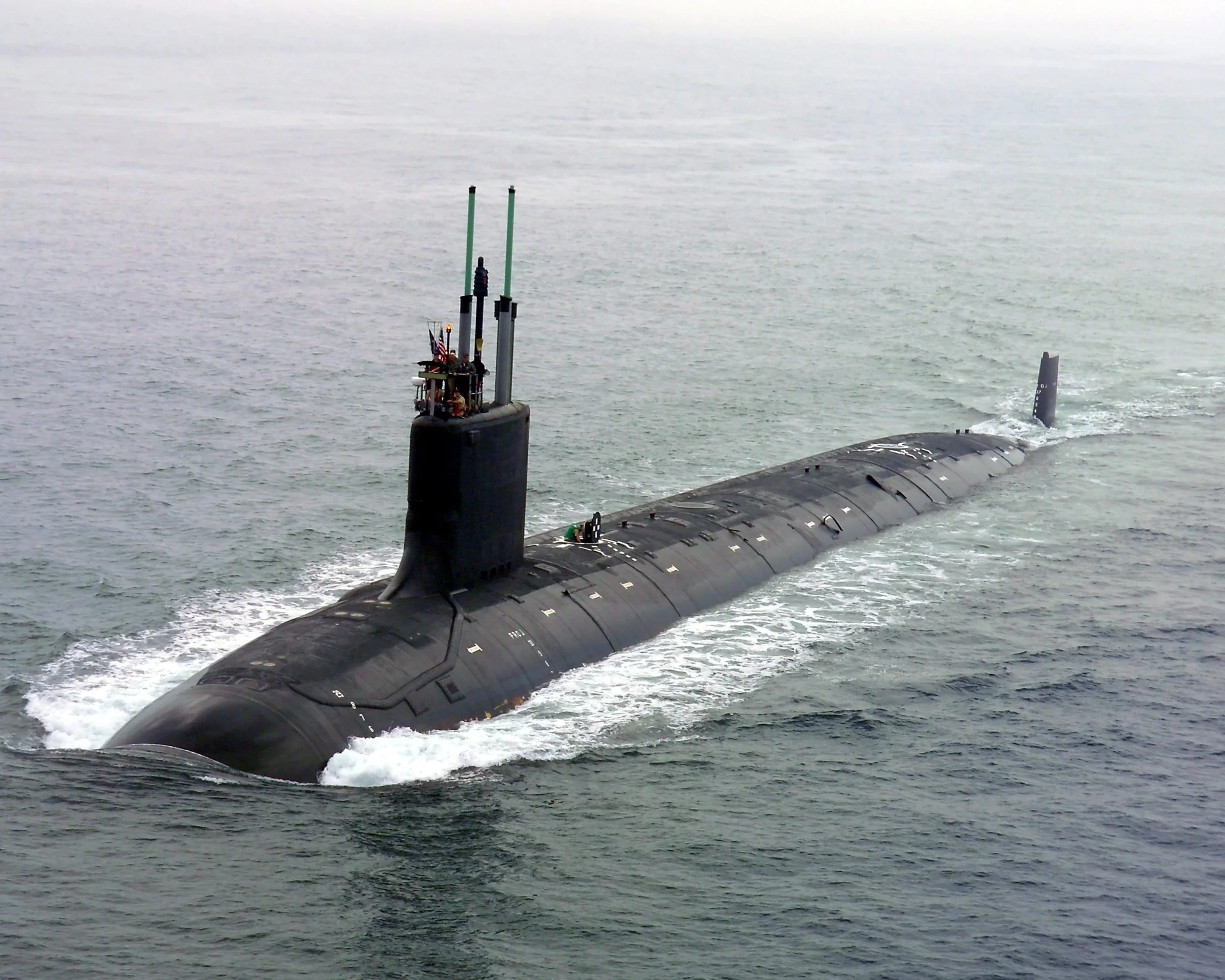
Australia has settled the location of the yard that will maintain its future nuclear-powered submarines. On 24 August 2026 the federal government and the Western Australian state government released the site layout for a new Defence Precinct at Henderson, south of Perth.
The plan sets out preferred locations for continuous naval shipbuilding and sustainment, and for maintaining the conventionally armed, nuclear-powered submarines Australia expects to operate under AUKUS. Canberra has committed roughly $12 billion to the precinct, which is projected to support 10,000 direct jobs in Western Australia over two decades.
What gets built
Henderson is designed as a cluster rather than a single facility. The layout covers a floating dry dock and contingency maintenance capacity, future depot-level maintenance facilities and graving docks, large-vessel construction halls for landing craft and frigates, and a modernised sustainment yard for the future surface combatant fleet.
Infrastructure is the critical path
AUKUS Pillar One runs in three stages: rotational presence of US and UK submarines in Western Australia from 2027, the transfer of Virginia-class boats in the early 2030s, and eventual construction of the jointly designed SSN-AUKUS.
The fragile link in that chain has never been the submarines. It is the shore infrastructure — dry docks, radiological safety regimes, certified trades and a supply chain that does not yet exist at scale. With rotational presence due in barely a year, locking the site is less a ceremonial milestone than a schedule necessity. The decision follows a dry dock design appointment made in July.
Geography with a purpose
Henderson sits on the Indian Ocean side of the continent, shortening transits toward the Malacca Strait and the South China Sea compared with east coast ports. Moving sustainment capacity west multiplies the time allied submarines can spend on station rather than in transit.
The precinct also serves a domestic objective. Australia has long been a buyer of finished platforms; continuous build and sustainment capacity is intended to convert at least the maintenance and upgrade phases into local work.
The workforce problem nobody solves with concrete
Henderson already hosts shipbuilders including Austal and Civmec. Nuclear submarine sustainment, however, demands a different skill set: radiological safety, a nuclear regulatory framework and certified trades that Australia is effectively building from zero. Much of the investment will therefore land in training rather than steel, with Australian personnel embedded in US and UK yards and the 2027 rotational presence doubling as an on-the-job school.
Risk items are equally clear — construction cost escalation, skilled labour shortages and the unresolved argument in Washington over whether US yards can build Virginia-class boats fast enough to spare any. Construction milestones and the date the first dock capacity comes online have yet to be announced.