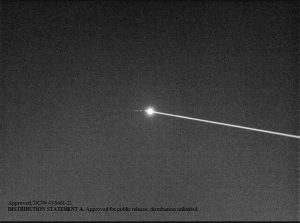
Ukraine’s GUR: Russia halts Kinzhal and Kh-32 missile production

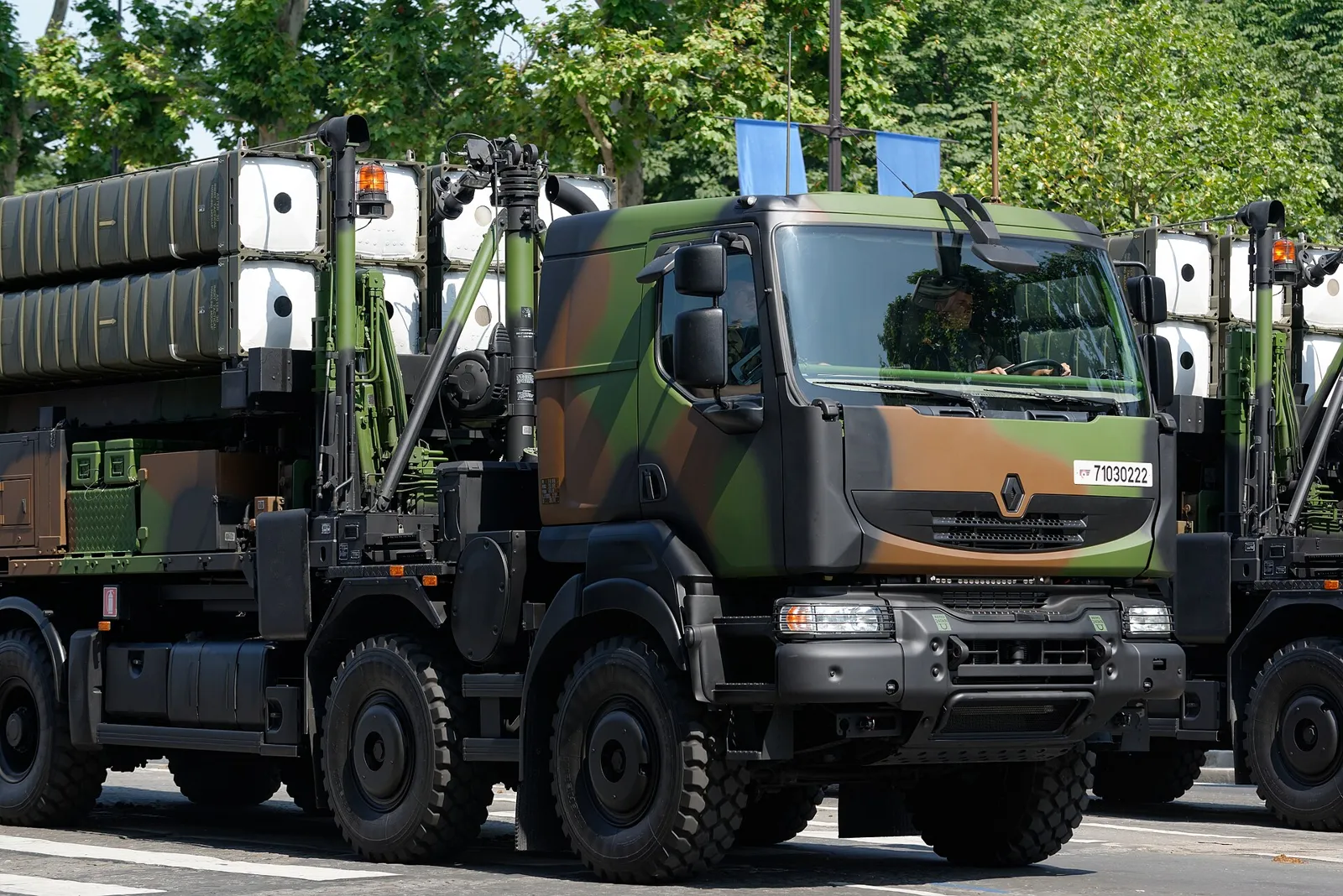
Ukrainian military intelligence says Russia has stopped producing the Kh-47M2 Kinzhal and Kh-32 missiles after judging their combat record a failure, shifting capacity to Iskander ballistic missiles.
At a Glance
- Claim made by GUR deputy chief Maj. Gen. Vadym Skibitskyi to RBC-Ukraine on 10 August 2026
- Kh-47M2 Kinzhal (MiG-31K) and Kh-32 (Tu-22M3) production reportedly halted
- Cited reasons: poor accuracy and ‘negative’ combat experience
- Kinzhal assessed as vulnerable to Ukrainian electronic warfare and Patriot defences
- Capacity redirected to Iskander’s 9M723; 65 missiles built in July 2026 against a 60-per-month target
- 48N6 missile output for S-300/400 steady at 40 per month
What Kyiv’s intelligence is claiming
Maj. Gen. Vadym Skibitskyi, deputy head of Ukraine’s Main Intelligence Directorate (GUR), told RBC-Ukraine in an interview published on 10 August 2026 that Russia has halted production of the air-launched Kh-47M2 Kinzhal aeroballistic missile and the Kh-32, carried by Tu-22M3 bombers. According to Skibitskyi, Moscow judged the combat experience of both weapons to be negative.
The principal reason cited is poor accuracy. GUR also assesses that the Kinzhal proved vulnerable to Ukrainian electronic warfare and to the Patriot air defence system. The statement is an intelligence assessment; Russia has neither confirmed nor denied it, and Defense Express, which reported the interview, attributed the information to the GUR source throughout.
Capacity flows to the Iskander line
Skibitskyi said the freed-up production resources have been redirected to the 9M723 ballistic missile of the Iskander system. Russia reportedly built 65 of the missiles in July 2026, exceeding its 60-per-month target. Output of the 48N6 family used by S-300 and S-400 systems remains flat at 40 rounds a month.
Defense Express argues the real threat lies less in the fate of individual missile types than in the Kremlin’s ability to redistribute production resources flexibly. Ukrainian strikes on Iskander-related plants, the outlet notes, have not been sufficient to stop output from growing.
From ‘invincible weapon’ to a halted line
The Kinzhal was the first operational element of the package of ‘invincible weapons’ President Vladimir Putin unveiled in March 2018, and Moscow marketed it for years as an unstoppable hypersonic missile. That framing began to erode in May 2023, when Patriot batteries defending Kyiv were documented shooting Kinzhals down.
If the halt is confirmed, it would mark a rare case of a nominally hypersonic weapon being withdrawn from production over battlefield performance. The Kh-32’s utility was already constrained by its dependence on the Tu-22M3 fleet, which has suffered attrition during the war.
Why It Matters
For air defence planners worldwide, the claim adds battlefield evidence that missiles marketed as hypersonic can be intercepted by existing systems and degraded by electronic warfare. That data point matters for every nation sizing its layered defences against high-speed threats.
The deeper lesson is industrial. Russia’s ability to shift capacity quickly from underperforming lines to proven ones — while absorbing strikes on its plants — shows that production depth and flexibility can outweigh the qualities of any single weapon in a long war.
Frequently Asked Questions
Is the production halt confirmed?
No. It is an intelligence assessment by Ukraine’s GUR, stated by deputy chief Skibitskyi on 10 August 2026; Russia has not commented.
Why was the Kinzhal deemed a failure?
According to GUR, mainly poor accuracy, plus vulnerability to Ukrainian electronic warfare and Patriot interceptors.
Where is the capacity going?
To the Iskander system’s 9M723 ballistic missile, with 65 units reportedly produced in July 2026 against a 60-per-month target.
Sources
- Defense Express — Production halt claim, output figures and resource-redistribution analysis; 10 August 2026
- RBC-Ukraine — Interview with Maj. Gen. Vadym Skibitskyi; 10 August 2026