Europe’s Electromagnetic Gun Steps Outdoors: Franco-German ISL Fires First Open-Range Shot


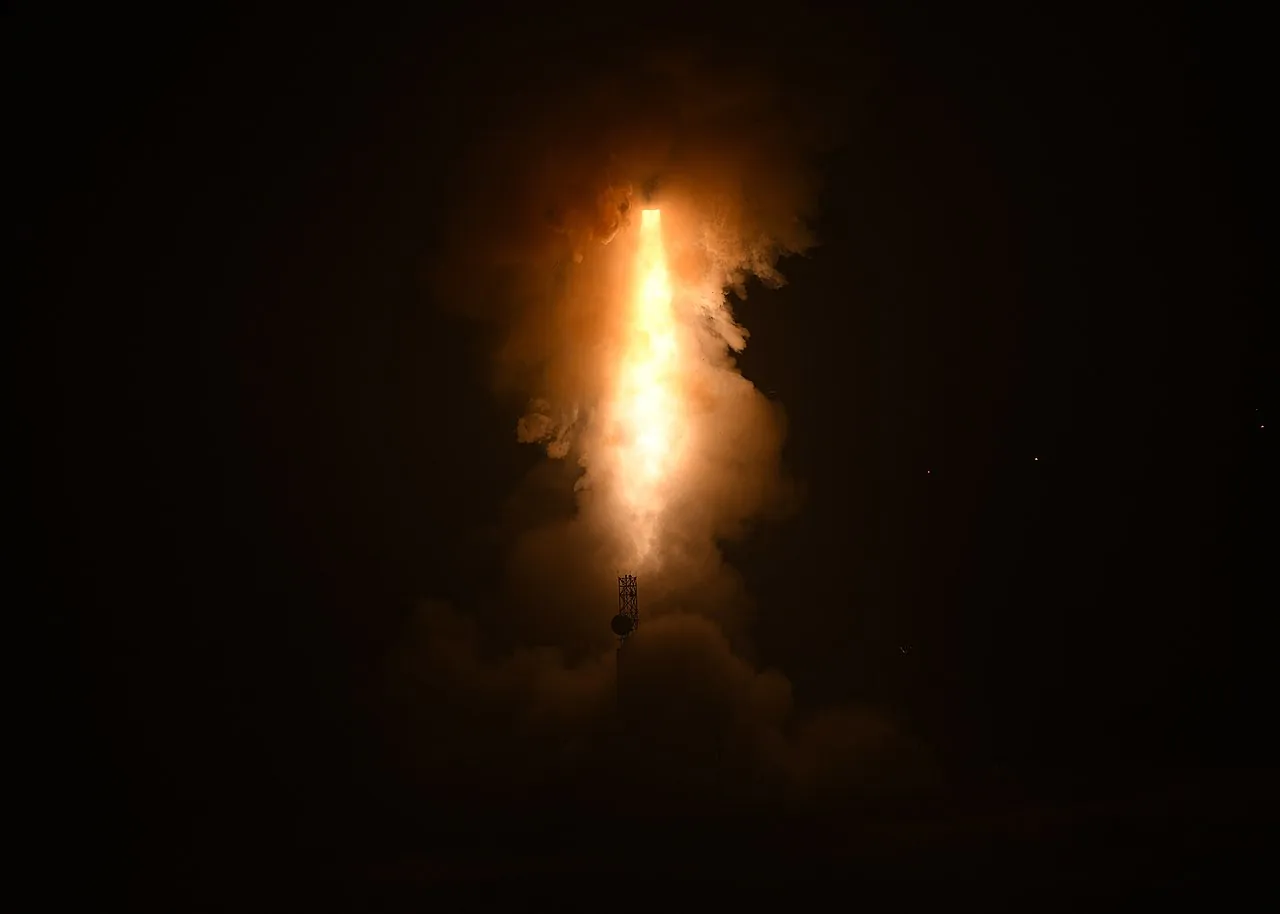
For years the electromagnetic gun was remembered as a dream the U.S. Navy shelved. Now Europe is carrying the same technology from the laboratory into the field. On 29 June 2026, the Franco-German Research Institute of Saint-Louis (ISL) conducted the first open-range free-flight test of its electromagnetic railgun at the Baldersheim proving ground — a critical threshold in Europe’s move from laboratory research to open-range validation.
At a Glance
- What: First open-range free-flight test of a European electromagnetic railgun
- When/Where: 29 June 2026, Baldersheim proving ground
- Who: Franco-German Research Institute of Saint-Louis (ISL)
- Purpose: Defense against proliferating hypersonic missiles and maneuvering re-entry vehicles
- Cooperation: ISL is working with Japan on railgun technology
Why the electromagnetic gun is back on the agenda
A railgun uses a powerful electromagnetic field instead of gunpowder to hurl a projectile kilometers downrange at very high speeds. Its promise of speed and range beyond what powder guns can reach has made it attractive for decades — but rail erosion, energy storage and heat management stalled many efforts, the U.S. Navy program among them. What has revived interest is the rapid proliferation of hypersonic weapons.
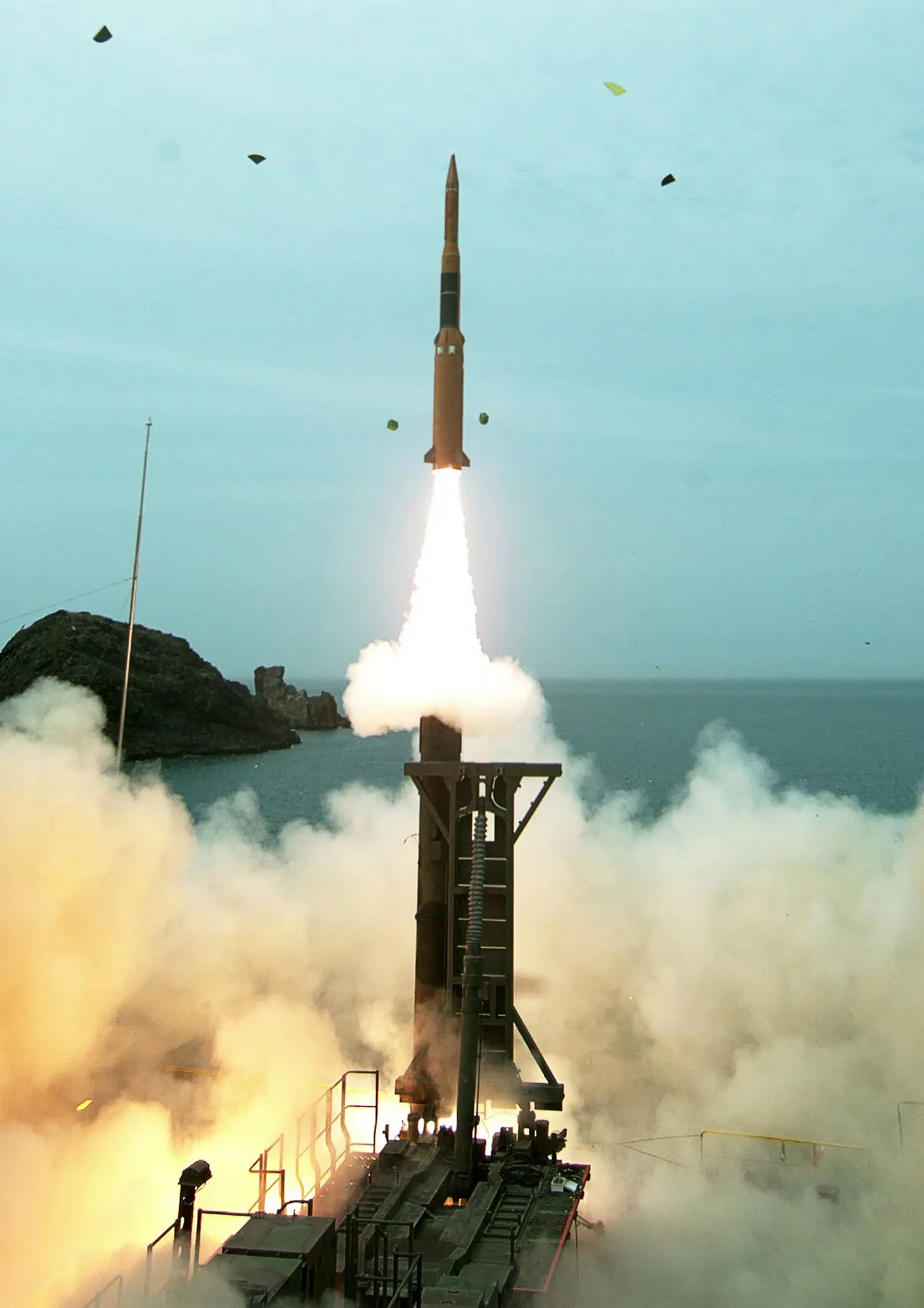
Hypersonic missiles and maneuvering re-entry vehicles are hard and extremely expensive targets to hit with traditional interceptor missiles. ISL’s approach rests on answering those threats with a relatively cheap, very high-speed projectile rather than a costly missile. The point is not only range; it is inverting the cost equation of defense.
A critical leap from lab to open range
ISL’s railgun work had been at laboratory scale until now. The 29 June test matters precisely because it was the first outdoor, free-flight shot: observing a projectile flying freely under real atmospheric conditions yields very different engineering data than a controlled shot on a closed rig. The institute leans on a “vertical integration” model that brings energetic materials, guidance, sensors and navigation under one roof.
| Element | Detail |
|---|---|
| Institution | Research Institute of Saint-Louis (ISL), France-Germany |
| Test | First open-range free-flight shot — 29 June 2026 |
| Location | Baldersheim proving ground |
| Target threat | Hypersonic missiles, maneuvering re-entry vehicles |
| International cooperation | Railgun partnership with Japan |
| Next steps | Higher energy, longer free flight, dedicated munitions |
The roadmap: a long marathon
ISL’s next phases target higher energy levels, longer free-flight distances, deeper integration studies and dedicated munitions research. The institute describes this as “part of a long-term path toward a possible future deployable system.” An operational European railgun is still distant — but this test shows the technology is alive and maturing in Europe.
Sources
- Naval News — “ISL Conducts First Open-Range Test Shot of European Electromagnetic Railgun” (9 July 2026)
- Research Institute of Saint-Louis (ISL) statements
- Wikipedia — Railgun