How to Join the US Space Force: Official Paths and Requirements

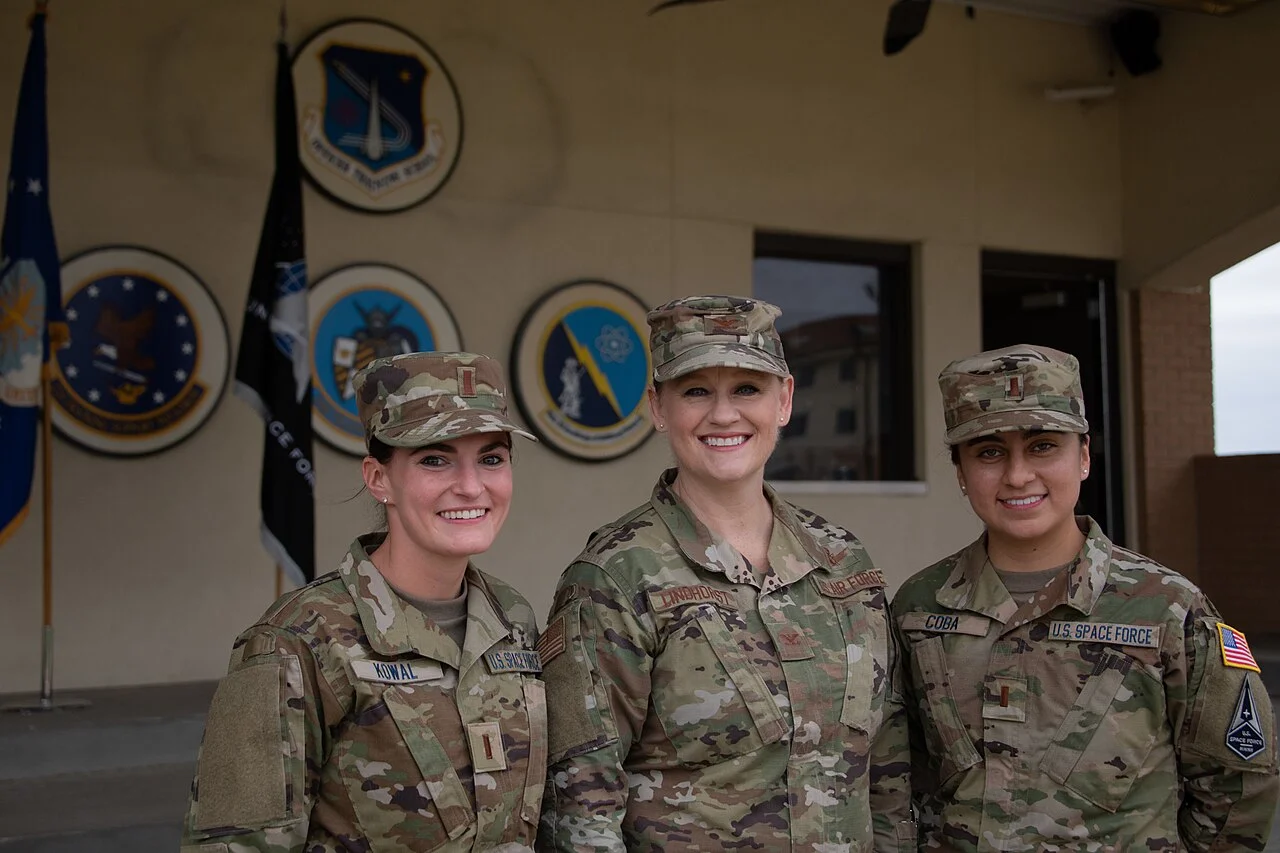
The official U.S. Space Force recruiting site states that the service’s mission is to secure the nation’s interests in, from and to space. The Space Force is responsible for organizing, training and equipping Guardians to conduct global space operations that support joint and coalition forces and give decision makers military options.
The same site describes three ways to serve: enlisted members participate in and support operations; officers plan and manage personnel; and civilians perform a mix of support and management. This article explains the official enlisted and officer accession paths. It does not replace a recruiter, and it does not invent test cutoffs or medical standards beyond what the official pages publish.
Enlisted path: qualify, apply, test and train
According to the Space Force “Apply Now” and enlisted-joining pages, basic enlistment requirements are to be 17 to 42 years of age, to be a U.S. citizen, and to obtain a qualifying score on the Armed Services Vocational Aptitude Battery (ASVAB). The official pages do not publish a single minimum ASVAB number for every specialty. A recruiter is the source for current score requirements.
Applicants can apply through a recruiter by telephone, at a local recruitment office, or through the Space Force website. Once qualifications are confirmed, the recruiter processes the applicant into testing.
The official site says the ASVAB assesses arithmetic reasoning, mathematics knowledge, word knowledge and paragraph comprehension — the same four subtests that the official ASVAB program uses to calculate the Armed Forces Qualification Test (AFQT). Those results are used to identify strengths and career-field aptitude. For a fuller explanation of standard scores and AFQT categories, see our guide to official ASVAB scoring.
Applicants are then screened against moral and physical standards set by the Space Force, federal law and the Department of Defense, and are paired with a counselor for placement options. The enlisted page notes that most placements work with ground stations. After meeting the requirements, applicants enter the Delayed Entry Program (DEP) and wait to be selected for Basic Military Training (BMT). The official FAQ recommends physical conditioning while in the DEP.
Guardians attend the same Basic Military Training as enlisted Airmen, with an added Space Force–specific curriculum. The official site describes physical training and testing plus 21 hours of instruction covering emotional intelligence, Space Force structure and senior-leader briefings on military doctrine.
Height, weight and fitness standards
The official recruiting pages say the Space Force uses a body-mass-index range of 19 to 27.5 for height-to-weight screening. Applicants above a BMI of 27.5 are told to consult a recruiter, who may use a body-fat measurement to assess eligibility. The site also publishes a detailed height-and-weight table; because those figures can be updated, applicants should read the current chart with a recruiter rather than rely on a third-party copy.
Separately, the Space Force describes a “Culture of Fitness” initiative built on four pillars: medical readiness, leadership accountability, nutrition and data-driven assessments.
Officer path: academy, ROTC or Officer Training School
The official officer-joining page lists three routes to a Space Force commission: the U.S. Air Force Academy, Reserve Officer Training Corps (ROTC) and Officer Training School (OTS). The site says the best option depends on an applicant’s goals, education and experience.
General requirements listed on that page are U.S. citizenship, a passing health exam and a clean background investigation. Education requirements vary by program. Applications may be submitted through a chain of command, a local recruiter, an ROTC detachment, the Air Force Academy or online.
Officer applicants take the Air Force Officer Qualifying Test (AFOQT), which the official page describes as assessing verbal, math and other skill sets. The same page states that the test can be taken only twice. A selection board then reviews medical results, AFOQT scores, education and other factors. Enlisted Air Force or Space Force members must also provide an AF Form 422 confirming prior testing and medical fitness, plus an eligibility statement. Selection is not automatic; the board determines selection or non-selection. Those selected are assigned to the next available class start date.
Pay and benefits, as the official site describes them
The Space Force says enlisted pay depends on rank, location, position and years of service. That basic-pay structure is the same Department of Defense system explained in our 2026 U.S. military pay scale guide. The recruiting site also describes housing and food allowances, a blended retirement system with a Thrift Savings Plan, up to 100 percent tuition assistance through official education programs, and 30 days of paid vacation a year. Specific dollar amounts for allowances and education benefits change with location, law and official rate tables; they should be confirmed with a recruiter or the issuing agency.
Civilian careers are a third official path, with their own federal pay and benefits rules. This article does not treat civilian hiring as a military enlistment process.
Sources
- U.S. Space Force official recruiting site, “Apply Now,” including mission statement, enlistment qualifications, process steps and BMT description, https://www.spaceforce.com/apply-now
- U.S. Space Force official recruiting site, “Join as Enlisted,” https://www.spaceforce.com/how-to-join/enlisted-guardians
- U.S. Space Force official recruiting site, “Join as Officer,” https://www.spaceforce.com/how-to-join/officer
- Official ASVAB site, “Understanding ASVAB Scores,” for the four AFQT subtests, https://www.officialasvab.com/applicants/scores/